From Glasgow to Longyearbyen · Northern Europe · 13 nights
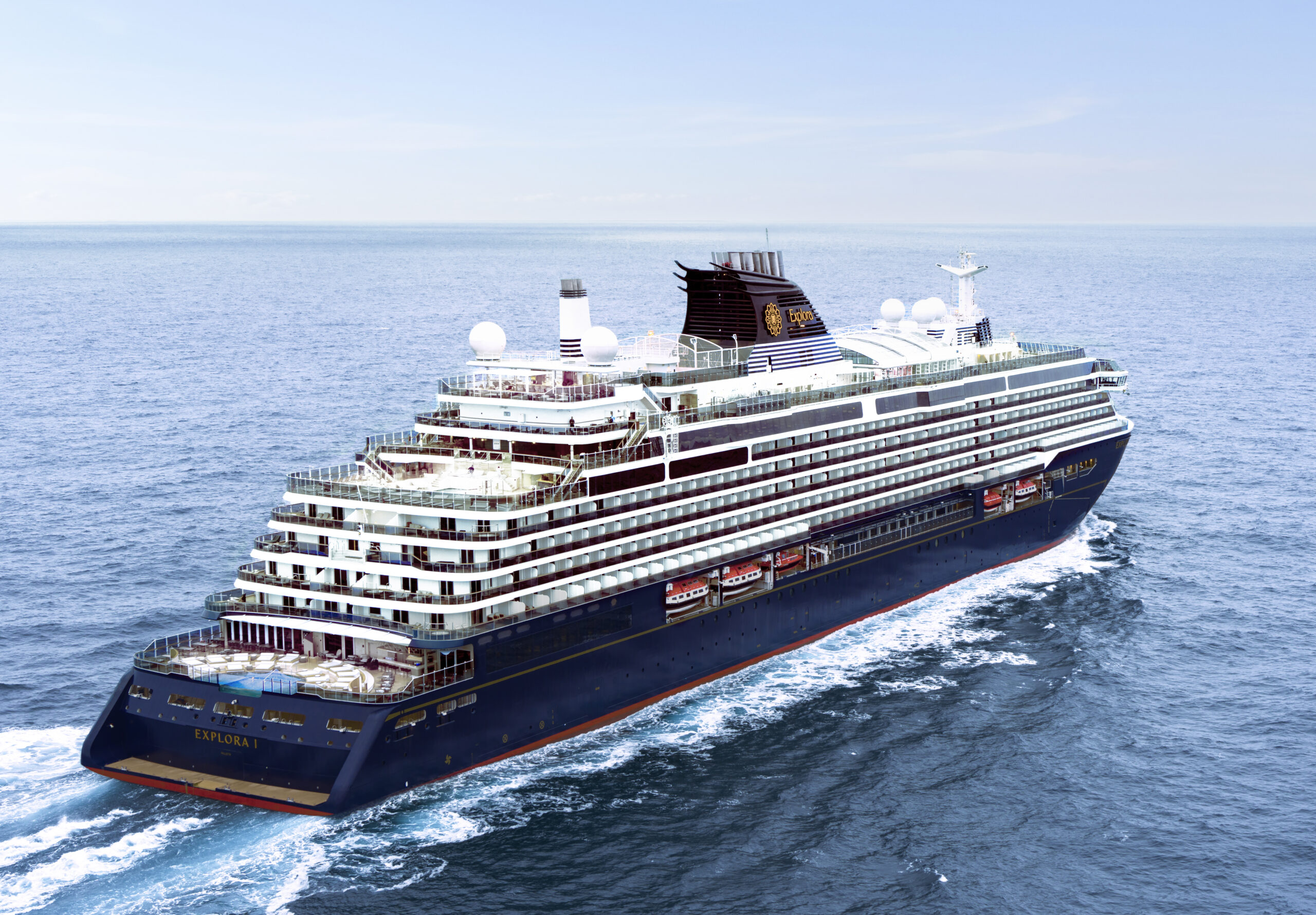
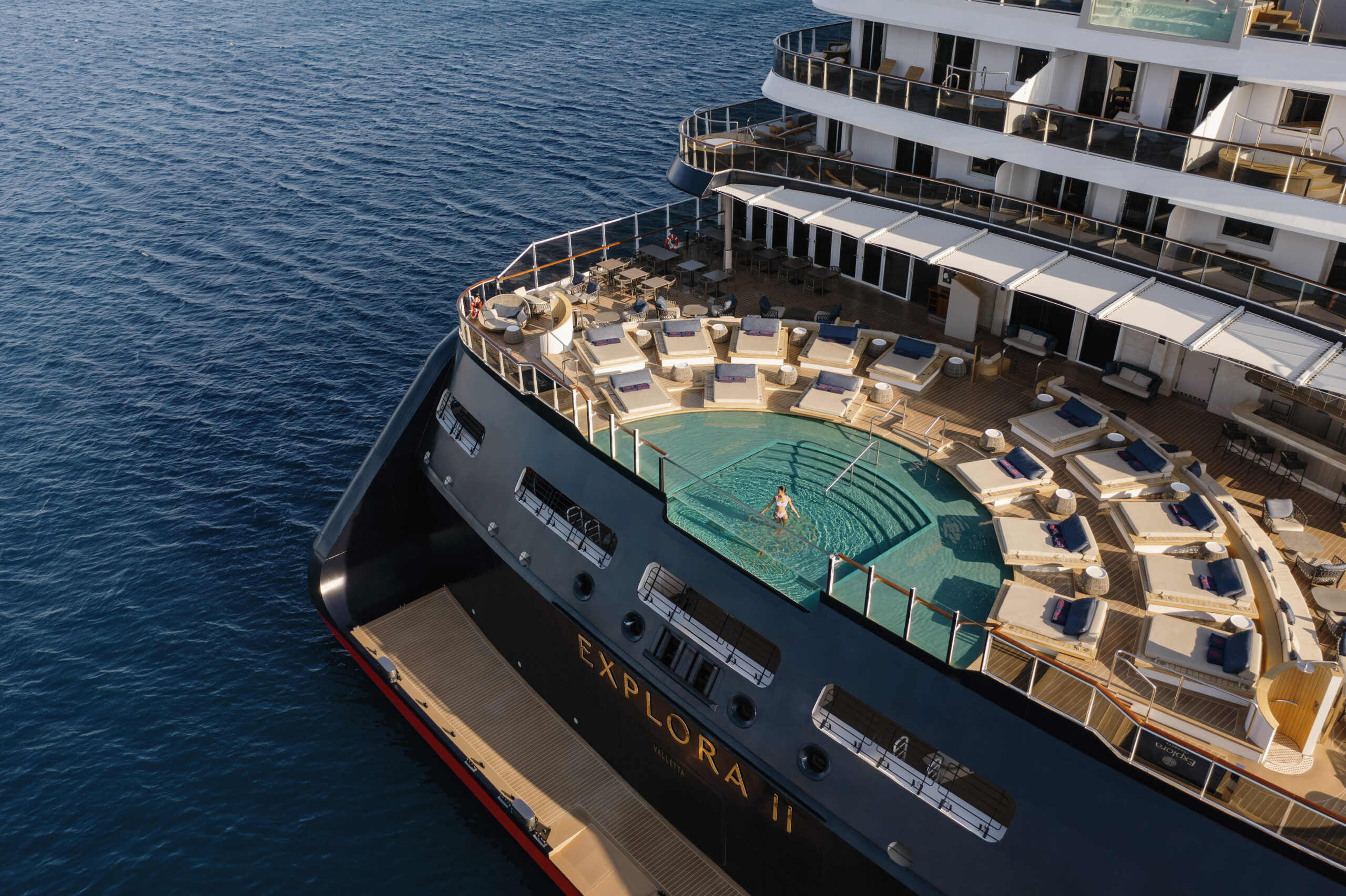
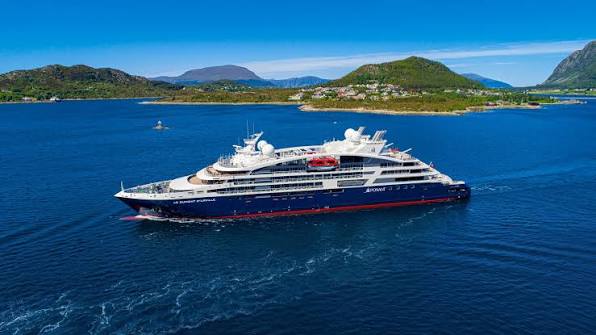
Sleek and stylish, Le Boréal, Le Soléal, L’Austral and Le Lyrial are wonderful small ships that blend luxury and intimacy with a discreet elegance and tasteful décor.
These chic sisters are amongst the most stylish ships at sea,
with muted natural tones, minimalist interiors and playful splashes
of colour. The accommodation is flexible, with the option to
combine staterooms and create expansive suites, while the
restaurants deliver the sort of outstanding gastronomic experience
that you would expect from a French flag cruise line.
Gritty Glasgow is Scotland's largest city, renowned for its culture, style and the friendliness of its people. With internationally-acclaimed museums and galleries, stunning architecture, vibrant nightlife, fantastic shopping and a diverse array of restaurants and bars, Glasgow has something for everyone. The city centre has countless impressive Victorian structures, and most notably the unique masterpieces of one of the city's most celebrated sons, the legendary architect and designer Charles Rennie Mackintosh. It is set in outstandingly beautiful surroundings, so visitors can combine a buzzing city visit with an introduction to the glories of the Scottish scenery.
The tiny island of Iona, situated off the southwestern tip of Mull, is said to be the cradle of Christianity in Scotland, and is a popular place of pilgrimage. Thousands of visitors flock here every year to visit the Abbey, and the island gets particularly busy in summer.
Situated halfway up the coast of Norway on a narrow peninsula, the little town of Brønnøysund is a pleasant place to stroll the streets and enjoy a drink in a cosy pub. The town’s centrepiece is the neo-Gothic Brønnøy Church, while just offshore are the UNESCO-listed Vega Islands.
The little village of Reine enjoys one of the most spectacular settings in the Lofoten Islands, where the colourful wooden fishermen’s cabins are dwarfed by towering mountains. For the picture postcard view you’ll need to scale the 1,500 or so stone steps to the top of Reinebringen.
Tromso’s location well within the Arctic Circle means the summer months are lit by the Midnight Sun, a compensation for long dark winters. Explore the streets with their multi-coloured wooden houses, see the amazing architecture of the Arctic cathedral, or take the cable car up to Mount Storsteinen for a fantastic view.
Bjørnøya, or Bear Island, is the most southerly island in the Svalbard archipelago, marooned in the Barents Sea halfway between Spitsbergen and the Norwegian mainland. Despite the name there are no polar bears permanently resident, and the island’s most impressive sight is the huge bird colonies nesting on the cliffs.
Isfjorden is the second longest fjord in Svalbard, and is also where you’ll find the archipelago’s largest settlements, Longyearbyen and Barentsburg. Birds including guillemots, kittiwakes and puffins can be seen on the cliffs along the coast, and polar bears are known to prowl here.
Longyearbyen is the largest settlement in Svalbard, remotely located in the high Norwegian Arctic, and originally built as a mining town. The locals continue to make the best of this hostile environment, and brightly painted wooden buildings line the main street. The surrounding area is breathtakingly beautiful.