From Glasgow to Dublin · Northern Europe · 7 nights
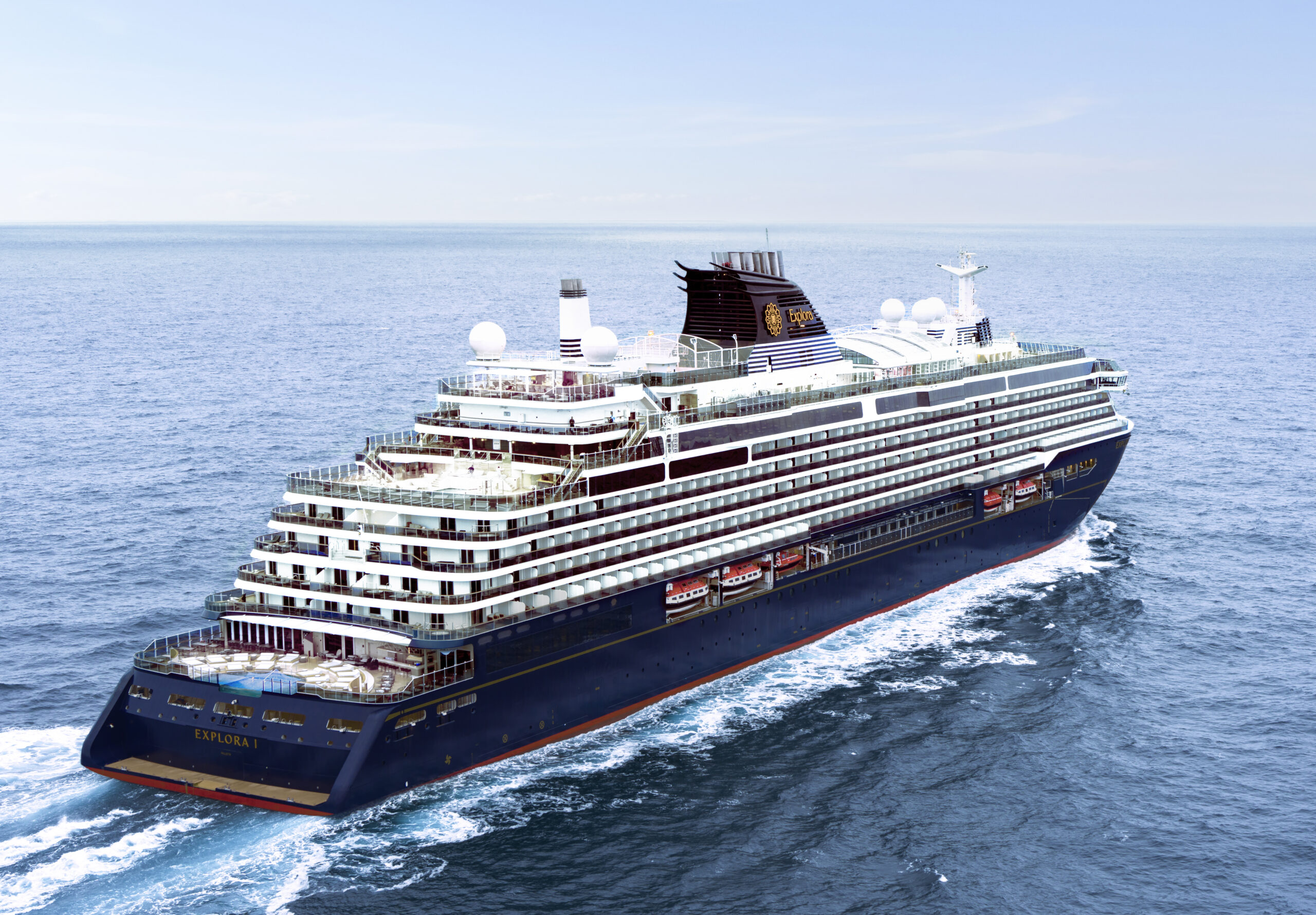
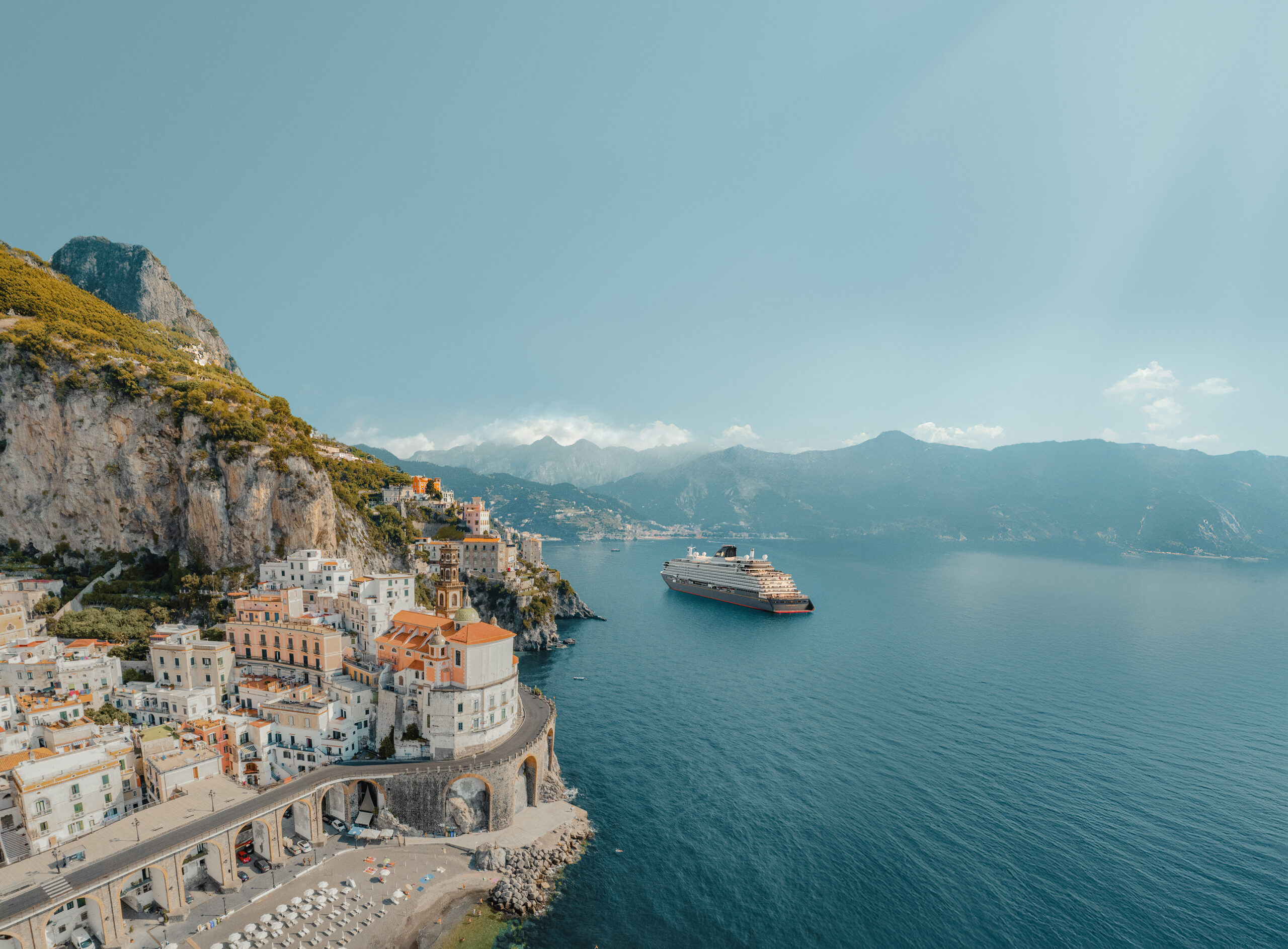
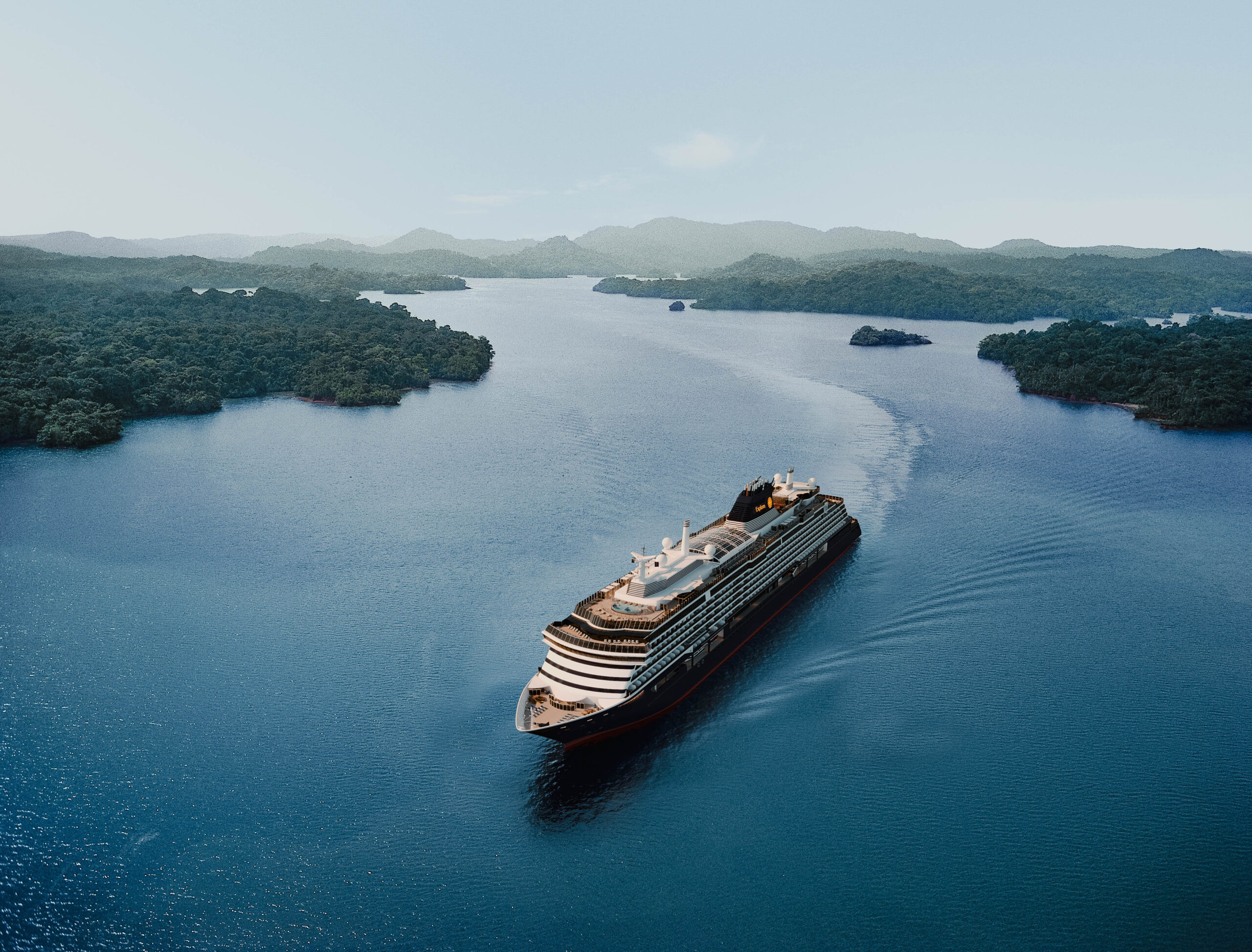
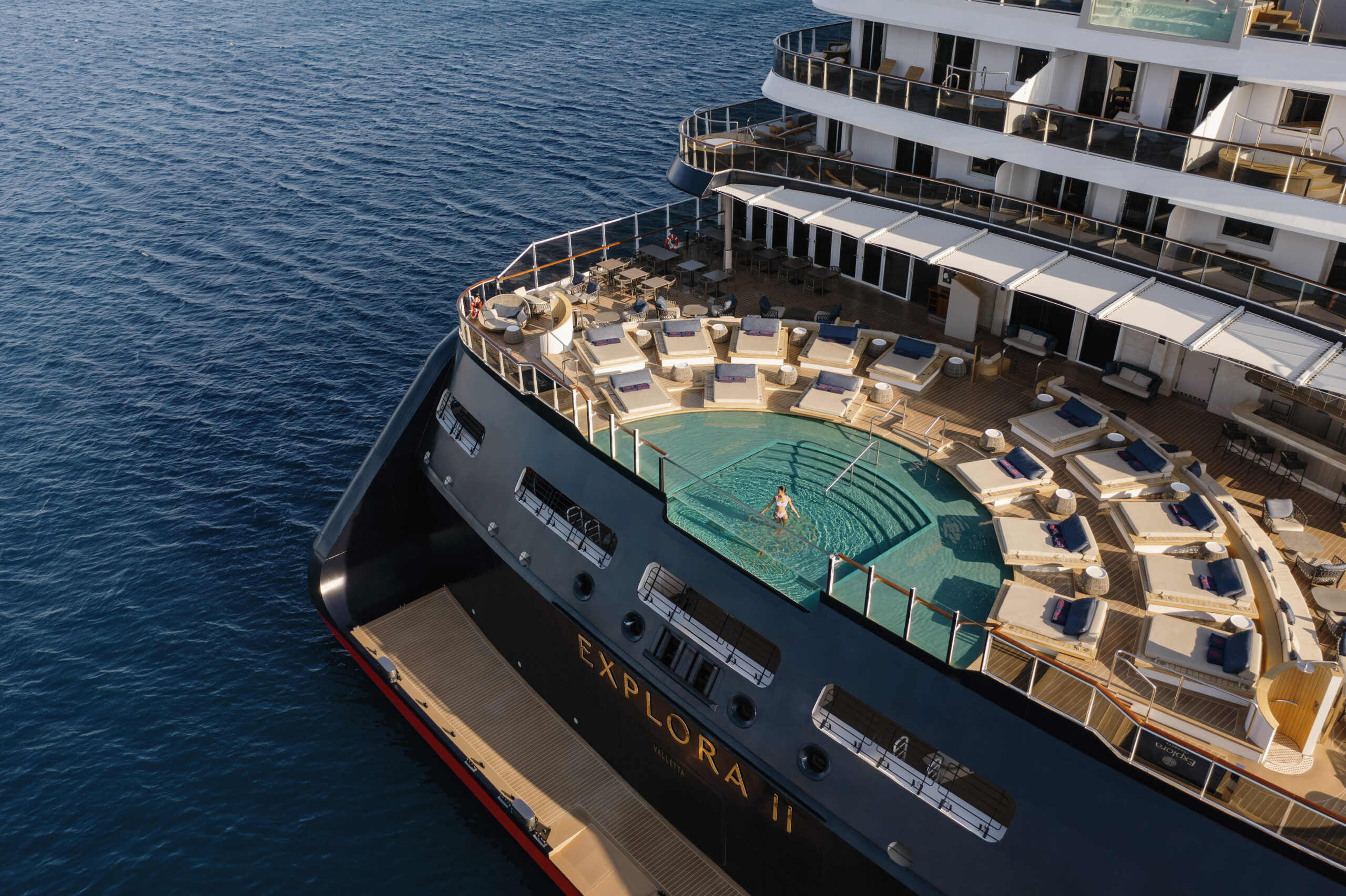
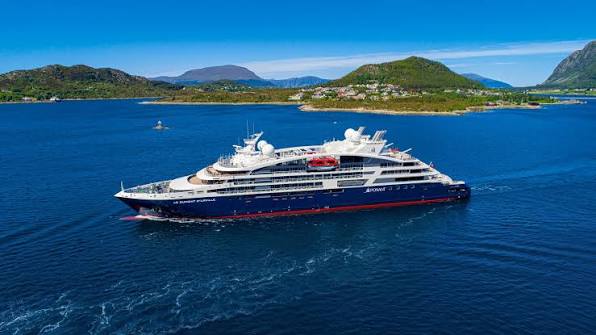
Sleek and stylish, Ponant’s wonderful Explorer yachts blend luxury and intimacy with a discreet elegance and tasteful décor.
Named after six of France’s most famous explorers, Le Champlain,
Le Lapérouse, Le Bougainville, Le Dumont d’Urville, Le Bellot and
Le Jacques Cartier offer exciting and adventurous itineraries in
the utmost comfort. Technologically advanced, with the latest in
environmentally friendly hardware, the new ships embody Ponant’s
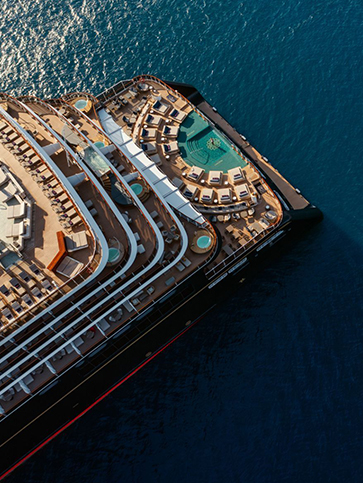
trademark élan and flair, with just 92 spacious rooms and suites, a
stylish pool deck and an intimate, refined onboard ambience.
Gritty Glasgow is Scotland's largest city, renowned for its culture, style and the friendliness of its people. With internationally-acclaimed museums and galleries, stunning architecture, vibrant nightlife, fantastic shopping and a diverse array of restaurants and bars, Glasgow has something for everyone. The city centre has countless impressive Victorian structures, and most notably the unique masterpieces of one of the city's most celebrated sons, the legendary architect and designer Charles Rennie Mackintosh. It is set in outstandingly beautiful surroundings, so visitors can combine a buzzing city visit with an introduction to the glories of the Scottish scenery.
The waterfront town of Oban, situated on Scotland’s west coast, is the main gateway to the Hebridean islands, and it’s a busy place in summer. We recommend sampling the excellent seafood while enjoying the views across to the islands of Mull and Kerrera.
Tobermory, an old fishing station brightened by a crescent of colourful houses, is the main settlement on the Isle of Mull. This rugged and varied island is one of the most popular destinations in the Hebrides, and is rich in wildlife, home to species including white-tailed eagles, otters and whales.
Killybegs is a bustling fishing port on the Donegal coast, and you’ll see both local and international vessels filling the harbour. The village has some nice pubs worth visiting, and the surrounding countryside is typified by beautiful coastal scenery such as the dramatic Slieve League cliffs.
Disagreements over the correct name for Northern Ireland’s second city date back to 1613, and are unlikely to be resolved any time soon, so let’s focus instead on what the city has to offer. Highlights include the 17th century city walls, a vibrant live music scene and a city centre rejuvenated by Derry’s stint as UK Capital of Culture in 2013. (Greencastle is actually in the Republic, but it's a short drive south to Derry.)
The 1998 Good Friday Agreement was a watershed moment for Northern Ireland, and its rejuvenated capital is enjoying a surge in popularity. The new Titanic Belfast museum is the star attraction, while the city centre boasts some handsome Victorian architecture and a lively pub scene.
Rugged and unspoilt, peaceful and perhaps a little parochial, the Isle of Man is proud to be different. The island has its own government, the Tynwald, which is said to be the oldest continuous parliament in the world, as well as its own language and even its own currency, the Manx pound.
The city of Dublin has something for everyone with great shopping, beautiful Georgian architecture, lovely parks, galleries and museums. Everywhere you go you will be bowled away by the jovial Irish welcome. Don’t miss the chance to sample a local pint of Guinness.