From Valletta to Venice · Mediterranean · 8 nights
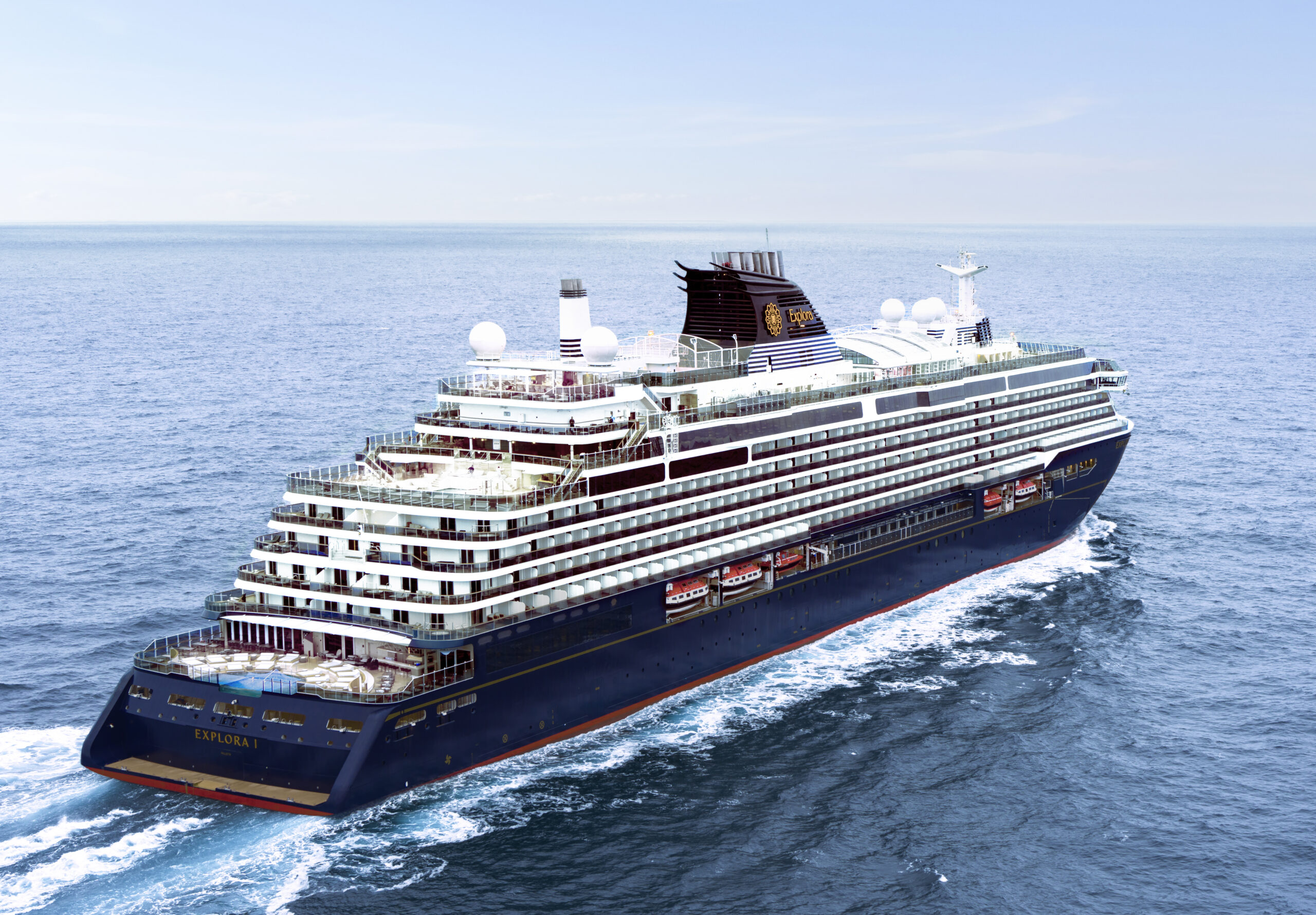
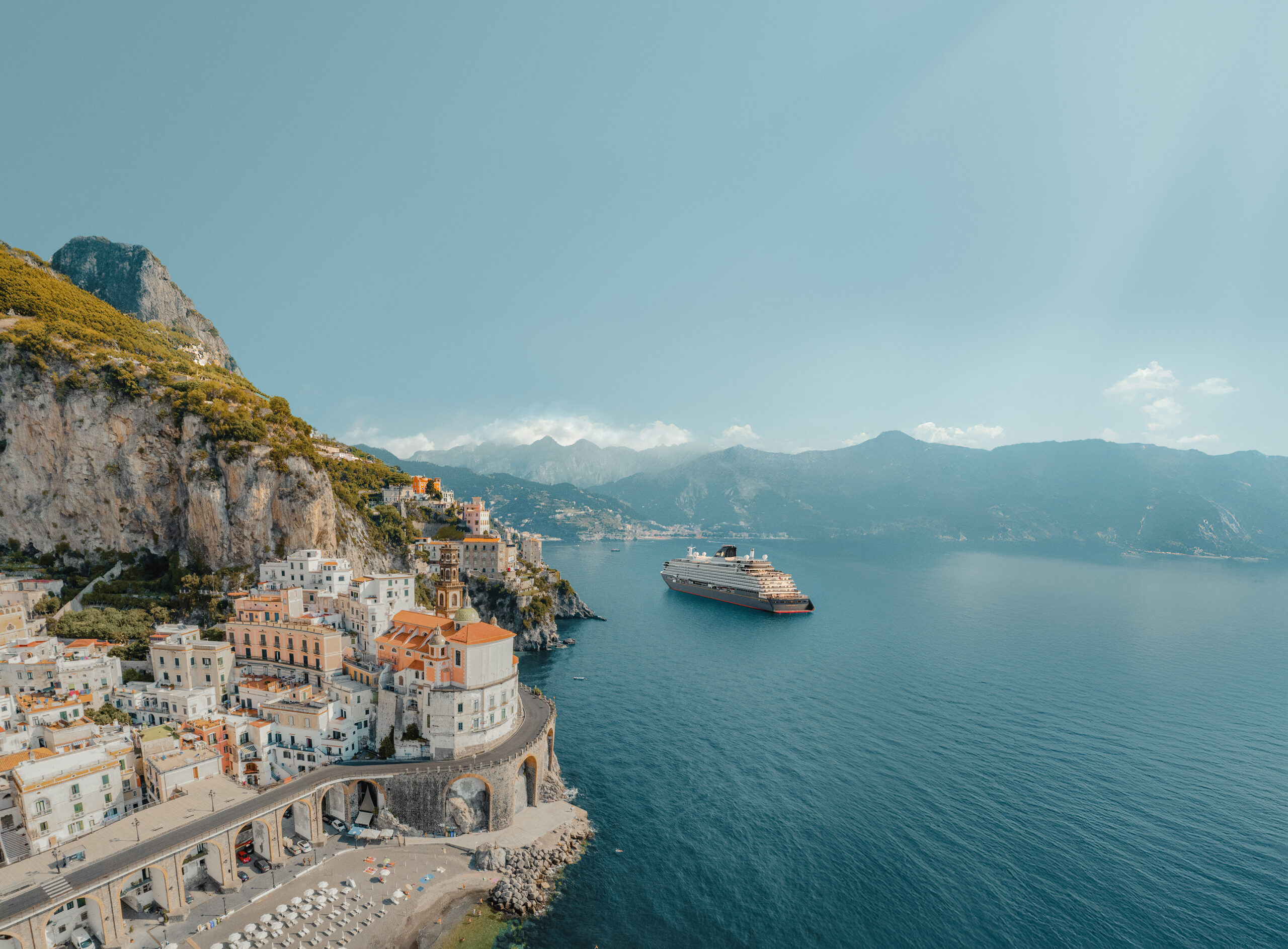
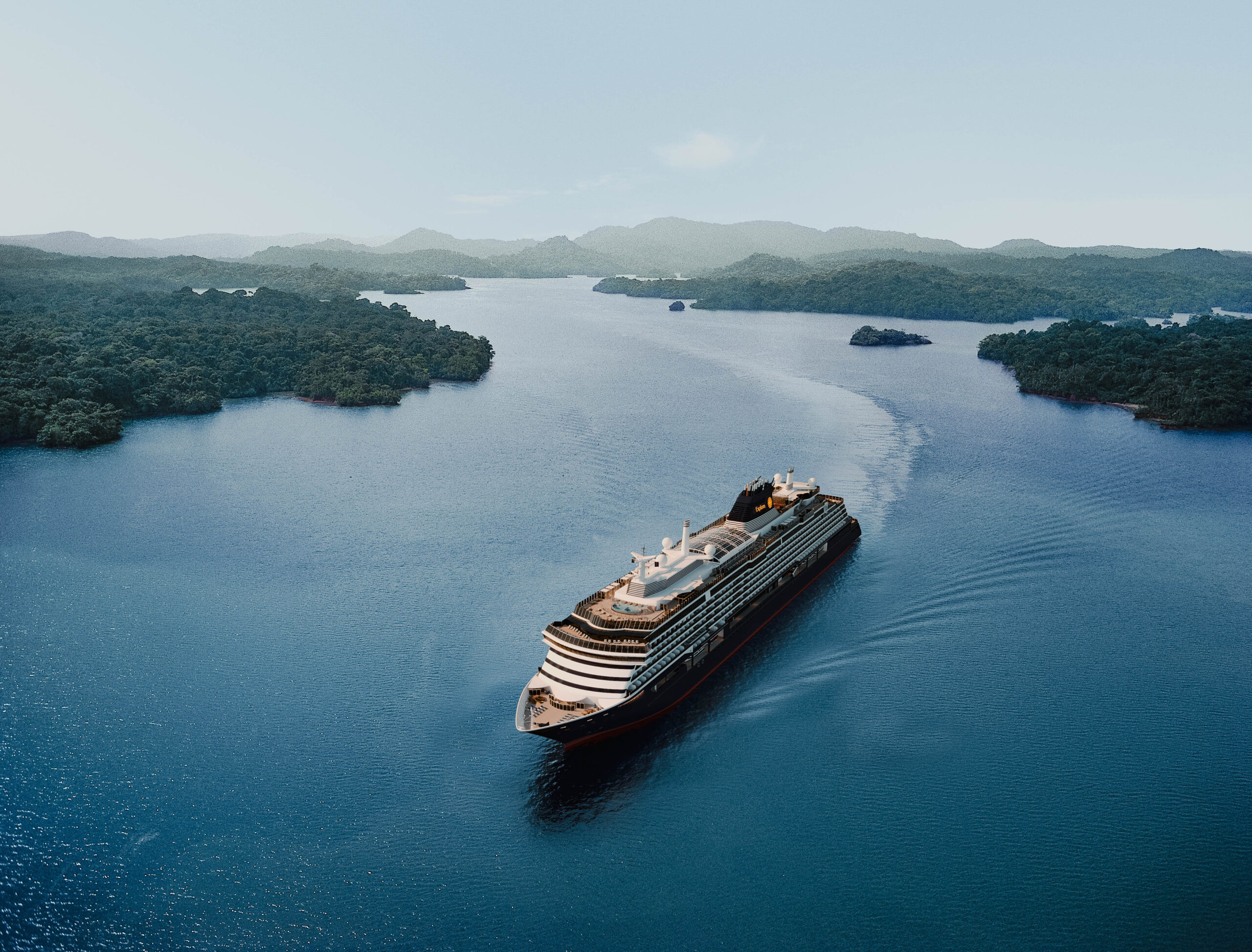
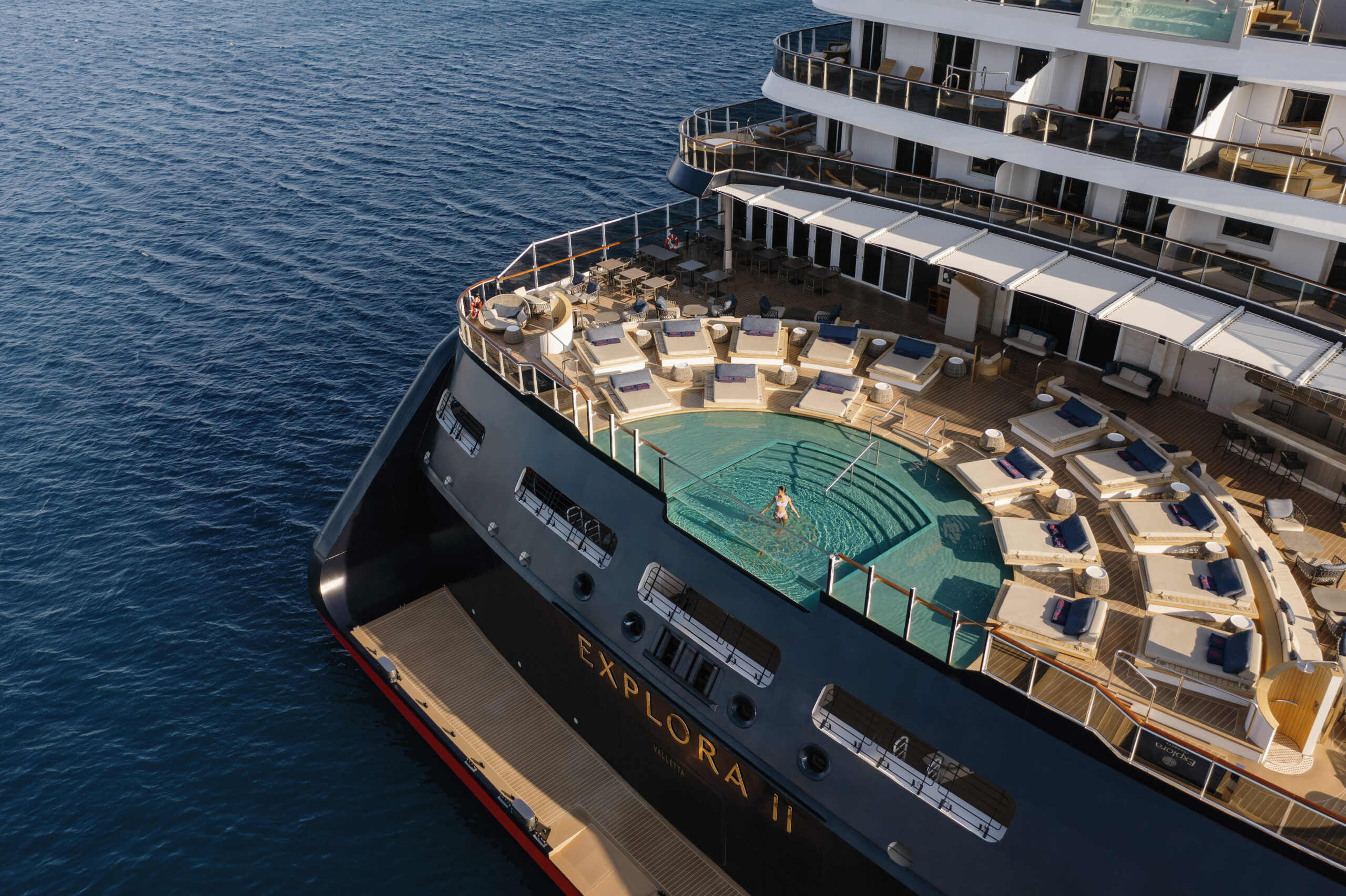
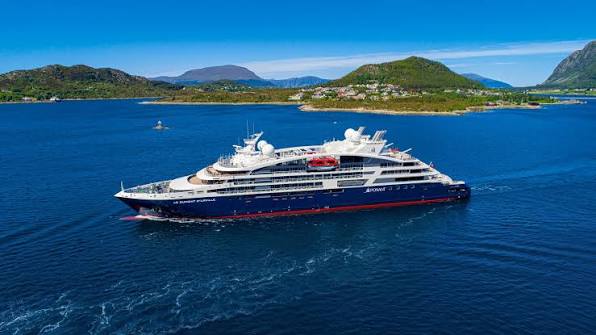
Sleek and stylish, Ponant’s wonderful Explorer yachts blend luxury and intimacy with a discreet elegance and tasteful décor.
Named after six of France’s most famous explorers, Le Champlain,
Le Lapérouse, Le Bougainville, Le Dumont d’Urville, Le Bellot and
Le Jacques Cartier offer exciting and adventurous itineraries in
the utmost comfort. Technologically advanced, with the latest in
environmentally friendly hardware, the new ships embody Ponant’s
trademark élan and flair, with just 92 spacious rooms and suites, a
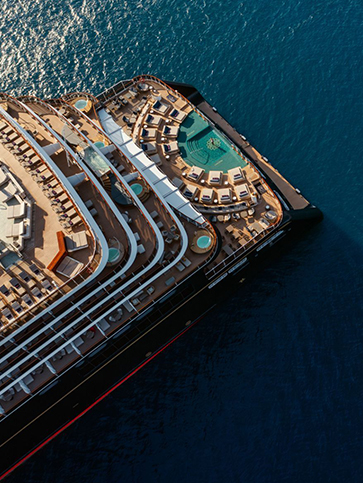
stylish pool deck and an intimate, refined onboard ambience.
Malta's tiny capital, established by the Knights of St John, packs in an awful lot of history considering its diminutive size. The atmospheric old streets, bathed in Mediterranean sunshine, are full of attractive honey-golden buildings, along with an impressive selection of bars and restaurants.
Taormina enjoys a truly spectacular setting on Sicily’s east coast, perched on a mountainside looking out towards the smouldering Mount Etna. The medieval streets are pleasant but often crowded in high season, so we’d recommend getting out and exploring the surrounding countryside.
Otranto sits at the end of the ‘heel’ of Italy, and has borne the brunt of many invasions and attacks over the years, most notably by the Turks in 1480. If you only have a day here we'd recommend visiting nearby Lecce, a true baroque masterpiece that has been described as the ‘Florence of the South’.
Kotor sits at the head of a beautiful, fjord-like bay, hemmed in by glowering mountains. The compact, walled old town is Montenegro’s star attraction, a warren of little alleyways and shady squares that is often described as a ‘mini Dubrovnik’.
We never fail to be moved when we see the terracotta roofs and honey-golden walls of Dubrovnik, and a stroll around the perfectly preserved old town is a highlight of any visit to the Dalmatian coast. Make sure you take the time to walk around the walls and soak up the marvellous sea views.
The beautiful, forest-clad island of Mljet lies off the southern Dalmatian Coast, and is said to be the place where Odysseus was held captive for seven years by the nymph Calypso. The western part of the island is a national park, where popular activities include cycling and kayaking.
Hvar is the most popular of Croatia’s islands, a ruggedly beautiful place carpeted with lavender fields and dotted with little villages. The island’s capital, Hvar Town, is a charming collection of marble streets arranged around a harbour, and it gets very busy in the summer months.
The pretty little town of Primošten sits on an island that was fortified in the 16th century to protect it against the threat of Turkish invasion, connected to the mainland by a causeway. It’s a laid back place with charming cobbled streets, excellent beaches and a beautiful 15th century hilltop church.
Croatia’s second city enjoys a dramatic setting, hugging a sweeping bay against a backdrop of sheer grey mountains. Split's labyrinthine old town is contained within the remarkable Roman ruins of Diocletian’s Palace, a UNESCO World Heritage Site, and spills out onto the buzzing seafront Riva promenade.
The island of Rab is a popular summer destination thanks to its many sandy beaches, something of a rarity on the Croatian coast. The southwest shore of the island is thick with forest, while the medieval centre of Rab Town is notable for its four elegant bell towers.
Venice is a city like no other, a marble maze of turquoise canals criss-crossed by beautiful bridges, overflowing with palaces, churches and charming little piazzas. No matter how many times you’ve seen it in photographs, that first glimpse of the Grand Canal will simply take your breath away.