From Dunedin to Dunedin · Australia & New Zealand · 14 nights
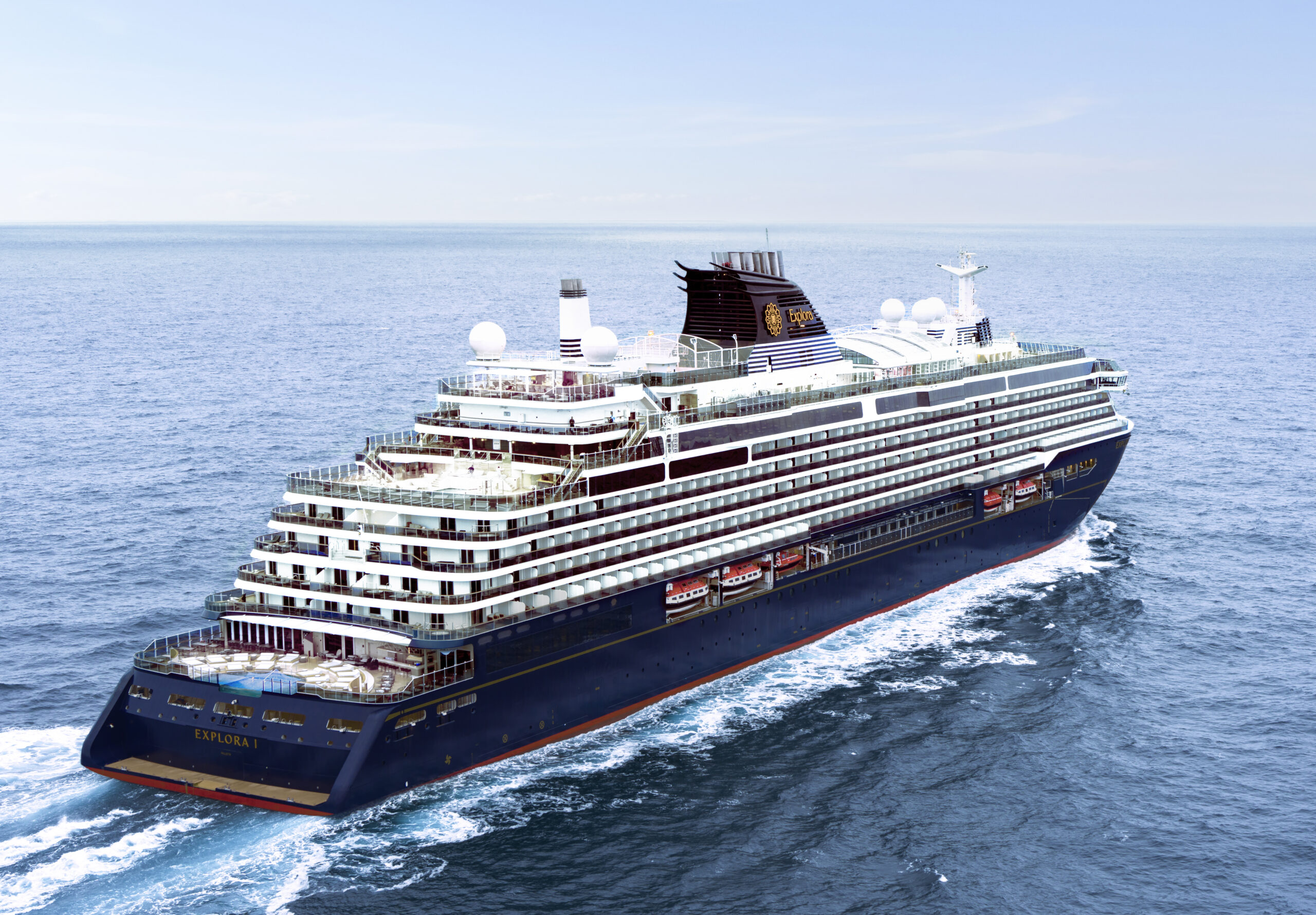
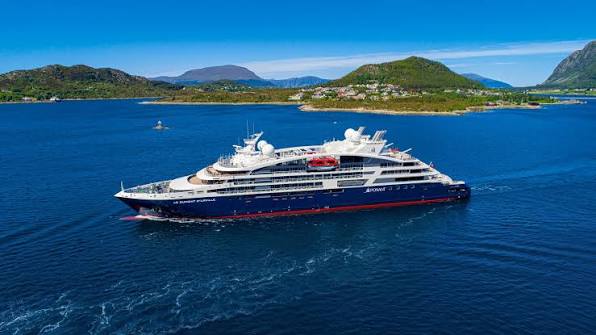
Sleek and stylish, Le Boréal, Le Soléal, L’Austral and Le Lyrial are wonderful small ships that blend luxury and intimacy with a discreet elegance and tasteful décor.
These chic sisters are amongst the most stylish ships at sea,
with muted natural tones, minimalist interiors and playful splashes
of colour. The accommodation is flexible, with the option to
combine staterooms and create expansive suites, while the
restaurants deliver the sort of outstanding gastronomic experience
that you would expect from a French flag cruise line.
It's an odd concept - Edinburgh, but on New Zealand's South Island. Visitors are amazed by the extraordinary Victorian and Edwardian buildings dating back to the gold rush, which bring to mind the city's Scottish roots - not least when the sound of the pipes echoes through the streets. Of course the region was inhabited by M?ori long prior to the European arrival, so a rich history abounds. Meanwhile outside the city, the extraordinary natural beauty and wildlife of the Otago peninsula are on hand, home to New Zealand fur seals, Hooker's sea lions, yellow-eyed penguins, and the only mainland royal albatross colony in the world.
Stewart Island is New Zealand’s rarely visited third island. A landscape of lush rainforest and beautiful beaches is home to abundant birdlife, and it’s one of the best places in the country to see kiwis in the wild. You can also have a drink at New Zealand’s southernmost pub in Oban, the only town on the island.
Dusky Sound is one of the most isolated fjords in Fiordland National Park, situated on the southwest coast of the South Island. In the rainy season hundreds of waterfalls cascade down the sheer cliffs, and you may spot wildlife including fur seals, dolphins and the rare Fiordland crested penguin.
Milford Sound is New Zealand’s most iconic sight, a breathtaking fjord crowned by the soaring Mitre Peak. Despite a remote location, on the western coast of the South Island, the fjord attracts thousands of visitors every year, such is the beauty of this raw and unspoilt landscape.
The Snares Islands are the northernmost of New Zealand’s subantarctic islands, renowned for their incredible birdlife. Endemic species include the Snares penguin, Snares snipe and Snares tomtit, and some three million sooty shearwaters come here to breed during the austral summer.
Enderby Island is part of the Auckland Islands archipelago, a place where native flora and fauna are flourishing following a successful programme to eradicate invasive species in the 1990s. The island is an important habitat for the rare yellow-eyed penguin, and the main breeding location for the New Zealand sea lion.
Macquarie Island lies far to the south of mainland Australia, a bizarrely shaped subantarctic island that is home to unique flora and spectacular wildlife. The island is best known for its huge penguin rookeries, with thousands upon thousands of royal, king, southern rockhopper and gentoo penguins.
Campbell Island is one of the most southerly of New Zealand’s subantarctic islands, a windswept and seemingly inhospitable place that sustains a surprising diversity of large, colourful plants known as ‘megaherbs’. The island is also home to six different species of albatross and three species of penguin.
The Antipodes Islands are a group of remote and inhospitable volcanic islands in New Zealand’s subantarctic waters, home to rare bird species including the Antipodes parakeet, Reischek’s parakeet, erect-crested penguin, Antipodes snipe and the huge Antipodes wandering albatross.
Visitors to Dunedin are amazed by the extraordinary Victorian and Edwardian buildings dating back to the gold rush, which bring to mind the city's Scottish roots - not least when the sound of the pipes echoes through the streets.