From Amsterdam to Vienna · Europe (River) · 14 nights
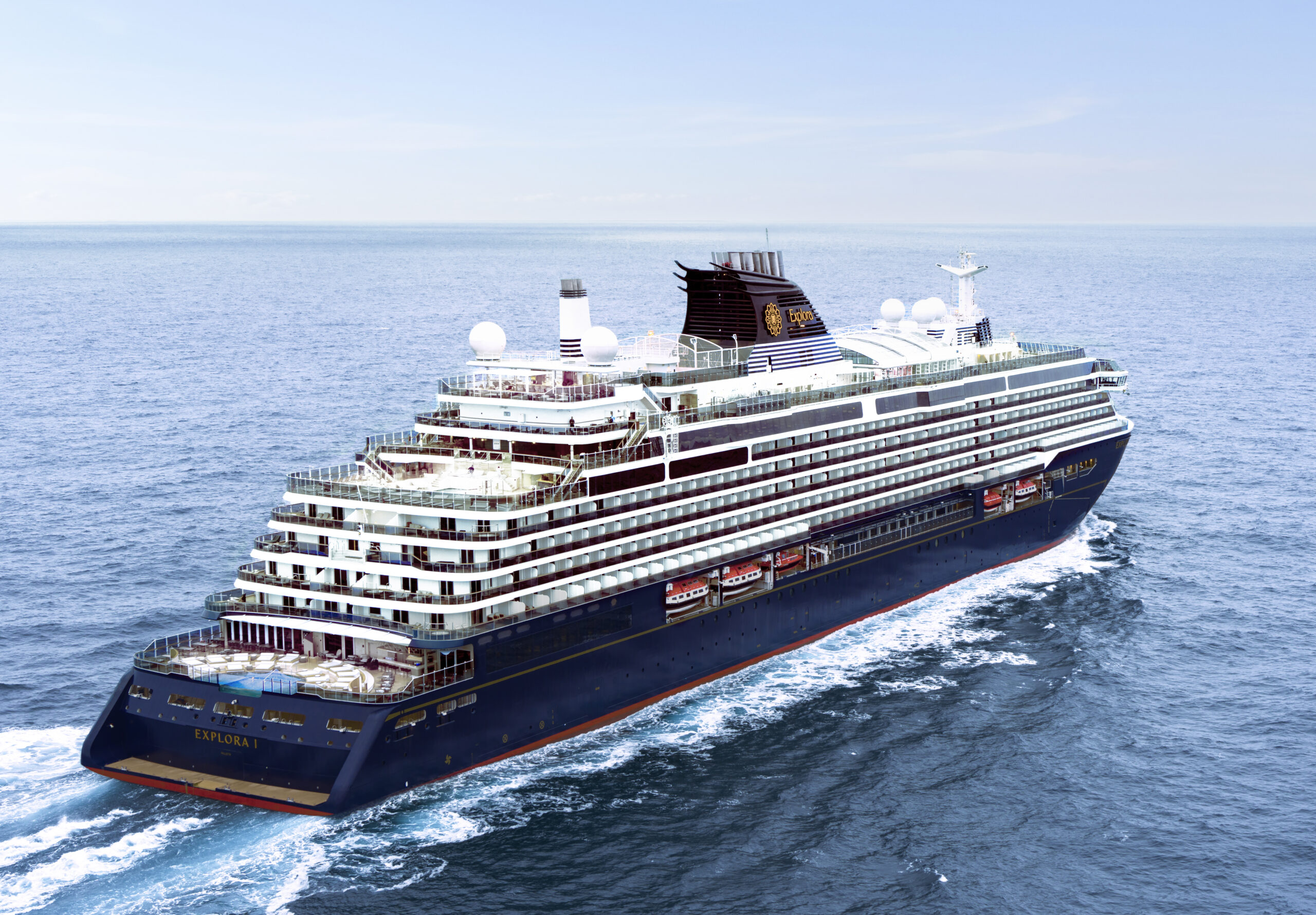
Uniworld’s newest ship joined the fleet in March 2026 with interiors inspired by artist Gustav Klimt and itineraries on the Danube, Rhine, and Main Rivers.
Another brand-new ship joined the fleet in March 2026, sailing
the mighty Danube and featuring stylish interiors with Art Nouveau
elements, inspired by the work of master Viennese painter Gustav
Klimt. Expect Uniworld’s trademark boutique style on board and
immersive experiences ashore to create an enriching river cruising
experience.
Amsterdam is one of our very favourite cities to visit, as well as also being a perfect base to explore the nearby landscape of windmills and dikes. The Amsterdam canal belt is now officially recognized as a UNESCO World Heritage site, and from them there are so many neighbourhoods to explore, such as the Jordaan with its higgledy-piggledy streets and its famed garden courtyards (hofjes). There are also a wealth of famous museums and galleries to choose from, such as the Van Gogh Museum, the Rijksmuseum and the Anne Frank House, not to mention some more, shall we say, quirky options.
Dynamic Düsseldorf, known for its diverse cultural scene, is a lovely place to spend a day exploring. Discover its lively and historic Aldstadt - old town - with its numerous beer halls (known as the 'longest bar in the world') or stroll along the elegant Königsallee for shopping and riverside views. For culture, there are numerous art galleries, museums, the Opera House, or the Heinrich Heine Institute.
The pretty little town of Rüdesheim, situated on a bend in the Rhine surrounded by vineyards, is a popular destination for travellers looking for a slice of quintessentially German village life. The Drosselgasse, a narrow cobbled lane flanked by old timber frame buildings, is particularly atmospheric.
The quaint little Bavarian town of Miltenberg sits on the Main river to the southeast of Frankfurt, with a beautiful old town that survived the Second World War unscathed. Timber-framed buildings lean at jaunty angles overhead, not least in the ‘Black Quarter’, where the streets are so narrow that the sunlight barely reaches ground level.
The handsome town of Würzburg, situated on the river Main between Nuremberg and Frankfurt, was ruled for centuries by a succession of powerful prince-bishops. Although much of the city was destroyed during the Second World War, the majestic 18th century Residenz palace stands as a testament to the wealth of the bishopric.
Bamberg’s eye-catching, UNESCO-listed old town is one of the most beautiful in all of Germany. The city was briefly capital of the Holy Roman Empire, and the city centre is still dominated by the 13th century cathedral. There are also plenty of breweries, and you shouldn’t leave without trying Bamberg’s famous smoked beer.
Nuremberg, Bavaria’s second city, first pops up in the history books in 1050 as a stronghold of the Franks, and later became the unofficial capital of the Holy Roman Empire. Nowadays the city is a tourist magnet thanks to the beautifully restored old town, Christmas markets and excellent beer.
Originally founded by the Celts and later an important Roman settlement, Regensburg is one of Bavaria’s lesser known gems. Situated on the northernmost bend of the Danube, it’s a friendly and laid back city, with an exceptionally well preserved medieval centre.
The pretty Bavarian town of Passau, situated close to Germany’s border with Austria, enjoys a unique setting at the confluence of three rivers: the Inn, the Ilz and the Danube. The narrow cobbled streets of the handsome old town, the Altstadt, are quite delightful.
One of the prettiest towns in Austria’s Wachau Valley, little Dürnstein charms visitors with its handsome 16th century architecture. Richard the Lionheart was once imprisoned in the castle that sits on the hillside above the town, and the region is also famous for its wine.
Formerly the centre of the Habsburg Empire, Vienna is as grand a European capital as you can imagine, jam packed full of thrusting, bombastic buildings that stand as a reminder of Austria’s glorious imperial heyday.