From Athens (Piraeus) to Venice · Mediterranean · 21 nights
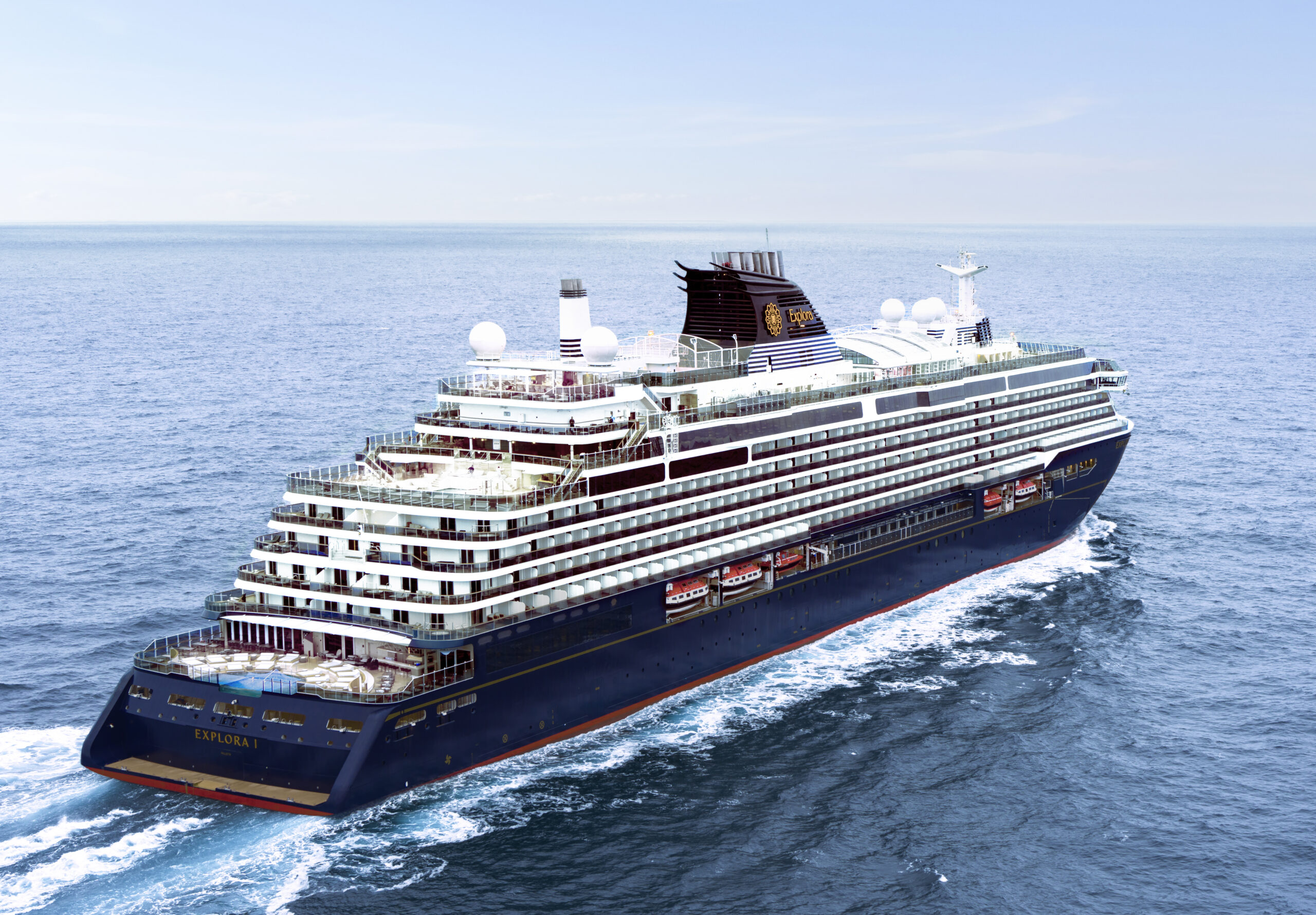
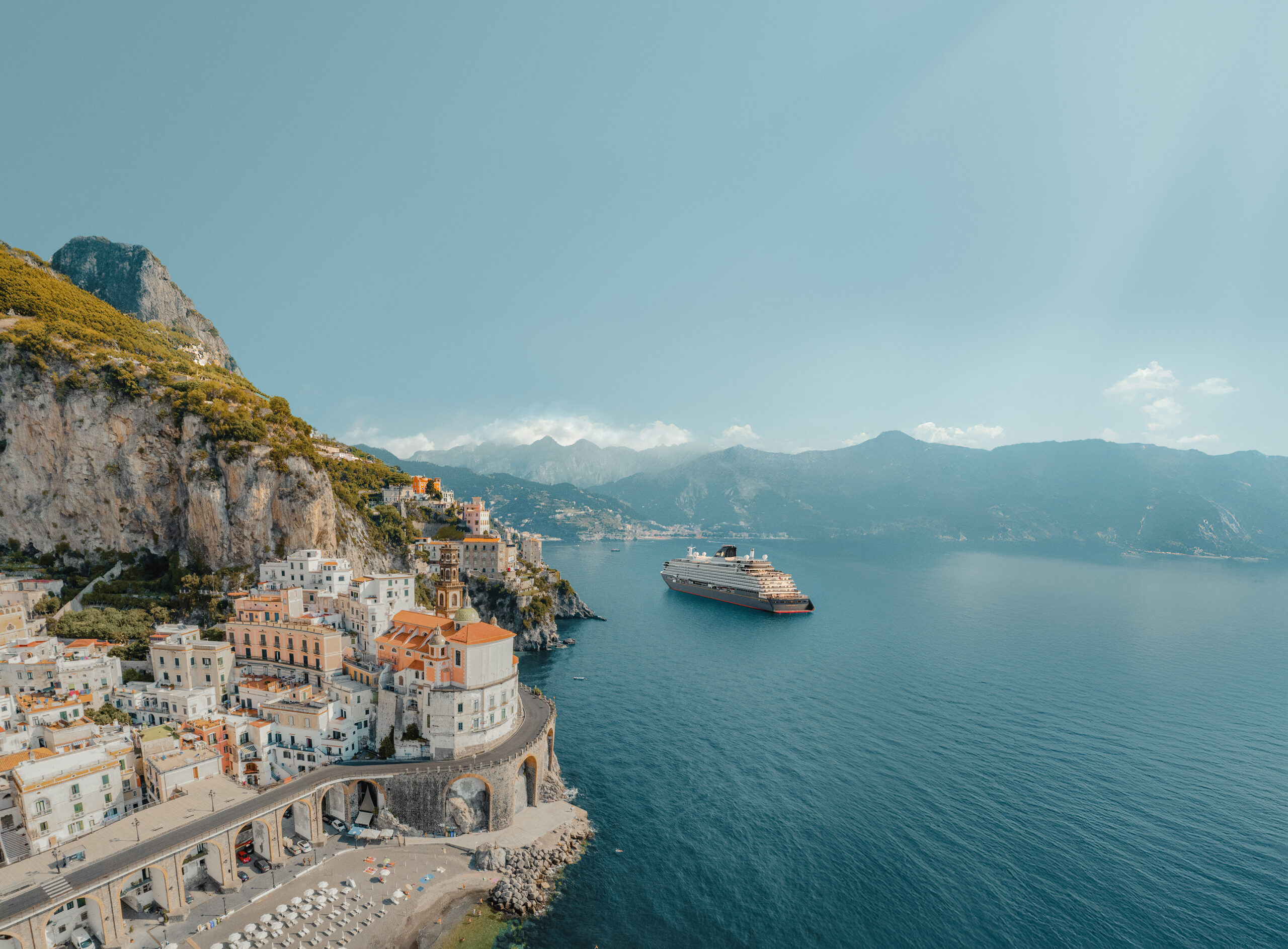
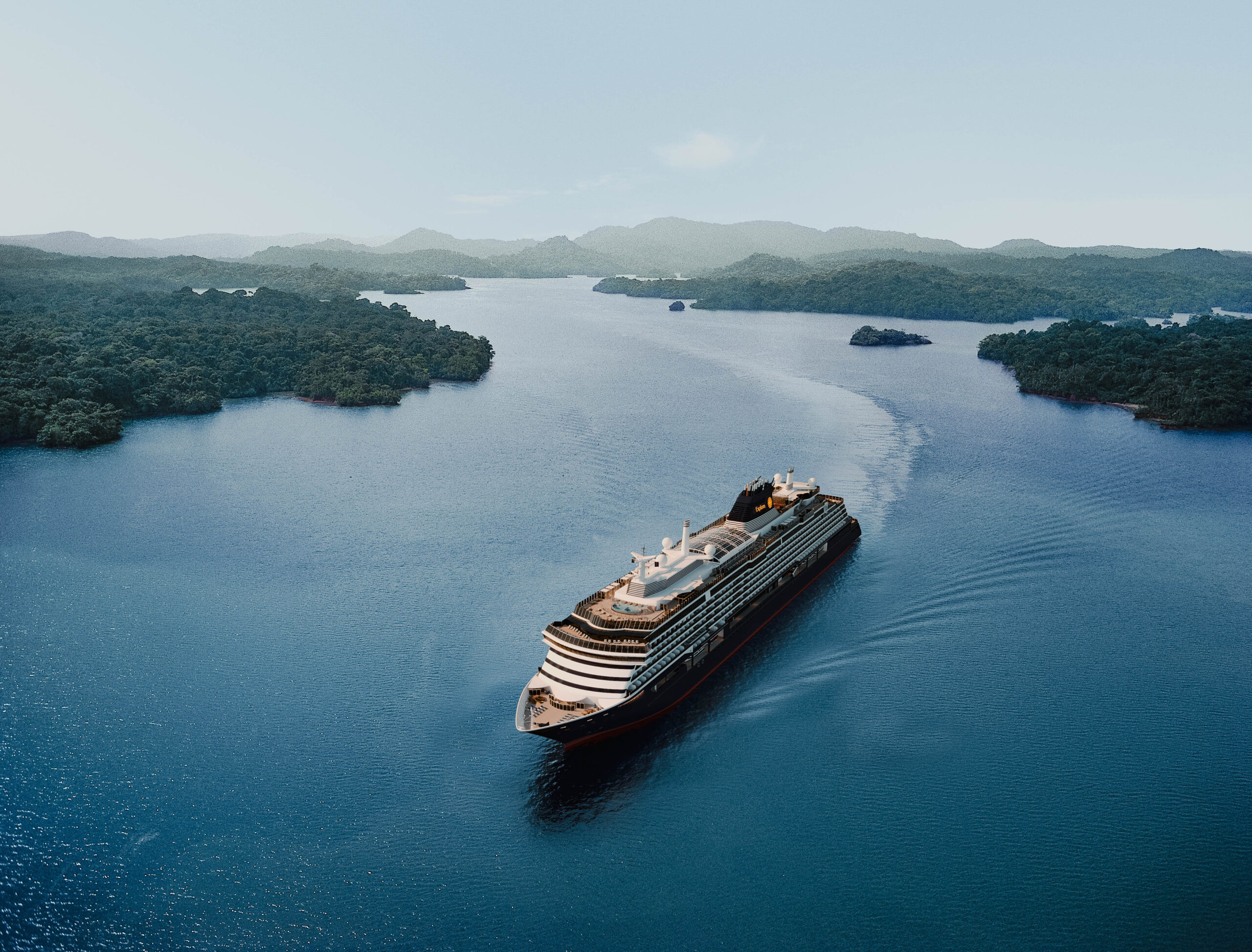
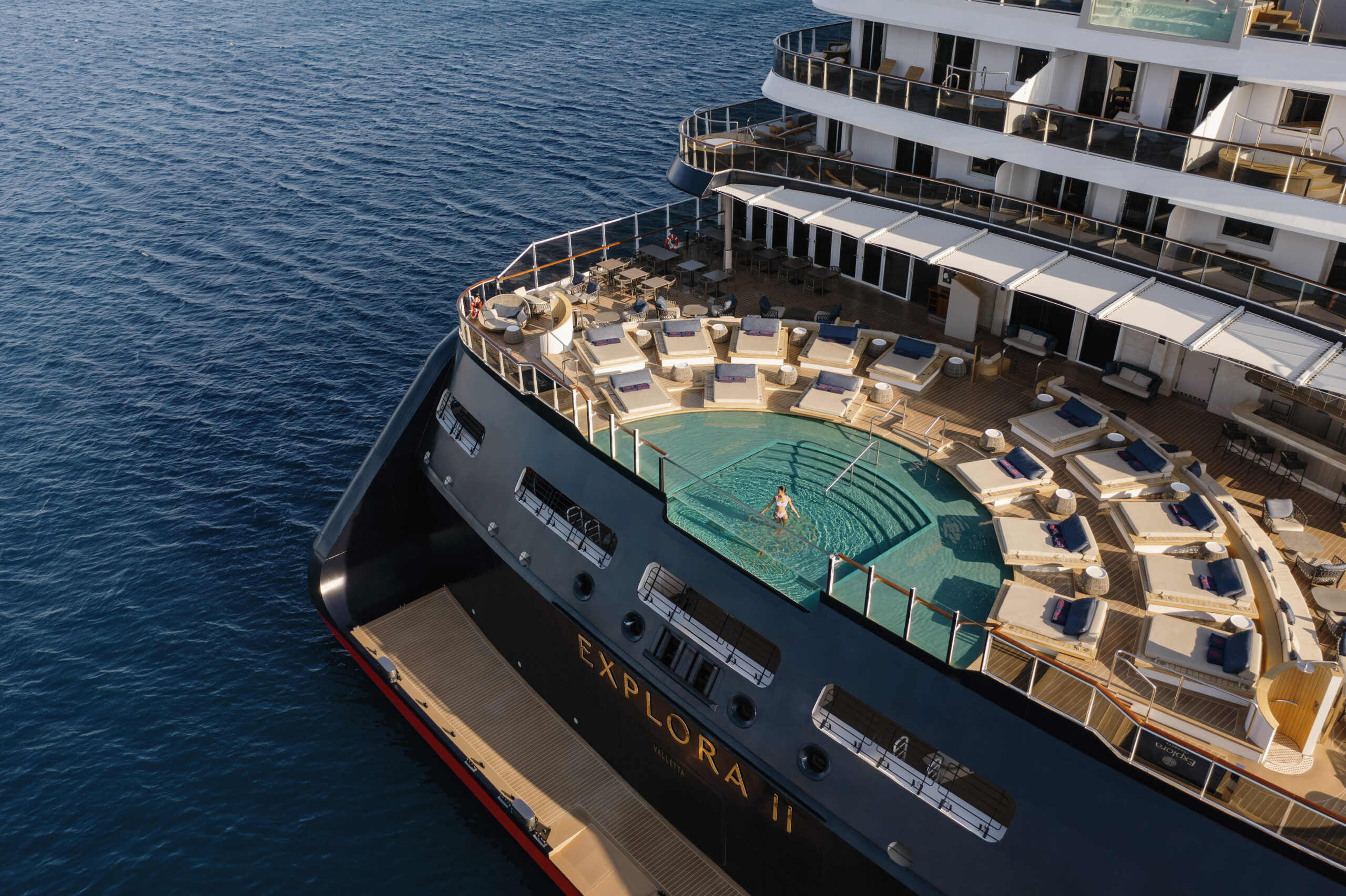
Emerald Azzurra and Sakara are the first ships in the Emerald yacht fleet, carrying just 100 lucky travellers in sleek and stylish surroundings.
Enjoy small ship cruising in style, with comfortable staterooms
and suites (most with private balcony), an à la carte restaurant,
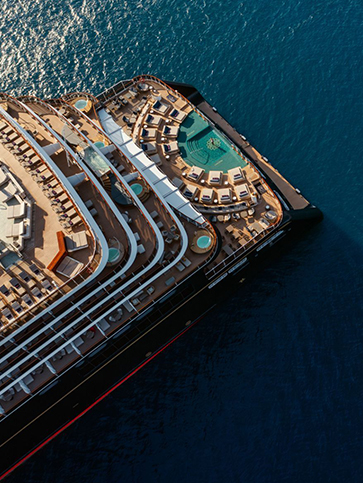
infinity-style pool, al fresco Sky Bar, wellness area and a marina
at the back of the yacht, allowing you to hop straight into the
water and have fun with a host of water toys.
Athens is a city awash with historical and cultural significance. Towering over the city are the gleaming columns of the Parthenon, surely one of the most iconic sights in the whole of Europe. And yet Athens is much more than an open air museum; this is a dynamic, bustling metropolis, and a place where history is still very much unfolding. For all its faults, the Greek capital possesses an energy and an optimism that are manifest in everything from the burgeoning art scene to the restaurants and bars that continue to pop up on a regular basis.
Delos was venerated by the Ancient Greeks as the birthplace of the gods Apollo and Artemis, and the sprawling ruins are now a UNESCO World Heritage Site. Delos sits at the centre of the Cyclades group, which take their name from the fact that they encircle the sacred island.
Glamorous Mykonos is the most popular of the Cyclades islands, well known as a haunt of the rich and the famous. It’s also the gateway to the nearby island of Delos, home to one of the most important archaeological sites in Greece.
The Turkish port of Kusadasi is the gateway to Ephesus, one of the most spectacular archaeological sites in the Eastern Mediterranean. This was the Roman capital of Asia Minor, and the remains constitute the most complete classical city in Europe.
Saint John is said to have written the Book of Revelations in a cave on Patmos, and today the spot is marked by the hillside Monastery of the Apocalypse. As well as spirituality, the island is known for its beaches and upmarket vibe, with a scattering of stylish restaurants and bars.
Kos is the second largest of the Dodecanese Islands after Rhodes, and is best known for its excellent beaches. There are plenty of cultural treasures here too: Kos Town’s harbour is guarded by an impressive castle built by the Knights of St John, and the island is scattered with Greek and Roman ruins.
The volcanic island of Santorini (known officially as Thira) is one of the most spectacularly beautiful in the Mediterranean. The pretty village of Oia, with its whitewashed houses and windmills tumbling down the hillside, is particularly photogenic.
Paros gleams with a classic Cycladic colour palette of whitewashed houses and blue-domed churches, and is famous for its ancient marble quarries, which provided the raw material for the Venus de Milo. The island is also home to some great restaurants, peaceful inland villages and lovely beaches.
Athens is a city awash with historical and cultural significance, but it's much more than an open air museum; this is a dynamic, bustling metropolis, and a place where history is still very much unfolding.
The port of Itea, situated on the Greek mainland to the west of Athens, is the gateway to the magnificent ruins of Delphi. The spectacular cliffside setting at the foot of Mount Parnassos adds to the drama of this holiest of Ancient Greek sites, home to a famous oracle in antiquity.
The port of Nydri, a favourite with the yachting crowd, is situated on the east coast of Lefkada, a beautiful and unspoilt island connected to the Greek mainland by a narrow causeway. Here you’ll find amazing beaches, peaceful olive groves and the refreshing Dimosari Waterfalls.
The pretty town of Parga sits on the Ionian coast of northwest Greece, on a sandy bay between two rocky outcrops. The pastel-coloured houses and lively seafront tavernas make this a pleasant place to spend some time, and points of historical interest include the hilltop Venetian castle.
Corfu, known as Kerkyra in Greek, is a beautiful island of verdant hills and rocky coves, and away from the more crowded resorts it remains a sleepy and idyllic place. Don’t miss the picturesque Venetian architecture of Corfu Town, a UNESCO World Heritage Site.
Sarandë is southern Albania’s premier seaside resort, and in summer the population swells with day-trippers from nearby Corfu. If the beach doesn’t appeal then visit the fascinating archaeological remains at Butrint, or take a dip in the refreshing waters of the beautiful Blue Eye Spring.
Kotor sits at the head of a beautiful, fjord-like bay, hemmed in by glowering mountains. The compact, walled old town is Montenegro’s star attraction, a warren of little alleyways and shady squares that is often described as a ‘mini Dubrovnik’.
We never fail to be moved when we see the terracotta roofs and honey-golden walls of Dubrovnik, and a stroll around the perfectly preserved old town is a highlight of any visit to the Dalmatian coast. Make sure you take the time to walk around the walls and soak up the marvellous sea views.
Croatia’s second city enjoys a dramatic setting, hugging a sweeping bay against a backdrop of sheer grey mountains. Split's labyrinthine old town is contained within the remarkable Roman ruins of Diocletian’s Palace, a UNESCO World Heritage Site, and spills out onto the buzzing seafront Riva promenade.
Located on the quieter northern stretch of Croatia’s Dalmatian coast, the walled port city of Zadar is an intriguing blend of old and new, where Roman ruins and psychedelic modern art installations sit alongside one another.
Opatija was the favourite seaside resort of the Austro-Hungarian elite during the 19th century, a legacy that lives on in the town's handsome belle époque villas. Take a stroll along the promenade, enjoy a swim in a protected bay or visit the Volosko neighbourhood, home to some excellent seafood restaurants.
Pretty little Piran grew rich thanks to the salt trade, and thrived under both the Venetian Republic and the Austro-Hungarian empire. The well-preserved old town is the highlight of Slovenia’s short stretch of coastline, set on a small peninsula jutting out into the Adriatic.
Venice is a city like no other, a marble maze of turquoise canals criss-crossed by beautiful bridges, overflowing with palaces, churches and charming little piazzas. No matter how many times you’ve seen it in photographs, that first glimpse of the Grand Canal will simply take your breath away.