From Athens (Piraeus) to Rome (Civitavecchia) · Mediterranean · 14 nights
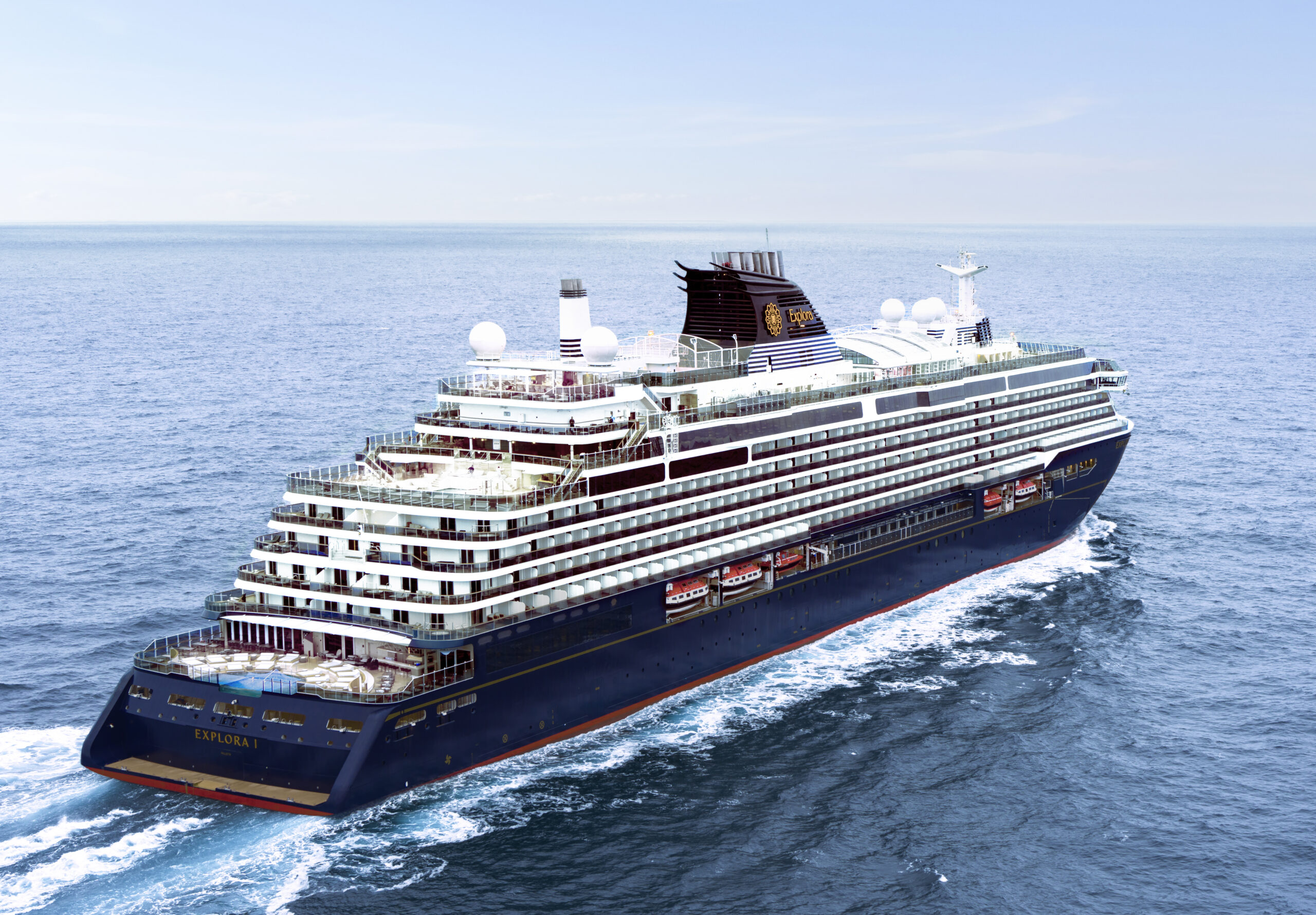
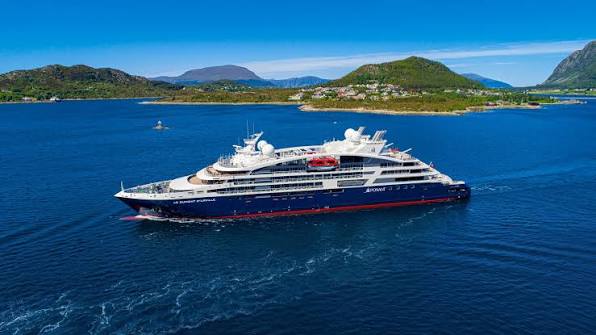
Azamara Journey, Quest, Pursuit and Onward are excellent small ships that offer a welcoming and relaxed club-like atmosphere.
Azamara’s fleet of small ships are focused on providing
destination immersion by spending as much time in port as possible
with itineraries designed to include overnight stays and late
evening departures. Enjoy more time to discover the local culture
and when back on board relax and enjoy a vibrant array of
inclusions.
Athens is a city awash with historical and cultural significance. Towering over the city are the gleaming columns of the Parthenon, surely one of the most iconic sights in the whole of Europe. And yet Athens is much more than an open air museum; this is a dynamic, bustling metropolis, and a place where history is still very much unfolding. For all its faults, the Greek capital possesses an energy and an optimism that are manifest in everything from the burgeoning art scene to the restaurants and bars that continue to pop up on a regular basis.
Syros is one of the smallest of the Cyclades islands, though it’s also the administrative capital of the archipelago. Not many cruise ships call here, so you’ll find the beaches are much less crowded than other islands, and the main town, Ermoupoli, is home to a fascinating mix of architectural styles.
Bodrum is one of the trendiest destinations on Turkey’s Aegean coast, with plenty of private yachts bobbing alongside the traditional gulet boats in the harbour. Whitewashed buildings draped in bougainvillea give the town a Greek feel, overlooked by the imposing 15th century crusader castle.
Crete’s bustling capital is a modern and cosmopolitan city, where the island’s rich history isn’t immediately apparent. Take a closer look, however, and you’ll find a fantastic archaeological museum, along with remnants of Venetian fortifications and a lively seafront promenade, with plenty of nice outdoor cafés.
Alexandria was one of the great cities of antiquity, founded by Alexander the Great in 331 BC and home to the Pharos lighthouse, one of the original Seven Wonders of the World. The Pharos is long gone and the city has lost some of its lustre, but there are still plenty of reminders of Alexandria’s glorious past scattered around.
Malta’s tiny capital, established by the Knights of St John, packs in an awful lot of history considering its diminutive size. The atmospheric old streets, bathed in Mediterranean sunshine, are full of attractive honey-golden buildings, along with an impressive selection of bars and restaurants.
Founded by Greek colonists in 734 BC, Siracusa was once the largest city in the ancient world, surpassing even Athens in its splendour. Highlights include the island of Ortigia, where narrow streets are lined by beautiful Baroque architecture, and the impressive ruins at the Parco Archeologico della Neapolis on the Sicilian mainland.
Busy, noisy and a little bit scruffy, Catania is Sicily’s second city, poised perilously in the shadow of Mount Etna. In recent years gentrification has taken hold, and the city’s many beautiful palazzi and baroque churches have been restored to their former glory. Eating out here is also a real treat.
Salerno is the capital of the Campania region, an attractive city at the eastern end of the Amalfi Coast. The historic centre and beautiful seafront promenade are well worth exploring, and the ruins at nearby Paestum make for an interesting day trip.
One of the world’s great cities, Rome continues to dazzle and delight visitors with a potent mix of architectural marvels, continent-defining history and buzzing nightlife. The Colosseum, the Vatican and the Forum are among the big ticket items, with the crowds to match, though in truth you will find history around almost every corner.