From Nuuk to Reykjavik · Northern Europe · 15 nights
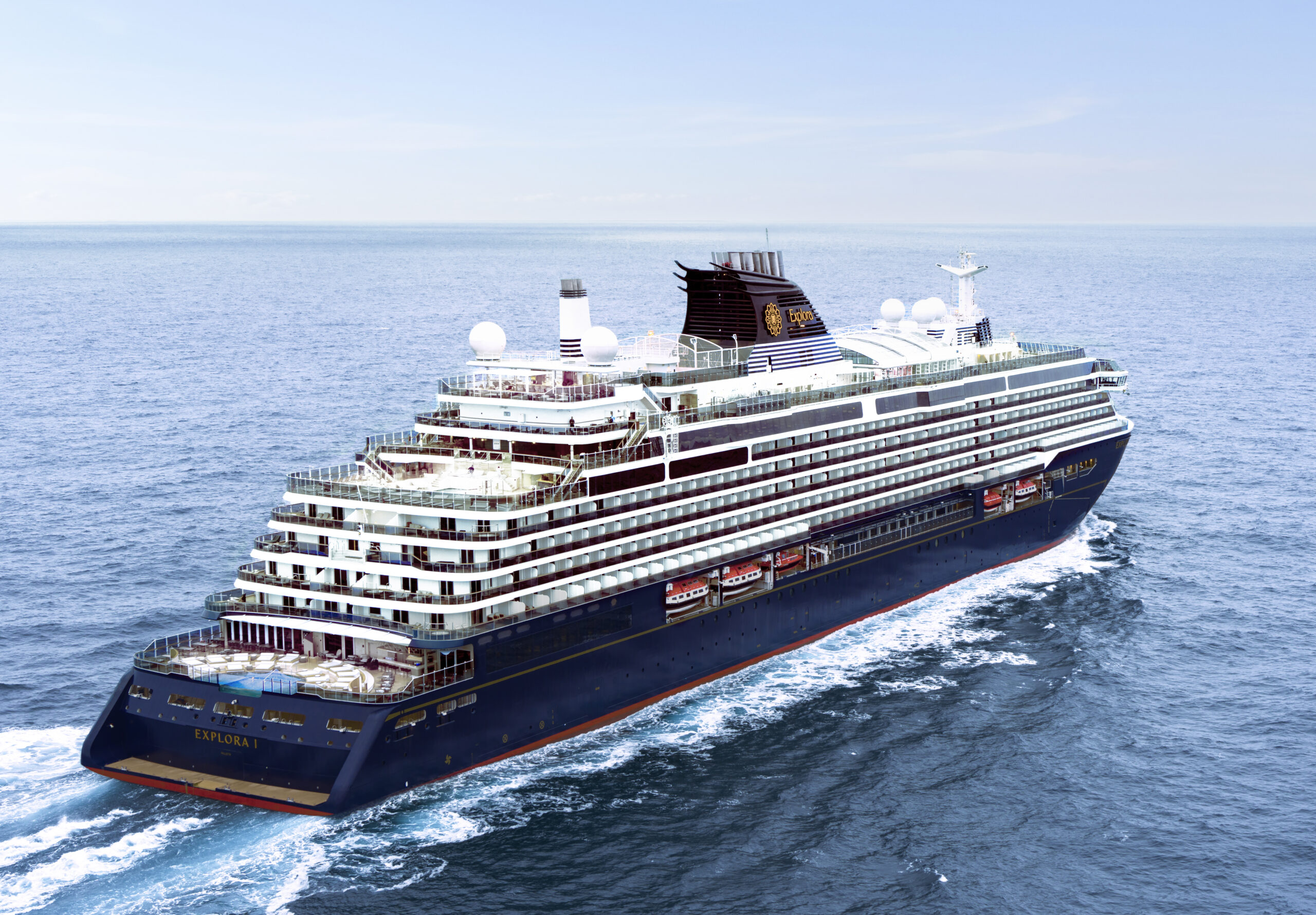
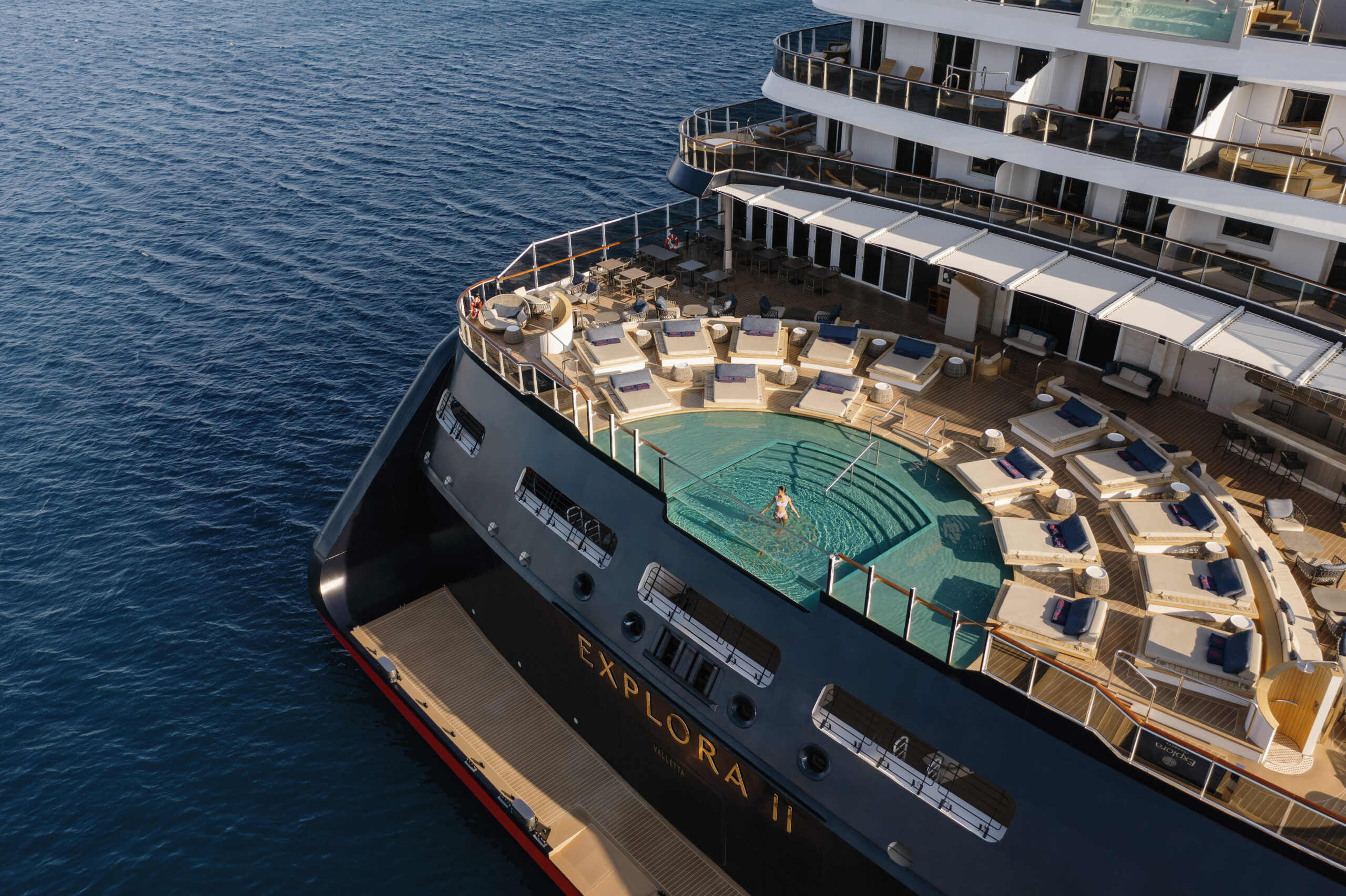
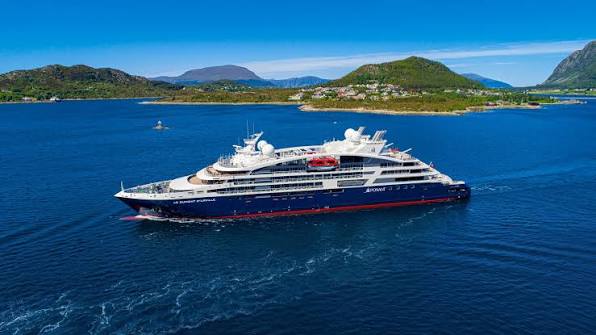
The world’s first electric hybrid polar expedition ship, Le Commandant Charcot may be the most exciting addition yet to the Ponant fleet.
Jean-Baptiste Charcot was a true polar pioneer, and Ponant’s
icebreaker explores the parts of the Arctic and Antarctica that
other expedition vessels can’t reach. On board you can expect
Ponant’s customary French flair, and the ship is also designed to
have a minimal effect on the environment, with technological
innovations such as hybrid propulsion and an advanced waste water
treatment system.
Greenland's capital and largest town, Nuuk is positively cosmopolitan compared to the rest of this remote and isolated country. The setting amongst mountains and fjords is striking, and attractions include the Greenland National Museum and the picturesque Old Harbour.
Disko Bay is one of Greenland’s most spectacular sights, where calving glaciers send huge icebergs floating out across the water. These bergs can be several kilometres in length, and are sculpted into weird and wonderful shapes by the weather. Whatever you do, don’t forget your camera!
The name Sisimiut means ‘the people living in a place where there are fox dens’, though these days the town is better known for being Greenland’s northernmost year-round ice-free port. Around 25 miles north of the Arctic Circle, it’s a common stop for ships making the journey north to Disko Bay.
Qaqortoq is southern Greenland’s largest town, though with just 3,000 inhabitants it’s hardly crowded. A trip to the nearby hot springs at Uunartoq is recommended; relaxing in the 38°C water and watching icebergs drift across the bay is quite something.
The island of Uunartoq is famous for its hot springs, the only place in Greenland where the water is warm enough to bathe in. Norsemen are believed to have first discovered the steaming pools a thousand years ago, and the setting is spectacular, surrounded by mountains and icebergs drifting through the fjords.
The tiny village of Aappilattoq enjoys a spectacular setting on Prince Christian Sound in southern Greenland, its colourful houses arranged at the foot of a steep mountain. This isolated community is home to around 120 people, who make their living by hunting or fishing.
The spectacular Prince Christian Sound provides a protected passage for ships rounding the southern tip of Greenland, at times narrowing to just 1,500 feet across. Waterfalls cascade down the rugged mountain sides, and you can often spot whales and seals amongst the icebergs.
The Sermilik Fjord is the largest in southeastern Greenland, its waters fed by several glaciers which calve icebergs into the sea. The region was first mapped by the Danish explorer Gustav Holm in 1884, and nowadays Sermilik is home to a Danish research station which monitors the glaciers and the local climate.
Tasiilaq is the largest town on Greenland’s sparsely populated east coast, and is home to around 2,000 hardy souls. Walking around town you’ll see dog sleds and kayaks made from animal hides, while the surrounding landscape is home to glaciers, caves and wildlife including seals and dolphins.
Capital of Iceland and gateway to this extraordinary volcanic island, modern Reykjavík is home to an impressive collection of interesting attractions and places of historic significance. Visit the impressive Hallgrímskirkja church, relax in a thermal pool, potter around the old harbour, and enjoy 24 hour daylight in the summer months.