From Bridgetown to Puerto Caldera · South America & Antarctica · 18 nights
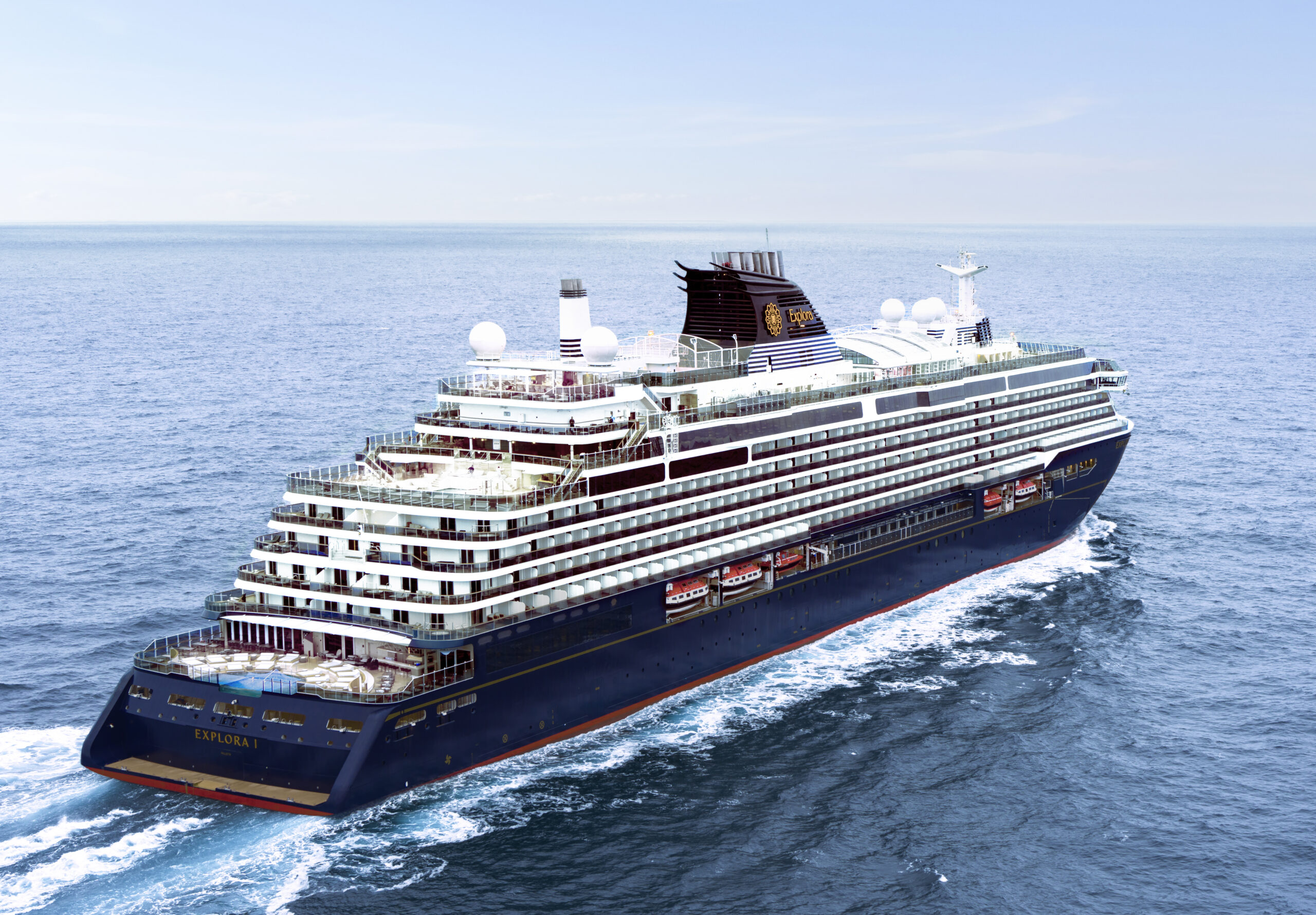
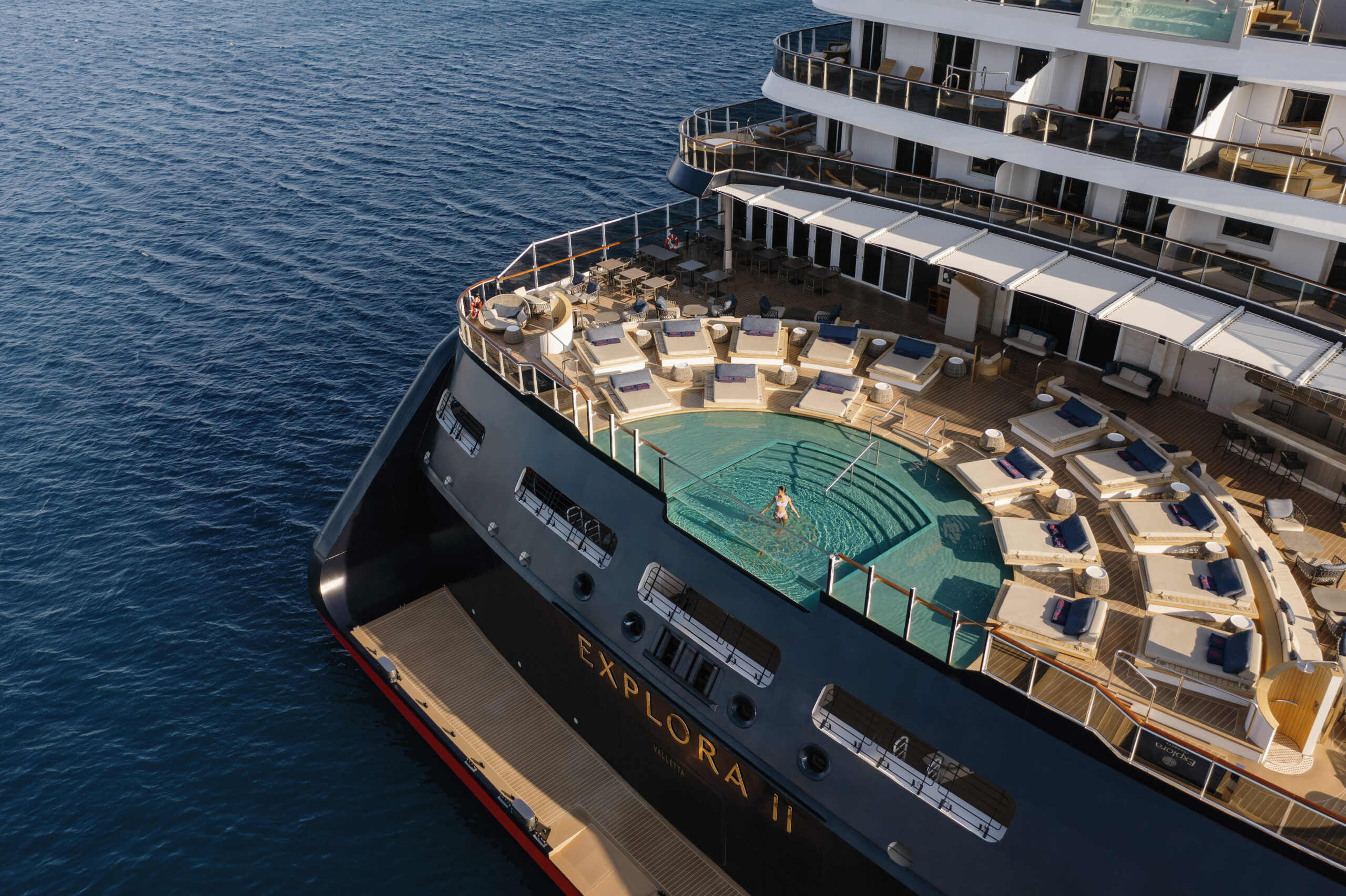
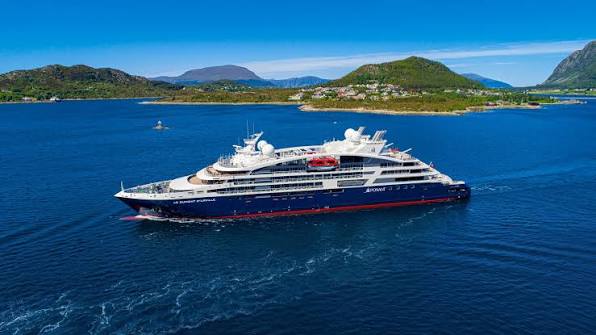
Emerald Azzurra and Sakara are the first ships in the Emerald yacht fleet, carrying just 100 lucky travellers in sleek and stylish surroundings.
Enjoy small ship cruising in style, with comfortable staterooms
and suites (most with private balcony), an à la carte restaurant,
infinity-style pool, al fresco Sky Bar, wellness area and a marina
at the back of the yacht, allowing you to hop straight into the
water and have fun with a host of water toys.
The tiny eastern Caribbean island of Barbados has long been a favourite for British holiday makers, thanks in no small part to the platinum sands and warm, crystal clear waters of the west coast. But there's more to Barbados than just beaches; the delightful architecture of the old garrison in Bridgetown, the capital, is fully deserving of its UNESCO World Heritage status, and the island interior is littered with old sugar plantations and natural wonders such as Harrison's Cave. Perhaps the island's biggest asset, however, is the Bajans themselves, who are some of the friendliest people you're ever likely to meet.
Bequia is an incredibly friendly, laid-back island blessed with pristine golden sand beaches and some excellent restaurants. It’s also a popular sailing destination; the yachts tend to congregate around Admiralty Bay, where you’ll find the little waterfront town of Port Elizabeth.
Situated just to the west of the Tobago Cays, Mayreau is a tiny, barely inhabited island that can only be reached by boat. There is very little to do, which is the main attraction for those lucky few who wash up here; the palm-fringed beaches and gently lapping waters are the Caribbean island idyll par excellence.
The quiet, cactus-covered Dutch Caribbean island of Bonaire is internationally renowned for its diving, ringed by spectacular coral reefs that teem with life. The capital, Kralendijk, is home to some pretty colonial architecture, and the island is also known for its flamingos and pink sand beaches.
The gabled houses of Willemstad lend an undeniably Dutch feel to the capital of little Curaçao, with a splash of Caribbean colour thrown in. The island itself is not your typical lush tropical paradise - the landscape is characterised instead by thorny shrubs and cacti - but there are some fantastic beaches and quaint little villages.
The tiny Dutch Caribbean island of Aruba, located just off the coast of Venezuela, lies outside of the hurricane belt, meaning it enjoys a largely dry climate, and boasts some of the best beaches in the region, if not the world.
Situated on Colombia’s Caribbean coast, Santa Marta is the oldest surviving Spanish colonial city in South America. The modern city lacks some of the charm of nearby Cartagena, but tourism has come on leaps and bounds in recent years, with a number of ambitious regeneration projects and a host of new restaurants and bars.
Cartagena was founded by Spanish conquistadors in 1533, and the beautifully preserved centre is a real highlight of Colombia’s Caribbean coast. The walled old town, the Ciudad Amurallada, is a camera-friendly collection of cobbled streets and colourful, colonial-era buildings.
Situated just off the coast of Panama, the idyllic San Blas islands are home to the Kuna Indians, who enjoy political autonomy from the mainland and have an unusual degree of control over tourism to their homeland. Visiting these simple island communities is a privilege, and an insight into an indigenous way of life unsullied by mass tourism.
The port of Fuerte Amador sits at the southern edge of Panama City, near the Pacific entrance to the Panama Canal. The shining skyscrapers of the Panamanian capital are a testament to the city’s status as a key financial centre, while the tiny Casco Viejo is home to pretty colonial streets, hip hotels and happening bars.
The Pearl Islands archipelago is made up of more than 200 islands and islets off Panama’s Pacific coast, most of which are uninhabited and rich in bird and marine life. It’s a great place to go snorkelling or scuba diving, and whale watching tours operate between July and October.
The Darién Gap is the only break in the Pan-American Highway that runs from Alaska to Tierra del Fuego, a wild and untamed region of thick jungle. Although the region has a reputation for lawlessness, tourism is making inroads thanks to the jungle’s staggering biodiversity and the fascinating culture of the indigenous Emberá people.
The little town of Quepos is the gateway to Manuel Antonio National Park, a nature-lover’s paradise that’s home to monkeys, iguanas and the reclusive three-toed sloth. The area around Quepos also boasts some of the best beaches in Costa Rica, and the town itself has some nice restaurants.
Tortuga Island is actually made up of two separate islands just off the coast of the Nicoya Peninsula, both uninhabited and both absolutely stunning. Enjoy swimming and snorkelling in the clear, coral-rich waters, or relax on pristine white sand beaches.
Puerto Caldera is a major port on Costa Rica’s Pacific coast, about an hour and a half from the capital, San José. Nearby attractions include the beach town of Puntarenas, the fantastic wildlife of the Carara Biological Reserve and Tortuga Island, a beautiful spot for snorkelling.