From Dubrovnik to Athens (Piraeus) · Mediterranean · 14 nights
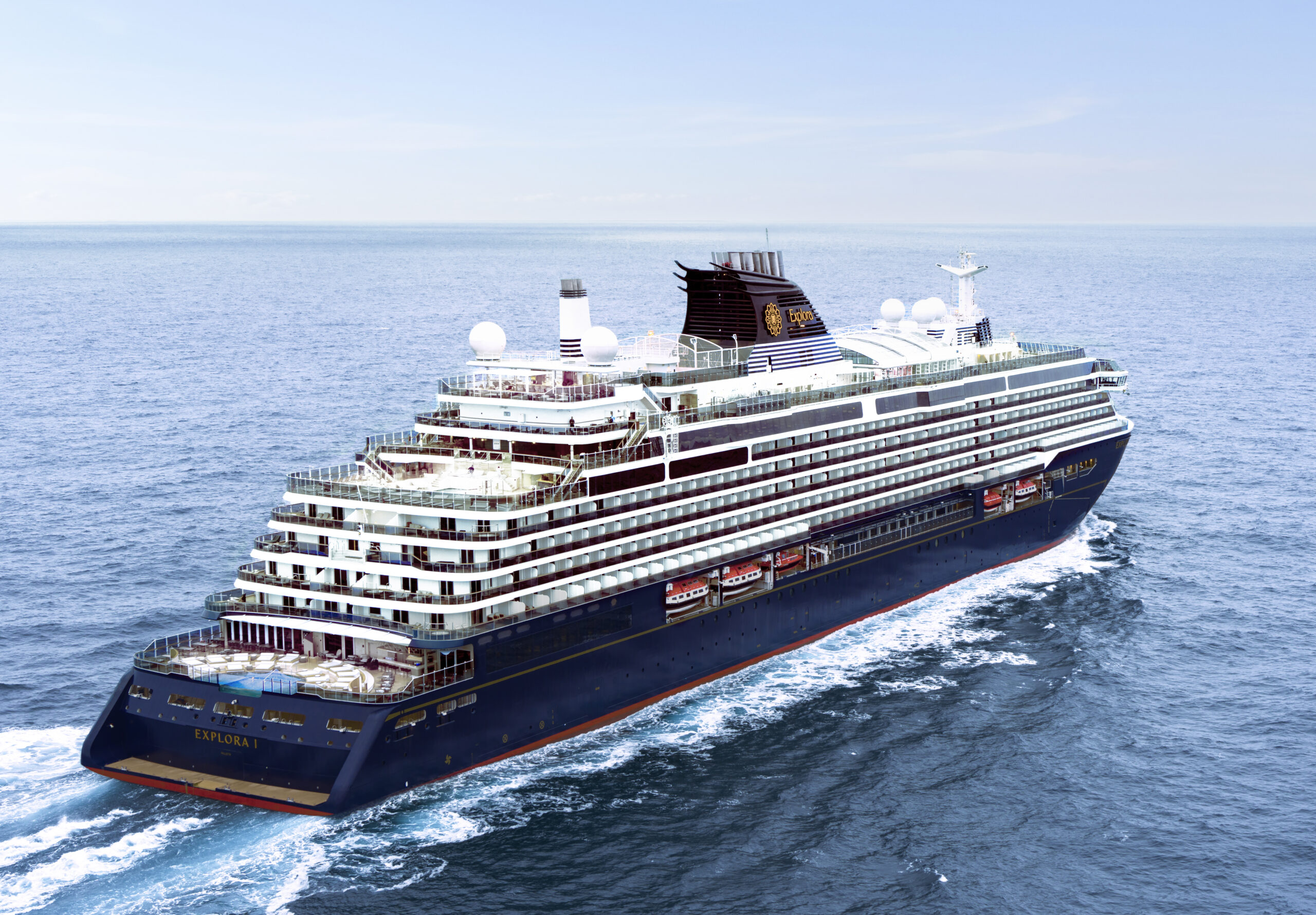
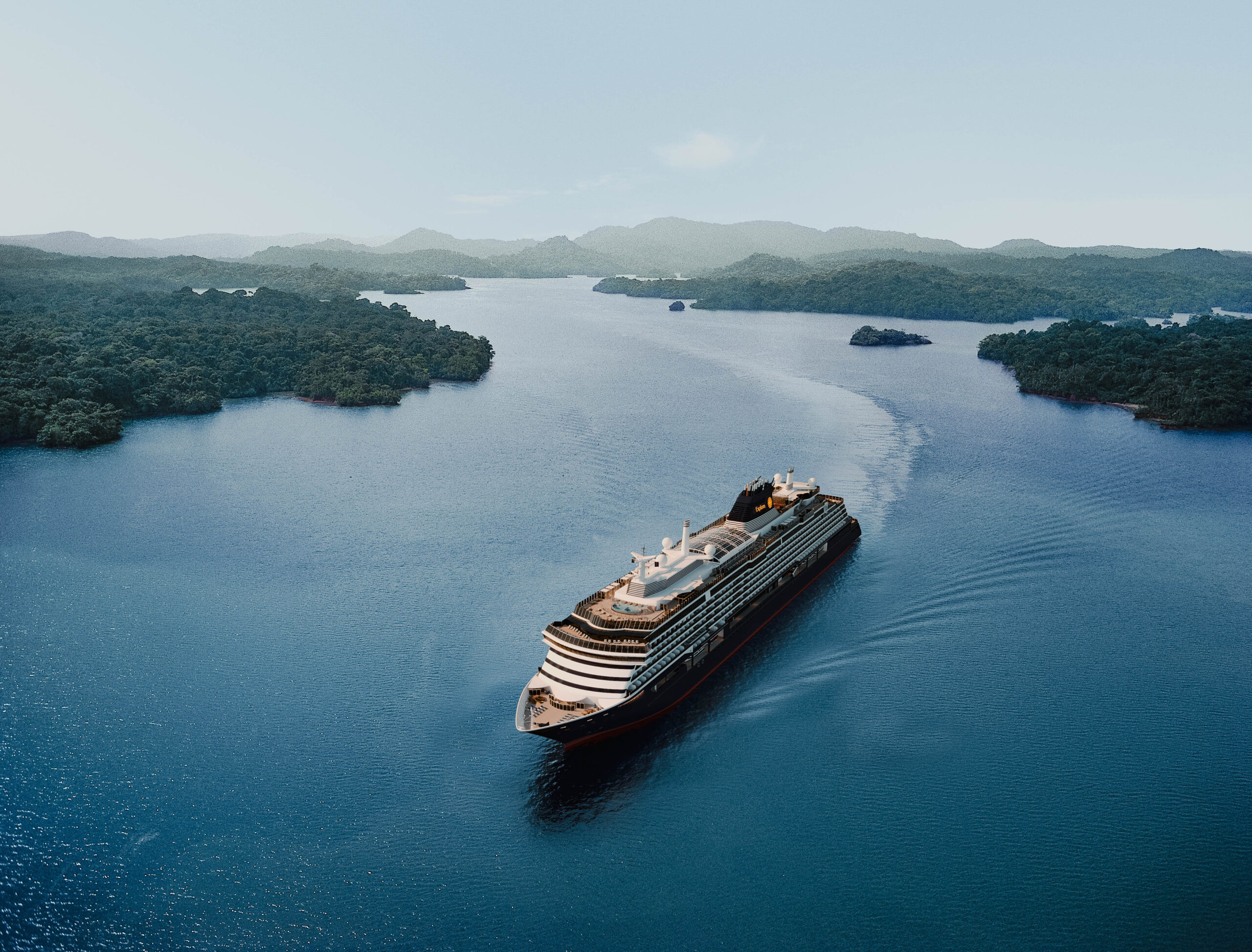
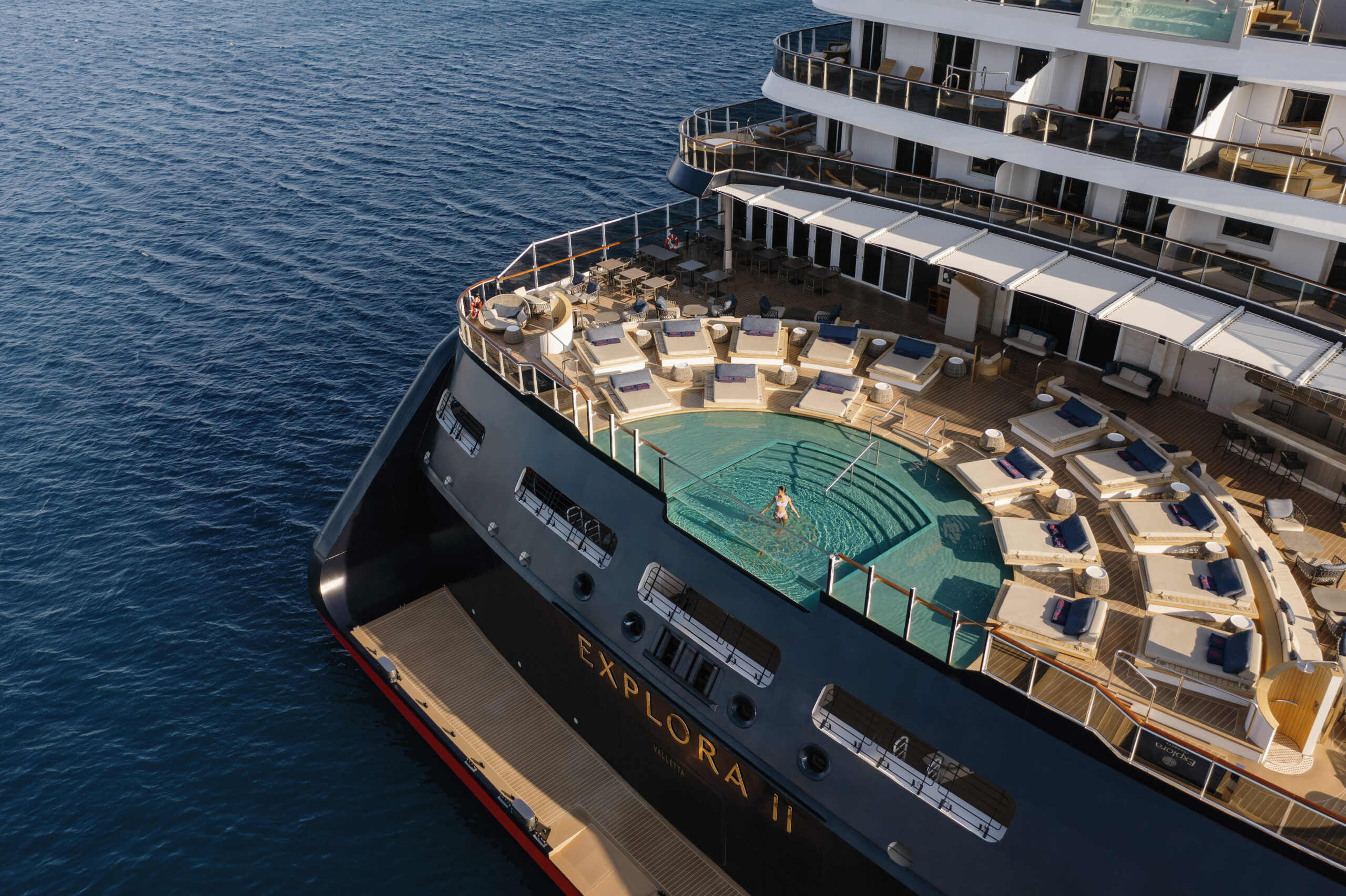
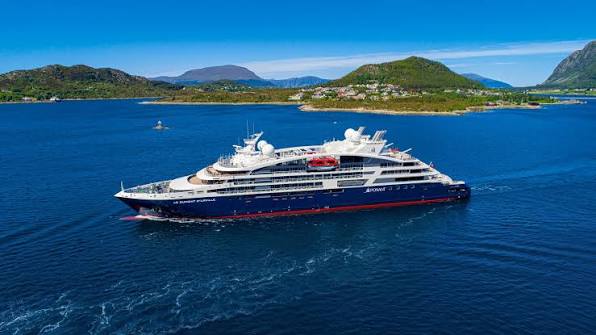
Following Emerald Kaia in 2026, Emerald is welcoming two new superyachts – Emerald Raiya and Emerald Xara.
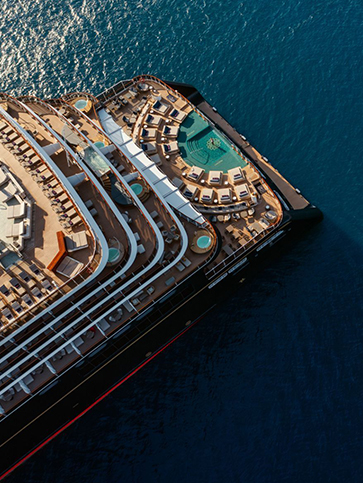
Accommodating up to 128 guests, both ships will reflect the same
sleek design as Emerald Kaia, offering a yacht-like feel, spa and
wellness-focused facilities and immersive itineraries. Emerald
Raiya will make her debut in the Seychelles from December 2026,
before making her way to the East Mediterranean in April 2027.
Emerald Xara will first cruise the Mediterranean from April 2027,
before crossing the Atlantic to the Caribbean from October 2027 –
March 2028.
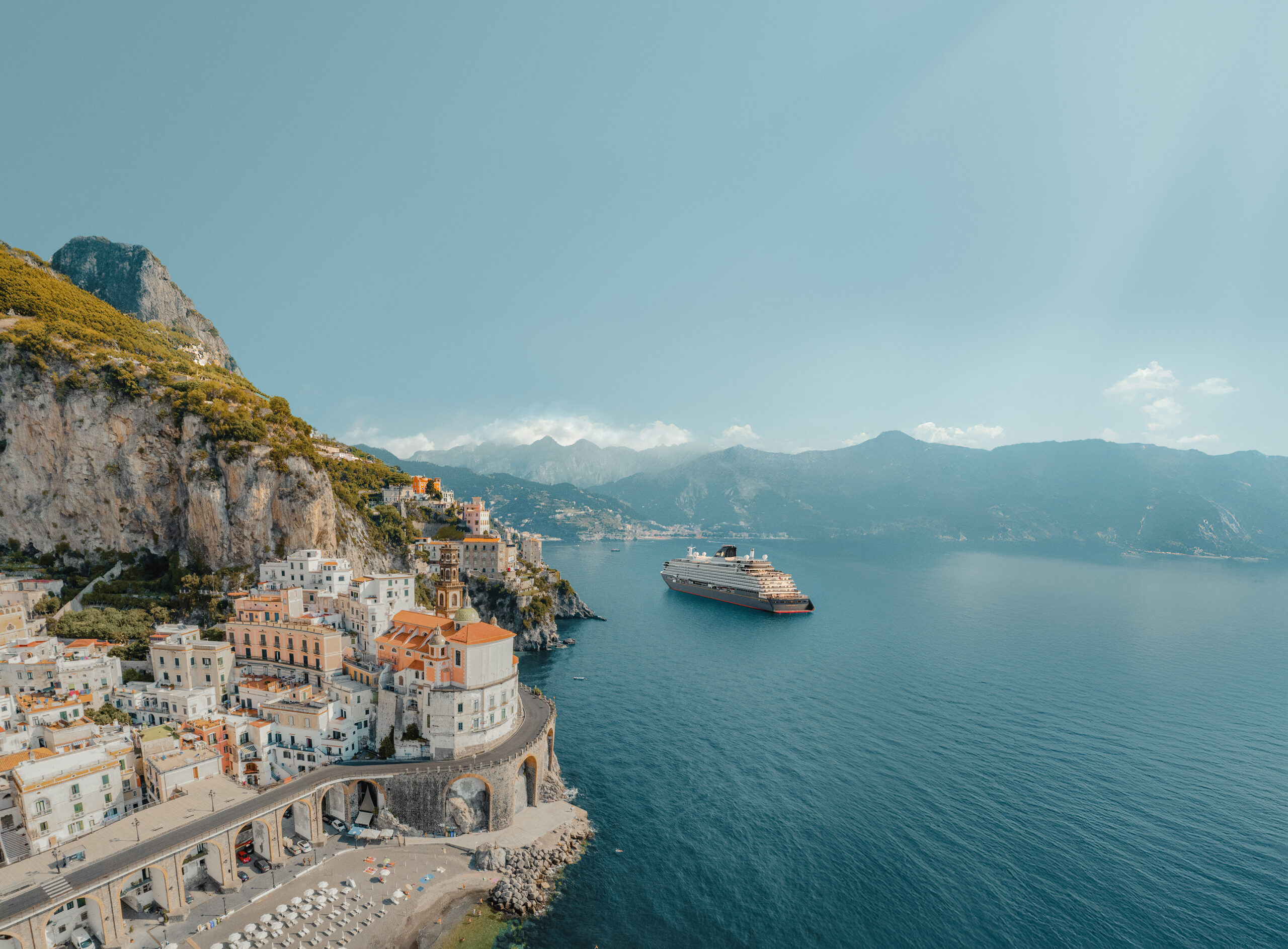
We never fail to be moved when we see the terracotta roofs and honey-golden walls of Dubrovnik, and a stroll around the perfectly preserved old town is a highlight of any visit to the Dalmatian coast. Formerly known as Ragusa, Dubrovnik is a city with a rich, and occasionally troubled, history; the shelling of the city was one of the most shocking images of the Balkan wars of the 1990s, which makes the painstaking restoration of the old town in the years since all the more remarkable. Make sure you take the time to walk around the walls and soak up the views across the rooftops towards Lokrum island, and the deep sapphire of the Adriatic Sea beyond.
Kotor sits at the head of a beautiful, fjord-like bay, hemmed in by glowering mountains. The compact, walled old town is Montenegro’s star attraction, a warren of little alleyways and shady squares that is often described as a ‘mini Dubrovnik’.
Sarandë is southern Albania’s premier seaside resort, and in summer the population swells with day-trippers from nearby Corfu. If the beach doesn’t appeal then visit the fascinating archaeological remains at Butrint, or take a dip in the refreshing waters of the beautiful Blue Eye Spring.
Corfu, known as Kerkyra in Greek, is a beautiful island of verdant hills and rocky coves, and away from the more crowded resorts it remains a sleepy and idyllic place. Don’t miss the picturesque Venetian architecture of Corfu Town, a UNESCO World Heritage Site.
The pretty town of Parga sits on the Ionian coast of northwest Greece, on a sandy bay between two rocky outcrops. The pastel-coloured houses and lively seafront tavernas make this a pleasant place to spend some time, and points of historical interest include the hilltop Venetian castle.
The port of Nydri, a favourite with the yachting crowd, is situated on the east coast of Lefkada, a beautiful and unspoilt island connected to the Greek mainland by a narrow causeway. Here you’ll find amazing beaches, peaceful olive groves and the refreshing Dimosari Waterfalls.
The port of Itea, situated on the Greek mainland to the west of Athens, is the gateway to the magnificent ruins of Delphi. The spectacular cliffside setting at the foot of Mount Parnassos adds to the drama of this holiest of Ancient Greek sites, home to a famous oracle in antiquity.
Athens is a city awash with historical and cultural significance, but it's much more than an open air museum; this is a dynamic, bustling metropolis, and a place where history is still very much unfolding.
Delos was venerated by the Ancient Greeks as the birthplace of the gods Apollo and Artemis, and the sprawling ruins are now a UNESCO World Heritage Site. Delos sits at the centre of the Cyclades group, which take their name from the fact that they encircle the sacred island.
Glamorous Mykonos is the most popular of the Cyclades islands, well known as a haunt of the rich and the famous. It’s also the gateway to the nearby island of Delos, home to one of the most important archaeological sites in Greece.
Bodrum is one of the trendiest destinations on Turkey’s Aegean coast, with plenty of private yachts bobbing alongside the traditional gulet boats in the harbour. Whitewashed buildings draped in bougainvillea give the town a Greek feel, overlooked by the imposing 15th century crusader castle.
Sun-kissed Rhodes, the largest of the Dodecanese islands, is steeped in history; the medieval heart of Rhodes Town was once home to the crusading Knights of St John, and later fell to the Ottoman sultan Suleiman the Magnificent. The hillside village of Lindos, with its pretty whitewashed houses, is another highlight.
The volcanic island of Santorini (known officially as Thira) is one of the most spectacularly beautiful in the Mediterranean. The pretty village of Oia, with its whitewashed houses and windmills tumbling down the hillside, is particularly photogenic.
Chania, Crete’s second city, is an alluring blend of architectural styles. The jumble of streets that make up the Venetian old town are remarkably intact, and there are plenty of reminders too of the two centuries of Ottoman rule, such as the imposing harbourfront Mosque of the Janissaries.
Hydra is unique amongst the Greek islands, blissfully free of motorised traffic; transport here is by donkey, water taxi or on foot. The island has attracted many artists, musicians and actors over the years, but retains a rustic and tranquil atmosphere.
Athens is a city awash with historical and cultural significance, but it's much more than an open air museum; this is a dynamic, bustling metropolis, and a place where history is still very much unfolding.