
From Giurgiu to Nuremberg · Europe (River) · 15 nights
From Giurgiu to Nuremberg
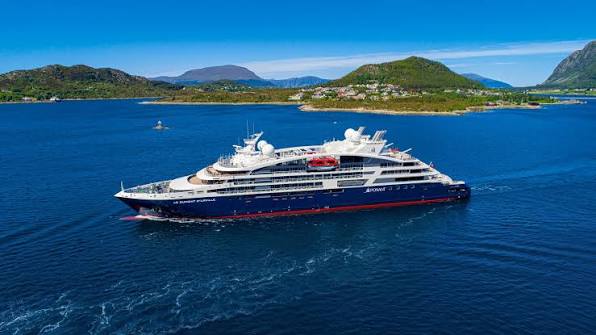
These identical ‘Rhine Class’ vessels offer a welcoming range of lounges and facilities, with spacious and beautifully decorated suites.
The Riverside Luxury Cruises experience is defined by comfort,
space, fine cuisine and service and these ships have all of these
hallmarks and so much more. Contemporary, light-filled suites shine
and allow for an unforgettable and refined luxury river cruise.
The river port of Giurgiu is situated just across the Danube from the Bulgarian city of Ruse, and the two cities are linked by a cross-border Friendship Bridge. You're unlikely to spend much time in Giurgiu itself, but the port is the start and end point for river cruises on the lower Danube, and is linked by road and rail to Romania's capital, Bucharest.
The Bulgarian city of Ruse (also written ‘Rousse’) sits on the right bank of the Danube just opposite the Romanian city of Giurgiu, and is one of the country’s most attractive cities. Sometimes known as ‘Little Vienna’, thanks to the plethora of Neo-Baroque and Neo-Rococo architecture, it’s a highlight of any cruise along this stretch of the Danube.
The riverside town of Vidin is situated in the north west corner of Bulgaria, close to the border with Romania and Serbia. The architectural highlight is the magnificently well preserved Baba Vida fortress, and the town is also home to a mosque, a synagogue and several churches.
Belgrade has been invaded and occupied dozens of times over the centuries, a fact that's reflected in the mish-mash of architectural styles, from Ottoman and Art Nouveau to grim relics of the communist era. But Belgrade is also a city with real soul, emerging from a difficult recent history as one of Europe’s most exciting capitals.
Vukovar is one of the great tragedies of the Balkan wars, a once prosperous and elegant city reduced to rubble by fierce fighting between Croats and Serbs. There are green shoots of optimism as the city rebuilds, but the battle-scarred streets are a powerful reminder of the devastating conflicts of the 1990s.
Kalocsa is known for its paprika, the ‘red gold’, used to flavour Hungary’s national dish, goulash. Look out for garlands of paprika hanging from the walls of local houses. The town is also famous for its beautiful embroidery, and excursions may take you out into the grassy steppe of the Puszta region.
Budapest is one of Eastern Europe’s most appealing cities, a vibrant and welcoming capital that straddles the Danube. The history of Budapest has been somewhat turbulent, but plenty of beautiful buildings survive, including the imposing Parliament and iconic St Stephen’s Basilica.
Bratislava, Slovakia’s quaint little capital, straddles the Danube close to the border with Austria and Hungary. The compact old town is the best place to begin your exploration, before heading up to the hilltop castle for commanding views of the city and surrounding countryside.
Formerly the centre of the Habsburg Empire, Vienna is as grand a European capital as you can imagine, jam packed full of thrusting, bombastic buildings that stand as a reminder of Austria’s glorious imperial heyday.
One of the prettiest towns in Austria’s Wachau Valley, little Dürnstein charms visitors with its handsome 16th century architecture. Richard the Lionheart was once imprisoned in the castle that sits on the hillside above the town, and the region is also famous for its wine.
The riverside village of Melk is best known for its spectacular abbey, a Baroque masterpiece that dominates the landscape. A Benedictine abbey was first established here in 1089, and the 18th century reconstruction that you can see today is still a working monastery.
The pretty Bavarian town of Passau, situated close to Germany’s border with Austria, enjoys a unique setting at the confluence of three rivers: the Inn, the Ilz and the Danube. The narrow cobbled streets of the handsome old town, the Altstadt, are quite delightful.
Originally founded by the Celts and later an important Roman settlement, Regensburg is one of Bavaria’s lesser known gems. Situated on the northernmost bend of the Danube, it’s a friendly and laid back city, with an exceptionally well preserved medieval centre.
Kelheim is situated at the confluence of the Danube and Altmühl rivers, near the southern end of the Main-Danube Canal. Sights include the Weltenburger Kloster, the oldest monastery brewery in the world, and the impressive Liberation Hall, which commemorates German victories over Napoleon during the 19th century.
Nuremberg, Bavaria’s second city, first pops up in the history books in 1050 as a stronghold of the Franks, and later became the unofficial capital of the Holy Roman Empire. Nowadays the city is a tourist magnet thanks to the beautifully restored old town, Christmas markets and excellent beer.