From Dubrovnik to Athens (Piraeus) · Mediterranean · 12 nights
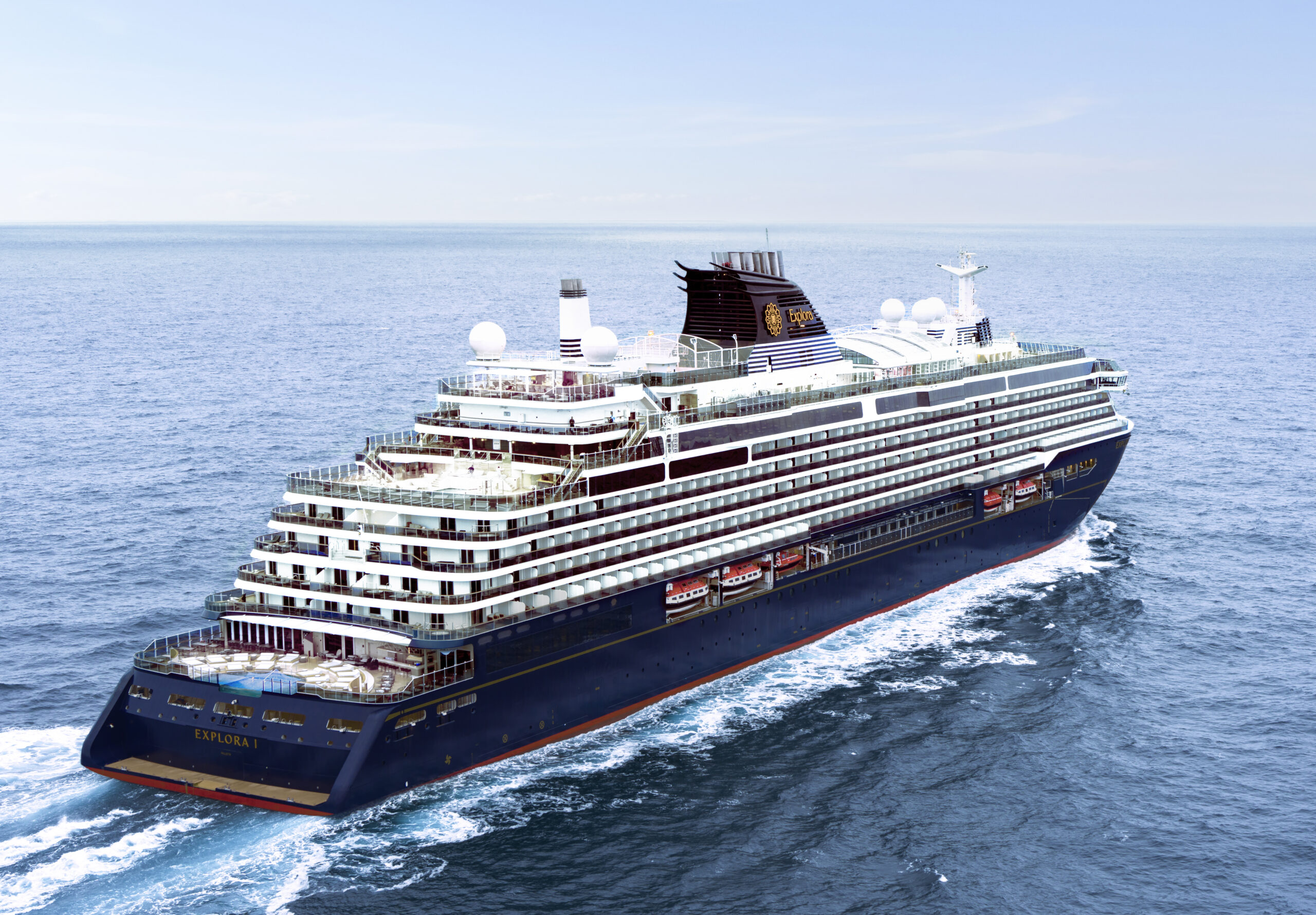
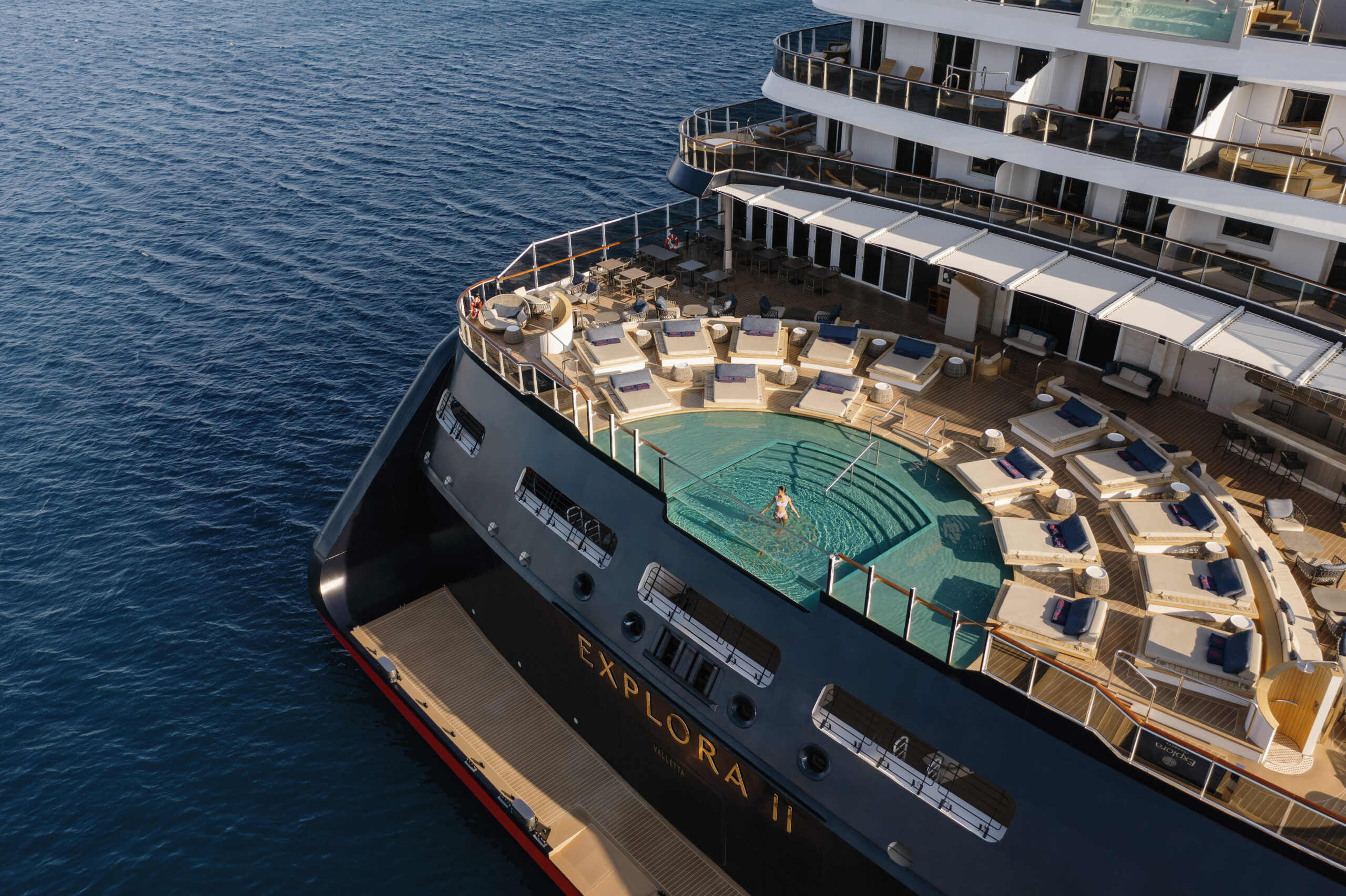
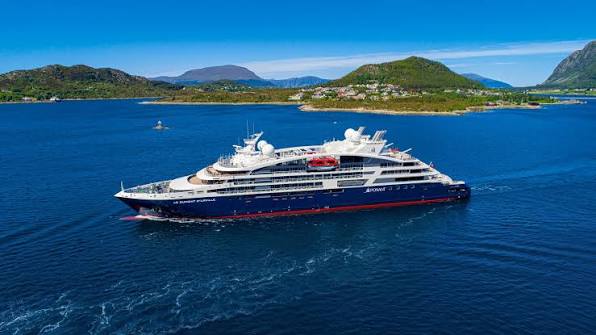
Widely acclaimed as the best ship in the world, Europa 2’s stylish Nordic décor, fantastic accommodation and great dining options make her a great choice
Europa 2 really is a ship with a difference, and you feel it
from the moment you step on board. Her beautiful light-flooded
interiors are fresh and inviting, and the feeling of space created
by innovative design is vastly refreshing. This dedication to
design is not, incidentally, confined to public areas: the elegant
suites themselves are a wonderful place to stay.
We never fail to be moved when we see the terracotta roofs and honey-golden walls of Dubrovnik, and a stroll around the perfectly preserved old town is a highlight of any visit to the Dalmatian coast. Formerly known as Ragusa, Dubrovnik is a city with a rich, and occasionally troubled, history; the shelling of the city was one of the most shocking images of the Balkan wars of the 1990s, which makes the painstaking restoration of the old town in the years since all the more remarkable. Make sure you take the time to walk around the walls and soak up the views across the rooftops towards Lokrum island, and the deep sapphire of the Adriatic Sea beyond.
Hvar is the most popular of Croatia’s islands, a ruggedly beautiful place carpeted with lavender fields and dotted with little villages. The island’s capital, Hvar Town, is a charming collection of marble streets arranged around a harbour, and it gets very busy in the summer months.
Located on the quieter northern stretch of Croatia’s Dalmatian coast, the walled port city of Zadar is an intriguing blend of old and new, where Roman ruins and psychedelic modern art installations sit alongside one another.
Opatija was the favourite seaside resort of the Austro-Hungarian elite during the 19th century, a legacy that lives on in the town's handsome belle époque villas. Take a stroll along the promenade, enjoy a swim in a protected bay or visit the Volosko neighbourhood, home to some excellent seafood restaurants.
Almost encircled by the territory of neighbouring Slovenia, the Adriatic port of Trieste has always stood slightly apart from the rest of Italy, and the city’s former status as a free port under Austrian rule is reflected in the handsome Habsburg architecture.
The laid back fishing town of Monopoli is one of the less touristy spots on the Puglian coast, with a picturesque old town and a pleasant seafront promenade, the Lungomare. There are several lovely beaches nearby, or you can take a day trip to Alberobello, with its famous domed ‘trulli’ houses.
Corfu, known as Kerkyra in Greek, is a beautiful island of verdant hills and rocky coves, and away from the more crowded resorts it remains a sleepy and idyllic place. Don’t miss the picturesque Venetian architecture of Corfu Town, a UNESCO World Heritage Site.
The port of Nydri, a favourite with the yachting crowd, is situated on the east coast of Lefkada, a beautiful and unspoilt island connected to the Greek mainland by a narrow causeway. Here you’ll find amazing beaches, peaceful olive groves and the refreshing Dimosari Waterfalls.
Rugged Kefalonia is the largest of the Ionian islands, and remains unspoilt by tourism despite earning fame as the setting for ‘Captain Corelli’s Mandolin’. The island rewards exploration, with some splendid beaches and lovely little villages, and the vineyards here produce some excellent wines.
Nafplion is one of the most beautiful cities on the Greek mainland, situated on the Argolic Gulf overlooked by the imposing Palamidi Fortress. The narrow streets of the old town are home to a beguiling mix of Venetian, Turkish and Greek architecture, while just offshore is the little island castle of Bourtzi.
Athens is a city awash with historical and cultural significance, but it's much more than an open air museum; this is a dynamic, bustling metropolis, and a place where history is still very much unfolding.