From Athens (Piraeus) to Venice · Mediterranean · 11 nights
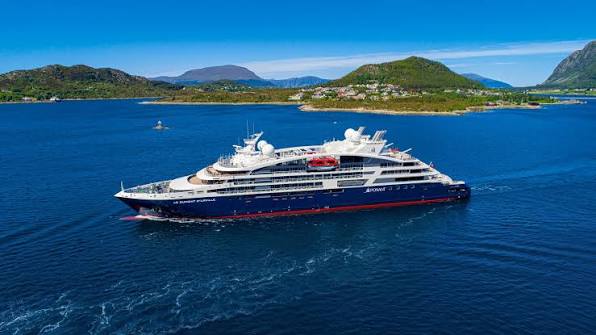
True clipper ships, these beautiful four-masted vessels reflect a proud seafaring heritage in their elegant sails, warm woods and polished brass.
Sister ships Star Clipper and Star Flyer certainly stand out
from the crowd. In full sail they are an awe-inspiring sight,
reminiscent of a bygone age, yet combining this tradition with the
comfort of a modern cruise line, ideal for those who wish to
experience a tall ship cruise. Climb the mast or relax by the small
pool; you can be as involved as you wish on these easy-going and
friendly ships.
Athens is a city awash with historical and cultural significance. Towering over the city are the gleaming columns of the Parthenon, surely one of the most iconic sights in the whole of Europe. And yet Athens is much more than an open air museum; this is a dynamic, bustling metropolis, and a place where history is still very much unfolding. For all its faults, the Greek capital possesses an energy and an optimism that are manifest in everything from the burgeoning art scene to the restaurants and bars that continue to pop up on a regular basis.
The volcanic island of Milos is ringed by pretty beaches and scattered with charming villages, famous as the place where the Venus de Milo was discovered by a local peasant in 1820. Milos is also known as the ‘island of colours’ thanks to its many-hued, mineral-rich cliffs and beaches.
The little fishing town of Gythion was once the seaport for ancient Sparta, though these days it’s a pretty sleepy place. Take a stroll around the picturesque streets and soak up the atmosphere, with pastel-hued houses, balconies draped in bougainvillea and some great little seafood restaurants.
The little seaside town of Katakolon, on the western coast of the Peloponnese, is the gateway to ancient Olympia, birthplace of the Games and the place where the Olympic flame begins its journey every four years. Make the most of your visit with a guided tour of the ruins, and don’t miss the treasures of the Archaeological Museum.
Sarandë is southern Albania’s premier seaside resort, and in summer the population swells with day-trippers from nearby Corfu. If the beach doesn’t appeal then visit the fascinating archaeological remains at Butrint, or take a dip in the refreshing waters of the beautiful Blue Eye Spring.
Kotor sits at the head of a beautiful, fjord-like bay, hemmed in by glowering mountains. The compact, walled old town is Montenegro’s star attraction, a warren of little alleyways and shady squares that is often described as a ‘mini Dubrovnik’.
Hvar is the most popular of Croatia’s islands, a ruggedly beautiful place carpeted with lavender fields and dotted with little villages. The island’s capital, Hvar Town, is a charming collection of marble streets arranged around a harbour, and it gets very busy in the summer months.
One of the Dalmatian coast’s lesser known cities, Šibenik is notable for its compact medieval centre, UNESCO-listed Gothic-Renaissance cathedral and crumbling fortresses. The nearby islands of Zlarin and Prvi? also make for an enjoyable day trip.
Lošinj is one of Croatia’s lesser known gems, a verdant island that was once the favourite holiday resort of the Austro-Hungarian emperor, Franz Josef. The fishing villages of Mali Lošinj and Veli Lošinj are pleasingly picturesque, and the surrounding waters are known for their healthy dolphin population.
Venice is a city like no other, a marble maze of turquoise canals criss-crossed by beautiful bridges, overflowing with palaces, churches and charming little piazzas. No matter how many times you’ve seen it in photographs, that first glimpse of the Grand Canal will simply take your breath away.