From Copenhagen to Southampton · Northern Europe · 12 nights
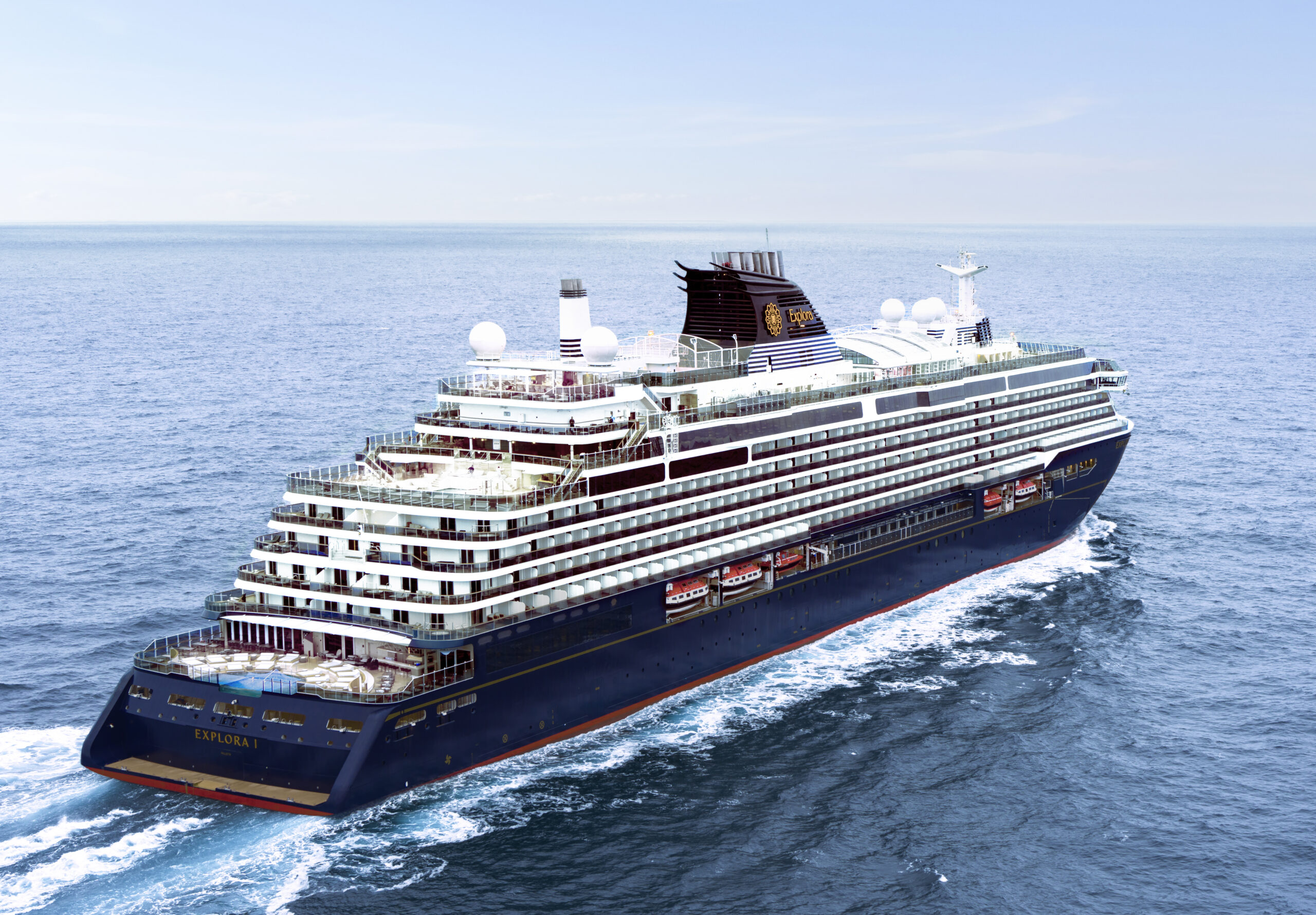
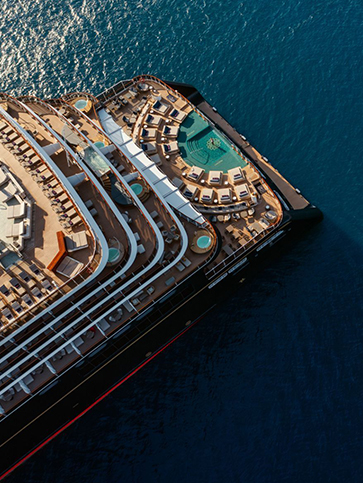
Silver Moon and Silver Dawn represent a subtle evolution from sister ship Silver Muse, with an innovative dining concept and an enhanced spa.
These stylish ships are large enough to offer a wide range of
dining options, including the innovative Sea and Land Taste
(S.A.L.T.) culinary programme, and all-suite accommodation, yet
retain the small-ship intimacy that is synonymous with the rest of
the fleet.
With a history that dates back to 1043, this small city is full of historic landmarks, significant buildings and interesting sights and museums. It is of course also a history that sits alongside the height of modern Danish design. It is great to explore on foot, by bicycle or by water. Be sure to visit Amalienborg Palace and to walk down the famed shopping street (Strøget). The pretty harbour of Nyhavn is a great location to stop for coffee or lunch and watch the world go by. And of course highlights include the Tivoli Gardens, and the (surprisingly) tiny statue of The Little Mermaid.
Situated at the very northern tip of Jutland, Skagen is famed for its wonderful light and beautiful coastal scenery, which attracted many artists during the 19th century. Today it’s a popular destination for well-to-do Danes, drawn here by the beaches, charming architecture and spectacular sunsets.
Lerwick is the only town of any size in the Shetland islands, and originally grew up around the herring trade. Highlights include the charming 18th century architecture along the waterfront and the informative Shetland Museum, which provides an excellent introduction to the history and culture of the islands.
The flat, windswept Orkney Islands, just off the northeast coast of Scotland, have a distinctive Scandinavian heritage that’s discernible in everything from the unusual place names to the ancient Norse architecture of the capital, Kirkwall. Don’t miss the Ring of Brodgar, a fascinating Neolithic stone circle.
Few British cities can match the historical and cultural significance of Liverpool. The famous docks have been transformed in recent years, and are now home to the Tate gallery and a museum honouring the city's most famous sons, the Beatles.
The 1998 Good Friday Agreement was a watershed moment for Northern Ireland, and its rejuvenated capital is enjoying a surge in popularity. The new Titanic Belfast museum is the star attraction, while the city centre boasts some handsome Victorian architecture and a lively pub scene.
Holyhead is best known as the departure point for ferries to Ireland, but it’s also the gateway to the enchanting island of Anglesey. This green and ancient land was once a druid stronghold, and the rugged landscape is crowned with some of the most beautiful castles in Wales.
The attractive town of Cobh is situated on an island in Cork Harbour, one of the largest natural harbours in the world. It’s a colourful place with an interesting history; Cobh was the main exit point for thousands who fled Ireland during the famine years, and it was also the final port of call for the ill-fated Titanic.
Falmouth has one of the deepest natural harbours in the world, and you can learn about the town’s seafaring heritage at the excellent National Maritime Museum. There are some lovely pubs, cafés and seafood restaurants here, and it’s also a good base for exploring Cornwall’s south coast.
Situated just 14 miles off the coast of Normandy, the sunny island of Jersey blends British seaside charm with a discernible French influence. The bustling capital, St Helier, is the perfect base for exploring the island’s beautiful beaches, wartime fortifications and superb seafood restaurants.
Southampton is the UK’s leading port. Bustling modern cruise terminals, as well as wharfs and commercial harbours, line the waterfront, whilst the city itself is a fascinating mix of ancient and modern, with a picturesque old town, the original city walls still standing, and super-modern shopping centres and office complexes