From Copenhagen to Liverpool · Northern Europe · 10 nights
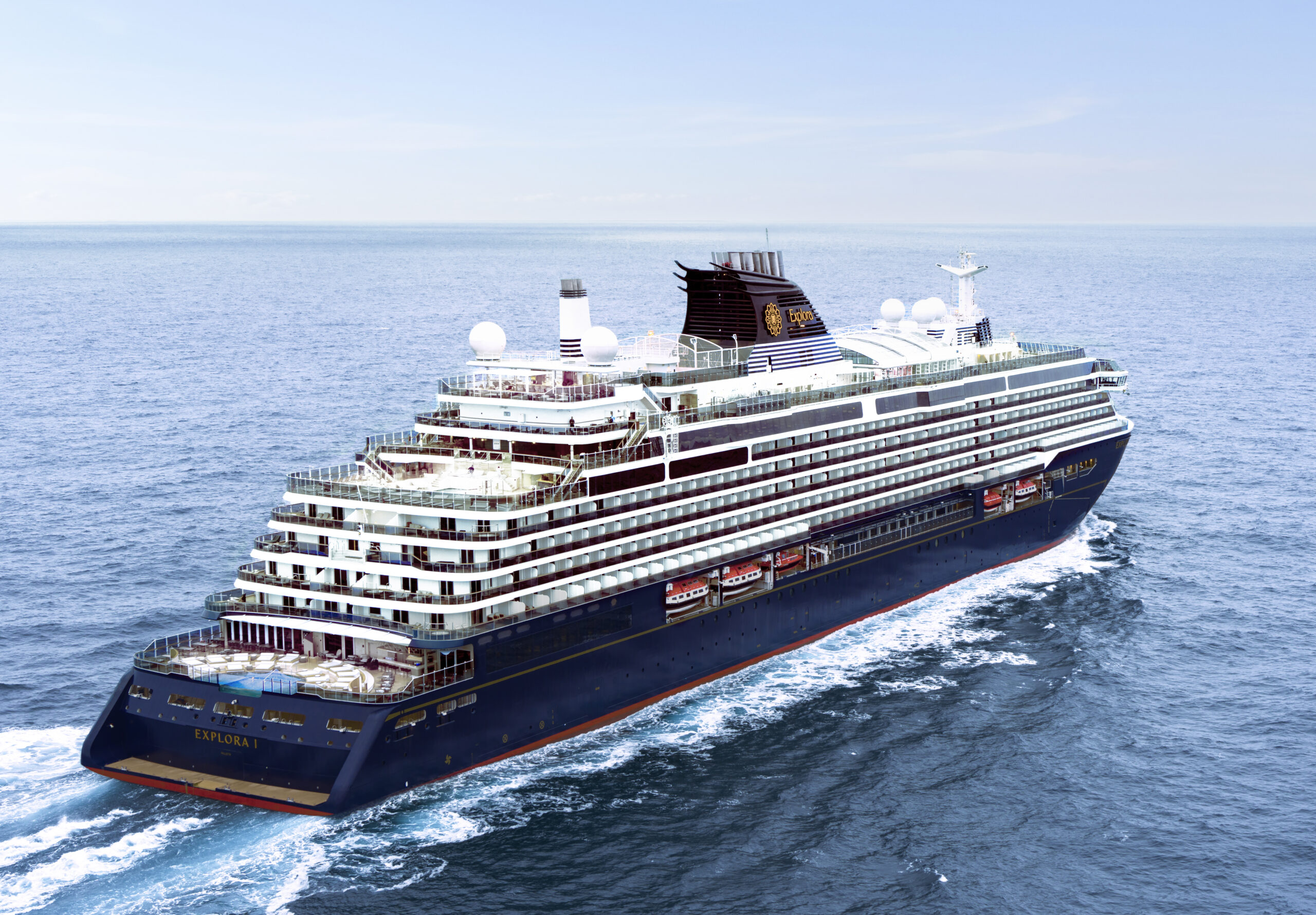
Arguably one of the finest ships at sea returned to the ultra-luxury cruise sector in 2023, completely refurbished and enhanced.
Following extensive refurbishment, Crystal Serenity has emerged
reinvigorated with contemporary, spacious accommodations and an
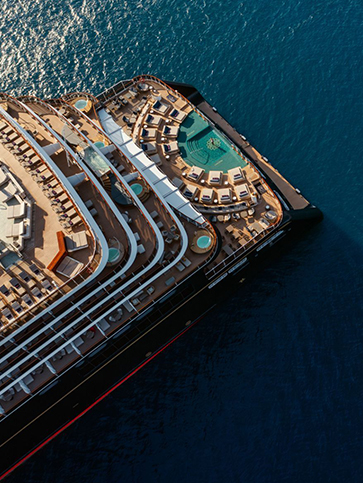
industry-leading space to guest ratio. The array of social areas,
wide-ranging entertainment and world-class dining options deliver
the ultimate in luxury cruising.
With a history that dates back to 1043, this small city is full of historic landmarks, significant buildings and interesting sights and museums. It is of course also a history that sits alongside the height of modern Danish design. It is great to explore on foot, by bicycle or by water. Be sure to visit Amalienborg Palace and to walk down the famed shopping street (Strøget). The pretty harbour of Nyhavn is a great location to stop for coffee or lunch and watch the world go by. And of course highlights include the Tivoli Gardens, and the (surprisingly) tiny statue of The Little Mermaid.
The town of Lysekil is situated at the mouth of the Gullmarsfjord on the west coast of Sweden, on a coastline characterised by red granite cliffs and scattered islands. Highlights include the excellent Havets Hus aquarium and the charming streets of the compact Old Town, the Gamlestan
You might not expect to find a beach resort in Norway, but the sunny city of Kristiansand is where Norwegians go for a spot of fun by the seaside. There are plenty of family-friendly attractions, including a zoo, and it’s also a good base for exploring the pretty fishing villages of the south coast.
Haugesund dates back to Viking times, and the surrounding region is known as the birthplace of Norway, where King Harald Fairhair first united the country under one ruler. Highlights include the reconstructed Viking farm at Avaldsnes, the Arquebus War History Museum and the Haraldshaugen Monument.
Beautiful Bergen, Norway’s former capital, is a perfect city to explore on foot. Bryggen – the old Hanseatic wharf, and a UNESCO World Heritage site – still has the old harbour timber buildings, whilst other attractions include the funicular up Mount Floyen and the busy fish market.
Lerwick is the only town of any size in the Shetland islands, and originally grew up around the herring trade. Highlights include the charming 18th century architecture along the waterfront and the informative Shetland Museum, which provides an excellent introduction to the history and culture of the islands.
The flat, windswept Orkney Islands, just off the northeast coast of Scotland, have a distinctive Scandinavian heritage that’s discernible in everything from the unusual place names to the ancient Norse architecture of the capital, Kirkwall. Don’t miss the Ring of Brodgar, a fascinating Neolithic stone circle.
Situated on a natural harbour on the east coast of the Isle of Lewis, Stornoway is the largest town in the Outer Hebrides. The island is one of the last major strongholds of the Gaelic language, and is home to fascinating Neolithic sites such as the mysterious standing stones at Callanish.
Disagreements over the correct name for Northern Ireland’s second city date back to 1613, and are unlikely to be resolved any time soon, so let’s focus instead on what the city has to offer. Highlights include the 17th century city walls, a vibrant live music scene and a city centre rejuvenated by Derry’s stint as UK Capital of Culture in 2013. (Greencastle is actually in the Republic, but it's a short drive south to Derry.)
Few British cities can match the historical and cultural significance of Liverpool. The famous docks have been transformed in recent years, and are now home to the Tate gallery and a museum honouring the city's most famous sons, the Beatles.