From Nuremberg to Vienna · Europe (River) · 7 nights
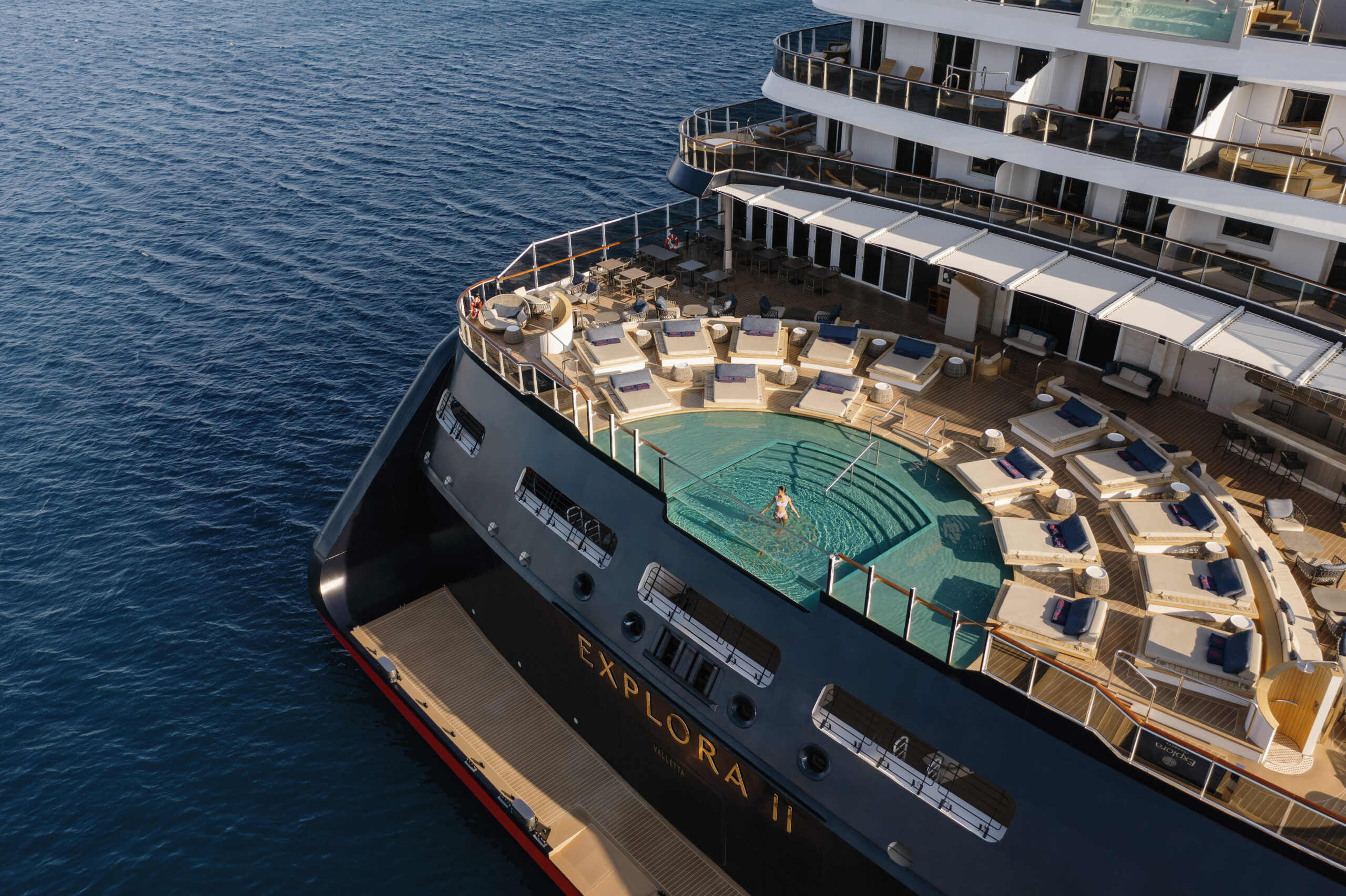
Tauck’s most modern design offers one of the highest space per guest ratios of all European river vessels.
Rich woods are complimented by muted tones, giving these ships
an airy and luxurious feel. The alternative restaurant with outside
seating at the rear is an idyllic place for a relaxed lunch as you
cruise to your next call and the regional cuisine served in the
Dining Room is excellent.
Nuremberg, Bavaria's second city, first pops up in the history books in 1050 as a stronghold of the Franks, and later became the unofficial capital of the Holy Roman Empire. Nuremberg was also the centre of the German Renaissance, although in the 20th century it became associated with the Nazis; huge rallies were held here, and Nazi officials were later tried and convicted at the Nuremberg Trials. Happily Nuremberg has bounced back from those dark days, and nowadays the city is a tourist magnet thanks to the beautifully restored old town, Christmas markets and excellent beer.
Originally founded by the Celts and later an important Roman settlement, Regensburg is one of Bavaria’s lesser known gems. Situated on the northernmost bend of the Danube, it’s a friendly and laid back city, with an exceptionally well preserved medieval centre.
The pretty Bavarian town of Passau, situated close to Germany’s border with Austria, enjoys a unique setting at the confluence of three rivers: the Inn, the Ilz and the Danube. The narrow cobbled streets of the handsome old town, the Altstadt, are quite delightful.
The city of Linz is included on river cruise itineraries due to its proximity to Salzburg, which is where you’ll most likely be headed. Salzburg’s Altstadt attracts millions of visitors every year with its fairytale skyline of domes and spires, and the city is renowned as both the birthplace of Mozart and the setting for ‘The Sound of Music’.
The riverside village of Melk is best known for its spectacular abbey, a Baroque masterpiece that dominates the landscape. A Benedictine abbey was first established here in 1089, and the 18th century reconstruction that you can see today is still a working monastery.
Vienna is jam packed full of thrusting, bombastic buildings that stand as a reminder of Austria’s glorious imperial heyday. From mid-November the city's squares are transformed into magical Christmas markets, where fairy lights twinkle and the air is heady with aromas of sizzling sausage, gingerbread and Glühwein.