From Lisbon to New York · Mediterranean · 25 nights
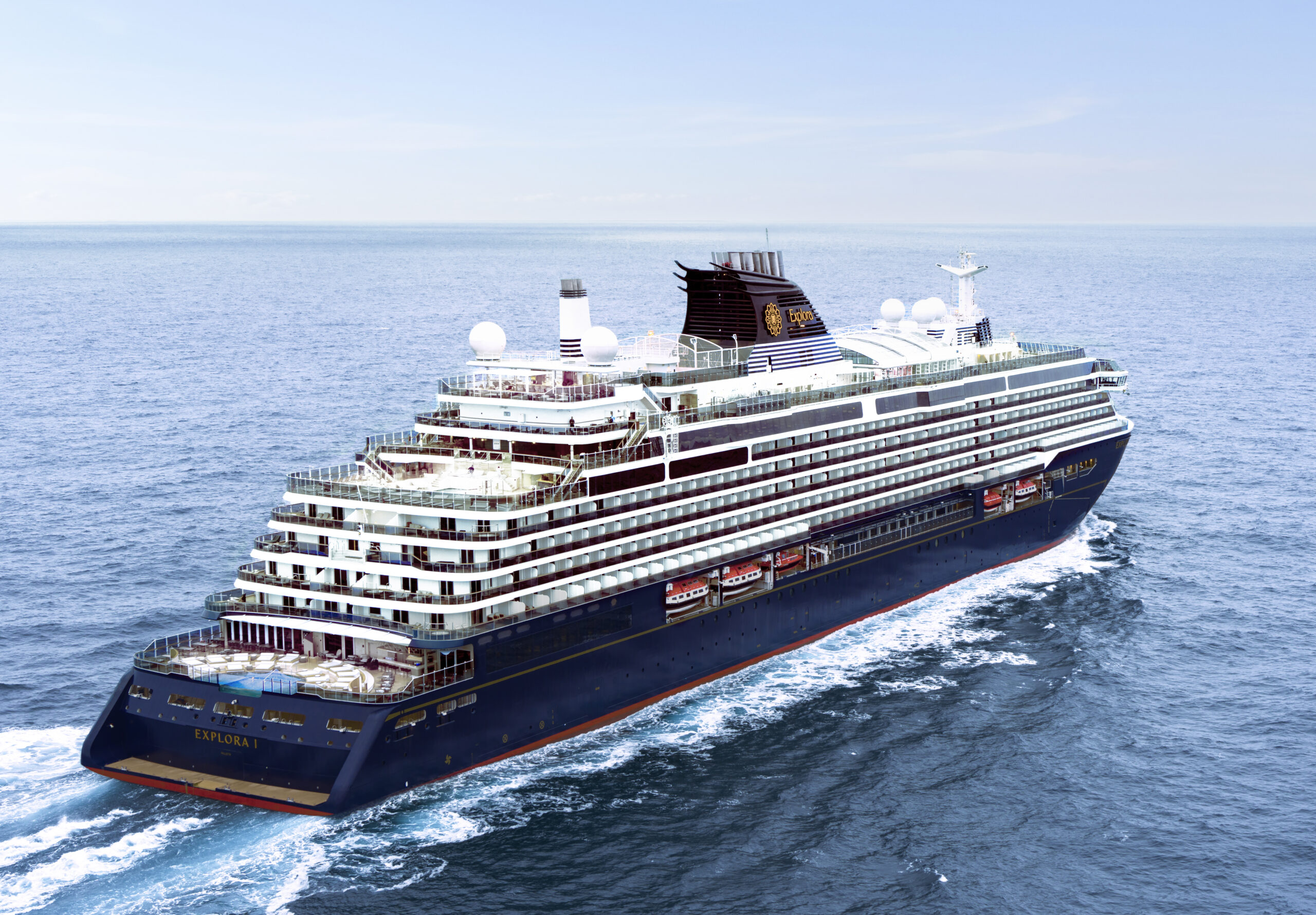
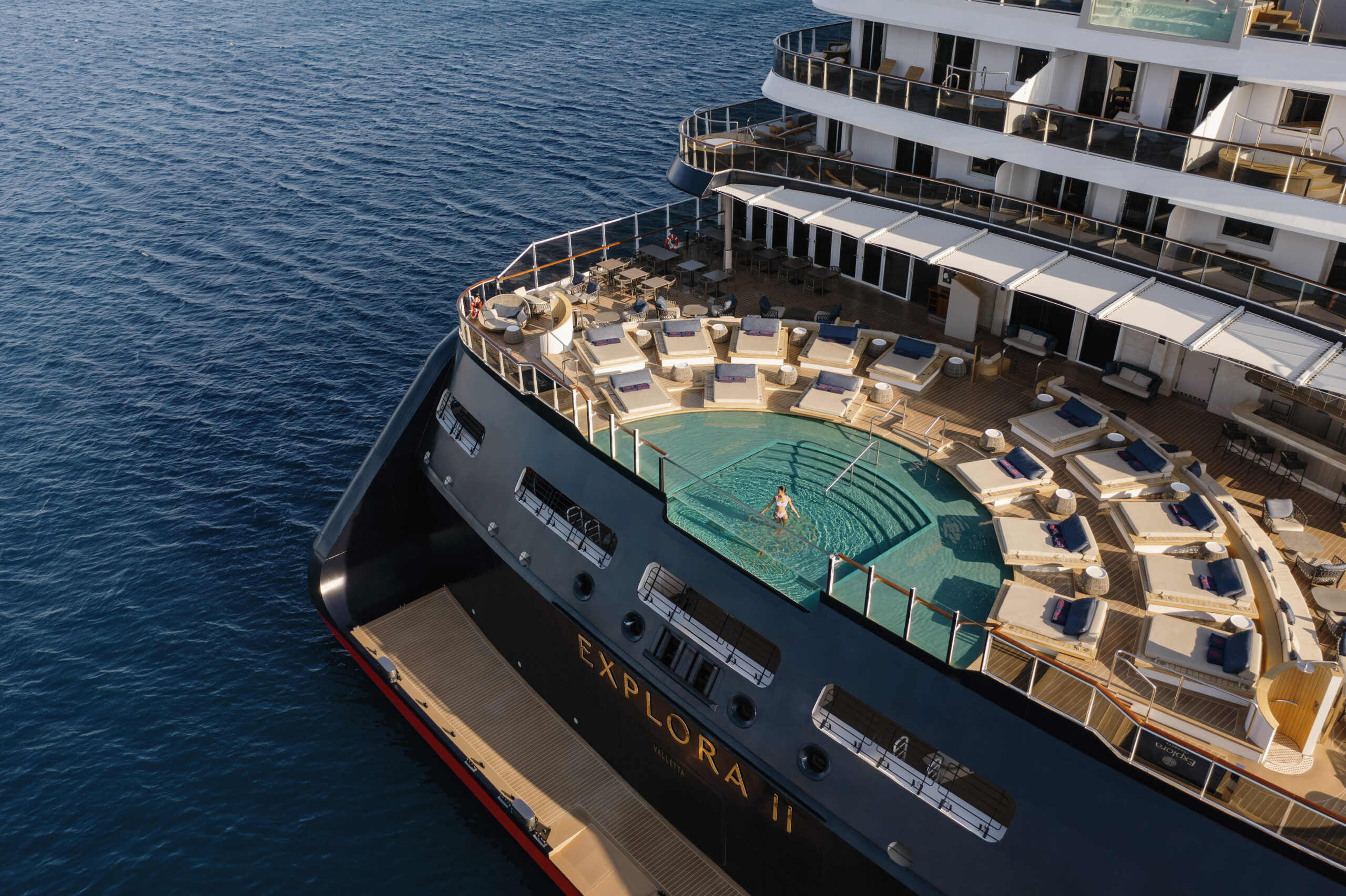
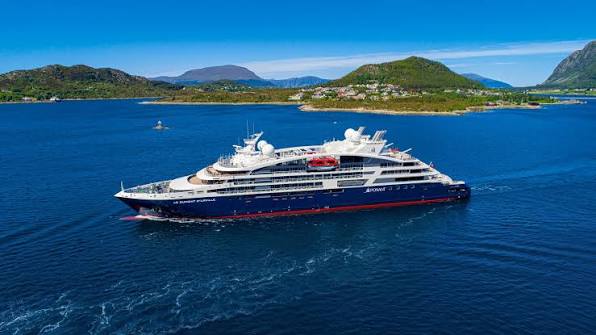
Small enough to operate fascinating port-intensive itineraries, but with the space for dining options, comfortable accommodation and more, sister ships Insignia, Nautica, Regatta and Sirena are for many the perfect size.
These four boutique style sister ships carry just 684 guests
apiece, with a comfortable, relaxed country house style and plenty
of intimate corners. We love the alternative restaurants – Oceania
is rightly renowned for great food – and the pretty little library
up on deck 10.
The roots of historic Lisbon's fame lie in its strategic position on the edge of the Atlantic and the fact it offers one of the world's greatest natural harbours. No surprise therefore that it became the home of the world's most famous explorers such as Vasco da Gama, Magellan and Prince Henry the Navigator. Built on seven hills, we always find Lisbon to be soulful, captivating and picturesque, with architecture which reflects its status as a great port.
Blessed with a dramatic setting on the steep banks of the river Douro, Portugal’s second city is currently enjoying something of a renaissance, and is best known as the home of the country’s most famous export, port wine.
Vigo is the biggest city in Galicia, Spain’s verdant northwest corner. The city itself is a busy fishing port with limited tourist appeal, but it’s a great base for striking out into the countryside, visiting the lovely Cíes Islands just offshore or joining the pilgrims in Santiago de Compostela, 60 miles to the north.
La Coruña is the largest city in Galicia, a beautiful region of lush green countryside and wild, windswept beaches. Historical sights of note include the Tower of Hercules, a UNESCO-listed Roman lighthouse, and the city is also home to some great seafood restaurants.
It’s not so long ago that Bilbao was a grim and unappealing place, scarred by heavy industry, but the Basque Country’s biggest city has reinvented itself as a cultural hub since the opening of the shimmering Guggenheim Museum in 1997.
The pretty town of Saint-Jean-de-Luz is one of the highlights of the French Basque Country, on a crescent-shaped bay between Biarritz and the Spanish border. The streets of the old town are filled with charming timbered houses, and there are some great restaurants where you can sample Basque cuisine.
The naval port of Brest is situated on a fine natural harbour, a bustling city that was rebuilt after extensive damage from Allied air attacks during World War II. Enjoy excellent seafood and local Breton dishes, learn about the city’s maritime history at the Musée de la Marine, or visit Océanopolis, one of France’s largest aquariums.
The island of Guernsey draws visitors south from the British mainland with its more favourable climate and beautiful coastline. The capital, St Peter Port, is a lovely little town of cobbled streets and elegant architecture, and there are also several interesting museums dedicated to the island’s occupation by the Nazis during the Second World War.
Southampton is the UK’s leading port. Bustling modern cruise terminals, as well as wharfs and commercial harbours, line the waterfront, whilst the city itself is a fascinating mix of ancient and modern, with a picturesque old town, the original city walls still standing, and super-modern shopping centres and office complexes
The city of Dublin has something for everyone with great shopping, beautiful Georgian architecture, lovely parks, galleries and museums. Everywhere you go you will be bowled away by the jovial Irish welcome. Don’t miss the chance to sample a local pint of Guinness.
Disagreements over the correct name for Northern Ireland’s second city date back to 1613, and are unlikely to be resolved any time soon, so let’s focus instead on what the city has to offer. Highlights include the 17th century city walls, a vibrant live music scene and a city centre rejuvenated by Derry’s stint as UK Capital of Culture in 2013.
Capital of Iceland and gateway to this extraordinary volcanic island, modern Reykjavík is home to an impressive collection of interesting attractions and places of historic significance. Visit the impressive Hallgrímskirkja church, relax in a thermal pool, potter around the old harbour, and enjoy 24 hour daylight in the summer months.
Ísafjörður is the largest town in Iceland’s wild Westfjords, dramatically located on a spit of sand hemmed in by mountains on three sides. The town itself is fairly low key, and the main attraction is exploring the surrounding landscapes, such as the spectacular Hornstrandir Peninsula.
Newfoundland’s capital is a laid back city with an arty vibe, situated on a dramatic harbour. The hilly streets lined with colourful row houses make for a great photo opportunity, and the downtown area is full of history, as well as some excellent pubs and a thriving folk music scene.
The islands of Saint Pierre and Miquelon are a post-colonial oddity, a self-governing French overseas territory that sits just off the coast of Newfoundland. There is something more than a little surreal about the freshly baked baguettes, fine French wines and tricolore flags flapping in the breeze.
Sydney is the only real city on Nova Scotia’s beautiful Cape Breton island, a former steel and coal town that is reinventing itself as a cultural and culinary hub. The revitalised waterfront area is particularly appealing, and there are some interesting Loyalist-era buildings in the city’s North End district.
The natural harbour at Halifax is the second largest in the world after Sydney, and this charming city has a proud maritime heritage. Take a stroll along the historic waterfront, delve into the vibrant arts scene or explore the beautiful coastal scenery of Nova Scotia.
The Big Apple is one of the world’s most iconic, cosmopolitan cities, a place that everyone should visit at least once in their lifetime. From the lofty heights of the Manhattan skyscrapers to the hipster hangouts of resurgent Brooklyn, New York City buzzes with energy and excitement, and there’s never been a better time to visit.