From Benoa (Bali) to Bangkok (Laem Chabang) · Asia · 12 nights
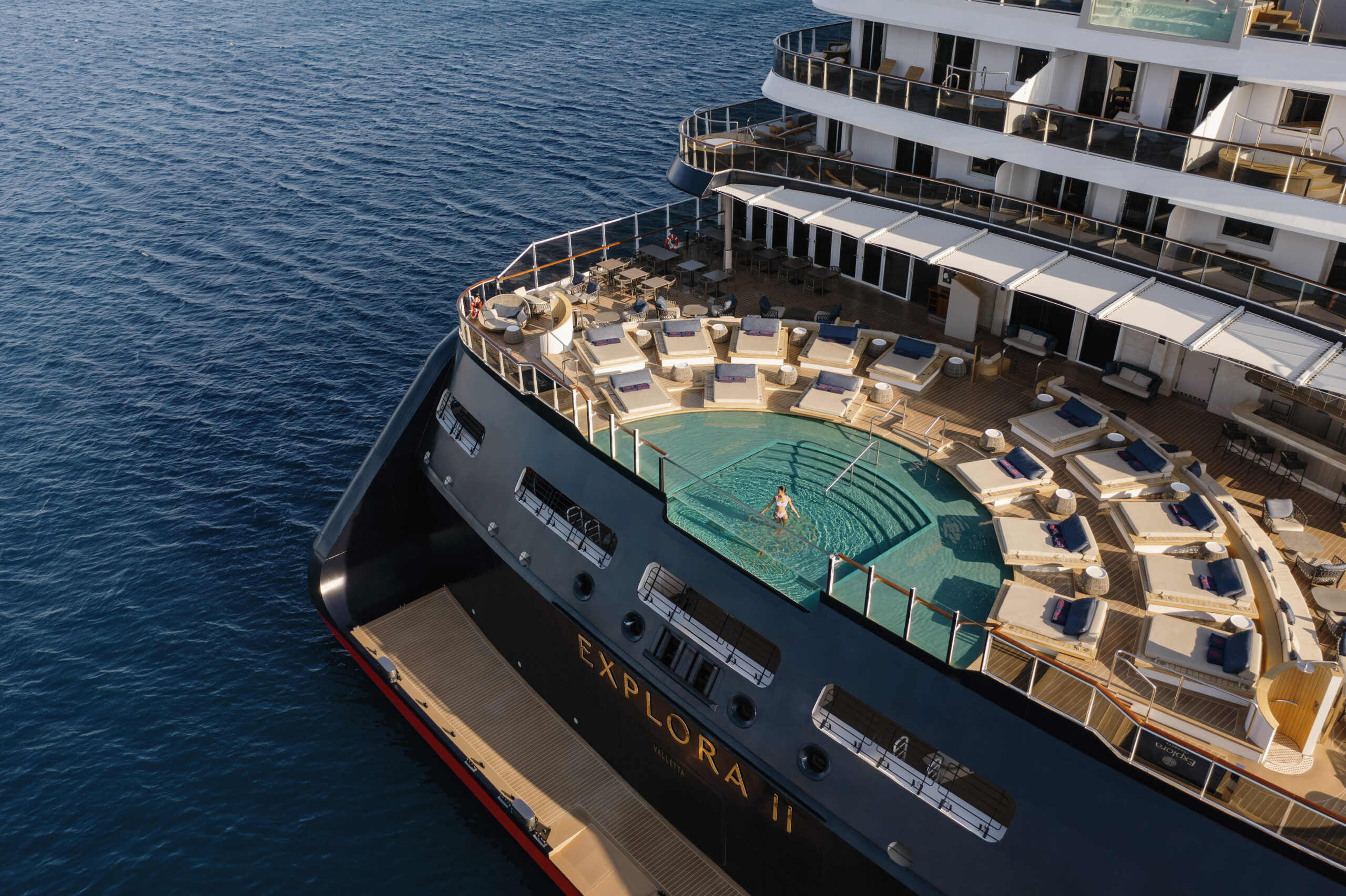
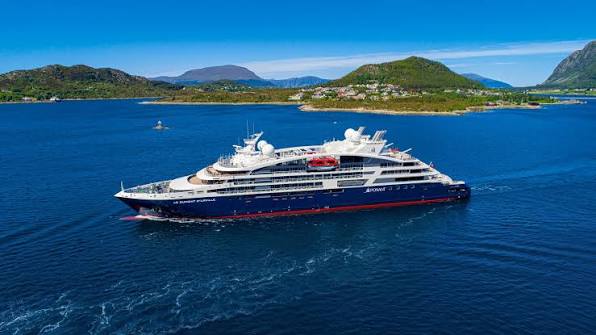
Viking’s hugely successful river cruise operation expanded into ocean cruising with a fleet of ten contemporary 930-guest ocean ships featuring attractive inclusive pricing and interesting itineraries. A slightly larger ship joined the fleet in 2024 with two additional ships scheduled in 2025 and 2026 each carrying 998 guests.
The airy contemporary style of the ships, with fresh Nordic
décor, is most appealing. Add to that the huge choices in dining
and other facilities, and veranda staterooms throughout, not to
mention included shore excursions and an excellent spa, and you
have a winner. In 2024 Viking Vela joined the fleet which is very
slightly larger, carrying 998 guests, yet identical in all other
respects to her predecessors. Two further 998-guest ships, Viking
Vesta and Viking Mira, launch in 2025 and 2026 respectively.
It's no surprise to us that Bali remains Indonesia's most popular tourist destination; though the island is not the undiscovered gem it once was, it's still a wonderful place to travel. The beaches, spectacular volcanic scenery and lush green rice terraces lend Bali a natural beauty that seems to dovetail perfectly with the island's distinct Hindu culture, which adorns the landscape with stunning temples. We advise steering clear of the backpacker beaches around Kuta, and heading instead for the quieter south coast resorts or the charming inland town of Ubud, the spiritual centre of the island.
Surabaya, situated on the northeast coast of Java, is Indonesia’s second largest city and the place where the country’s struggle for independence began. The warren-like Arab Quarter is worth exploring, though many visitors use the city as a base for visiting nearby Mount Bromo.
The sweltering city of Semarang, on the north coast of Java, is an intriguing mish-mash of Chinese, Islamic and Dutch colonial influences. We recommend escaping the heat with a trip up into the mountains to visit a coffee plantation, or joining an excursion to the extraordinary temple complex at Borobudur.
Singapore’s heritage as an important trading post means that there is a real cultural mix, with four official languages: English, Chinese, Malay and Tamil. Step away from the gleaming towers and you’ll find yourself transported into another world amongst the intoxicating streets of Chinatown and Little India.
Malaysia’s capital is a hot and humid cultural melting pot, defined by its distinctive Malay, Chinese and Indian communities. The dazzling Petronas Towers are KL’s most recognisable landmark, while at street level you’ll find temples and mosques, elegant colonial buildings and bustling markets.
Attracting everyone from budget backpackers to ostentatious oligarchs, Koh Samui is one of Thailand’s most popular islands. It’s no surprise, given the truly stunning beaches, but the more developed areas such as Chaweng have lost a lot of their charm, so head for the quieter south and west if you can.
Thailand’s sprawling capital is an assault on the senses, an invigorating blend of tradition and modernity. Soaring skyscrapers, air-conditioned shopping malls and an efficient public transport system combine with shimmering golden temples, ancient palaces, floating markets and at times gridlocked rush hour traffic.