From Venice to Athens (Piraeus) · Mediterranean · 10 nights
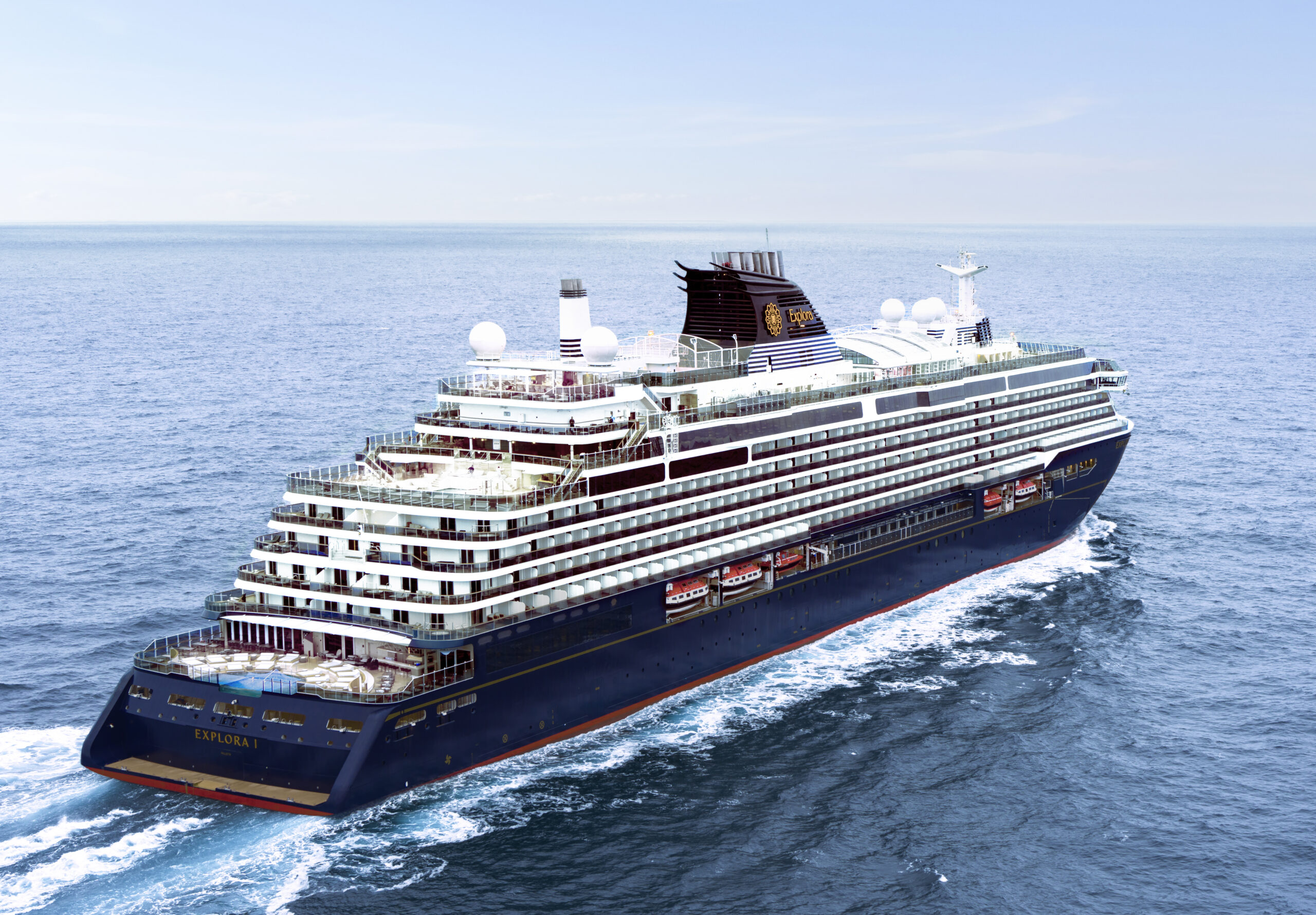
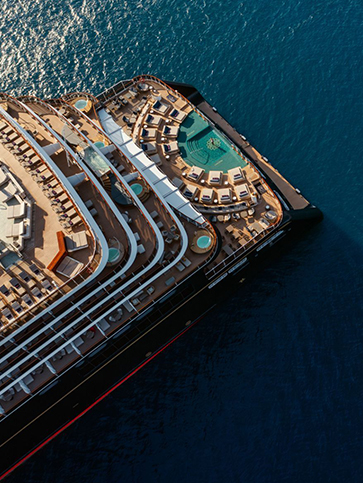
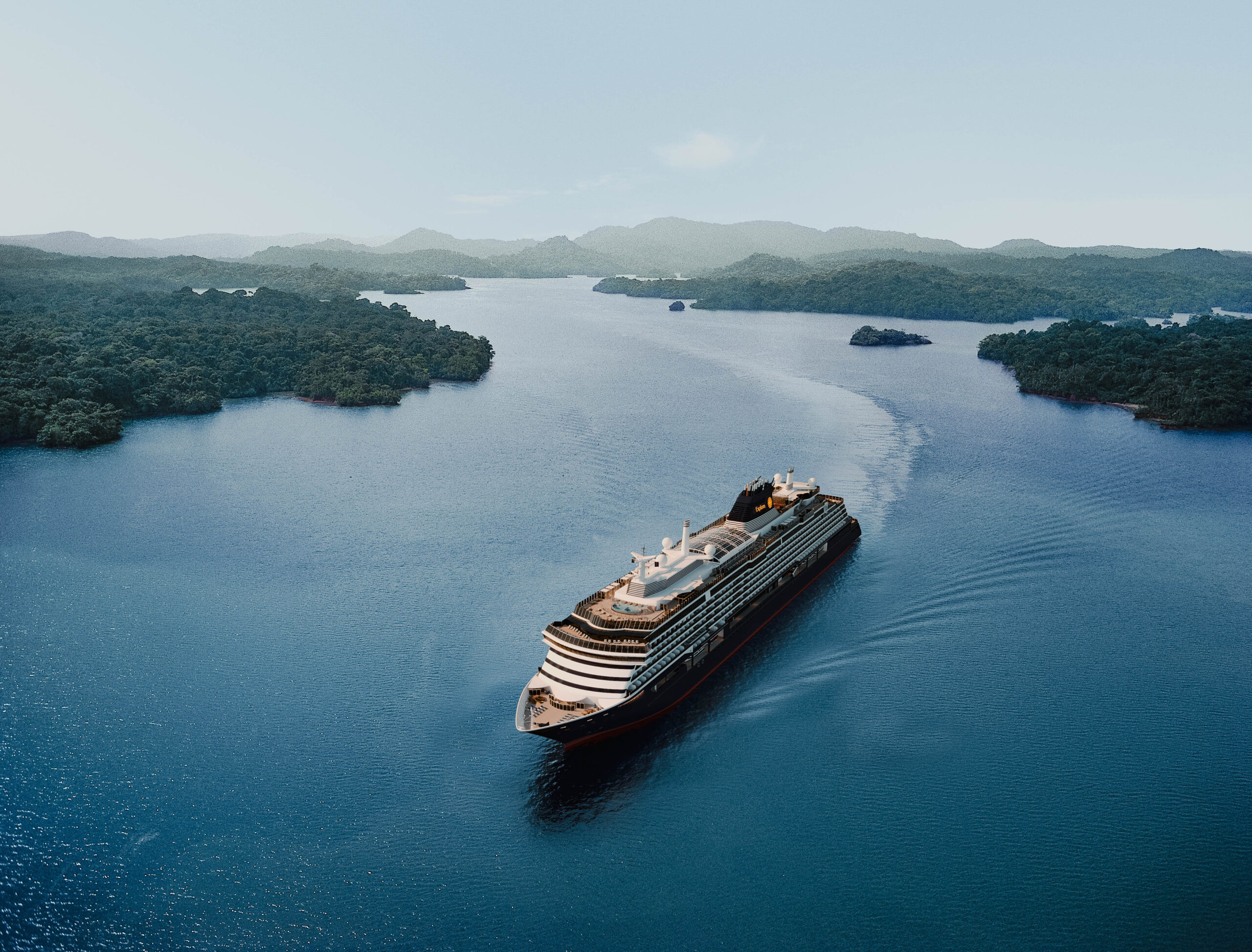
Small enough to operate fascinating port-intensive itineraries, but with the space for dining options, comfortable accommodation and more, sister ships Insignia, Nautica, Regatta and Sirena are for many the perfect size.
These four boutique style sister ships carry just 684 guests
apiece, with a comfortable, relaxed country house style and plenty
of intimate corners. We love the alternative restaurants – Oceania
is rightly renowned for great food – and the pretty little library
up on deck 10.
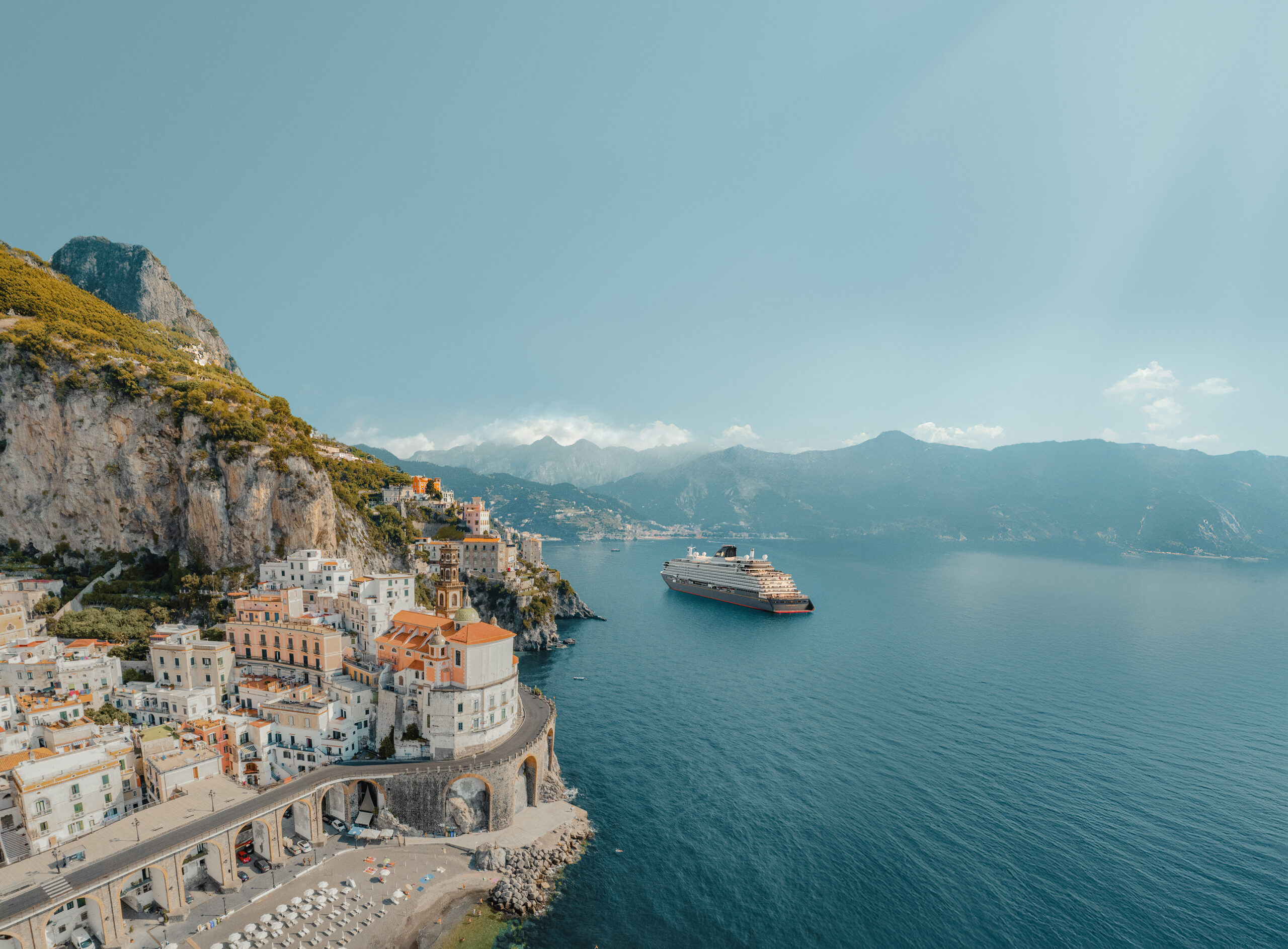
Venice is a city like no other, a marble maze of turquoise canals criss-crossed by beautiful bridges, overflowing with palaces, churches and charming little piazzas. No matter how many times you've seen it in photographs, that first glimpse of the Grand Canal will simply take your breath away; it hardly seems credible that such an eye-popping scene could exist outside of a Canaletto painting. Of course Venice is a city that draws big crowds, especially in summer, but don't let this put you off; even the busiest areas are never more than a few steps from a quiet courtyard or a secluded square.
The gritty port city of Rijeka isn’t a huge tourist draw, with most visitors passing through en route to the islands or the neighbouring seaside resort of Opatija, although the city centre is home to some handsome Austro-Hungarian architecture.
Croatia’s second city enjoys a dramatic setting, hugging a sweeping bay against a backdrop of sheer grey mountains. Split's labyrinthine old town is contained within the remarkable Roman ruins of Diocletian’s Palace, a UNESCO World Heritage Site, and spills out onto the buzzing seafront Riva promenade.
Zakynthos (also known by its Italian name, Zante) remains one of the most beautiful Ionian islands, in spite of rampant overdevelopment along the southern and eastern coasts. Head off the beaten track and you’ll find forest-darkened mountains, sheltered white sand beaches and caves half-flooded with dazzlingly blue water.
The little fishing town of Gythion was once the seaport for ancient Sparta, though these days it’s a pretty sleepy place. Take a stroll around the picturesque streets and soak up the atmosphere, with pastel-hued houses, balconies draped in bougainvillea and some great little seafood restaurants.
Crete’s bustling capital is a modern and cosmopolitan city, where the island’s rich history isn’t immediately apparent. Take a closer look, however, and you’ll find a fantastic archaeological museum, along with remnants of Venetian fortifications and a lively seafront promenade, with plenty of nice outdoor cafés.
Sun-kissed Rhodes, the largest of the Dodecanese islands, is steeped in history; the medieval heart of Rhodes Town was once home to the crusading Knights of St John, and later fell to the Ottoman sultan Suleiman the Magnificent. The hillside village of Lindos, with its pretty whitewashed houses, is another highlight.
Glamorous Mykonos is the most popular of the Cyclades islands, well known as a haunt of the rich and the famous. It’s also the gateway to the nearby island of Delos, home to one of the most important archaeological sites in Greece.
Athens is a city awash with historical and cultural significance, but it's much more than an open air museum; this is a dynamic, bustling metropolis, and a place where history is still very much unfolding.