From Tokyo to Busan · Asia · 12 nights
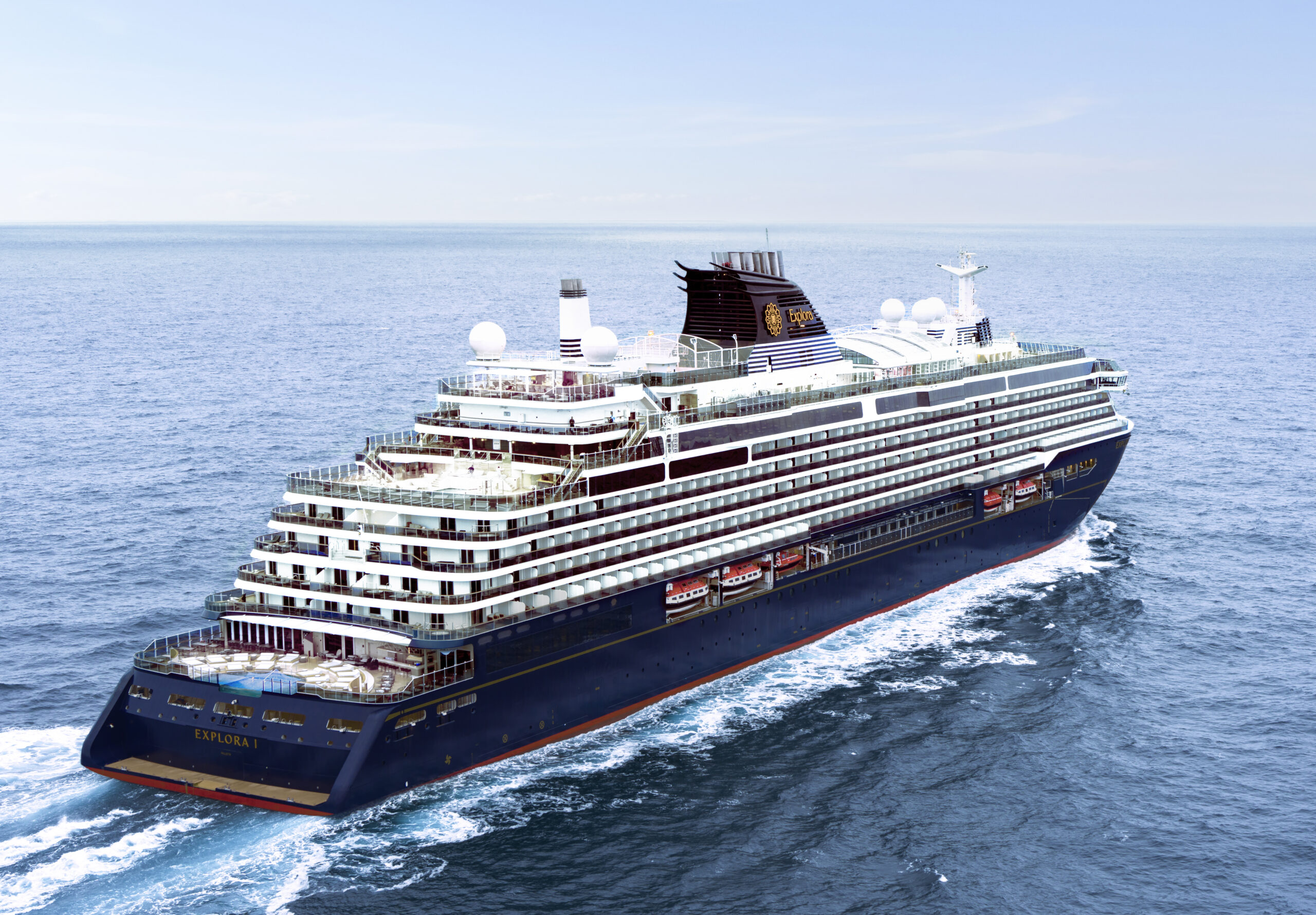
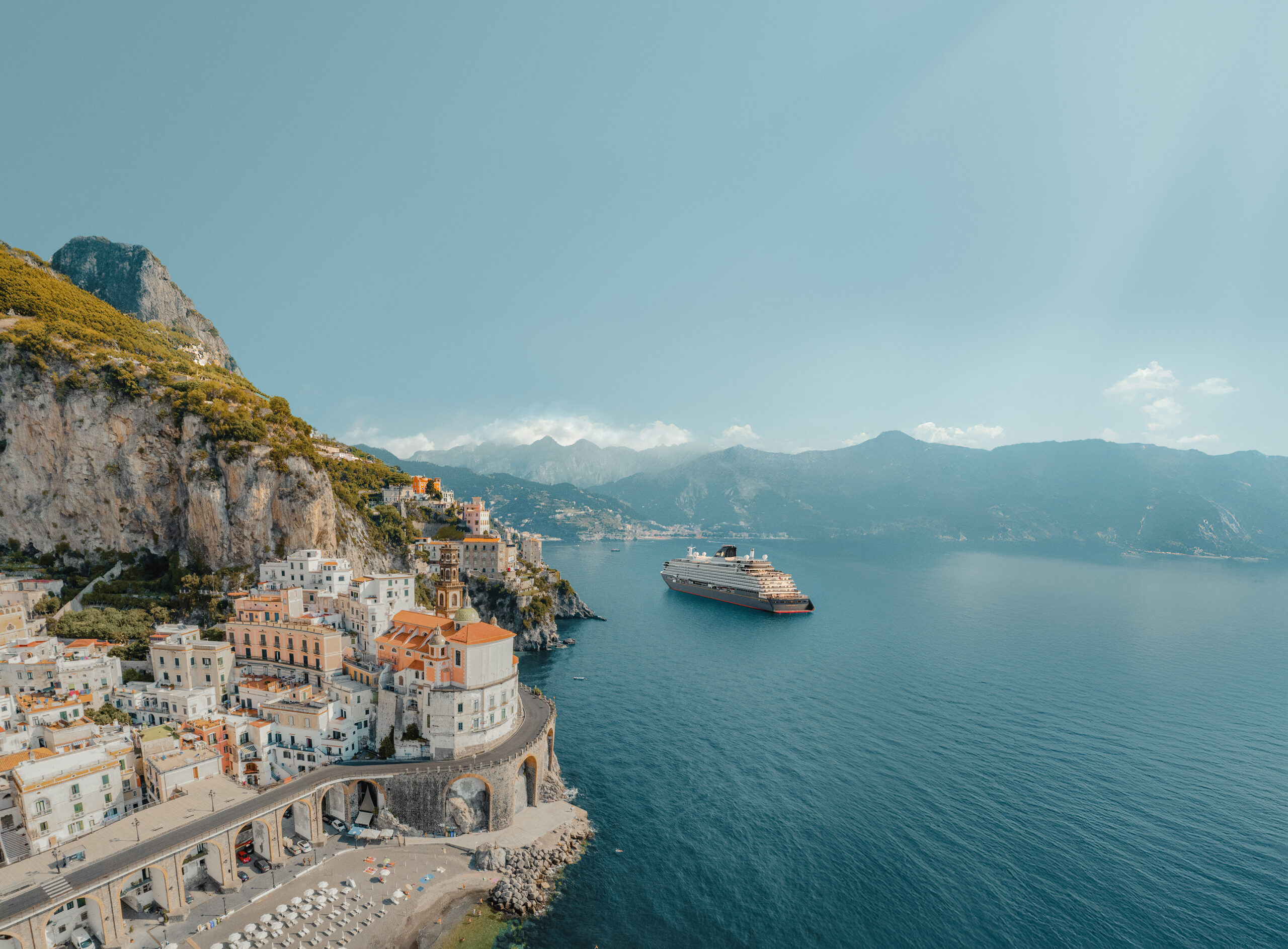
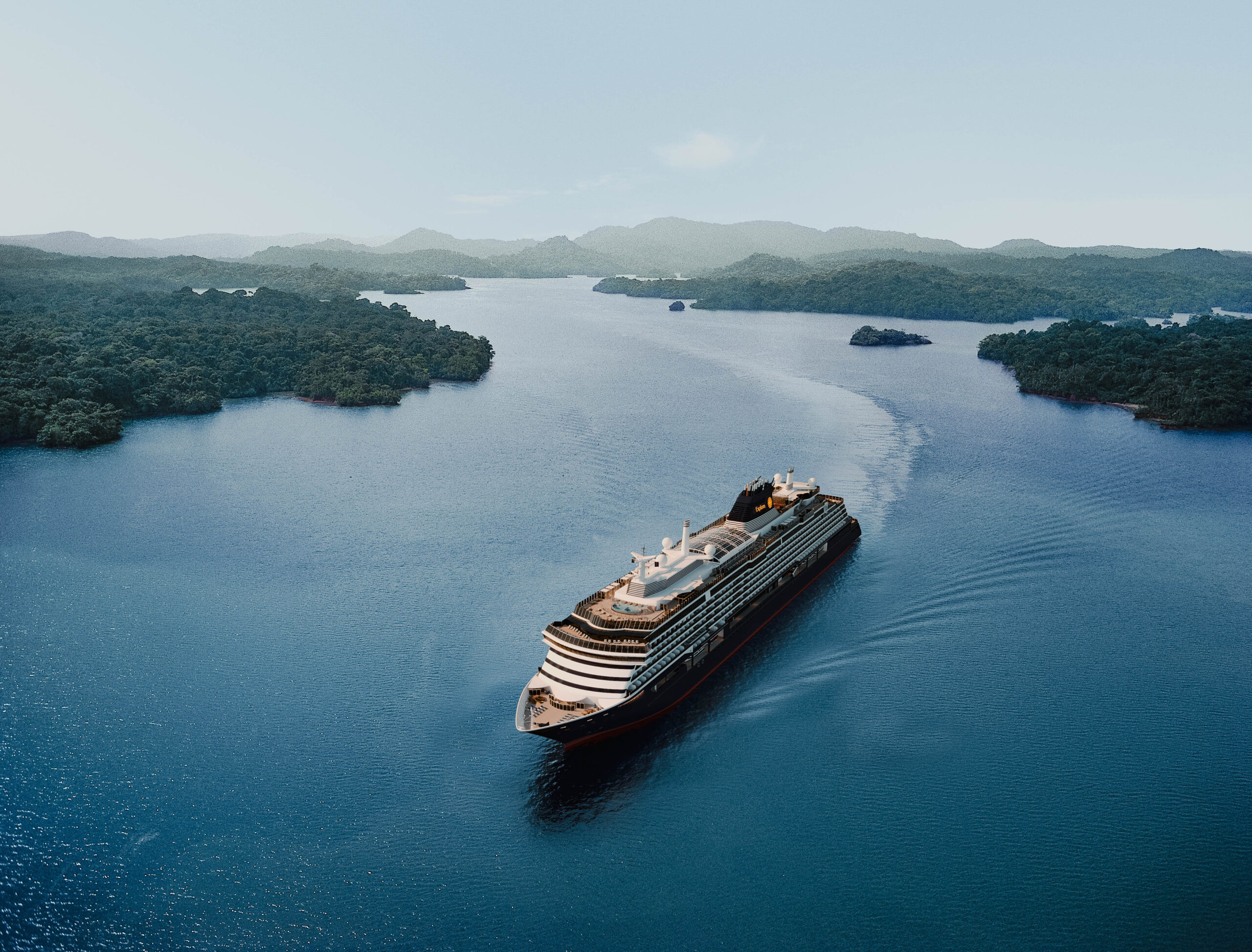
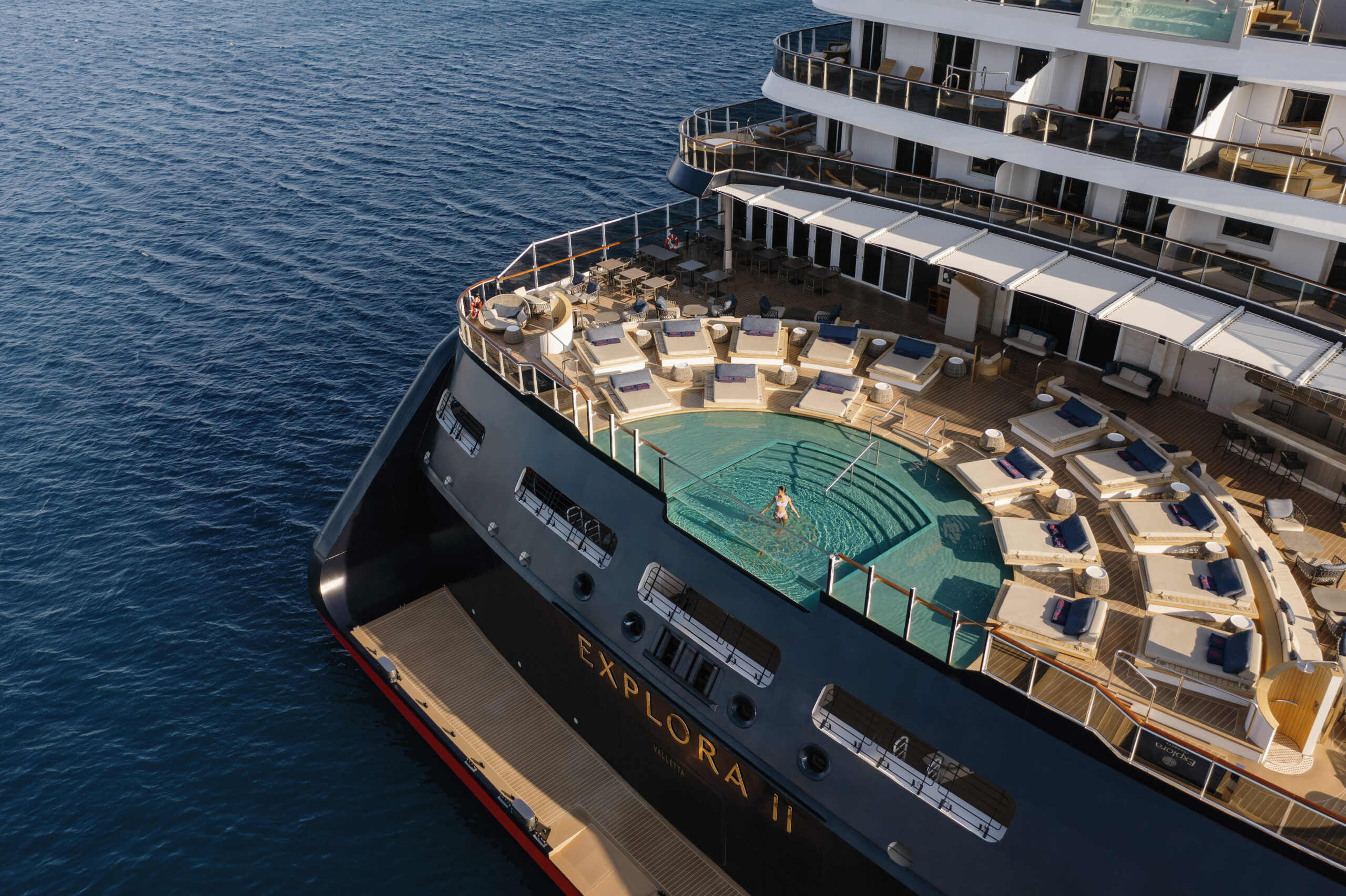
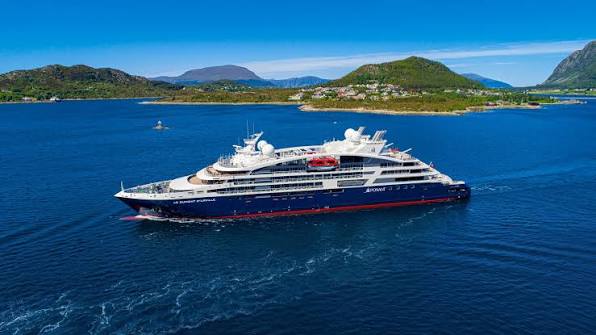
Sleek and stylish, Ponant’s wonderful Explorer yachts blend luxury and intimacy with a discreet elegance and tasteful décor.
Named after six of France’s most famous explorers, Le Champlain,
Le Lapérouse, Le Bougainville, Le Dumont d’Urville, Le Bellot and
Le Jacques Cartier offer exciting and adventurous itineraries in
the utmost comfort. Technologically advanced, with the latest in
environmentally friendly hardware, the new ships embody Ponant’s
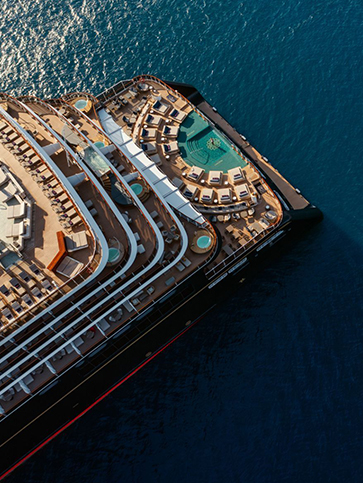
trademark élan and flair, with just 92 spacious rooms and suites, a
stylish pool deck and an intimate, refined onboard ambience.
Tokyo is a dazzling introduction to Japan and its utterly unique culture. With more neon than Las Vegas and more Michelin stars than Paris, it's a real assault on the senses, but an efficient public transport system means it's easy to explore. Asakusa is an atmospheric district where you'll find Tokyo's oldest Buddhist temple, Akihibara spills over with shops selling electronic gadgets, and Harajuku is the place to marvel at the latest colourful Japanese fashions. It's also easy to escape the crowds and find a spot of peace and quiet, with tranquil parks, shrines and lotus ponds dotted around the city.
Shimizu is one of the most spectacular ports in Japan, a sweeping bay in the shadow of the iconic Mount Fuji. You can spend some time admiring the views and wandering through peaceful pine groves, or visit the unique Shimizu Sushi Museum at the S-Pulse Dream Plaza shopping mall.
Osaka, Japan’s third largest city, is a pulsating commercial hub, famous for its food, and the cityscape rivals Tokyo for neon-lit futurism. If you need respite from the urban sprawl seek out Osaka Castle and the surrounding Nishinomaru Garden, a particularly pretty spot during the cherry blossom season.
On 6 August 1945 the world witnessed the terrifying power of nuclear weapons for the first time, unleashed on the unsuspecting Japanese city of Hiroshima. The modern city's sobering Peace Memorial Park commemorates that fateful day, which left more than 140,000 dead.
Miyajima island, officially known as Itsukushima, is famous for its incredibly photogenic torii (shrine gates) which seem to float above the water. Renovation work beginning in June 2019 means that the gates will be obscured by scaffolding for a couple of years, but the shrine itself will remain open.
The city of Miyazaki sits on the southeastern coast of Kyushu, the warmest of Japan’s main islands, and it’s a popular spot for domestic tourists. Worthwhile excursions include the historic town of Obi, known as ‘Little Kyoto’, and laid back Aoshima island, home to a picturesque shrine.
The friendly southern Japanese city of Kagoshima enjoys a balmy climate, and sits just across the bay from the very active Sakurajima volcano, which erupts so regularly that an ‘ash forecast’ is included in local weather reports.
Three days after Hiroshima was flattened by an atomic bomb, Nagasaki suffered the same horrifying fate. The reconstruction of both cities has been quite extraordinary; Nagasaki today is a vibrant, cosmopolitan place, with a fascinating history that goes back a lot further than 1945.
Busan is South Korea’s second biggest city and one of the world’s busiest container ports, but it’s an easygoing place with a discernibly different character to Seoul. Haeundae beach is a popular summer holiday destination for Koreans, while the pungent Jagalchi market sells every type of fish and sea creature imaginable.