From Sydney to Tokyo · Asia · 48 nights
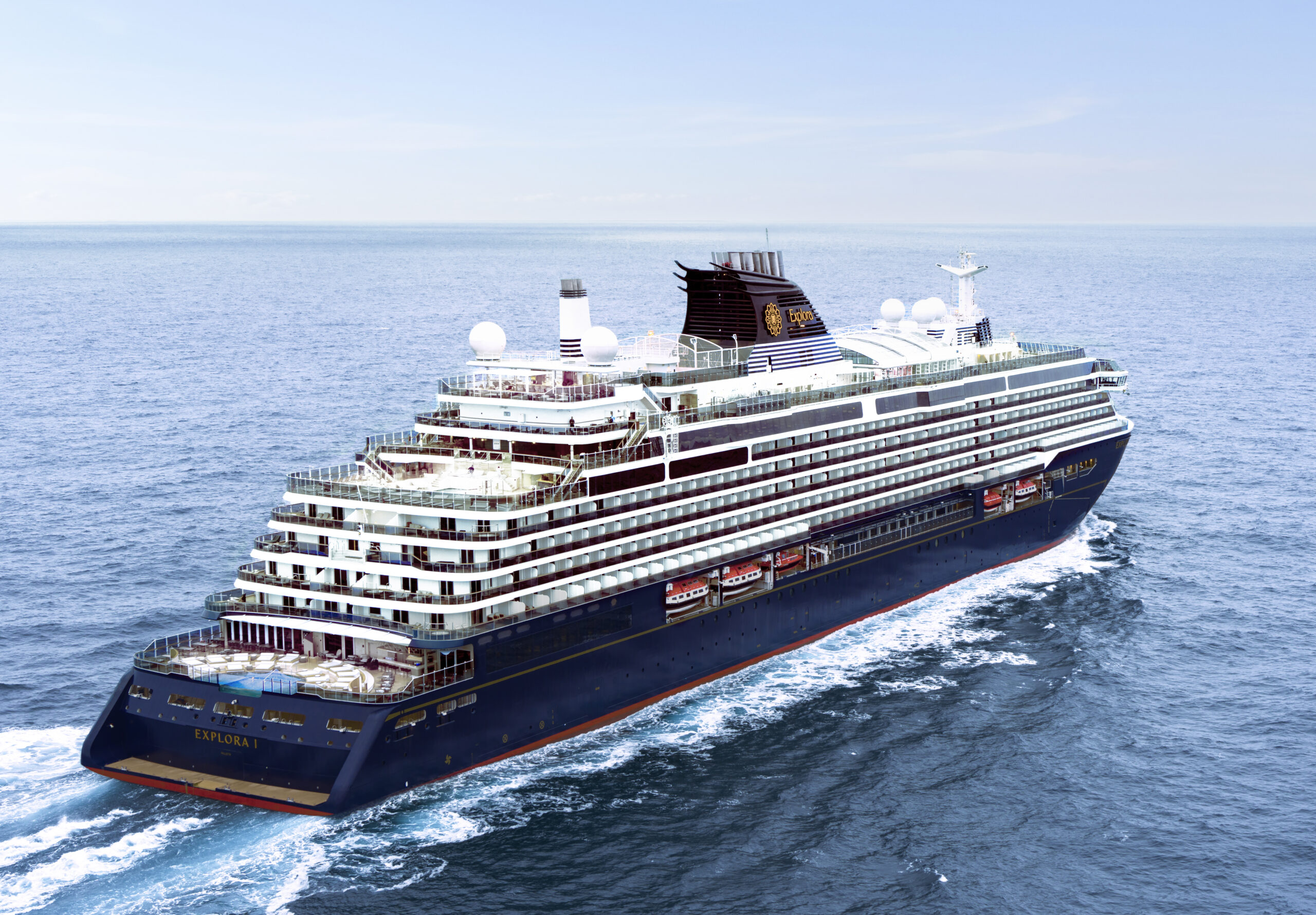
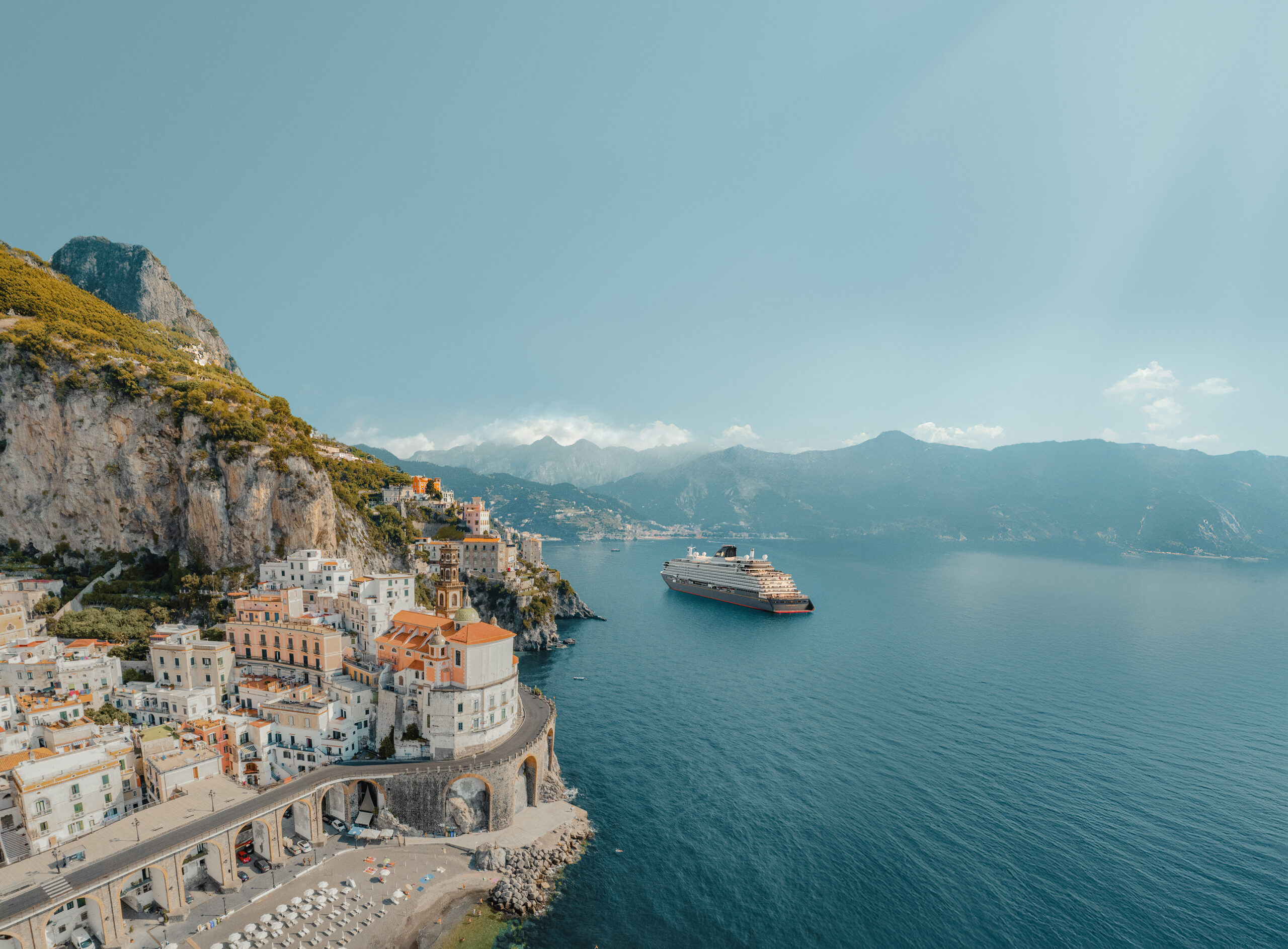
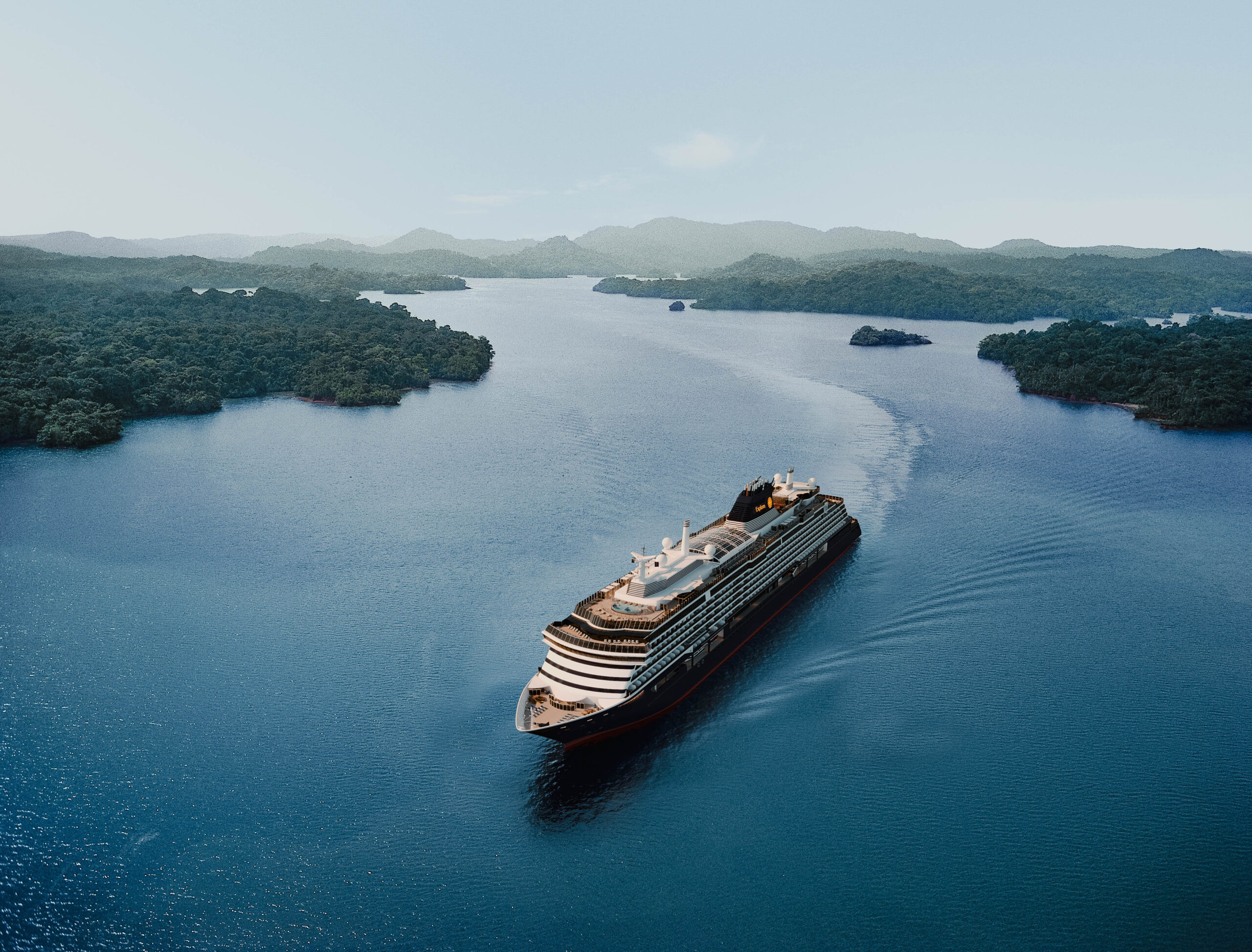
Azamara Journey, Quest, Pursuit and Onward are excellent small ships that offer a welcoming and relaxed club-like atmosphere.
Azamara’s fleet of small ships are focused on providing
destination immersion by spending as much time in port as possible
with itineraries designed to include overnight stays and late
evening departures. Enjoy more time to discover the local culture
and when back on board relax and enjoy a vibrant array of
inclusions.
One of our favourite cities in the world, we love pretty much everything about Sydney. Offering outdoor living at its best, the city is known for the excellent beaches but offers so much more, including a thriving and varied food scene inspired by Asian and European flavours. Walk through the Royal Botanic Gardens and admire the amazing views of the Harbour Bridge and Opera House from Mrs Macquarie's Chair, enjoy the cafés and bars in The Rocks district, walk across the top of the Harbour Bridge (or enjoy the easier option of a view from the top of one of the stone towers) or just relax on the beach.
The wonderfully named Mooloolaba stretches along a beautiful golden beach on Queensland’s idyllic Sunshine Coast, and it’s a popular destination for a weekend escape from Brisbane. The seafront Esplanade is the place to be, lined with cafés, boutiques and upmarket restaurants.
The lively town of Airlie Beach is backpacker central, and serves as a transport hub for the many offshore attractions of the east coast. From here you can take a trip out to snorkel on the Great Barrier Reef, or visit the stunning tropical beaches of the nearby Whitsunday Islands.
Cairns is a buzzing tourist hub, gateway to the Great Barrier Reef and the Daintree Rainforest. A snorkelling trip out to the reef is the most obvious excursion to take here, but other options include riding the Skyrail cableway over the rainforest canopy or swimming in the croc-free saltwater lagoon.
More of a large town than a city, Darwin is less about what’s contained within the city limits and more about the huge expanse of wild landscape that’s outside it. Closer to Jakarta than Sydney, the city really does feel remote in its tropical perch.
The beaches, spectacular volcanic scenery and lush green rice terraces lend Bali a natural beauty that seems to dovetail perfectly with the island’s distinct Hindu culture, which adorns the landscape with stunning temples.
The sweltering city of Semarang, on the north coast of Java, is an intriguing mish-mash of Chinese, Islamic and Dutch colonial influences. We recommend escaping the heat with a trip up into the mountains to visit a coffee plantation, or joining an excursion to the extraordinary temple complex at Borobudur.
Indonesia’s capital is noisy, chaotic and choked with some of the worst traffic in Asia, a sprawling megacity that’s home to over 10 million people. If you can get past all of that then Jakarta has plenty to offer, with the country’s best museums and restaurants, an atmospheric old harbour and a rich mix of cultures from all over the Indonesian archipelago.
Singapore’s heritage as an important trading post means that there is a real cultural mix, with four official languages: English, Chinese, Malay and Tamil. Step away from the gleaming towers and you’ll find yourself transported into another world amongst the intoxicating streets of Chinatown and Little India.
Saigon, as it was known then, was the capital of the South during the Vietnam War, and American-style capitalism has been embraced more enthusiastically here than in the North, with a clutch of shining skyscrapers standing as testament to Vietnam’s surging economic growth.
Da Nang is the largest city in central Vietnam, and was the site of a major US airbase during the Vietnam War. The main point of interest in the city itself is the excellent Cham Museum, while nearby attractions include Hoi An, the Marble Mountains and the imperial citadel of Hue.
Hong Kong is a striking mix of ancient and modern, Chinese and British, and there is a lot more to the city than just skyscrapers and high finance. It's also a fantastic destination for foodies, a melting pot of culinary influences from around Asia and beyond.
Keelung is a fairly unremarkable port city close to Taipei, Taiwan’s capital. Taipei draws on an interesting mix of Chinese, Japanese and Western influences, and is home to attractive temples, a burgeoning street food scene and Taipei 101, which was the world's tallest building until it was eclipsed by Dubai's Burj Khalifa in 2010.
Naha is the capital of Okinawa prefecture, a subtropical region of southern Japan with its own distinct culture. The city is a bustling commercial centre despite being flattened during the Second World War, and the architectural highlight is the elegant Shuri Castle, a UNESCO World Heritage Site.
The small, laid back city of Kochi is situated on the south coast of Shikoku island, an important place of pilgrimage for Japanese Buddhists. Three of the 88 temples on the pilgrimage route are in Kochi, and the city is also known for its elegant 17th century hilltop castle.
Small in size and cosmopolitan in its outlook, Kobe is a thoroughly pleasant city with a long and distinguished history as one of Japan’s main trading ports. Kobe’s past as a commercial hub is reflected in its architecture, with a number of unusually European-looking houses, as well as a charming, if slightly touristy, Chinatown.
On 6 August 1945 the world witnessed the terrifying power of nuclear weapons for the first time, unleashed on the unsuspecting Japanese city of Hiroshima. The modern city's sobering Peace Memorial Park commemorates that fateful day, which left more than 140,000 dead.
Steam rises over the spa town of Beppu, home to numerous onsen (hot springs) and the surreal red waters of the macabre-sounding ‘blood pond hell’. Beppu is also close to Mount Aso, the largest active volcano in Japan, and the ancient temples of the Kunisaki Peninsula.
Busan is South Korea’s second biggest city and one of the world’s busiest container ports, but it’s an easygoing place with a discernibly different character to Seoul. Haeundae beach is a popular summer holiday destination for Koreans, while the pungent Jagalchi market sells every type of fish and sea creature imaginable.
The port of Sakaiminato is known for its fishing industry and superb seafood, and it’s a short drive from Matsue and its famous medieval ‘Black Castle’. Sakaiminato is also the home of the popular Japanese manga artist Mizuki Shigeru, and the town is full of statues celebrating his work.
Kanazawa rivals Kyoto for historical significance, though the city is far less overrun with tourists. The 17th-century Kenroku-en garden is the jewel in Kanazawa’s crown, filled with pretty ponds and waterfalls, and the city is also home to exceptionally well preserved samurai and geisha districts.
Set amongst snowy mountains on the west coast of Honshu, the city of Niigata is known for its ski resorts, seafood and hot springs, and produces some of the finest sake in Japan. Other attractions nearby include Shibata’s impressive castle and the town of Murakami, renowned for its traditional wind-dried salmon.
The city of Aomori, at the northern tip of Honshu island, is best known for its summer Nebuta Matsuri festival, which lights up the streets every August. There is still plenty to see during the rest of the year, including elegant Hirosaki Castle, pretty Lake Towada and the Seiryu-ji Temple, home of the largest Buddha statue in Japan.
In a state of constant renewal and forever looking to the future, densely populated Tokyo is a dazzling introduction to Japan and its utterly unique culture. With more neon than Las Vegas and more Michelin stars than Paris, it’s a real assault on the senses.