From Valletta to Málaga · Mediterranean · 10 nights
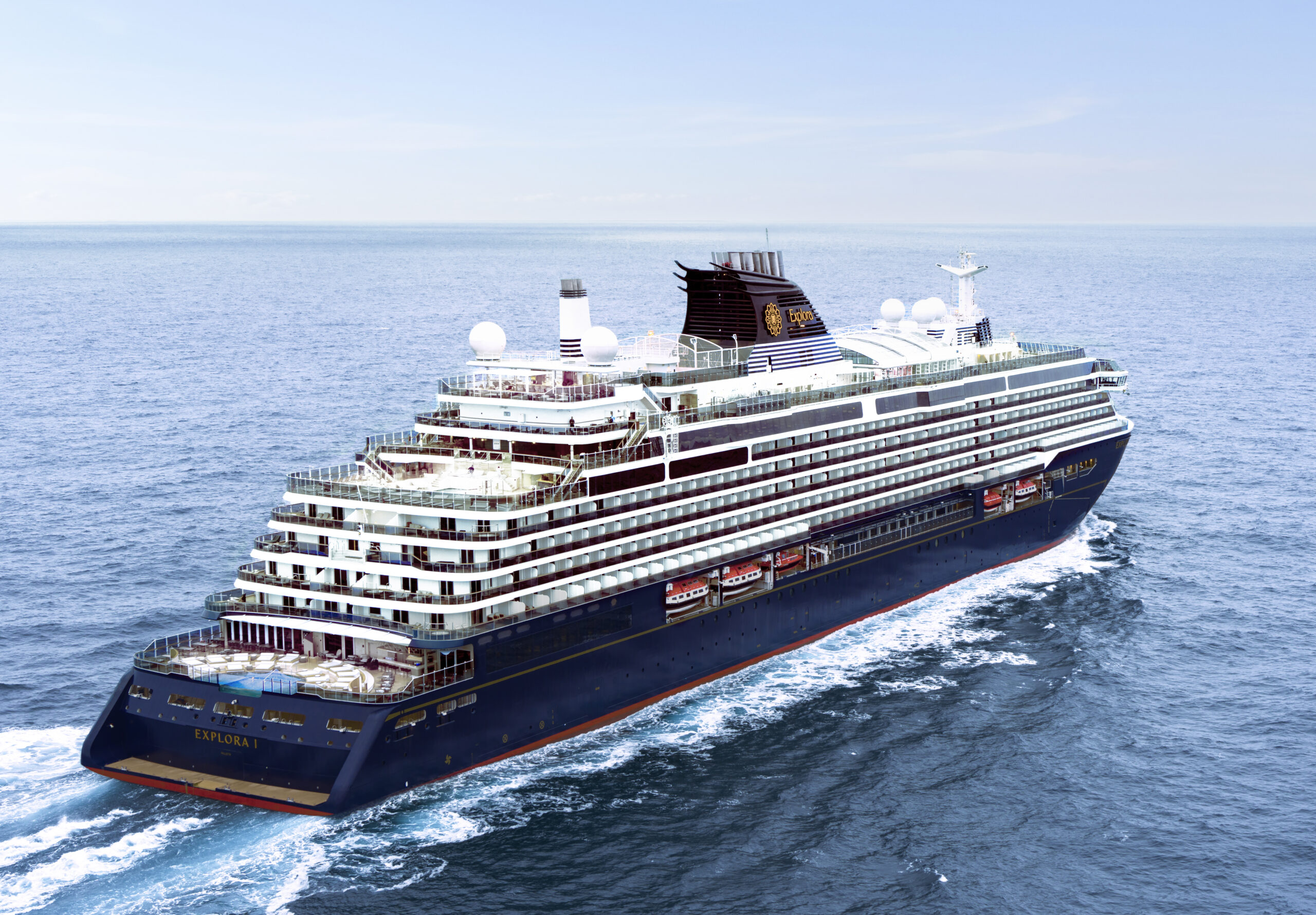
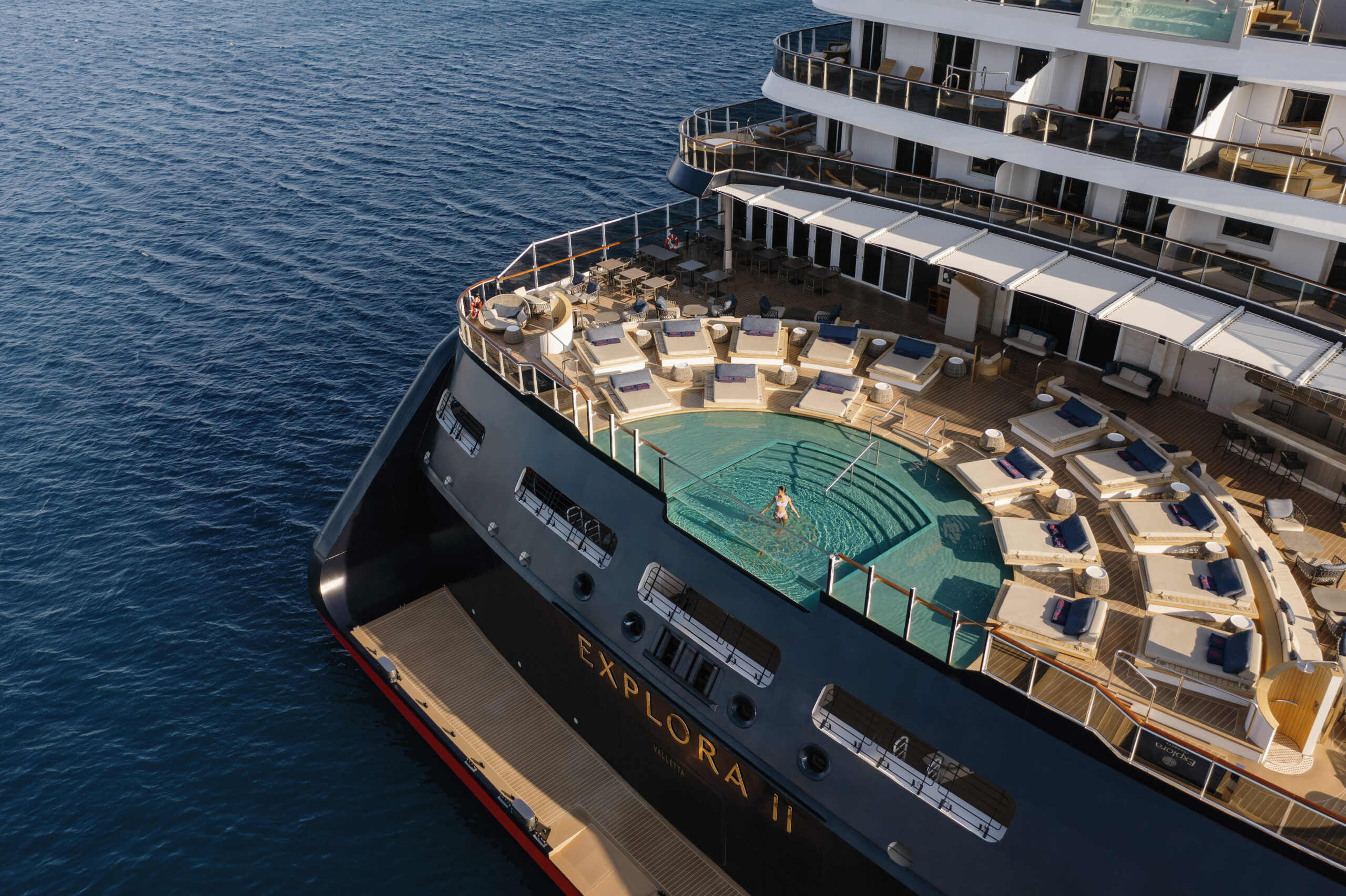
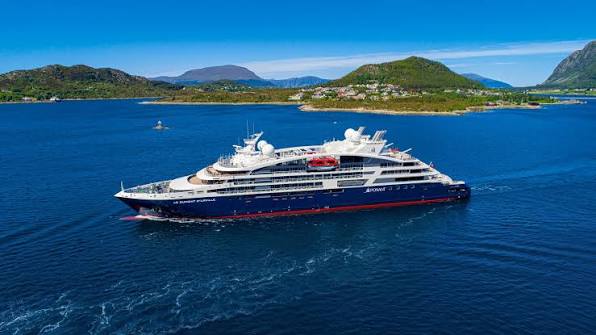
Sleek and stylish, Ponant’s wonderful Explorer yachts blend luxury and intimacy with a discreet elegance and tasteful décor.
Named after six of France’s most famous explorers, Le Champlain,
Le Lapérouse, Le Bougainville, Le Dumont d’Urville, Le Bellot and
Le Jacques Cartier offer exciting and adventurous itineraries in
the utmost comfort. Technologically advanced, with the latest in
environmentally friendly hardware, the new ships embody Ponant’s
trademark élan and flair, with just 92 spacious rooms and suites, a
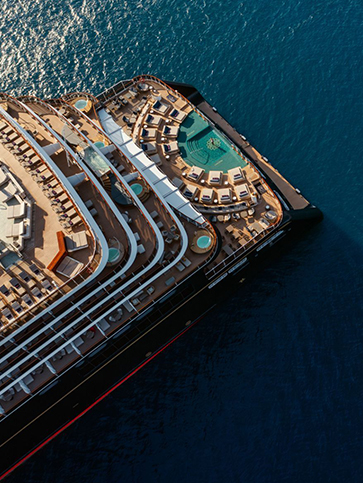
stylish pool deck and an intimate, refined onboard ambience.
Malta's tiny capital, established by the Knights of St John, packs in an awful lot of history considering its diminutive size. The atmospheric old streets, bathed in Mediterranean sunshine, are full of attractive honey-golden buildings, along with an impressive selection of bars and restaurants.
Founded by Greek colonists in 734 BC, Siracusa was once the largest city in the ancient world, surpassing even Athens in its splendour. Highlights include the island of Ortigia, where narrow streets are lined by beautiful Baroque architecture, and the impressive ruins at the Parco Archeologico della Neapolis on the Sicilian mainland.
Porto Empedocle, on the south west coast of Sicily, is the gateway to Agrigento and the UNESCO-listed Valley of the Temples. The temples are all that is left of the city of Akragas, one of the most impressive Ancient Greek sites outside of Greece itself.
Tunisia’s capital is a whirlwind of energy, the narrow lanes of the old medina packed with people and the roads noisy with traffic. The more orderly streets of the Ville Nouvelle are home to some handsome colonial buildings, while the ruins of ancient Carthage make for a fascinating day trip.
The streets of Algiers have so many stories to tell. Broad boulevards and elegant villas are legacies of the French colonial period, while the atmospheric Casbah, a UNESCO World Heritage Site, is the city’s Islamic heart. Algeria has been through some difficult times in recent years, but the people are warm, friendly and keen to welcome tourists.
Cartagena was founded by the Carthaginians around 227 BC, who named it after their home city in North Africa. These days the city is best known for its well-preserved Roman theatre, which was remarkably only discovered in 1987, in spite of its location in the centre of town.
Situated on the sunniest stretch of the Andalusian coast, Almeria is little visited by tourists, but the narrow streets of the old town contain some intriguing Mudejar-style architecture. The surrounding landscape is almost lunar in appearance, and has served as the backdrop for many films, from spaghetti westerns to 'Lawrence of Arabia'.
Melilla is a post-colonial oddity, a Spanish enclave on the north coast of Morocco. The city is a fascinating blend of Spanish, Moorish and Berber influences, with an impressive collection of modernist buildings, plenty of bustling tapas bars and an atmospheric walled old town, the Medina Sidonia.
The bustling port of Motril is less than an hour’s drive from Granada, last stronghold of the Moors in Spain and home to the famous Alhambra palace. The narrow streets of the Albayzín quarter are particularly evocative of the days of Al Andalus, and you can explore Granada’s Jewish heritage in the atmospheric Realejo district.
Málaga boasts plenty of chic restaurants and bars where you can ease into the rhythms of life in southern Spain, before exploring sights including the intriguing, unfinished Gothic cathedral, and a museum devoted to the city's most famous son, Pablo Picasso.