From Athens (Piraeus) to Valletta · Mediterranean · 8 nights
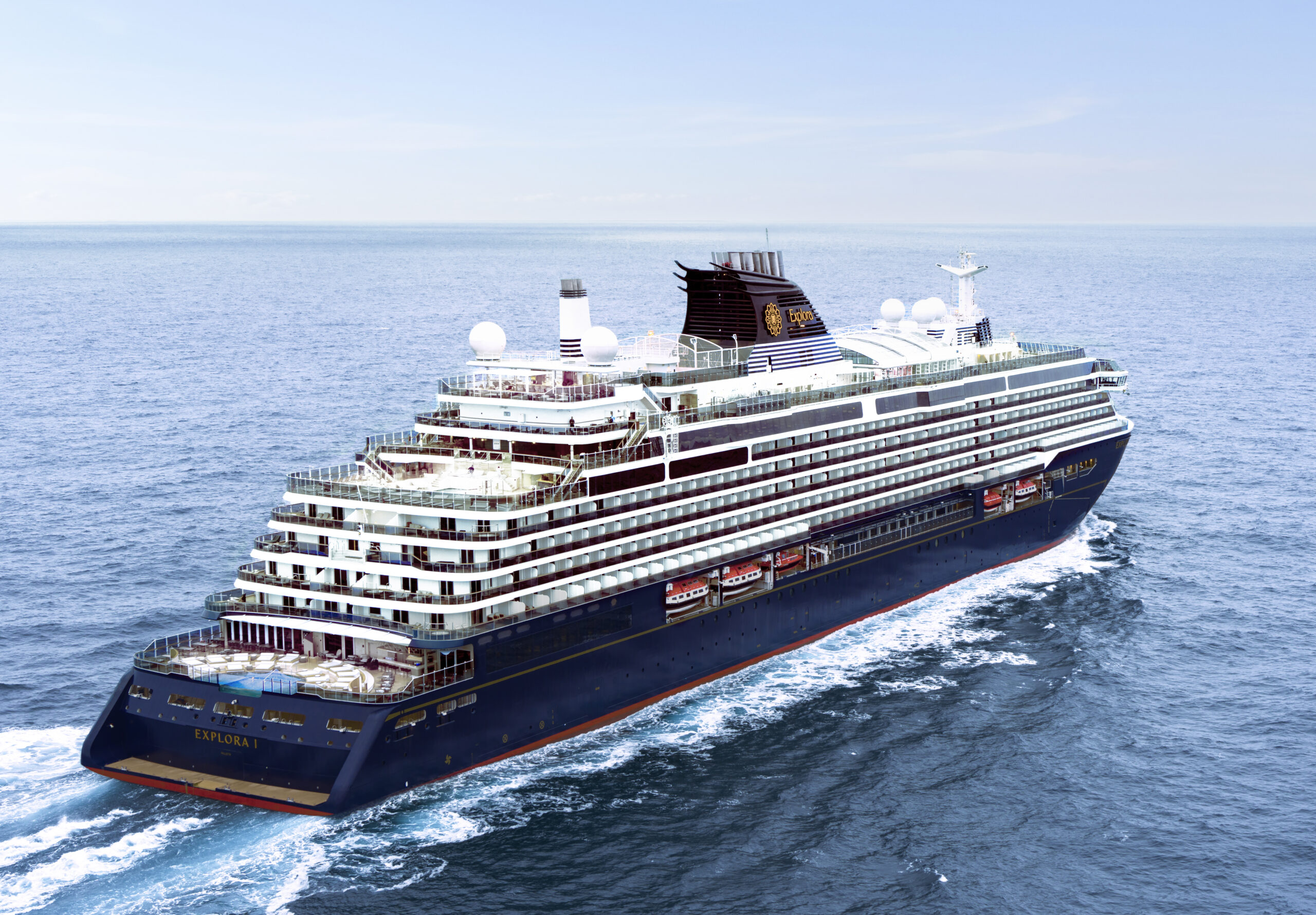
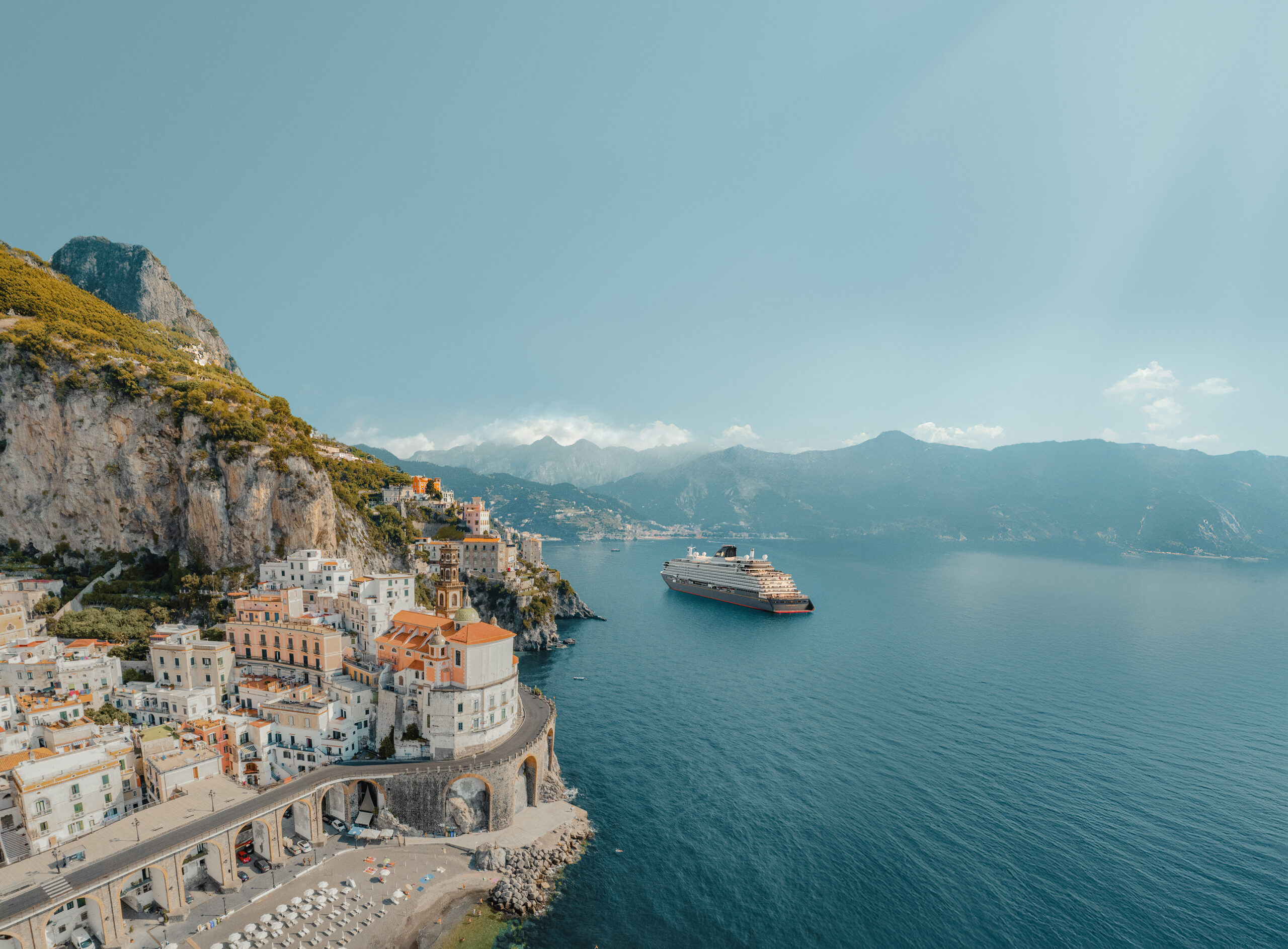
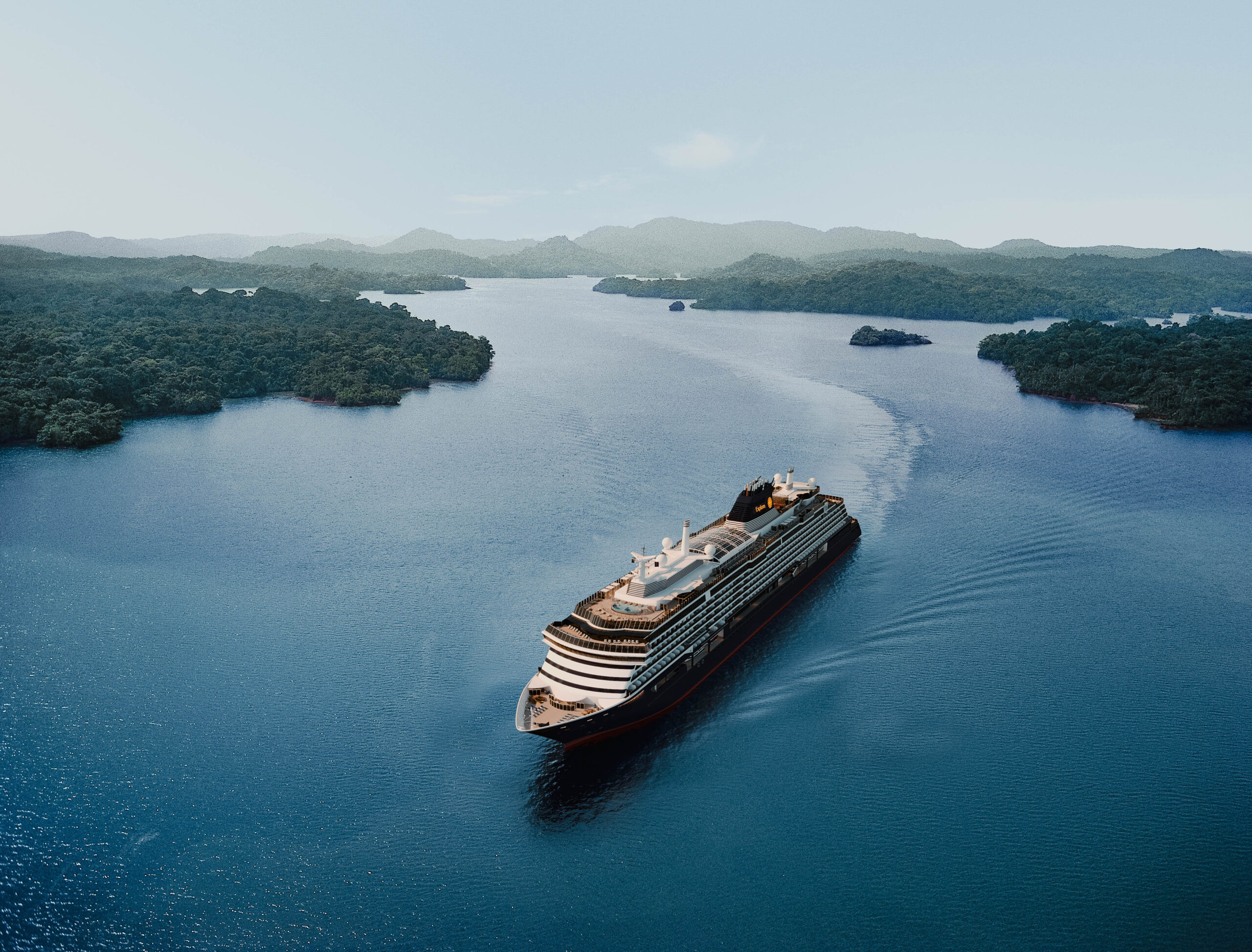
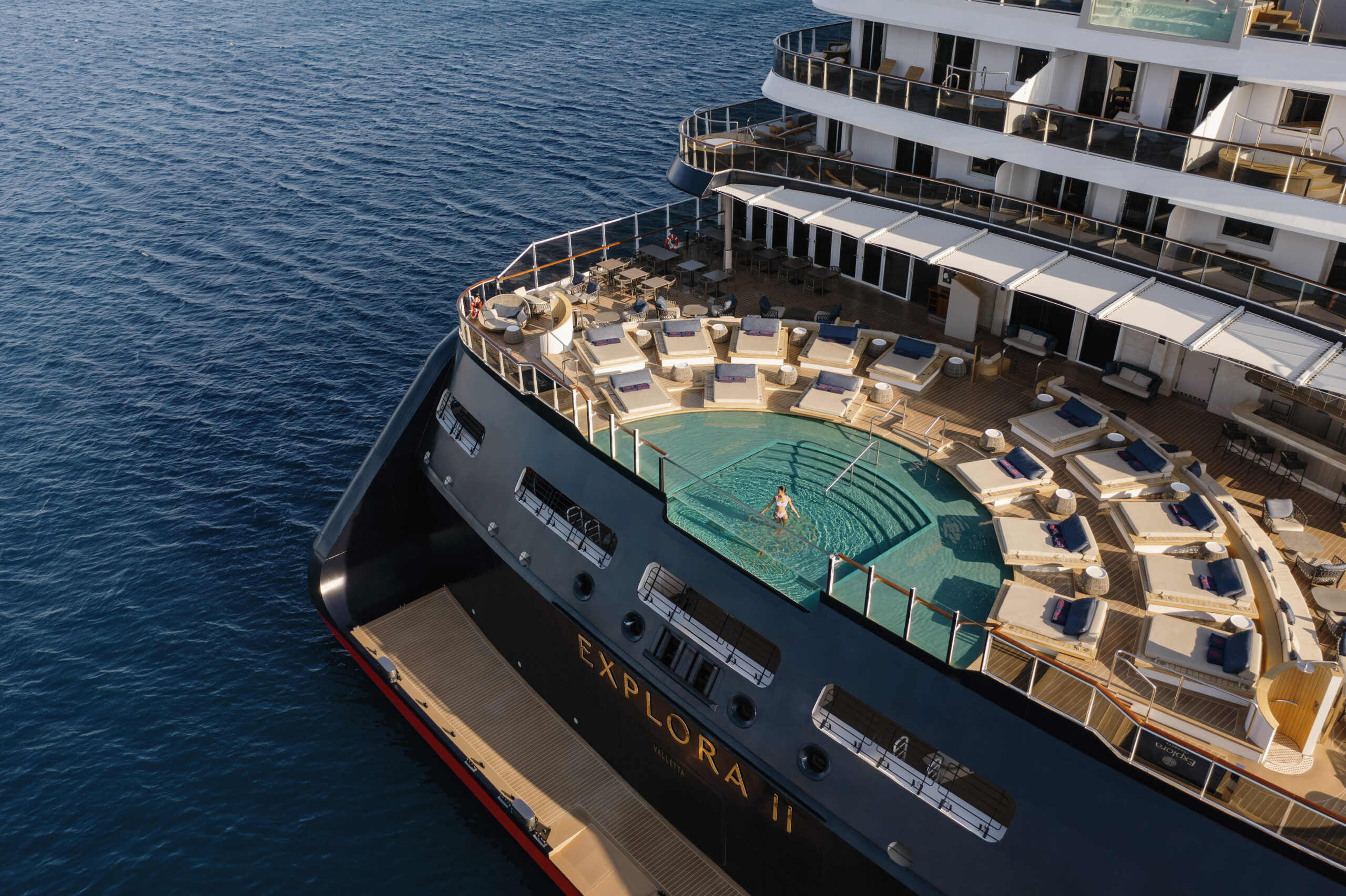
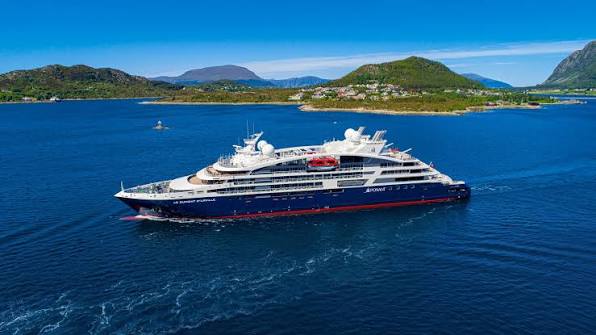
Sleek and stylish, Ponant’s wonderful Explorer yachts blend luxury and intimacy with a discreet elegance and tasteful décor.
Named after six of France’s most famous explorers, Le Champlain,
Le Lapérouse, Le Bougainville, Le Dumont d’Urville, Le Bellot and
Le Jacques Cartier offer exciting and adventurous itineraries in
the utmost comfort. Technologically advanced, with the latest in
environmentally friendly hardware, the new ships embody Ponant’s
trademark élan and flair, with just 92 spacious rooms and suites, a
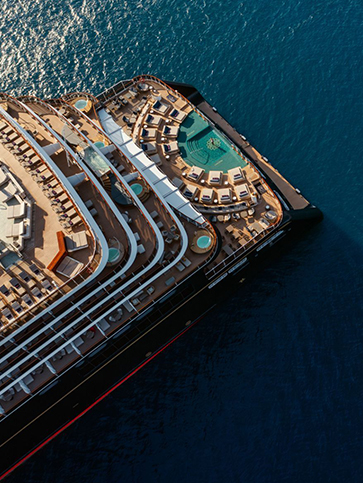
stylish pool deck and an intimate, refined onboard ambience.
Athens is a city awash with historical and cultural significance. Towering over the city are the gleaming columns of the Parthenon, surely one of the most iconic sights in the whole of Europe. And yet Athens is much more than an open air museum; this is a dynamic, bustling metropolis, and a place where history is still very much unfolding. For all its faults, the Greek capital possesses an energy and an optimism that are manifest in everything from the burgeoning art scene to the restaurants and bars that continue to pop up on a regular basis.
Saint John is said to have written the Book of Revelations in a cave on Patmos, and today the spot is marked by the hillside Monastery of the Apocalypse. As well as spirituality, the island is known for its beaches and upmarket vibe, with a scattering of stylish restaurants and bars.
Delos was venerated by the Ancient Greeks as the birthplace of the gods Apollo and Artemis, and the sprawling ruins are now a UNESCO World Heritage Site. Delos sits at the centre of the Cyclades group, which take their name from the fact that they encircle the sacred island.
Paros gleams with a classic Cycladic colour palette of whitewashed houses and blue-domed churches, and is famous for its ancient marble quarries, which provided the raw material for the Venus de Milo. The island is also home to some great restaurants, peaceful inland villages and lovely beaches.
The Peloponnesian town of Pylos has a rich history, mentioned in antiquity by Homer and home to the ruins of the Mycenaean Palace of Nestor. In 1827 the Ottomans were defeated here at the Battle of Navarino, a pivotal moment in the Greek War of Independence, and you can still see shipwrecks in the bay.
The pretty town of Parga sits on the Ionian coast of northwest Greece, on a sandy bay between two rocky outcrops. The pastel-coloured houses and lively seafront tavernas make this a pleasant place to spend some time, and points of historical interest include the hilltop Venetian castle.
The charming Puglian town of Gallipoli lies close to the bottom of Italy’s ‘heel’, with the modern town on the mainland connected by bridge to the walled old town, which sits just offshore on its own island. The cobbled streets are a delight to explore, full of beautiful baroque palazzi and enticing seafood restaurants.
Taormina enjoys a truly spectacular setting on Sicily’s east coast, perched on a mountainside looking out towards the smouldering Mount Etna. The medieval streets are pleasant but often crowded in high season, so we’d recommend getting out and exploring the surrounding countryside.
Founded by Greek colonists in 734 BC, Siracusa was once the largest city in the ancient world, surpassing even Athens in its splendour. Highlights include the island of Ortigia, where narrow streets are lined by beautiful Baroque architecture, and the impressive ruins at the Parco Archeologico della Neapolis on the Sicilian mainland.
Malta’s tiny capital, established by the Knights of St John, packs in an awful lot of history considering its diminutive size. The atmospheric old streets, bathed in Mediterranean sunshine, are full of attractive honey-golden buildings, along with an impressive selection of bars and restaurants.