From Fusina to Athens (Piraeus) · Mediterranean · 14 nights
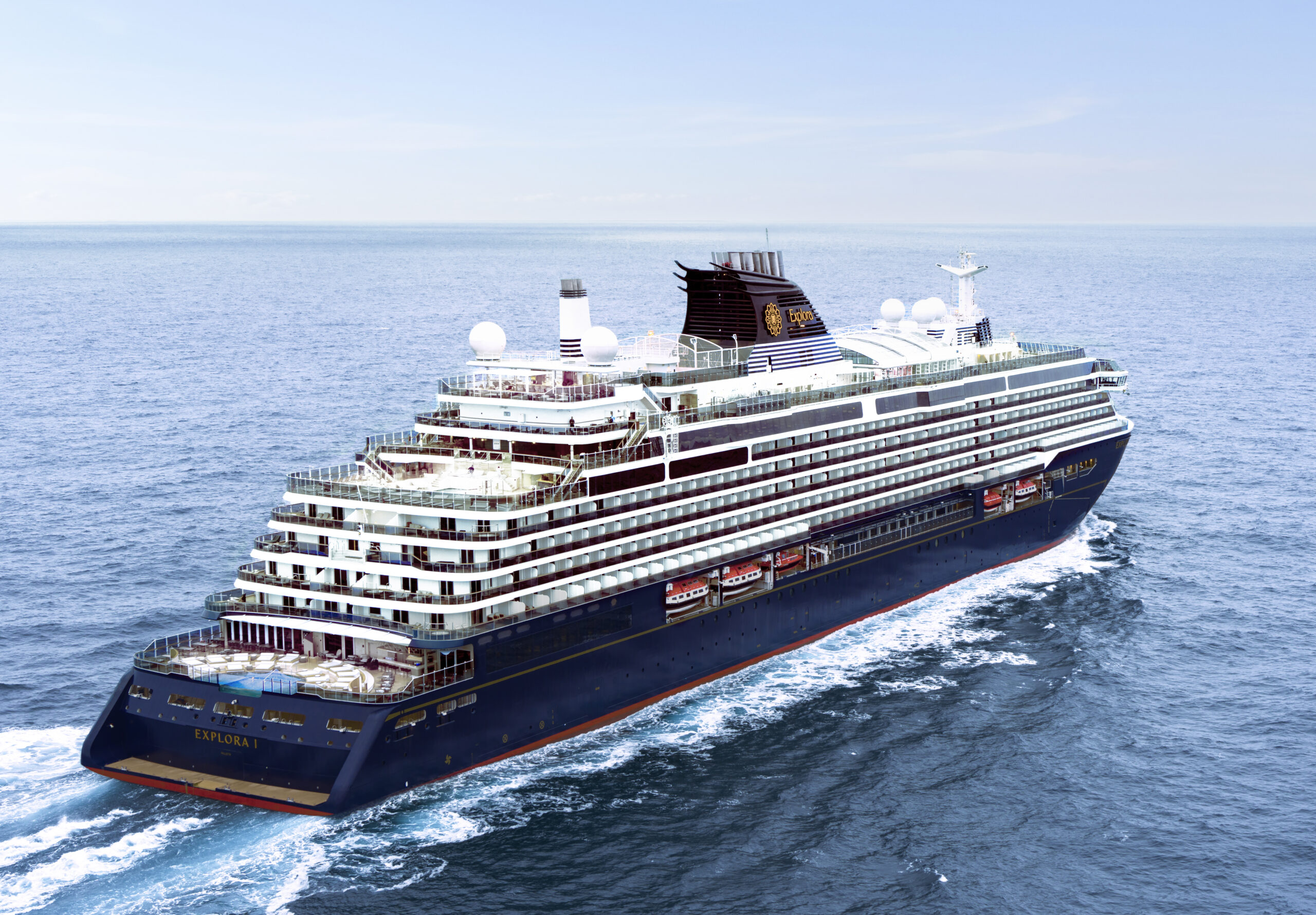
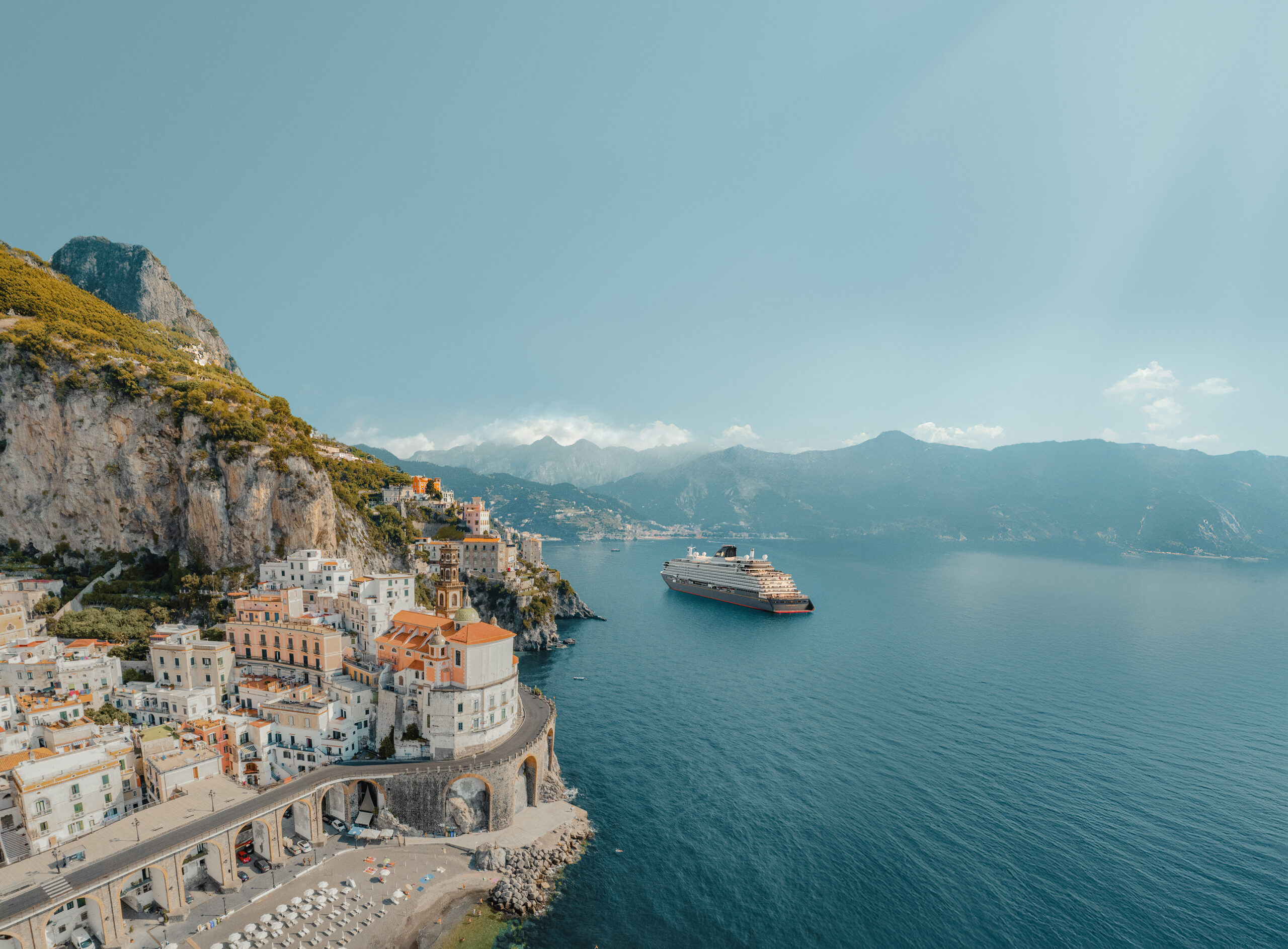
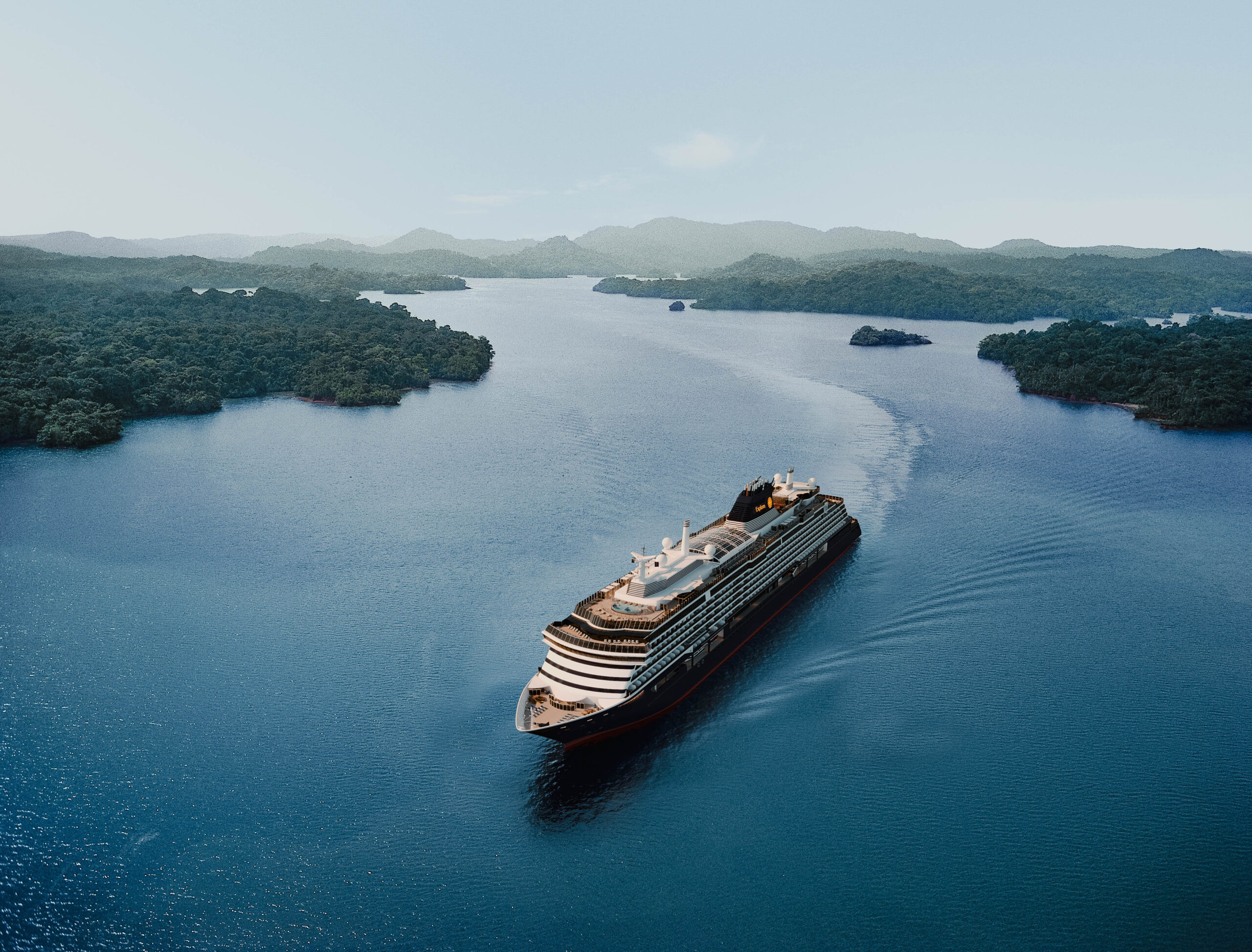
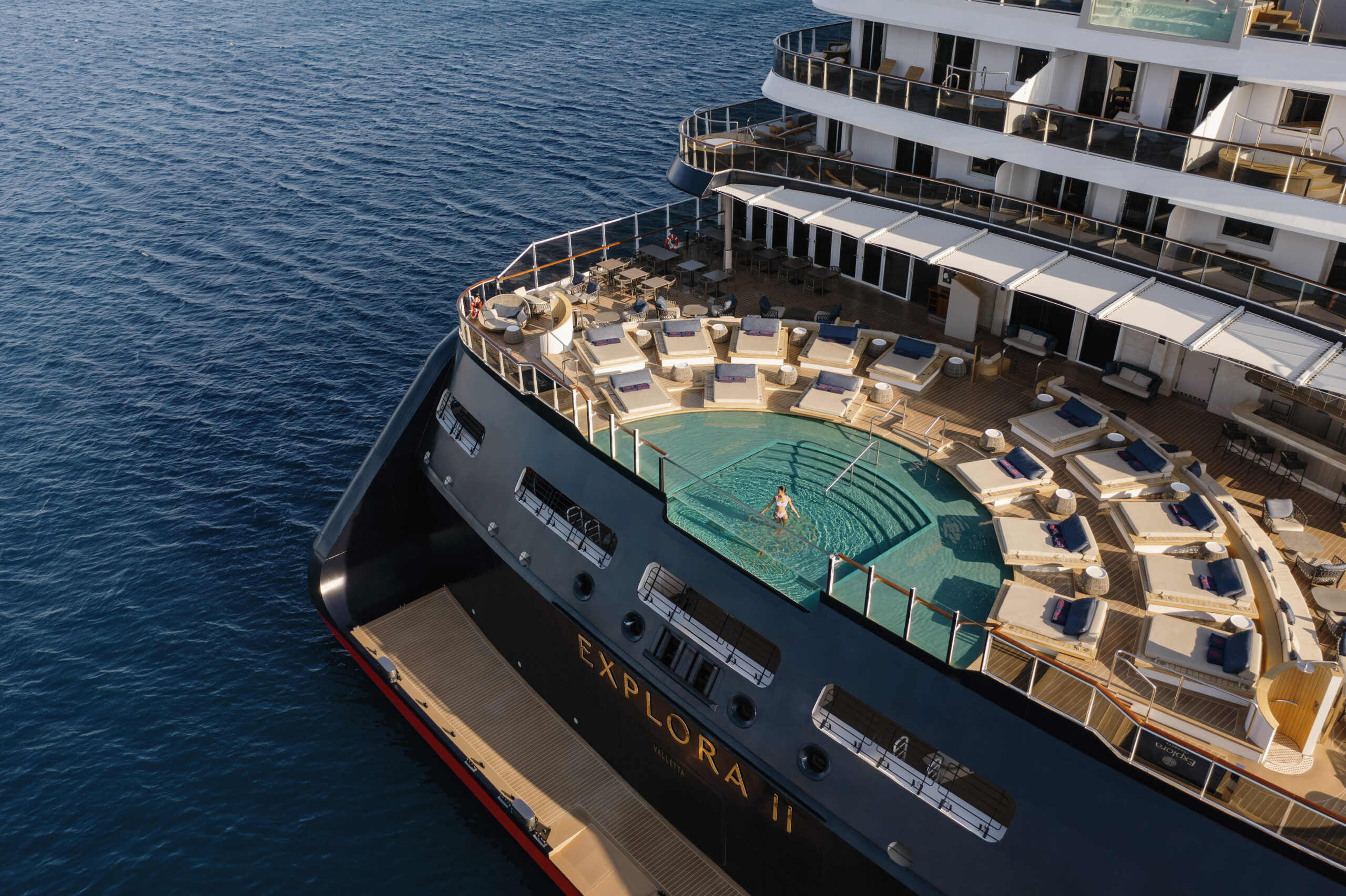
Explora I launched in 2023 with Explora II following in 2024, and these luxury all-inclusive resort-style vessels marked the entrance of new cruise line Explora Journeys into the luxury cruise market.
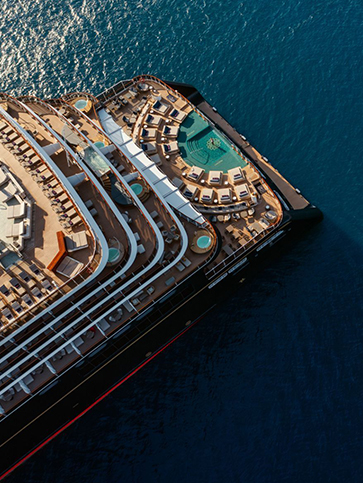
These identical ships feature spacious accommodation, generous
outdoor areas, a huge choice of restaurants, an attractive guest to
crew ratio of 1.25 to 1, three outdoor pools and a fourth with a
retractable glass roof, these ships really have it all.
Fusina is on the mainland just across the Venetian Lagoon from Venice and is a common embarkation and disembarkation port for those ships who can no longer call into the heart of the city. Convenient for the airport but offering little else in the immediate vicinity, it is in striking distance of Venice by water taxi and the treasures of Venice are well worth the journey, with highlights including the architectural marvels of St. Marks Basilica and Doge's Palace, the bustling Rialto Market or the quieter local neighbourhoods of Giudecca or Cannaregio. If you're extending your stay it is best to do so on one of Venice's islands to be close to the sights rather than in Fusina for the convenience of the port.
The largest town on Slovenia’s sliver of Adriatic coastline, Koper has an attractive medieval centre and some impressive Venetian architecture. There is also a sizeable Italian community here, reflected in the bilingual road signs, and it's a short drive across the border to the former Habsburg city of Trieste.
Hvar is the most popular of Croatia’s islands, a ruggedly beautiful place carpeted with lavender fields and dotted with little villages. The island’s capital, Hvar Town, is a charming collection of marble streets arranged around a harbour, and it gets very busy in the summer months.
We never fail to be moved when we see the terracotta roofs and honey-golden walls of Dubrovnik, and a stroll around the perfectly preserved old town is a highlight of any visit to the Dalmatian coast. Make sure you take the time to walk around the walls and soak up the marvellous sea views.
The beautiful Byzantine town of Monemvasia is dramatically located on a steep chunk of rock, originally a coastal headland until an earthquake in AD 375 turned it into an island. Nowadays access is via a narrow causeway, and the pretty streets of the medieval citadel are home to more churches than people.
Syros is one of the smallest of the Cyclades islands, though it’s also the administrative capital of the archipelago. Not many cruise ships call here, so you’ll find the beaches are much less crowded than other islands, and the main town, Ermoupoli, is home to a fascinating mix of architectural styles.
Athens is a city awash with historical and cultural significance, but it's much more than an open air museum; this is a dynamic, bustling metropolis, and a place where history is still very much unfolding.
The bustling port of Volos sits on the site of the ancient city of Iolkos, the mythological home of Jason and the Argonauts. The modern city has plenty of interesting museums and churches, along with a pleasant waterfront lined with restaurants.
Paros gleams with a classic Cycladic colour palette of whitewashed houses and blue-domed churches, and is famous for its ancient marble quarries, which provided the raw material for the Venus de Milo. The island is also home to some great restaurants, peaceful inland villages and lovely beaches.
Sun-kissed Rhodes, the largest of the Dodecanese islands, is steeped in history; the medieval heart of Rhodes Town was once home to the crusading Knights of St John, and later fell to the Ottoman sultan Suleiman the Magnificent. The hillside village of Lindos, with its pretty whitewashed houses, is another highlight.
The Turkish port of Kusadasi is the gateway to Ephesus, one of the most spectacular archaeological sites in the Eastern Mediterranean. This was the Roman capital of Asia Minor, and the remains constitute the most complete classical city in Europe.
Saint John is said to have written the Book of Revelations in a cave on Patmos, and today the spot is marked by the hillside Monastery of the Apocalypse. As well as spirituality, the island is known for its beaches and upmarket vibe, with a scattering of stylish restaurants and bars.
The volcanic island of Milos is ringed by pretty beaches and scattered with charming villages, famous as the place where the Venus de Milo was discovered by a local peasant in 1820. Milos is also known as the ‘island of colours’ thanks to its many-hued, mineral-rich cliffs and beaches.
Athens is a city awash with historical and cultural significance, but it's much more than an open air museum; this is a dynamic, bustling metropolis, and a place where history is still very much unfolding.