From Copenhagen to Hamburg · Northern Europe · 16 nights
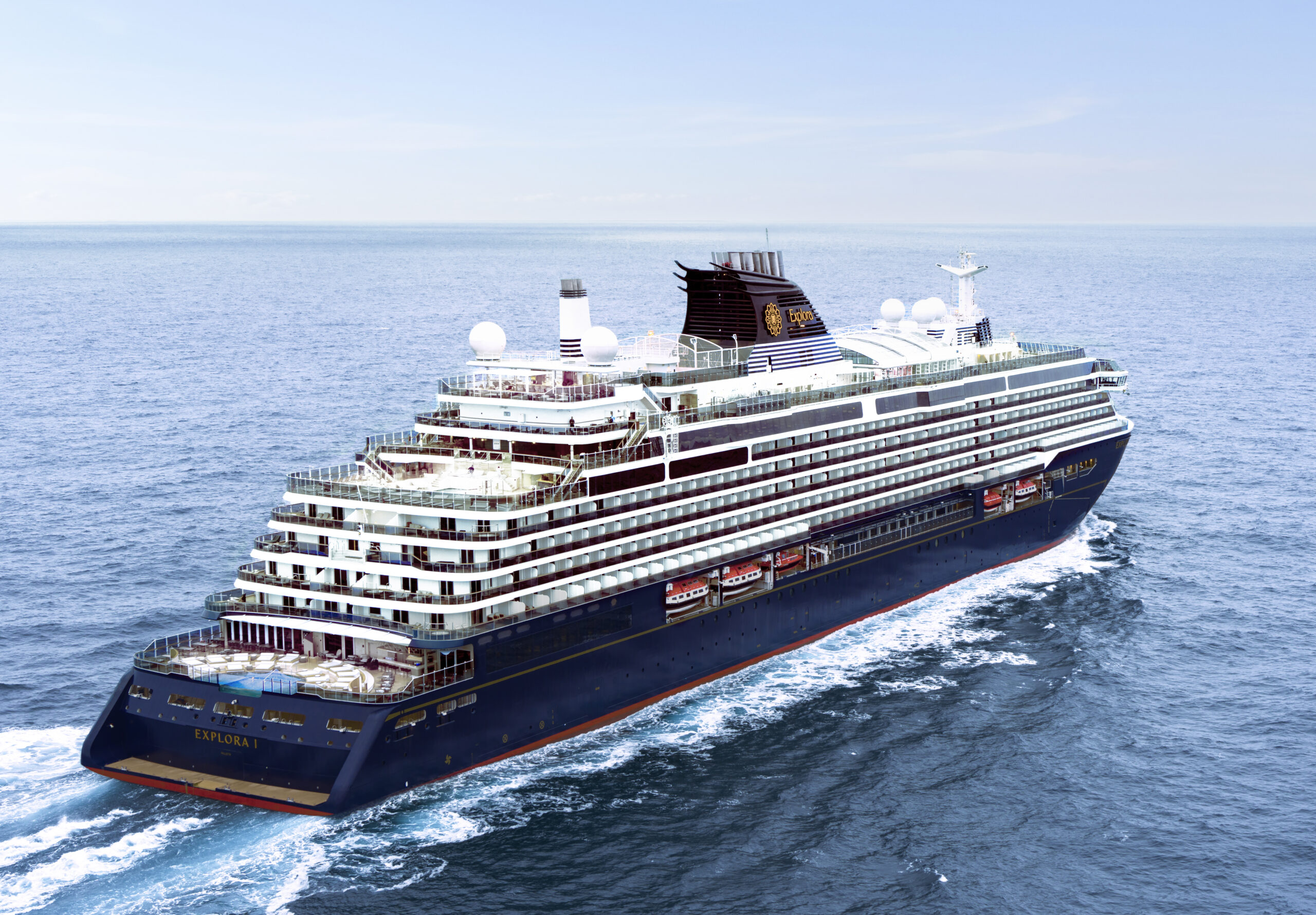
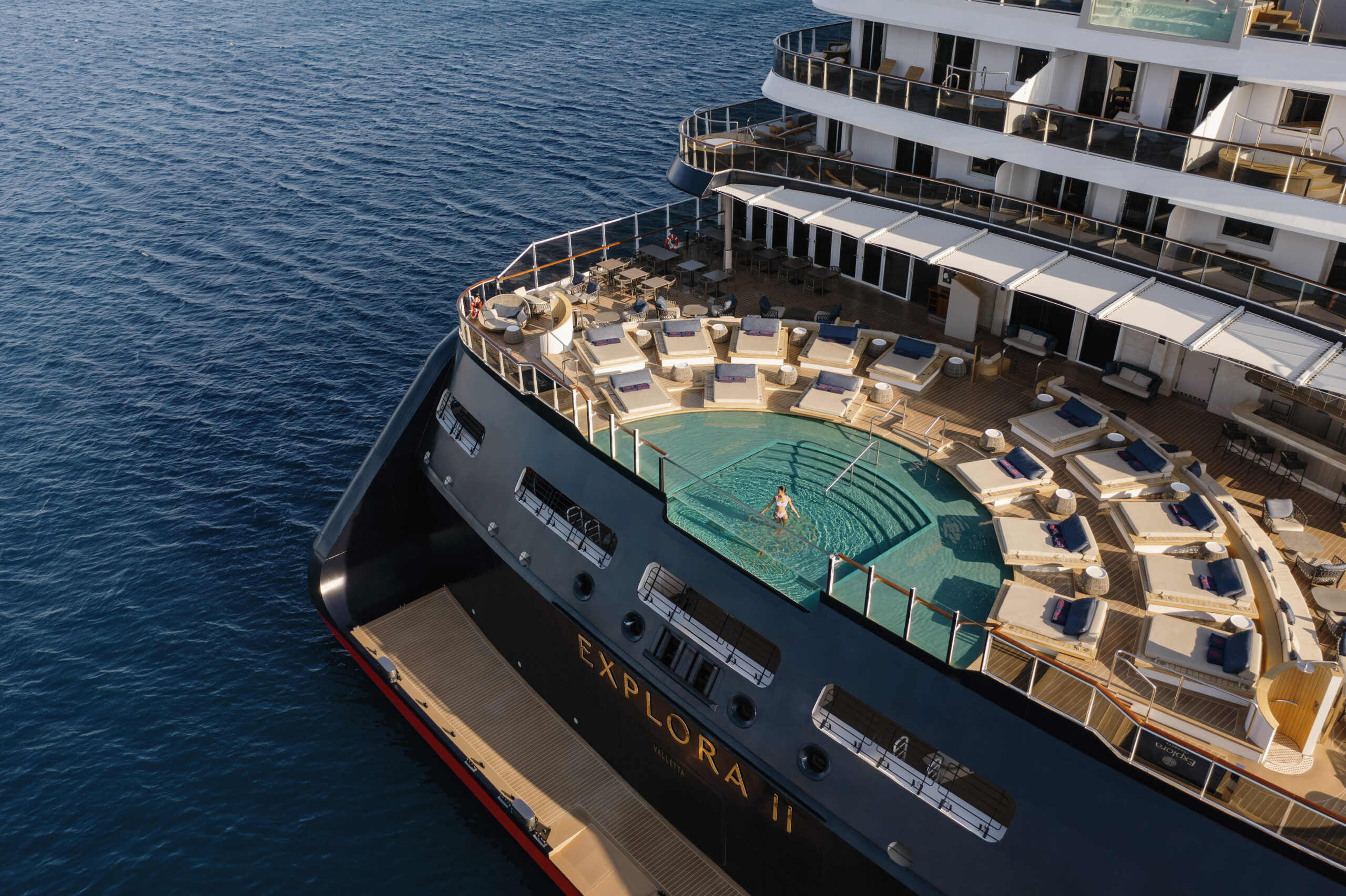
The Explora Journeys fleet continues to expand and the fifth vessel, Explora V, launches in December 2027 offering inaugural journeys in the Mediterranean and Arabian Peninsula.
Explora Journeys continues to grow whilst still nurturing its
commitment to sustainability and Explora V will be LNG-powered and
will also be the first ship in the fleet to be equipped with
next-generation fuel cell readiness, allowing the ship to use
hydrogen as a power source.
With a history that dates back to 1043, this small city is full of historic landmarks, significant buildings and interesting sights and museums. It is of course also a history that sits alongside the height of modern Danish design. It is great to explore on foot, by bicycle or by water. Be sure to visit Amalienborg Palace and to walk down the famed shopping street (Strøget). The pretty harbour of Nyhavn is a great location to stop for coffee or lunch and watch the world go by. And of course highlights include the Tivoli Gardens, and the (surprisingly) tiny statue of The Little Mermaid.
Dramatically located at the head of the Aurlandsfjord, the picturesque little village of Flåm is a popular base for excursions into Norway’s great outdoors. Strike out into the surrounding countryside and you’ll find steep mountains, cascading waterfalls and bucolic farms, with some spectacular walking and cycling trails.
The quiet town of Sandnes lies just to the south of Stavanger, and is close to the Lysefjord, one of the most popular tourist destinations in southern Norway. This beautiful fjord is famous for the Preikestolen, or Pulpit Rock, which juts out across the fjord and has graced countless postcards.
Lerwick is the only town of any size in the Shetland islands, and originally grew up around the herring trade. Highlights include the charming 18th century architecture along the waterfront and the informative Shetland Museum, which provides an excellent introduction to the history and culture of the islands.
Akureyri is Iceland’s second city, though with just 18,000 inhabitants it’s really more of a small town. Situated on the north coast at the head of Iceland’s largest fjord, it’s a cute and quirky place that also serves as a base from which to explore the bubbling mud pools and lunar landscapes around Lake Mývatn.
Ísafjörður is the largest town in Iceland’s wild Westfjords, dramatically located on a spit of sand hemmed in by mountains on three sides. The town itself is fairly low key, and the main attraction is exploring the surrounding landscapes, such as the spectacular Hornstrandir Peninsula.
Capital of Iceland and gateway to this extraordinary volcanic island, modern Reykjavík is home to an impressive collection of interesting attractions and places of historic significance. Visit the impressive Hallgrímskirkja church, relax in a thermal pool, potter around the old harbour, and enjoy 24 hour daylight in the summer months.
Heimaey is the largest of the Westman Islands, just off the south west coast of the Icelandic mainland. The jagged landscape is a reminder of the island’s volcanic origins; the most recent eruption, back in 1973, created the volcano now known as Eldfell, which looms over the island.
Djúpivogur is a little fishing village on the east coast of Iceland, at the mouth of a steep fjord, and has recently joined the ‘slow city’ movement, the first place in Iceland to do so. A popular excursion is the boat trip across to Papey island, where you’ll find thousands of seabirds and Iceland’s oldest wooden church
Tórshavn, named after the Norse god Thor, is one of the world’s smallest capitals, with a population of just 20,000. The brightly coloured facades and turfed roofs lend the harbour an attractive, storybook quality, and the narrow streets are home to some atmospheric pubs and cafés.
The Geirangerfjord is arguably the most spectacular fjord in all of Norway, a sinuous ten mile stretch of sheer mountain walls and tumbling waterfalls. The village of Geiranger itself sits at one end of the fjord, and in summer the population swells with an influx of visitors to this beautiful region.
Beautiful Bergen, Norway’s former capital, is a perfect city to explore on foot. Bryggen – the old Hanseatic wharf, and a UNESCO World Heritage site – still has the old harbour timber buildings, whilst other attractions include the funicular up Mount Floyen and the busy fish market.
Known locally as ‘the gateway to the world’, the port of Hamburg has a rich maritime history. Of course the city has its seedy side, as characterised by the old red light district around the Reeperbahn, but it’s also a vibrant, progressive city with some excellent museums, galleries and theatres.