From Copenhagen to Reykjavik · Northern Europe · 15 nights
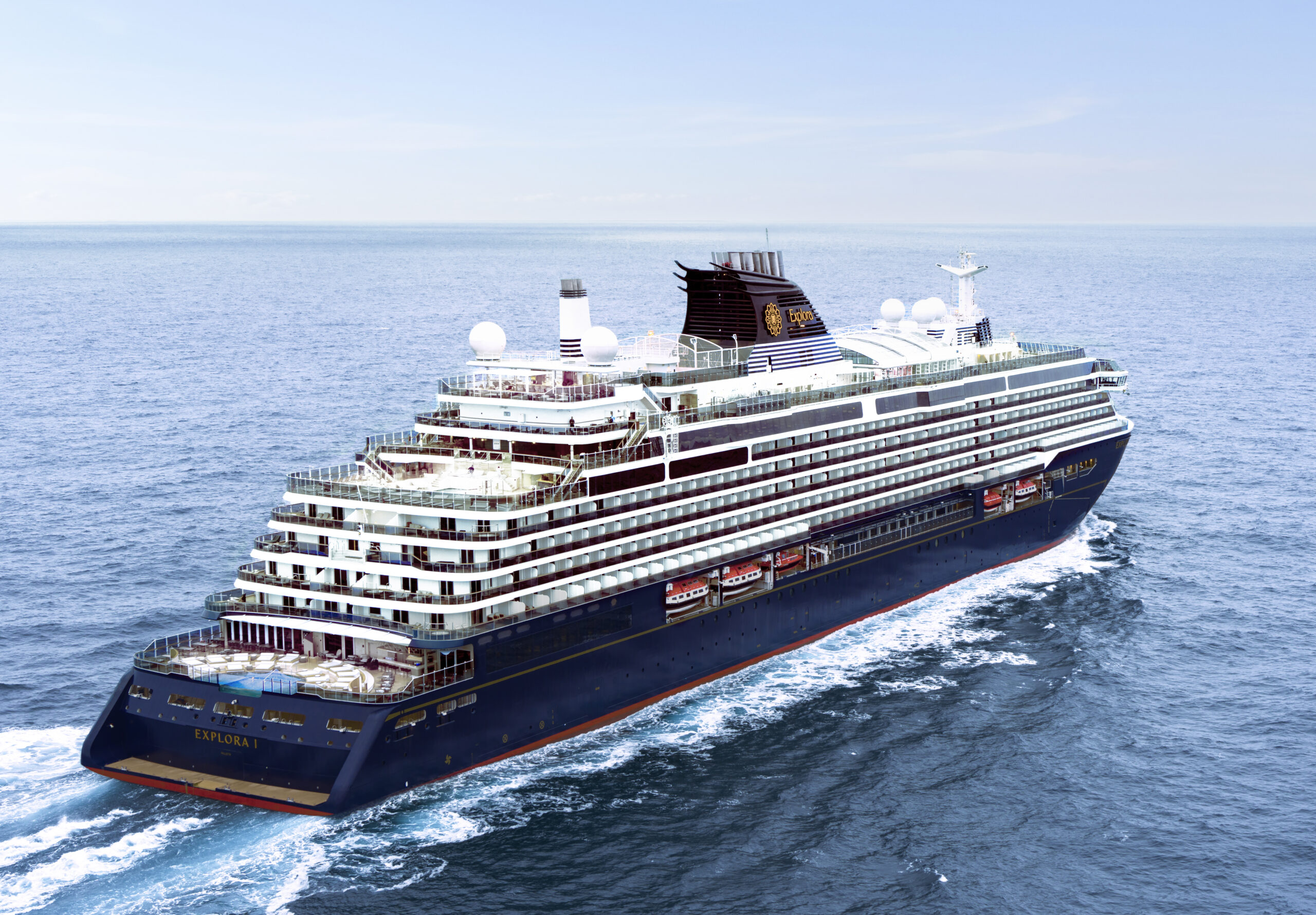
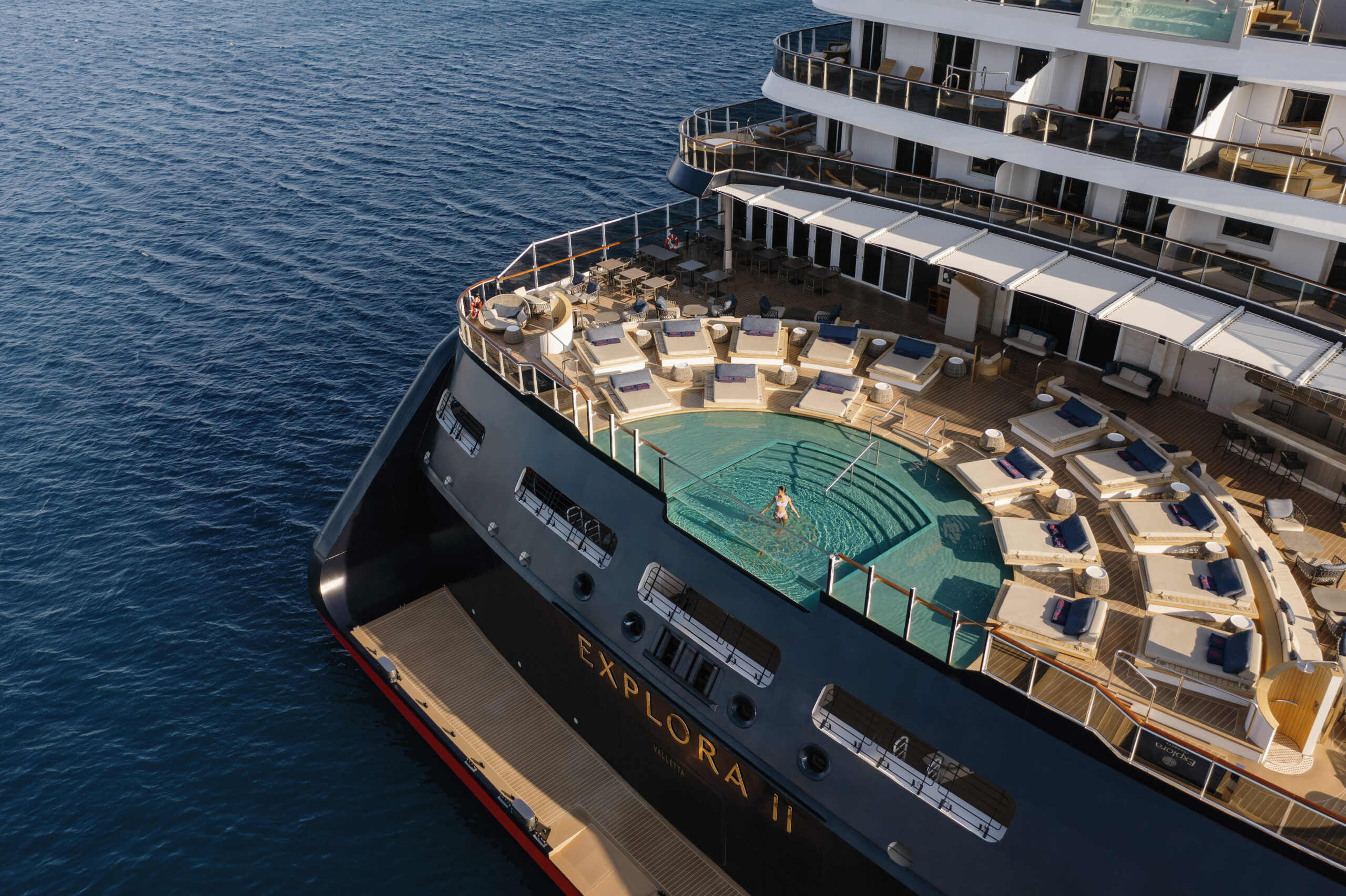
The Explora Journeys fleet continues to expand and the fifth vessel, Explora V, launches in December 2027 offering inaugural journeys in the Mediterranean and Arabian Peninsula.
Explora Journeys continues to grow whilst still nurturing its
commitment to sustainability and Explora V will be LNG-powered and
will also be the first ship in the fleet to be equipped with
next-generation fuel cell readiness, allowing the ship to use
hydrogen as a power source.
With a history that dates back to 1043, this small city is full of historic landmarks, significant buildings and interesting sights and museums. It is of course also a history that sits alongside the height of modern Danish design. It is great to explore on foot, by bicycle or by water. Be sure to visit Amalienborg Palace and to walk down the famed shopping street (Strøget). The pretty harbour of Nyhavn is a great location to stop for coffee or lunch and watch the world go by. And of course highlights include the Tivoli Gardens, and the (surprisingly) tiny statue of The Little Mermaid.
The town of Lysekil is situated at the mouth of the Gullmarsfjord on the west coast of Sweden, on a coastline characterised by red granite cliffs and scattered islands. Highlights include the excellent Havets Hus aquarium and the charming streets of the compact Old Town, the Gamlestan
The intriguing city of Oslo, Norway’s capital, has so much to offer, from the open air Norwegian Folk Museum to the amazing Vigeland sculpture park, and from the Holmenkollen Ski Museum to the Munch Museum’s collection of memorable paintings. History, art and culture are what defines this lovely city.
Known locally as ‘the gateway to the world’, the port of Hamburg has a rich maritime history. Of course the city has its seedy side, as characterised by the old red light district around the Reeperbahn, but it’s also a vibrant, progressive city with some excellent museums, galleries and theatres.
Southampton is the UK’s leading port. Bustling modern cruise terminals, as well as wharfs and commercial harbours, line the waterfront, whilst the city itself is a fascinating mix of ancient and modern, with a picturesque old town, the original city walls still standing, and super-modern shopping centres and office complexes
The waterfront town of Oban, situated on Scotland’s west coast, is the main gateway to the Hebridean islands, and it’s a busy place in summer. We recommend sampling the excellent seafood while enjoying the views across to the islands of Mull and Kerrera.
Situated on a natural harbour on the east coast of the Isle of Lewis, Stornoway is the largest town in the Outer Hebrides. The island is one of the last major strongholds of the Gaelic language, and is home to fascinating Neolithic sites such as the mysterious standing stones at Callanish.
Akureyri is Iceland’s second city, though with just 18,000 inhabitants it’s really more of a small town. Situated on the north coast at the head of Iceland’s largest fjord, it’s a cute and quirky place that also serves as a base from which to explore the bubbling mud pools and lunar landscapes around Lake Mývatn.
Ísafjörður is the largest town in Iceland’s wild Westfjords, dramatically located on a spit of sand hemmed in by mountains on three sides. The town itself is fairly low key, and the main attraction is exploring the surrounding landscapes, such as the spectacular Hornstrandir Peninsula.
Capital of Iceland and gateway to this extraordinary volcanic island, modern Reykjavík is home to an impressive collection of interesting attractions and places of historic significance. Visit the impressive Hallgrímskirkja church, relax in a thermal pool, potter around the old harbour, and enjoy 24 hour daylight in the summer months.