From Rome (Civitavecchia) to Barcelona · Mediterranean · 20 nights
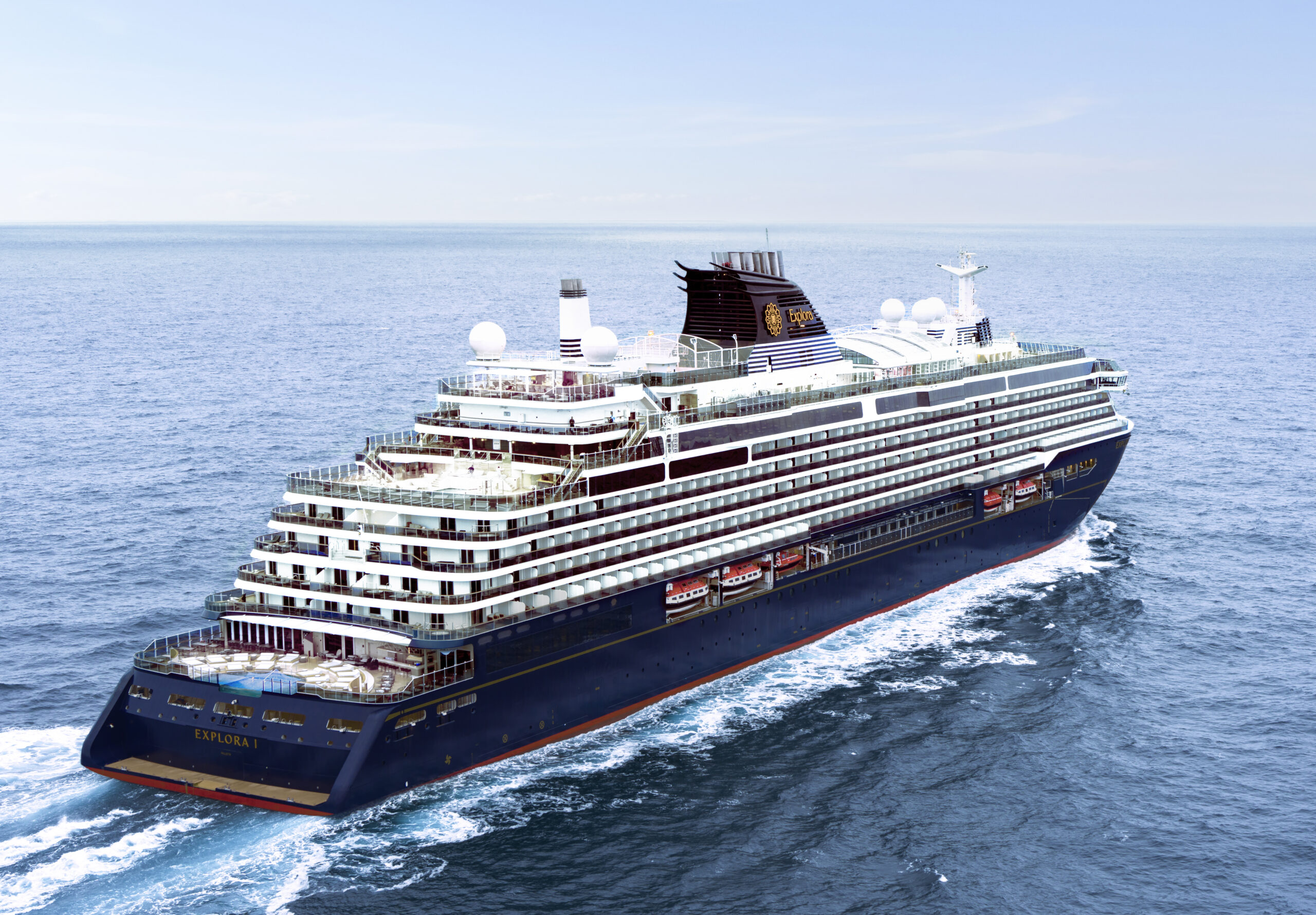
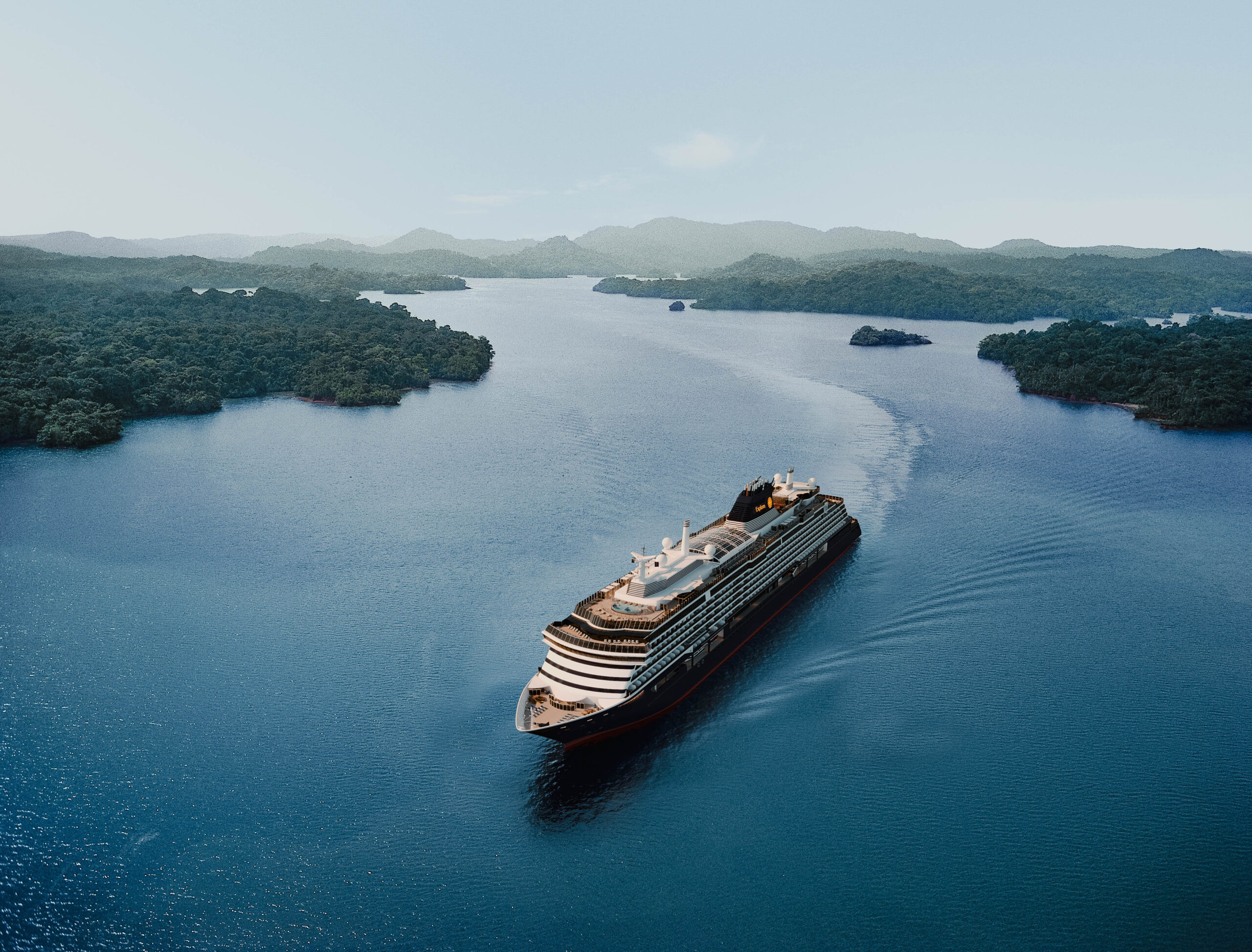
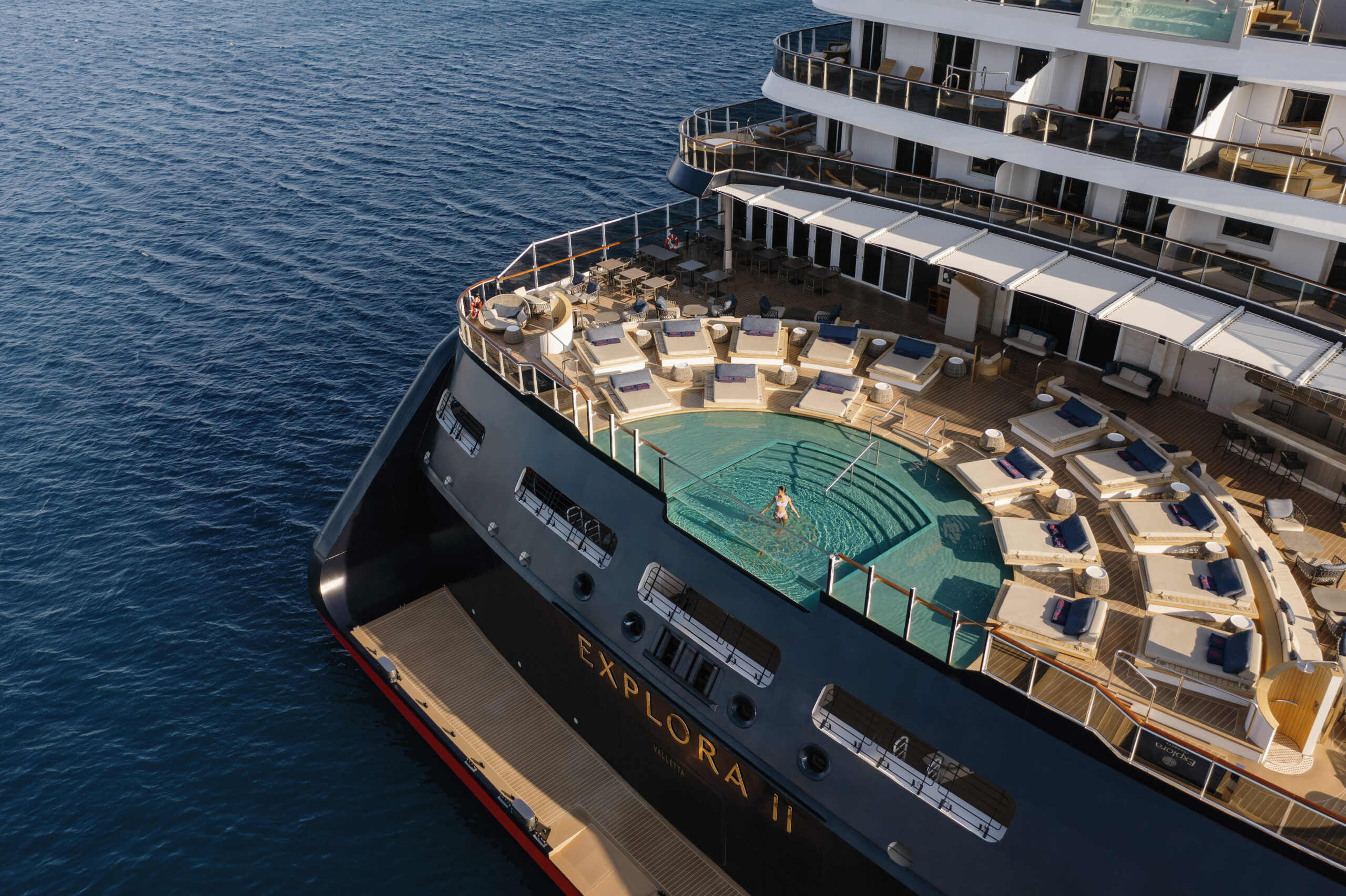
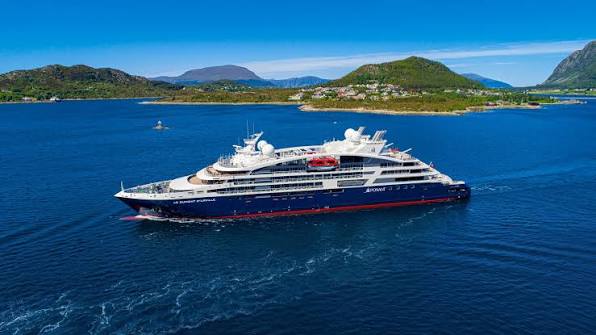
Explora I launched in 2023 with Explora II following in 2024, and these luxury all-inclusive resort-style vessels marked the entrance of new cruise line Explora Journeys into the luxury cruise market.
These identical ships feature spacious accommodation, generous
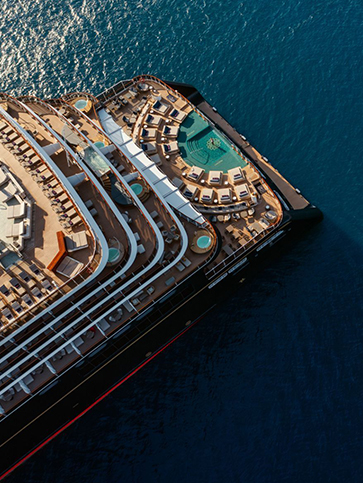
outdoor areas, a huge choice of restaurants, an attractive guest to
crew ratio of 1.25 to 1, three outdoor pools and a fourth with a
retractable glass roof, these ships really have it all.
One of the world's great cities, Rome continues to dazzle and delight visitors with a potent mix of architectural marvels, continent-defining history and buzzing nightlife. As the saying goes, the city wasn't built in a day, and if you want to make the most of Rome you'll need to spend at least a couple of nights here. The Colosseum, the Vatican and the Forum are among the big ticket items, with the crowds to match, though in truth you will find history around almost every corner.
The UNESCO World Heritage-listed centre of Naples rewards exploration, and in addition to the many cultural treasures waiting to be unearthed Neapolitans are rightly proud of their food; this is where you’ll find the best pizza in Italy. The city also acts as a gateway to the fascinating remains of Pompeii and Herculaneum, and the beautiful Amalfi coast.
Founded by Greek colonists in 734 BC, Siracusa was once the largest city in the ancient world, surpassing even Athens in its splendour. Highlights include the island of Ortigia, where narrow streets are lined by beautiful Baroque architecture, and the impressive ruins at the Parco Archeologico della Neapolis on the Sicilian mainland.
Bari is the second biggest city in southern Italy, situated at the heart of sunny Puglia. The delightful old town brims over with pretty churches and balconied houses, and the striking Basilica is said to house the bones of Saint Nicholas. Easy day-trips include the trulli houses of Alberobello and the stunning hilltop city of Matera.
Malta’s tiny capital, established by the Knights of St John, packs in an awful lot of history considering its diminutive size. The atmospheric old streets, bathed in Mediterranean sunshine, are full of attractive honey-golden buildings, along with an impressive selection of bars and restaurants.
Tunisia’s capital is a whirlwind of energy, the narrow lanes of the old medina packed with people and the roads noisy with traffic. The more orderly streets of the Ville Nouvelle are home to some handsome colonial buildings, while the ruins of ancient Carthage make for a fascinating day trip.
Palermo is an acquired taste; noisy, chaotic and rather grimey in places. But there’s something quite intoxicating about the crumbling facades and the bustling markets, and the Arabesque style of many of the buildings hints at Sicily’s historical role as a stepping stone between Europe and North Africa.
One of the world’s great cities, Rome continues to dazzle and delight visitors with a potent mix of architectural marvels, continent-defining history and buzzing nightlife. The Colosseum, the Vatican and the Forum are among the big ticket items, with the crowds to match, though in truth you will find history around almost every corner.
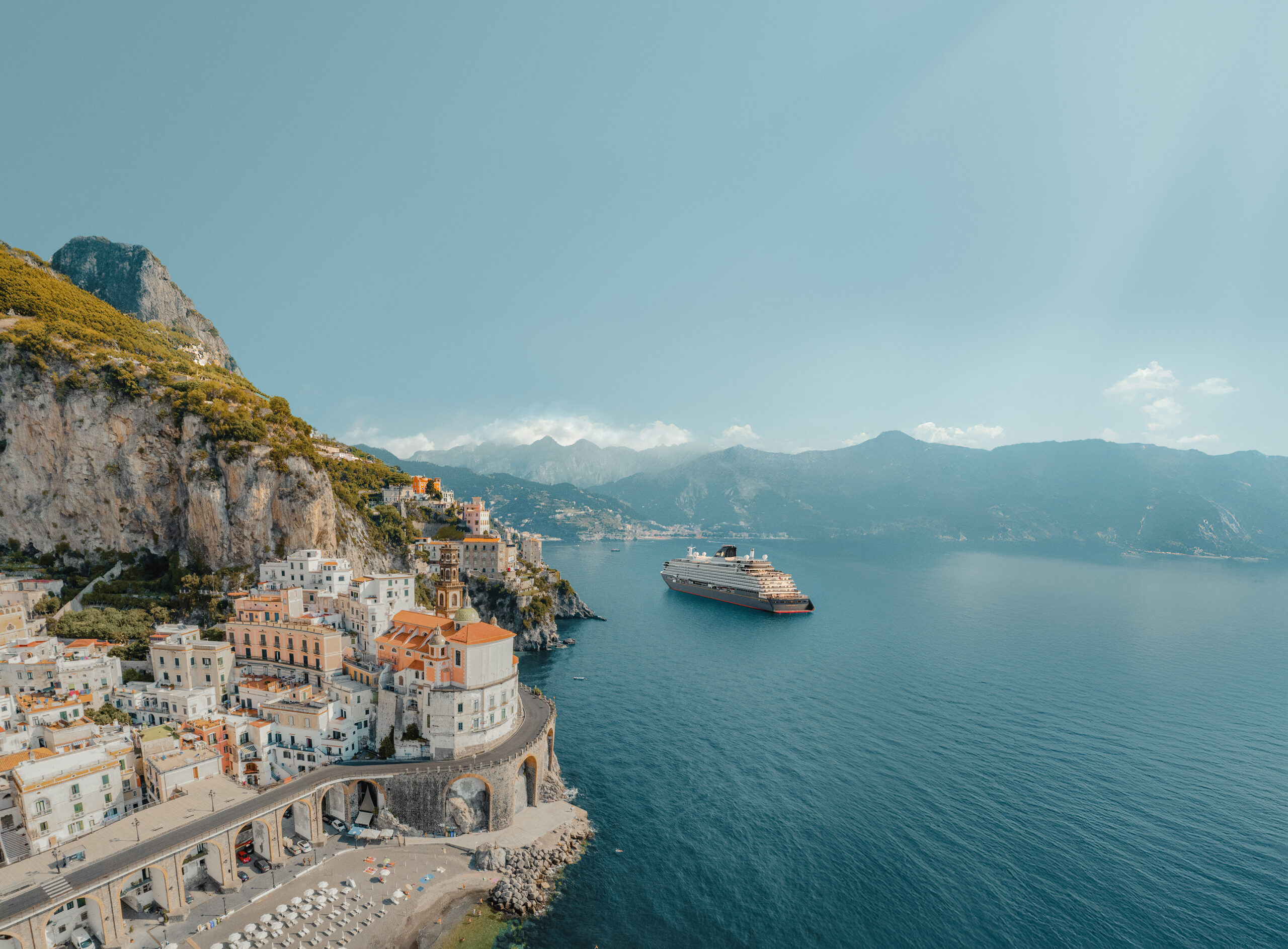
The picturesque little town of Amalfi was once a major Mediterranean naval power, but a devastating earthquake in 1343 cut the city down in its prime and destroyed most of its historic buildings. These days, of course, Amalfi is best known for the eponymous stretch of stunning coastline on which it sits.
Cartagena was founded by the Carthaginians around 227 BC, who named it after their home city in North Africa. These days the city is best known for its well-preserved Roman theatre, which was remarkably only discovered in 1987, in spite of its location in the centre of town.
Málaga boasts plenty of chic restaurants and bars where you can ease into the rhythms of life in southern Spain, before exploring sights including the intriguing, unfinished Gothic cathedral, and a museum devoted to the city's most famous son, Pablo Picasso.
After years of neglect, Tangier is finally being restored to its former glory as a cosmopolitan crossroads between Europe and Africa. The Moroccan government has invested heavily in modern infrastructure, while the spruced up medina shines with a new-found cultural dynamism.
Much more than just a gateway to the Costa Blanca, Alicante is an attractive and atmospheric city with plenty to recommend it. Founded by the Romans, then ruled by the Arabs for 500 years, the city has a rich history and a lovely old town, along with superb beaches and an excellent modern art museum.
From the warren-like medieval streets of the Barri Gòtic to the fantastical modernist architecture of Antoni Gaudí, from the dizzy heights of Mount Tibidabo to the golden sands of Barceloneta, there’s never a dull moment in Barcelona.