From Lisbon to Miami · South America & Antarctica · 40 nights
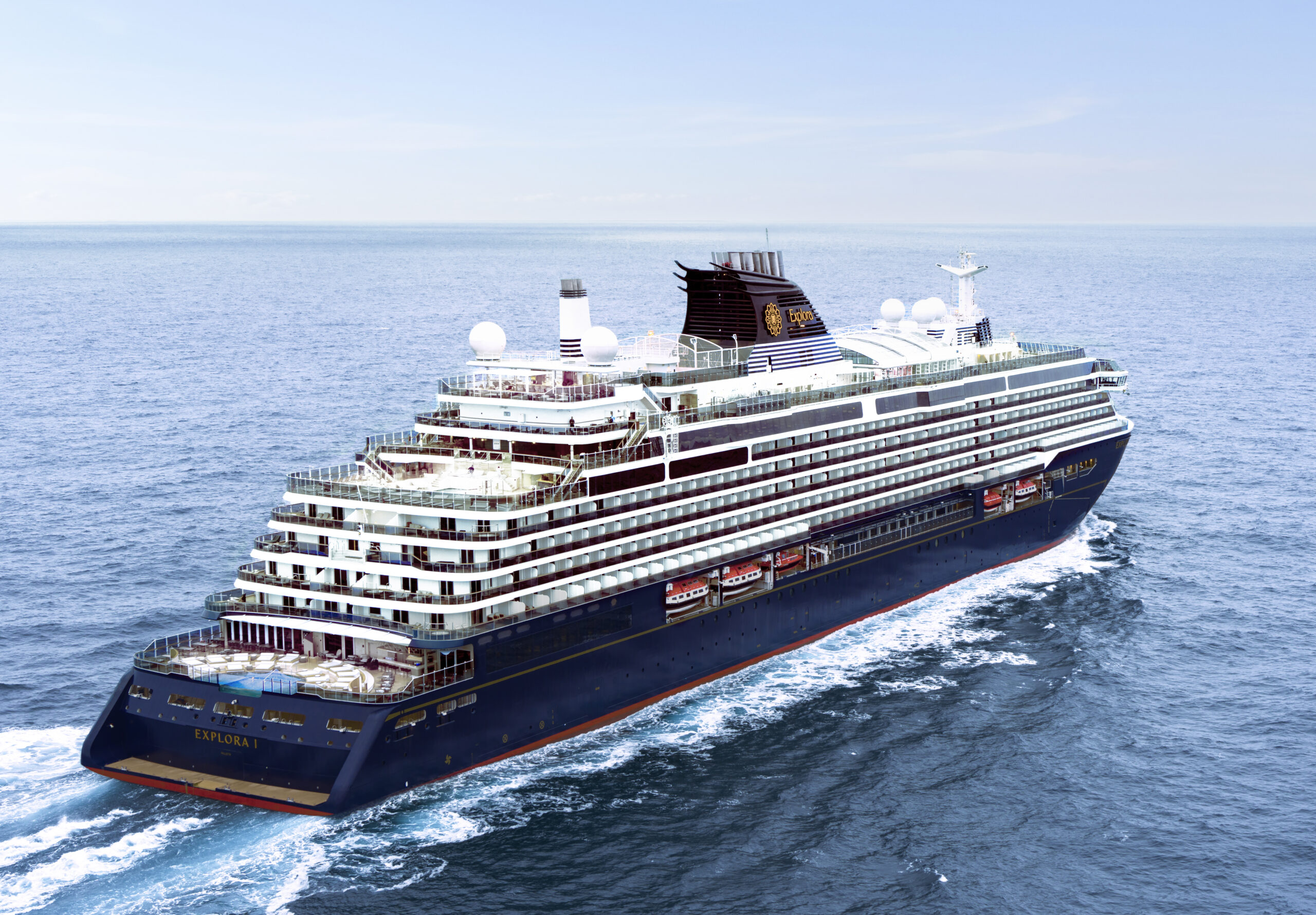
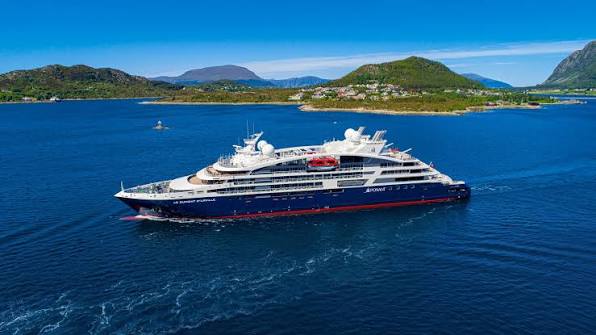
Small enough to operate fascinating port-intensive itineraries, but with the space for dining options, comfortable accommodation and more, sister ships Insignia, Nautica, Regatta and Sirena are for many the perfect size.
These four boutique style sister ships carry just 684 guests
apiece, with a comfortable, relaxed country house style and plenty
of intimate corners. We love the alternative restaurants – Oceania
is rightly renowned for great food – and the pretty little library
up on deck 10.
The roots of historic Lisbon's fame lie in its strategic position on the edge of the Atlantic and the fact it offers one of the world's greatest natural harbours. No surprise therefore that it became the home of the world's most famous explorers such as Vasco da Gama, Magellan and Prince Henry the Navigator. Built on seven hills, we always find Lisbon to be soulful, captivating and picturesque, with architecture which reflects its status as a great port.
In recent years Lanzarote has begun to shake off its mass market reputation and reinvent itself as a more upmarket destination. The extraordinary volcanic landscapes and the works of local artist César Manrique give the island a unique appearance, and the understated capital, Arrecife, is well worth exploring.
Said to have the world's most perfect climate, cosmopolitan Las Palmas is the capital of Gran Canaria and the largest city in the Canary Islands. The charming old quarter, La Vegueta, is where you'll find the city's most interesting colonial architecture, while beach fans should head for lovely Playa de las Canteras.
The lush volcanic island of La Palma is one of the Canary Islands’ best kept secrets, a place where tourism is still low key and the beautiful scenery is unspoilt by high rise developments. Don’t miss the colourful colonial architecture of the capital, Santa Cruz, reminiscent of the Spanish Caribbean.
Founded by the Spanish in 1521, Puerto Rico’s capital is the second oldest European settlement in the Americas. Modern San Juan is a bustling city, home to over a third of the island’s population, but the cobbled streets of the Old Town remain the biggest tourist draw.
Nassau, the lively Bahamian capital, is home to duty free shopping, a burgeoning restaurant scene and elegant Georgian architecture. There are some interesting museums where you can learn about the pirates and slave traders of yesteryear, and the surrounding coastline boasts some truly stunning beaches.
Downtown Miami is a destination in its own right, with a host of world class galleries, but it's still Miami Beach that draws the biggest crowds. The Art Deco district around South Beach is very much back in vogue, with new restaurants, bars and luxury developments sprouting up all over the place.
Tortola is the largest and most populous of the British Virgin Islands, and the bustling port at Road Town is a magnet for sailors from around the world. The island is blessed with some gorgeous beaches and secluded coves, and it’s a great place for a spot of snorkelling.
Antigua is famously home to 365 beaches - one for every day of the year - and there is an undeniable allure to the many white sand coves dotted along the coast. The capital, St John's, is worth a look, but if you've got time to visit the south coast you'll find historic Nelson's Dockyard a lot more interesting.
Castries, Saint Lucia’s diminutive capital, is home to some interesting markets and colonial buildings. The island’s highlights are situated elsewhere, however, and we’d recommend either heading south towards Soufrière, where the iconic Piton mountains guard a beautiful bay, or north to the bars, restaurants and beaches of Rodney Bay.
Scarborough is the capital of Tobago, a sleepy island where tourism remains mostly low key. The town has a few interesting colonial era sights, but we’d recommend exploring Tobago’s natural treasures instead, including stunning reefs, secluded waterfalls and a rainforest reserve that draws birdwatchers from around the globe.
Santarém is situated at the ‘Wedding of the Waters’, where the Amazon and Tapajós rivers meet. A former rubber boom town, the city is now a focus for the controversial soybean industry. Activities on offer nearby include canoeing, wildlife walks and day trips to the laid back town of Alter do Chão.
The tiny village of Boca da Valéria, with its picturesque little church and wooden stilt houses, is home to a remote indigenous community, at the point where the Valéria and Amazon rivers meet. The villagers are used to welcoming cruise ship visitors, but stepping ashore here is still a memorable experience.
Manaus is a remarkable place, a sweltering, steamy city in the heart of the Brazilian rainforest. Situated near the confluence of the Rio Negro and Amazon rivers, surrounded by thick jungle, the city is a major port in spite of its location some 1,000 miles from the sea.
The little island town of Parintins is famous for its annual Boi Bumbá festival, the biggest folk celebration in Brazil after Rio Carnival. Cruise ship visitors are usually met by Bumbá dancers at the port, and it’s a great place to get a feel for everyday life in the Amazon region.
The laid back riverside village of Alter do Chão is sometimes known as the ‘Caribbean of the Amazon’ thanks to its white sand beaches, clear waters and chilled out vibe. Beyond the beach the main activities are exploring the surrounding rainforest and shopping for local handicrafts.
There’s more to Barbados than just beaches; the delightful architecture of the old garrison in Bridgetown, the capital, is fully deserving of its UNESCO World Heritage status, and the island interior is littered with old sugar plantations and natural wonders such as Harrison’s Cave.
The island of Dominica stands out from the rest of the Caribbean, a rugged natural paradise that remains blissfully free of mass market tourism. The capital, Roseau, is pleasant enough, but the island interior offers so much more, including thick jungle, bubbling hot springs, cascading waterfalls and abundant birdlife.
Philipsburg is the gateway to an intriguing little Caribbean island with a dual personality: the Dutch side, St. Maarten, is the livelier of the two, with shopping malls, casinos and more of a nightlife scene, while French-speaking St. Martin is a more refined (and more expensive) affair, with a laid-back, continental air and a host of exclusive resorts and restaurants.
Founded by the Spanish in 1521, Puerto Rico’s capital is the second oldest European settlement in the Americas. Modern San Juan is a bustling city, home to over a third of the island’s population, but the cobbled streets of the Old Town remain the biggest tourist draw.
Nassau, the lively Bahamian capital, is home to duty free shopping, a burgeoning restaurant scene and elegant Georgian architecture. There are some interesting museums where you can learn about the pirates and slave traders of yesteryear, and the surrounding coastline boasts some truly stunning beaches.
Downtown Miami is a destination in its own right, with a host of world class galleries, but it's still Miami Beach that draws the biggest crowds. The Art Deco district around South Beach is very much back in vogue, with new restaurants, bars and luxury developments sprouting up all over the place.