From Miami to Panama City · Caribbean · 17 nights
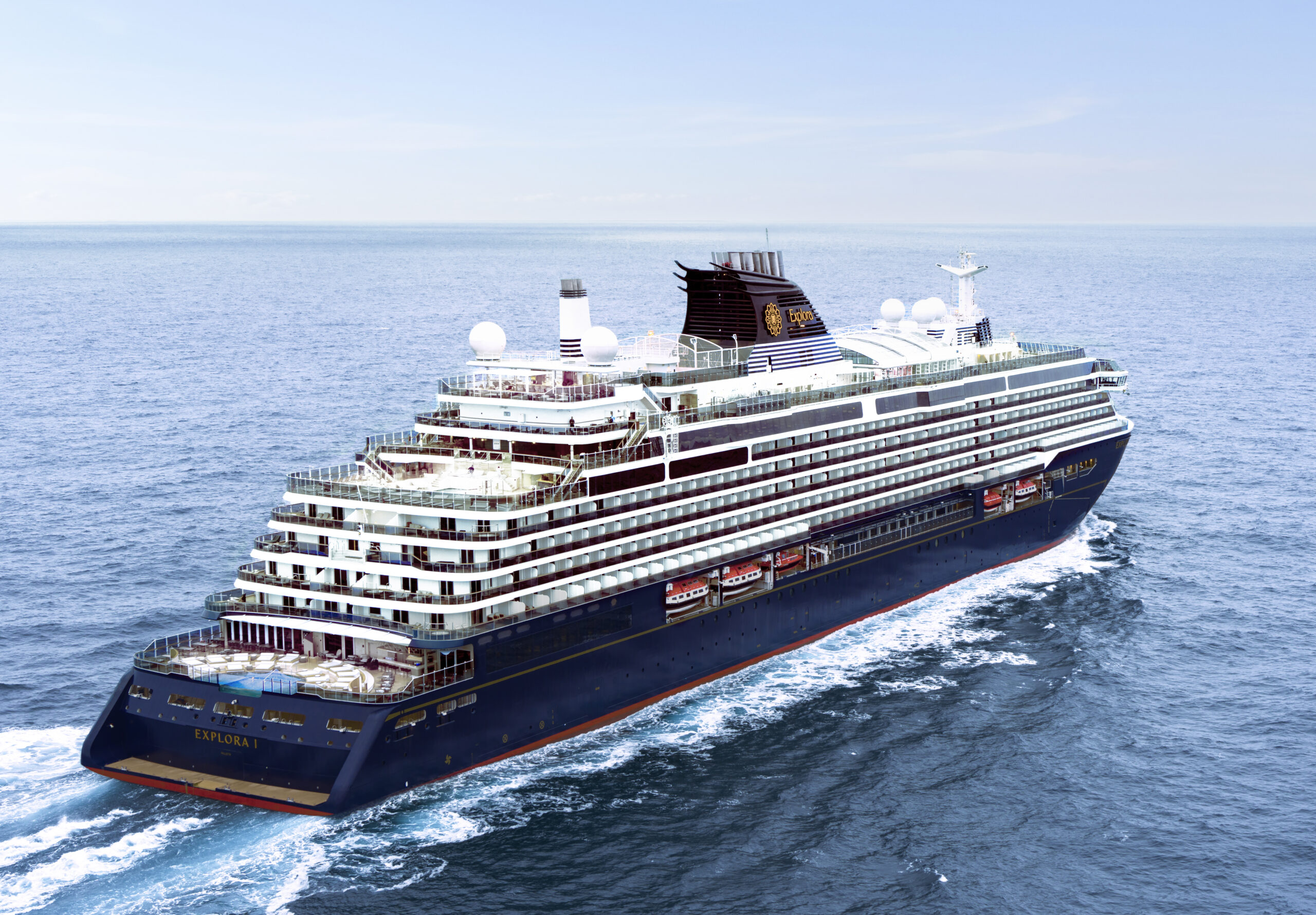
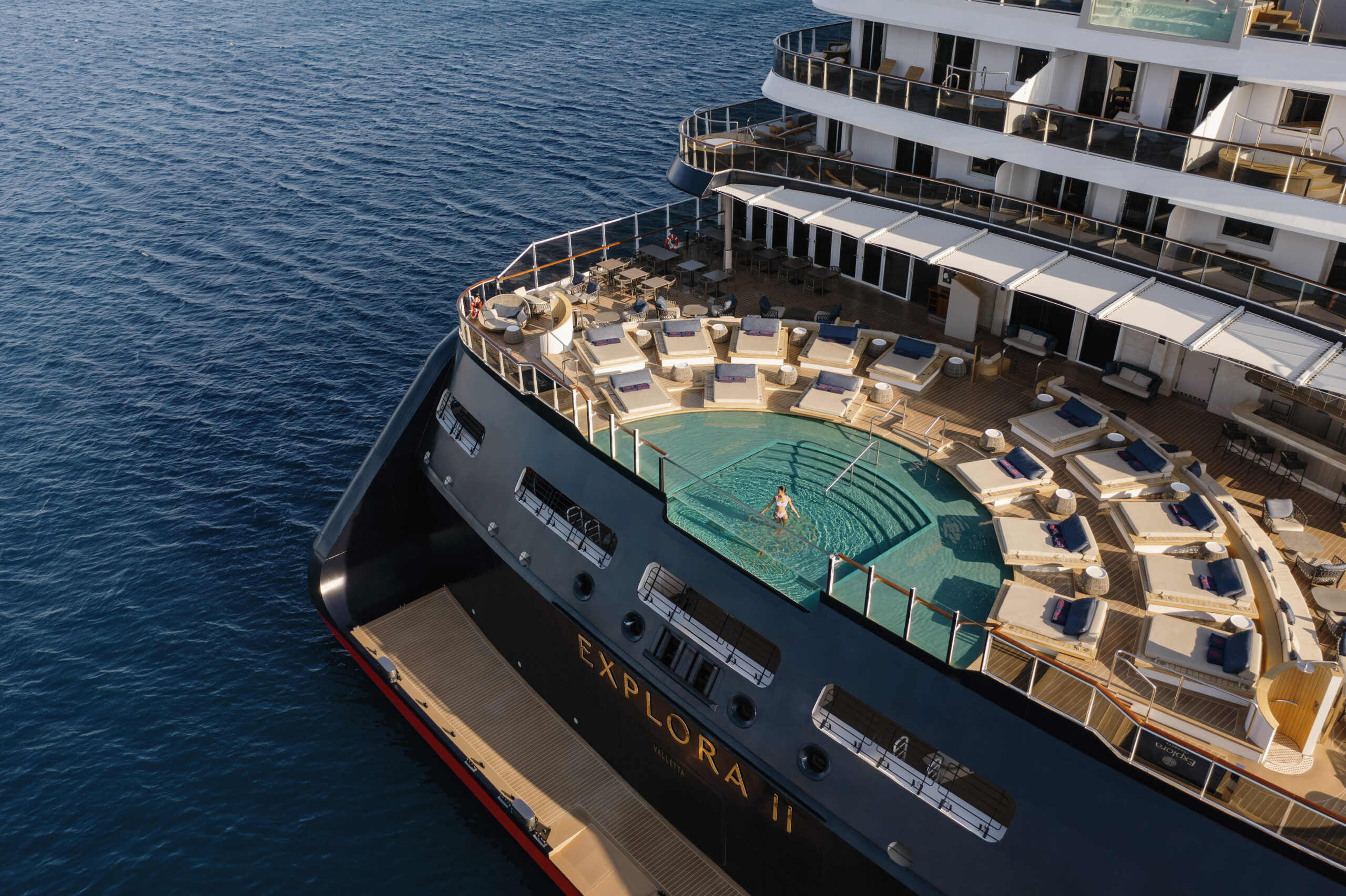
Widely acclaimed as the best ship in the world, Europa 2’s stylish Nordic décor, fantastic accommodation and great dining options make her a great choice
Europa 2 really is a ship with a difference, and you feel it
from the moment you step on board. Her beautiful light-flooded
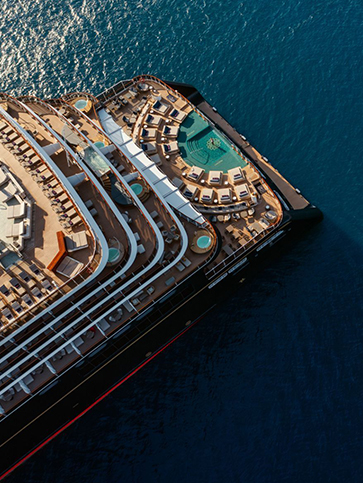
interiors are fresh and inviting, and the feeling of space created
by innovative design is vastly refreshing. This dedication to
design is not, incidentally, confined to public areas: the elegant
suites themselves are a wonderful place to stay.
Miami is a pulsating modern city, a cultural crossroads where Cuban émigrés rub shoulders with affluent New Yorkers topping up on winter sun, and where you're just as likely to hear Spanish or Caribbean patois being spoken as you are English. Downtown Miami is a destination in its own right, with a host of world class galleries including the fantastic MOCA (Museum of Contemporary Art), but it's still Miami Beach that draws the biggest crowds. The Art Deco district around South Beach is very much back in vogue, with new restaurants, bars and luxury developments sprouting up all over the place.
The Bimini Islands are the closest part of the Bahamas to the US mainland, made up of two main islands and a number of smaller cays. The islands are known for their stunning beaches, big game fishing and history of rum-running during the Prohibition era. Ernest Hemingway was also a regular visitor.
Antigua is famously home to 365 beaches - one for every day of the year - and there is an undeniable allure to the many white sand coves dotted along the coast. The capital, St John's, is worth a look, but if you've got time to visit the south coast you'll find historic Nelson's Dockyard a lot more interesting.
The volcanic French Caribbean island of Martinique is a land of contrasts, from the lush rainforests of the north to the busy streets of the capital, Fort-de-France. There are plenty of lovely beaches geared towards relaxation, and the French influence also means that the cuisine is a cut above the usual Caribbean fare.
Marigot Bay was once described by the novelist James Michener as ‘the most beautiful bay in the Caribbean,’ and this picturesque inlet is a popular destination for the yachting crowd. Activities on offer include kayaking, snorkelling and duty free shopping, or you can head inland and explore the island.
Situated just to the west of the Tobago Cays, Mayreau is a tiny, barely inhabited island that can only be reached by boat. There is very little to do, which is the main attraction for those lucky few who wash up here; the palm-fringed beaches and gently lapping waters are the Caribbean island idyll par excellence.
Browse the markets of charming St George’s, fragrant with the scent of cinnamon and nutmeg, and you’ll soon understand why Grenada is known as the ‘isle of spice’. This is one of the Caribbean’s most enchanting islands, fringed by gorgeous beaches and largely unsullied by mass market tourism.
The quiet, cactus-covered Dutch Caribbean island of Bonaire is internationally renowned for its diving, ringed by spectacular coral reefs that teem with life. The capital, Kralendijk, is home to some pretty colonial architecture, and the island is also known for its flamingos and pink sand beaches.
The tiny Dutch Caribbean island of Aruba, located just off the coast of Venezuela, lies outside of the hurricane belt, meaning it enjoys a largely dry climate, and boasts some of the best beaches in the region, if not the world.
Cartagena was founded by Spanish conquistadors in 1533, and the beautifully preserved centre is a real highlight of Colombia’s Caribbean coast. The walled old town, the Ciudad Amurallada, is a camera-friendly collection of cobbled streets and colourful, colonial-era buildings.
Situated just off the coast of Panama, the idyllic San Blas islands are home to the Kuna Indians, who enjoy political autonomy from the mainland and have an unusual degree of control over tourism to their homeland. Visiting these simple island communities is a privilege, and an insight into an indigenous way of life unsullied by mass tourism.
The port of Fuerte Amador sits at the southern edge of Panama City, near the Pacific entrance to the Panama Canal. The shining skyscrapers of the Panamanian capital are a testament to the city’s status as a key financial centre, while the tiny Casco Viejo is home to pretty colonial streets, hip hotels and happening bars.