From Belfast to Reykjavik · Northern Europe · 70 nights
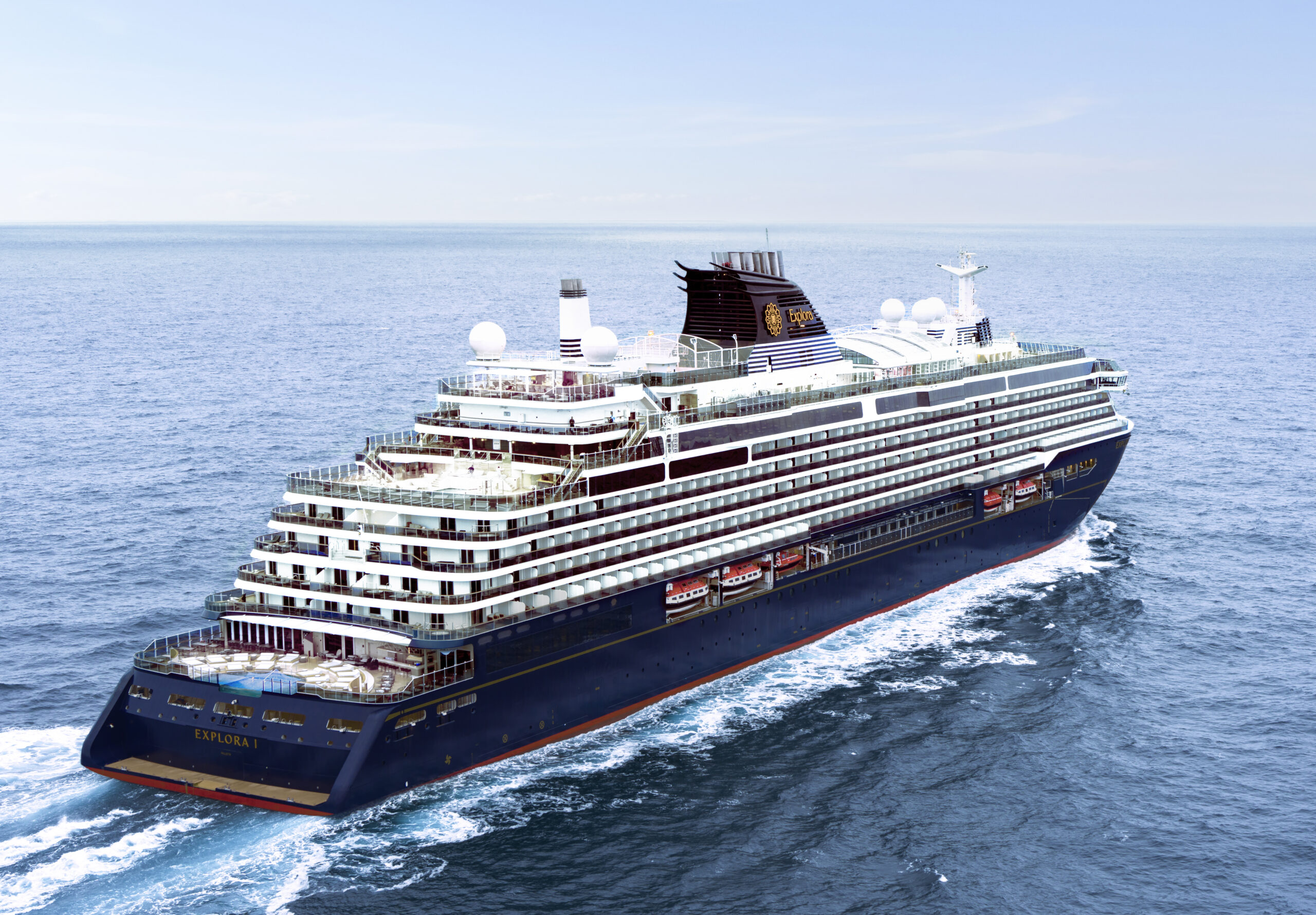
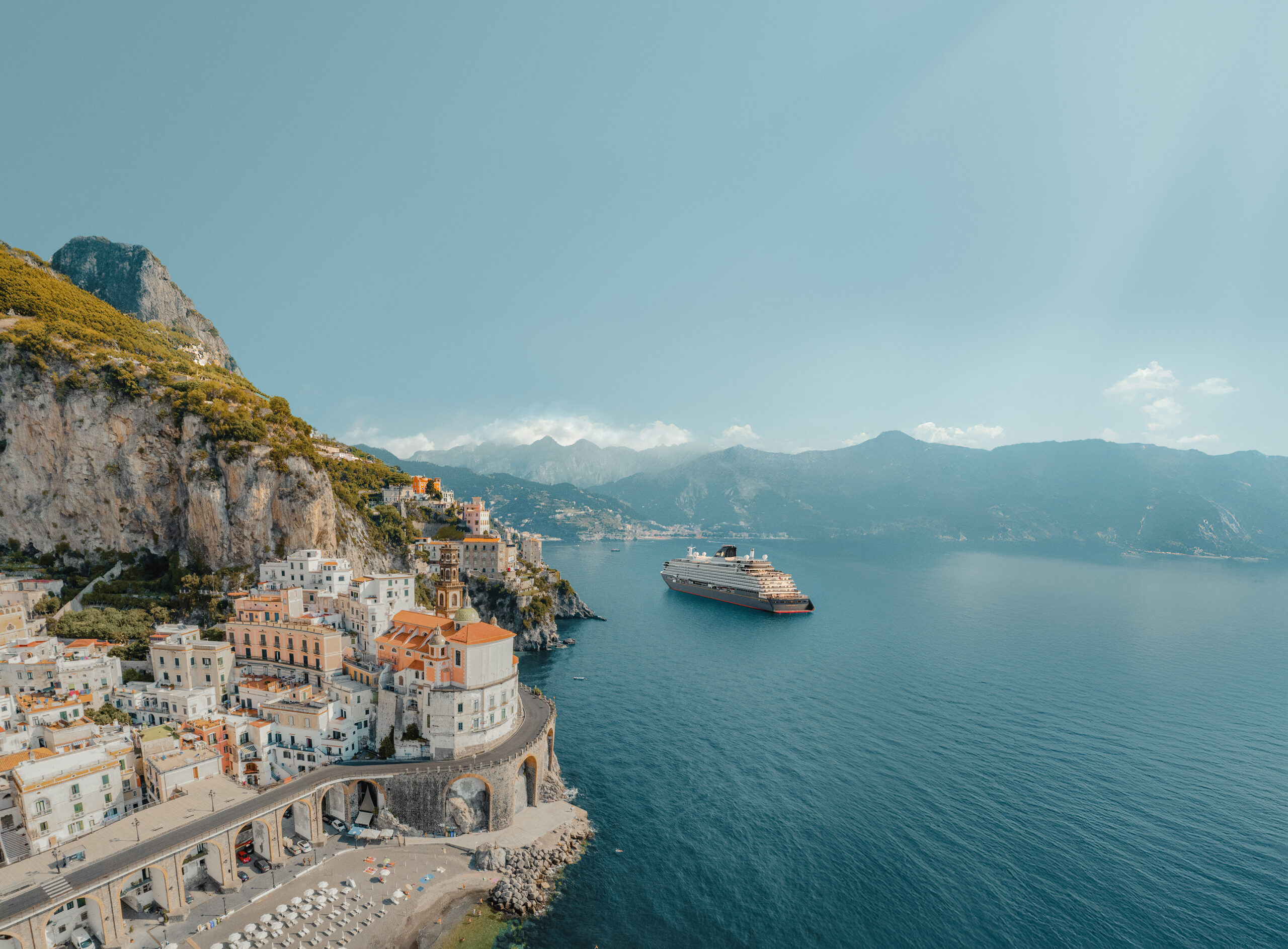
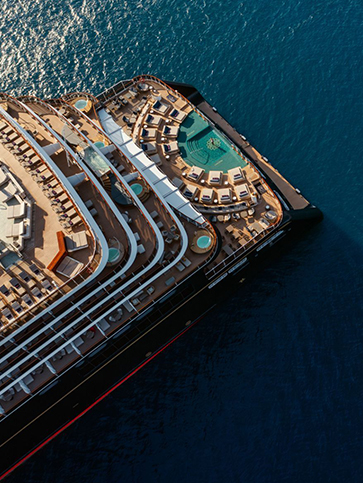
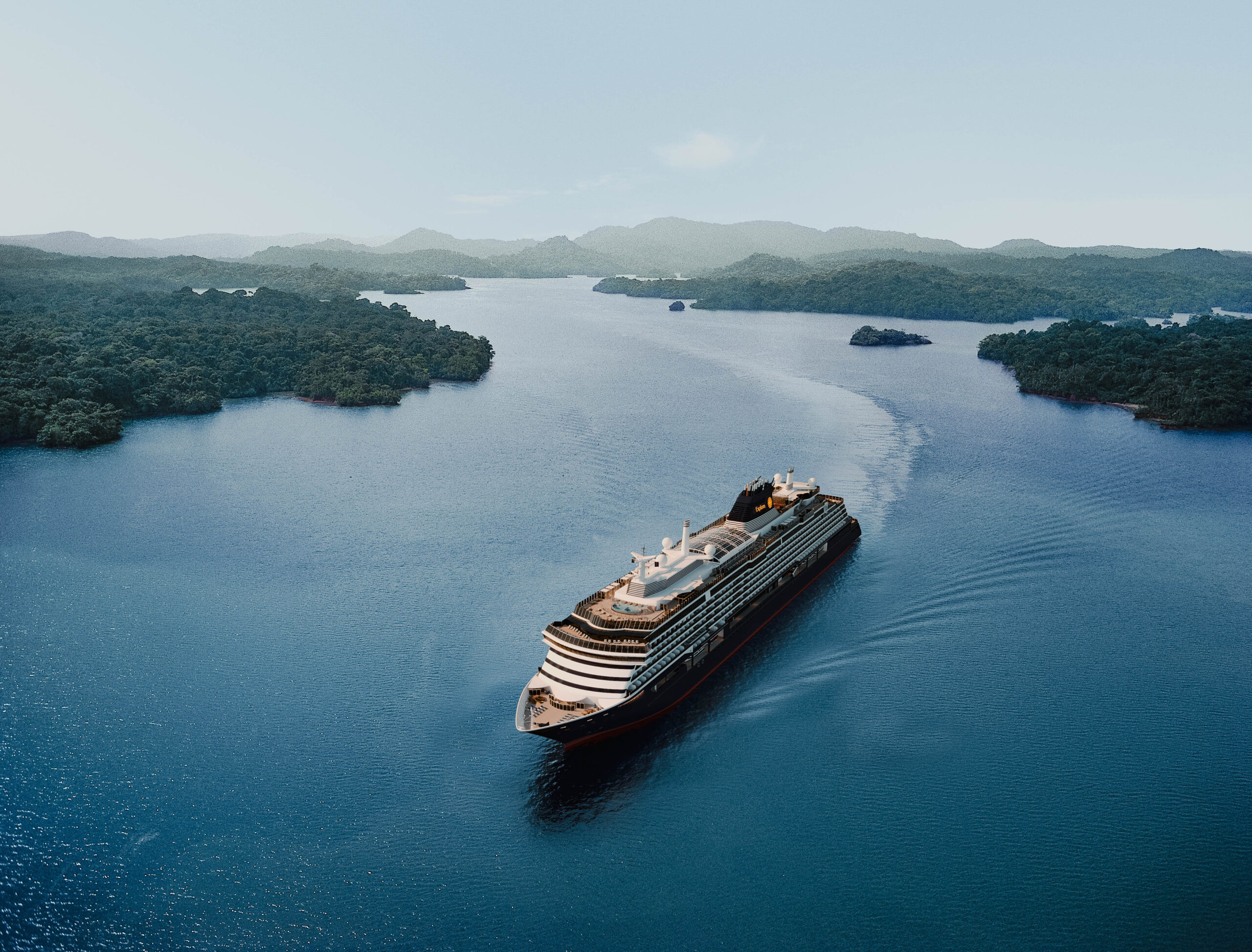
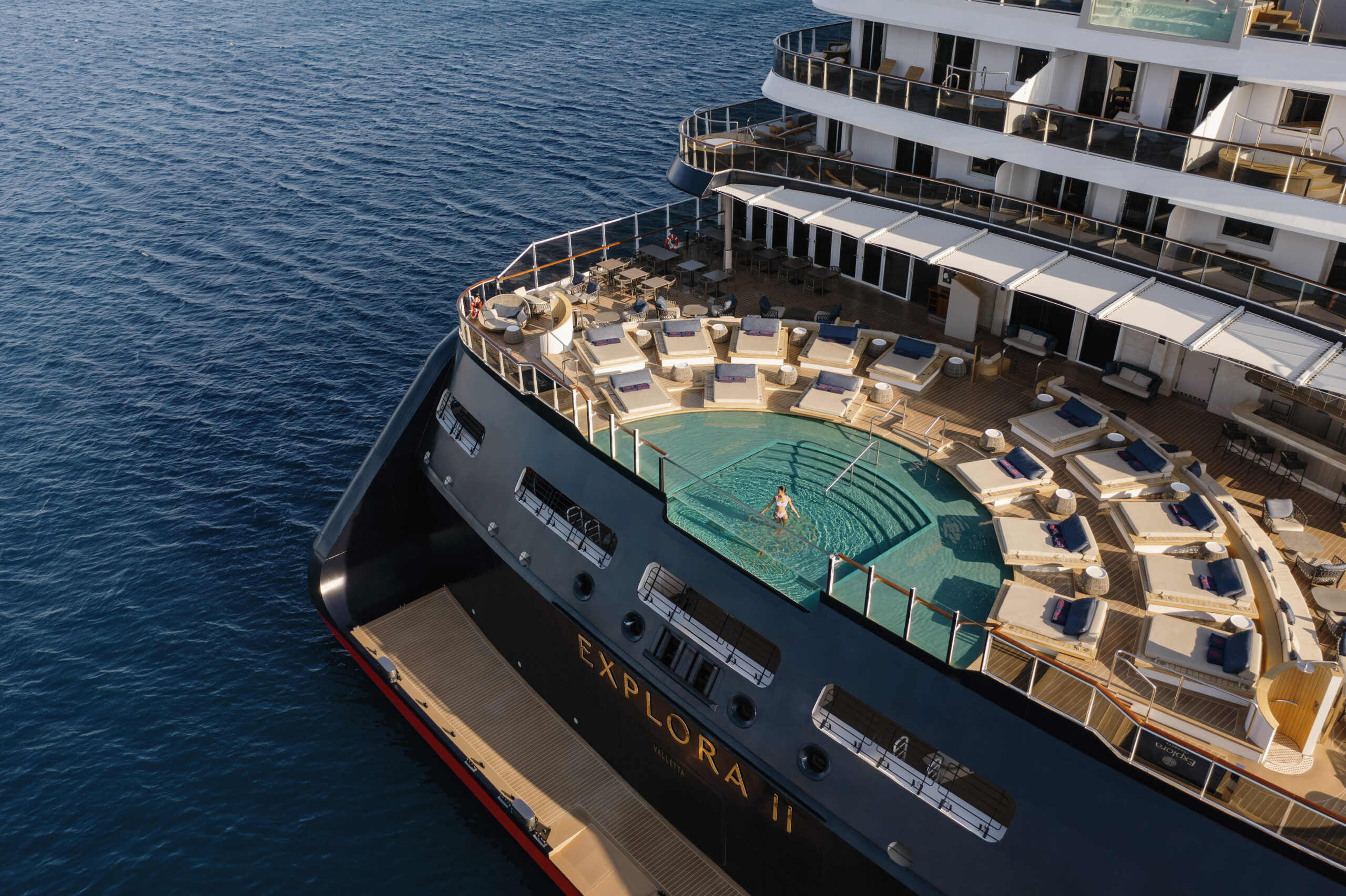
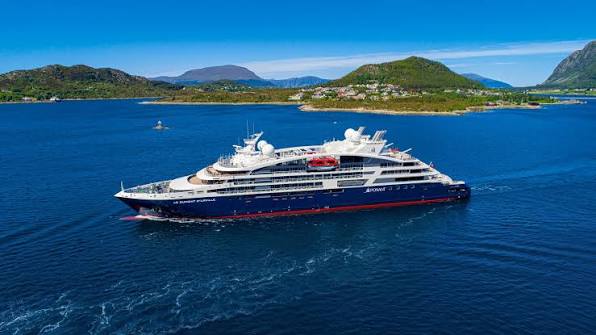
Seabourn has become the latest ultra-luxury cruise line to enter the expedition market with the launch of Seabourn Venture in 2022, followed by sister ship Seabourn Pursuit in 2023.
Seabourn Venture and Pursuit bring the trademark Seabourn style
and sophistication to the world of expedition cruising, with
interiors by designer Adam D Tihany, sumptuous veranda suite
accommodation and immersive adventure activities.
The remarkable rejuvenation of Belfast continues apace; the 1998 Good Friday Agreement was a watershed moment for Northern Ireland, and the rejuvenated capital is now enjoying a surge in popularity. The new Titanic Belfast museum is the star attraction, while the city centre boasts some handsome Victorian architecture and a lively pub scene.
Rugged and unspoilt, peaceful and perhaps a little parochial, the Isle of Man is proud to be different. The island has its own government, the Tynwald, which is said to be the oldest continuous parliament in the world, as well as its own language and even its own currency, the Manx pound.
Brodick is the main village on the Isle of Arran, a bustling port that sits on a bay opposite the towering Goatfell mountain. Highlights include the impressive 16th century Brodick Castle, and it’s only a short drive to Lochranza on the north coast, home to an even older castle and the Arran Distillery.
Sparsely populated Rathlin Island, off the coast of Northern Ireland, is home to thousands of seabirds, including puffins, kittiwakes, razorbills and guillemots. This is also where Robert the Bruce famously took refuge in a cave when he was driven out of Scotland by the English.
The tiny island of Iona, situated off the southwestern tip of Mull, is said to be the cradle of Christianity in Scotland, and is a popular place of pilgrimage. Thousands of visitors flock here every year to visit the Abbey, and the island gets particularly busy in summer.
The uninhabited island of Staffa is known for its striking geology, characterised by the same hexagonal basalt columns as the Giant’s Causeway, and is home to the famous Fingal’s Cave. Seabirds including puffins, guillemots and razorbills nest here during spring and early summer.
Tobermory, an old fishing station brightened by a crescent of colourful houses, is the main settlement on the Isle of Mull. This rugged and varied island is one of the most popular destinations in the Hebrides, and is rich in wildlife, home to species including white-tailed eagles, otters and whales.
The Isle of Eigg is part of the Inner Hebridean archipelago known as the Small Isles, and is easily recognisable thanks to An Sgurr, the dramatic pitchstone lava ridge that dominates the island. Climb the rock if you’re feeling fit, and enjoy fantastic views of Skye and Ardnamurchan from the summit.
The St Kilda archipelago is a remote and rugged collection of sea stacks and rocky islands, some 40 miles to the west of Benbecula in the Outer Hebrides. The islands constitute the largest nesting site for seabirds in the North Atlantic and are home to over a million birds, including puffins, gannets, fulmars and petrels.
Situated on a natural harbour on the east coast of the Isle of Lewis, Stornoway is the largest town in the Outer Hebrides. The island is one of the last major strongholds of the Gaelic language, and is home to fascinating Neolithic sites such as the mysterious standing stones at Callanish.
The flat, windswept Orkney Islands, just off the northeast coast of Scotland, have a distinctive Scandinavian heritage that’s discernible in everything from the unusual place names to the ancient Norse architecture of the capital, Kirkwall. Don’t miss the Ring of Brodgar, a fascinating Neolithic stone circle.
The uninhabited island of Copinsay is part of the Orkneys, and was purchased by the RSPB in 1972 and turned into a nature reserve. Here you can expect to see huge colonies of seabirds including fulmars, kittiwakes, guillemots, razorbills and puffins, along with a thriving grey seal population.
Cosmopolitan Edinburgh, Scotland’s lovely capital, is located in spectacular countryside, always visible from the city centre. Striking architecture, lots to see and do, and great food mean that your time here will be very busy. And if your visit coincides with the Festival, you have a treat in store.
Invergordon’s deep natural harbour makes it a popular jumping off point for the Scottish Highlands, and most cruise ship visitors will head inland on excursions to Loch Ness, Culloden battlefield or the nearby city of Inverness, capital of the Highlands.
The flat, windswept Orkney Islands, just off the northeast coast of Scotland, have a distinctive Scandinavian heritage that’s discernible in everything from the unusual place names to the ancient Norse architecture of the capital, Kirkwall. Don’t miss the Ring of Brodgar, a fascinating Neolithic stone circle.
Fair Isle is the UK’s most remote inhabited island, lying roughly halfway between Shetland and Orkney. The island is tiny, just 3 miles by 1½ miles, and is renowned for its traditional knitwear. It’s also a birdwatching hotspot, serving as both an important breeding ground for seabirds and as a stopping-off point for migrant species.
Lerwick is the only town of any size in the Shetland islands, and originally grew up around the herring trade. Highlights include the charming 18th century architecture along the waterfront and the informative Shetland Museum, which provides an excellent introduction to the history and culture of the islands.
The little Isle of Noss, part of the Shetlands, is a nature reserve that hosts over 150,000 seabirds during the breeding season, a truly spectacular sight. Species you can expect to see include gannets, puffins, guillemots and razorbills, and the island is also home to otters, seals, whales and dolphins.
Lerwick is the only town of any size in the Shetland islands, and originally grew up around the herring trade. Highlights include the charming 18th century architecture along the waterfront and the informative Shetland Museum, which provides an excellent introduction to the history and culture of the islands.
Tórshavn, named after the Norse god Thor, is one of the world’s smallest capitals, with a population of just 20,000. The brightly coloured facades and turfed roofs lend the harbour an attractive, storybook quality, and the narrow streets are home to some atmospheric pubs and cafés.
Tórshavn, named after the Norse god Thor, is one of the world’s smallest capitals, with a population of just 20,000. The brightly coloured facades and turfed roofs lend the harbour an attractive, storybook quality, and the narrow streets are home to some atmospheric pubs and cafés.
Klaksvík is the second largest town in the Faroe Islands, a bustling fishing harbour of around 5,000 inhabitants and the gateway to the Northern Isles. The sheltered bay is surrounded by vivid green mountains flecked with wildflowers, and the region is rich in seabirds including puffins.
Seyðisfjörður is one of the highlights of Iceland’s Eastfjords, a cute collection of colourful houses at the head of a dramatic fjord. The backdrop of snowy mountains and cascading waterfalls makes this one of the most picturesque ports in Iceland, and the town is surprisingly cosmopolitan.
Siglufjörður is the most northerly town on the Icelandic mainland, a remote little fishing port backed by imposing mountains. You can learn about the town’s history at the herring museum, explore the local culture at the Folk Music Centre or head out on one of the scenic hiking trails around the fjord.
Patreksfjörður is the largest village in the southern part of the Westfjords, and was named after St Patrick of Ireland. From here it’s easy to visit attractions including the famous Látrabjarg cliffs, home to thousands of nesting seabirds, and the dramatic Dynjandi waterfall.
The spectacular Dynjandi waterfall is one of the highlights of Iceland’s Westfjords, cascading down for 100 metres into the bay. The waterfall is often likened to a bridal veil because of the way the water spreads out across the rocks, and the thundering noise of the falls is intense.
The little fishing town of Grundarfjörður enjoys a picturesque setting on the Snæfellsnes Peninsula, surrounded by dramatic volcanic peaks and gushing waterfalls. The nearby Snæfellsjökull volcano, capped by a glacier, was made famous by Jules Verne in ‘Journey to the Centre of the Earth’.
Capital of Iceland and gateway to this extraordinary volcanic island, modern Reykjavík is home to an impressive collection of interesting attractions and places of historic significance. Visit the impressive Hallgrímskirkja church, relax in a thermal pool, potter around the old harbour, and enjoy 24 hour daylight in the summer months.
Heimaey is the largest of the Westman Islands, just off the south west coast of the Icelandic mainland. The jagged landscape is a reminder of the island’s volcanic origins; the most recent eruption, back in 1973, created the volcano now known as Eldfell, which looms over the island.
The spectacular Prince Christian Sound provides a protected passage for ships rounding the southern tip of Greenland, at times narrowing to just 1,500 feet across. Waterfalls cascade down the rugged mountain sides, and you can often spot whales and seals amongst the icebergs.
Qaqortoq is southern Greenland’s largest town, though with just 3,000 inhabitants it’s hardly crowded. A trip to the nearby hot springs at Uunartoq is recommended; relaxing in the 38°C water and watching icebergs drift across the bay is quite something.
Norse settlers were exploring the coasts of North America long before Columbus made his journey across the Atlantic, and Hvalsey is home to some of the most important Norse ruins in Greenland. The 14th-century church here is remarkably well preserved, on the site of a major medieval farmstead.
Founded by the Norse explorer Erik the Red in the 10th century, the sheep farming settlement of Qassiarsuk is full of history. Legend says that Erik’s wife Thorhildur forced him to build the first church in North America here, and the modern reconstruction of the church enjoys fine views across the iceberg-speckled fjord.
The archaeological site of L’Anse aux Meadows, on the northern tip of Newfoundland, is the only confirmed site of Norse settlement in North America. Vikings arrived from Iceland and Greenland some 500 years before Columbus, and you can visit the reconstructed timber and peat-turf homes that they built.
Newfoundland’s capital is a laid back city with an arty vibe, situated on a dramatic harbour. The hilly streets lined with colourful row houses make for a great photo opportunity, and the downtown area is full of history, as well as some excellent pubs and a thriving folk music scene.
Isabella Bay is part of the Ninginganiq National Wildlife Area on the northeast coast of Baffin Island, and is home to Canada’s largest concentration of bowhead whales. It's also a great spot for birdwatching, with species including king eiders, long-tailed ducks, little auks and northern fulmars.
The name Sisimiut means ‘the people living in a place where there are fox dens’, though these days the town is better known for being Greenland’s northernmost year-round ice-free port. Around 25 miles north of the Arctic Circle, it’s a common stop for ships making the journey north to Disko Bay.
Founded in 1941 as a US Air Force base, Kangerlussuaq is home to Greenland’s main airport and a place that most visitors to the country will pass through at some point. The town also offers easy access to the magnificent Greenland Ice Cap, and the surrounding countryside is a great place to see the Northern Lights.
The name Sisimiut means ‘the people living in a place where there are fox dens’, though these days the town is better known for being Greenland’s northernmost year-round ice-free port. Around 25 miles north of the Arctic Circle, it’s a common stop for ships making the journey north to Disko Bay.
Greenland’s capital and largest town, Nuuk is positively cosmopolitan compared to the rest of this remote and isolated country. The setting amongst mountains and fjords is striking, and attractions include the Greenland National Museum and the picturesque Old Harbour.
Founded by the Norse explorer Erik the Red in the 10th century, the sheep farming settlement of Qassiarsuk is full of history. Legend says that Erik’s wife Thorhildur forced him to build the first church in North America here, and the modern reconstruction of the church enjoys fine views across the iceberg-speckled fjord.
Qaqortoq is southern Greenland’s largest town, though with just 3,000 inhabitants it’s hardly crowded. A trip to the nearby hot springs at Uunartoq is recommended; relaxing in the 38°C water and watching icebergs drift across the bay is quite something.
Norse settlers were exploring the coasts of North America long before Columbus made his journey across the Atlantic, and Hvalsey is home to some of the most important Norse ruins in Greenland. The 14th-century church here is remarkably well preserved, on the site of a major medieval farmstead.
Nanortalik is the southernmost city in Greenland, and sits on a small island at the mouth of the Tasermiut fjord. The name means ‘the place of polar bears’, since bears come to hunt on the sea ice in summer, and the town is also known for its unique choir singing culture.
The spectacular Prince Christian Sound provides a protected passage for ships rounding the southern tip of Greenland, at times narrowing to just 1,500 feet across. Waterfalls cascade down the rugged mountain sides, and you can often spot whales and seals amongst the icebergs.
Tasiilaq is the largest town on Greenland’s sparsely populated east coast, and is home to around 2,000 hardy souls. Walking around town you’ll see dog sleds and kayaks made from animal hides, while the surrounding landscape is home to glaciers, caves and wildlife including seals and dolphins.
The little fishing town of Grundarfjörður enjoys a picturesque setting on the Snæfellsnes Peninsula, surrounded by dramatic volcanic peaks and gushing waterfalls. The nearby Snæfellsjökull volcano, capped by a glacier, was made famous by Jules Verne in ‘Journey to the Centre of the Earth’.
Capital of Iceland and gateway to this extraordinary volcanic island, modern Reykjavík is home to an impressive collection of interesting attractions and places of historic significance. Visit the impressive Hallgrímskirkja church, relax in a thermal pool, potter around the old harbour, and enjoy 24 hour daylight in the summer months.