From Tokyo to Vancouver · Asia · 49 nights
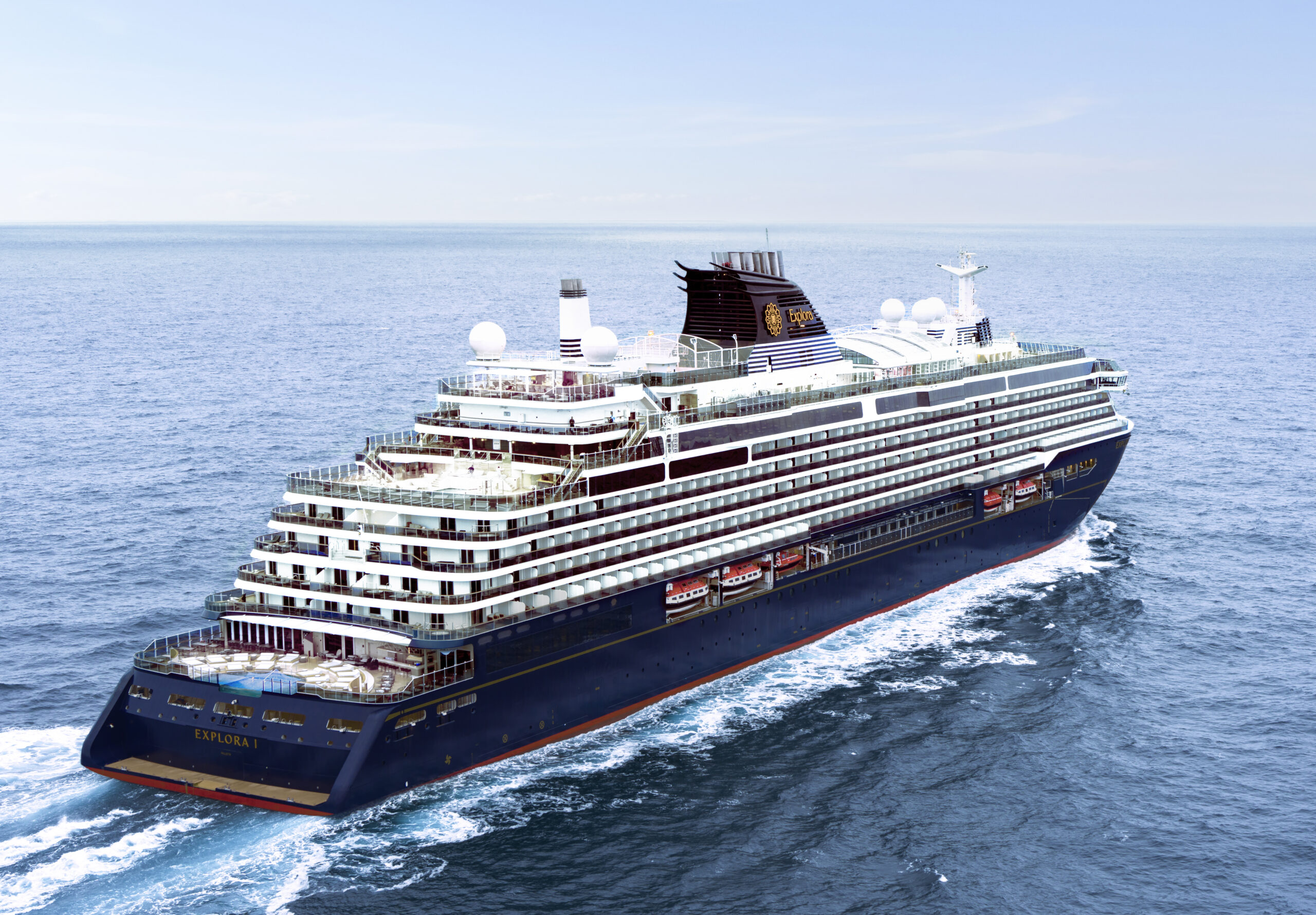
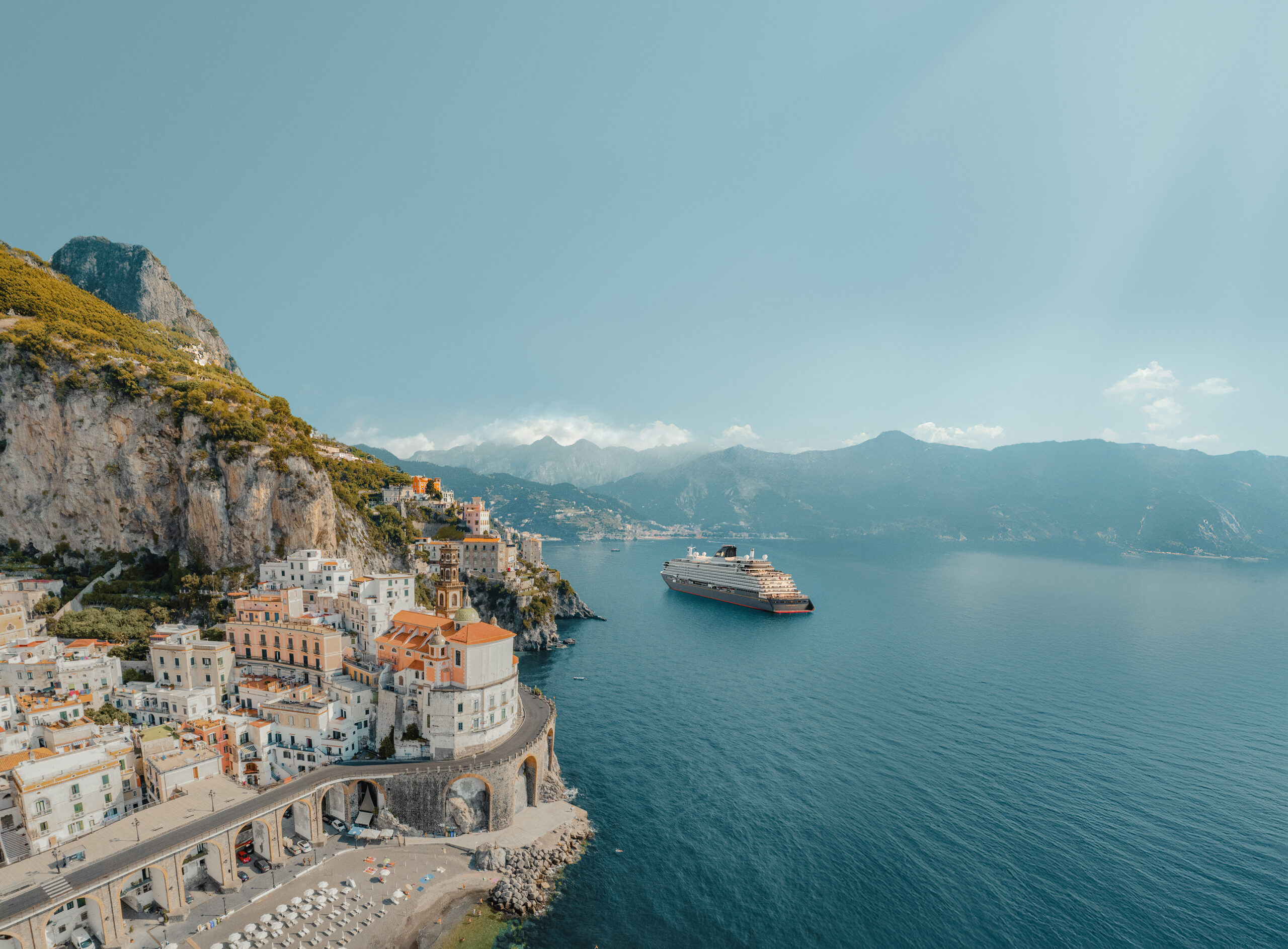
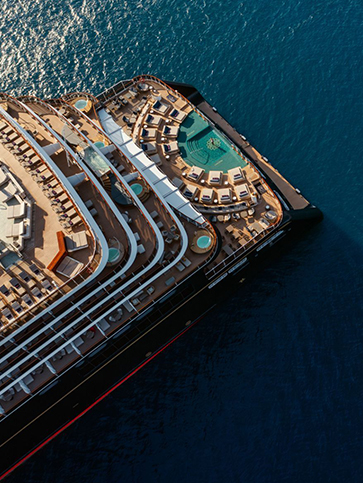
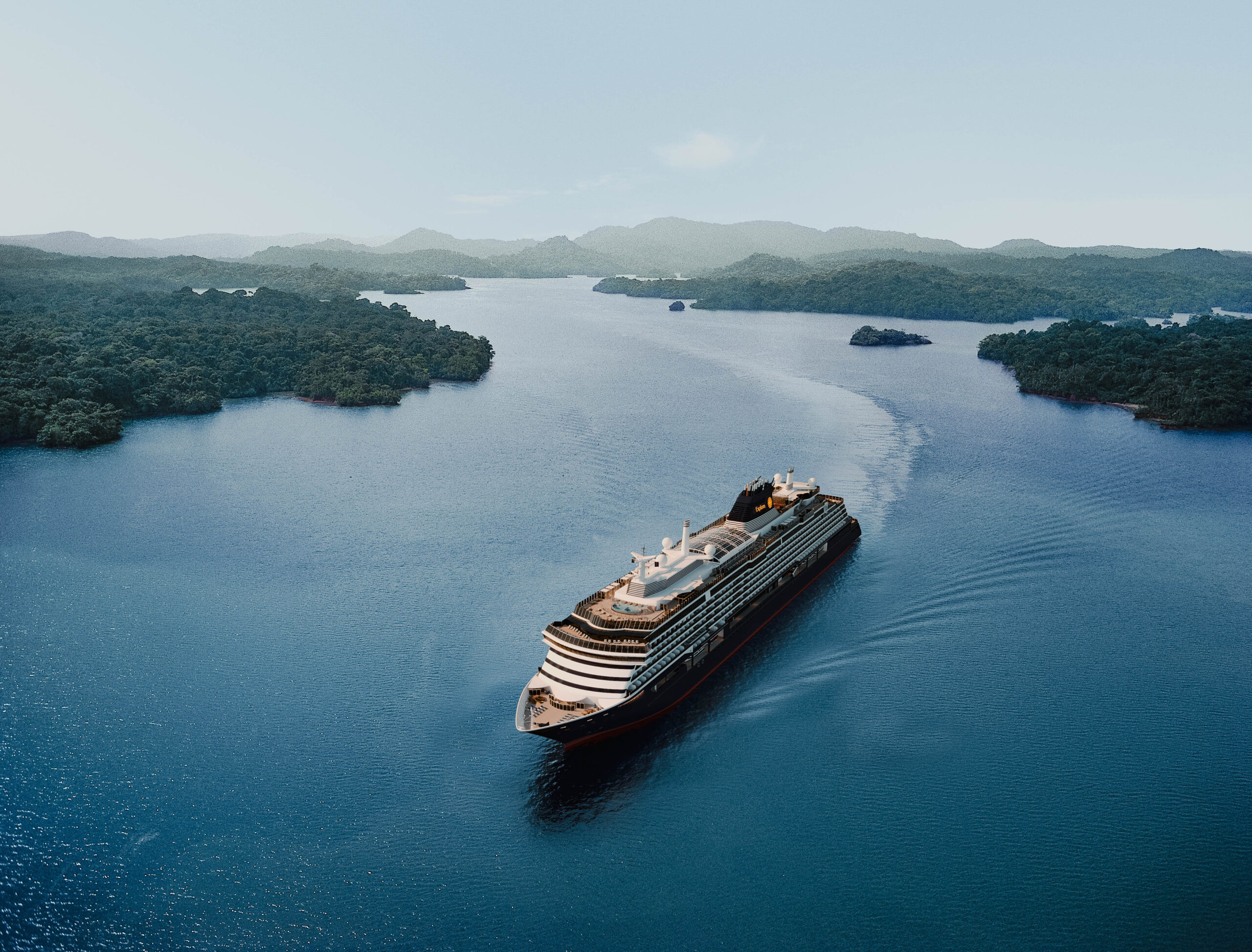
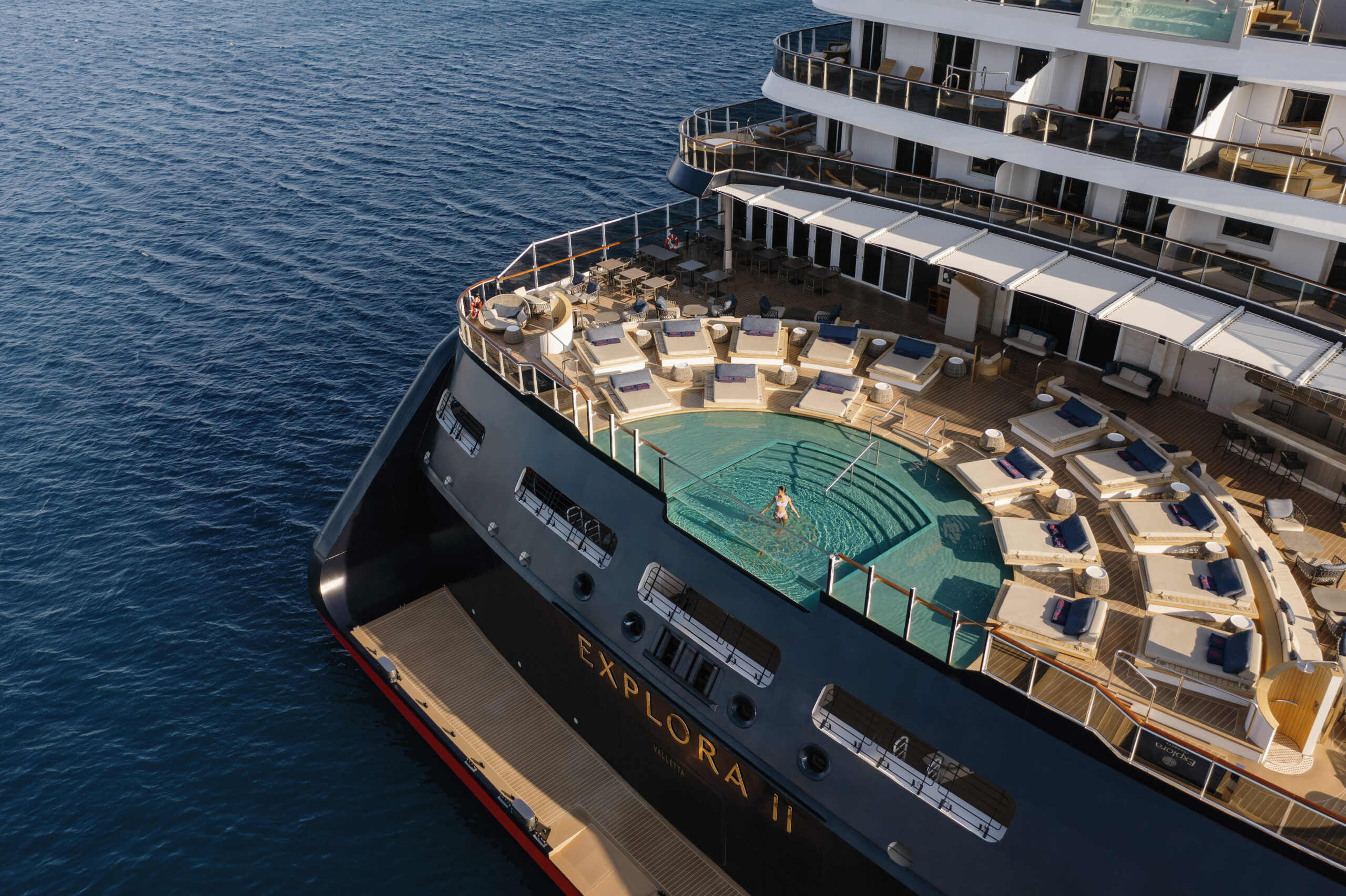
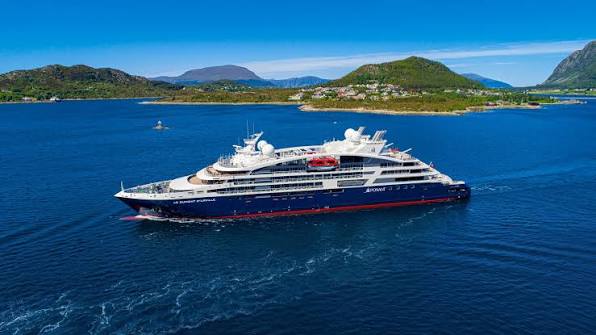
Innovative sister ships Seabourn Encore and Ovation represent an evolution in the Seabourn fleet, slightly larger in size with all-verandah accommodation.
When Seabourn introduced these sisters, they changed the face of
luxury cruising. Seabourn Encore and her sister Seabourn Ovation,
with 600 guests on board, take things a step further, with lots of
new thinking and special additions, continuing Seabourn’s magical
ability to surprise and delight.
Tokyo is a dazzling introduction to Japan and its utterly unique culture. With more neon than Las Vegas and more Michelin stars than Paris, it's a real assault on the senses, but an efficient public transport system means it's easy to explore. Asakusa is an atmospheric district where you'll find Tokyo's oldest Buddhist temple, Akihibara spills over with shops selling electronic gadgets, and Harajuku is the place to marvel at the latest colourful Japanese fashions. It's also easy to escape the crowds and find a spot of peace and quiet, with tranquil parks, shrines and lotus ponds dotted around the city.
The small, laid back city of Kochi is situated on the south coast of Shikoku island, an important place of pilgrimage for Japanese Buddhists. Three of the 88 temples on the pilgrimage route are in Kochi, and the city is also known for its elegant 17th century hilltop castle.
The friendly southern Japanese city of Kagoshima enjoys a balmy climate, and sits just across the bay from the very active Sakurajima volcano, which erupts so regularly that an ‘ash forecast’ is included in local weather reports.
Three days after Hiroshima was flattened by an atomic bomb, Nagasaki suffered the same horrifying fate. The reconstruction of both cities has been quite extraordinary; Nagasaki today is a vibrant, cosmopolitan place, with a fascinating history that goes back a lot further than 1945.
Busan is South Korea’s second biggest city and one of the world’s busiest container ports, but it’s an easygoing place with a discernibly different character to Seoul. Haeundae beach is a popular summer holiday destination for Koreans, while the pungent Jagalchi market sells every type of fish and sea creature imaginable.
Fukuoka is the largest city on the southern island of Kyushu, and has long been an important centre for trade due to its proximity to the Asian mainland, closer to Seoul than it is to Tokyo. It’s a friendly, sunny place, and the city was created by a merger of two towns: Fukuoka, the old castle town, and Hakata, the former merchant district.
On 6 August 1945 the world witnessed the terrifying power of nuclear weapons for the first time, unleashed on the unsuspecting Japanese city of Hiroshima. The modern city's sobering Peace Memorial Park commemorates that fateful day, which left more than 140,000 dead.
Osaka, Japan’s third largest city, is a pulsating commercial hub, famous for its food, and the cityscape rivals Tokyo for neon-lit futurism. If you need respite from the urban sprawl seek out Osaka Castle and the surrounding Nishinomaru Garden, a particularly pretty spot during the cherry blossom season.
Shimizu is one of the most spectacular ports in Japan, a sweeping bay in the shadow of the iconic Mount Fuji. You can spend some time admiring the views and wandering through peaceful pine groves, or visit the unique Shimizu Sushi Museum at the S-Pulse Dream Plaza shopping mall.
In a state of constant renewal and forever looking to the future, densely populated Tokyo is a dazzling introduction to Japan and its utterly unique culture. With more neon than Las Vegas and more Michelin stars than Paris, it’s a real assault on the senses.
Steam rises over the spa town of Beppu, home to numerous onsen (hot springs) and the surreal red waters of the macabre-sounding ‘blood pond hell’. Beppu is also close to Mount Aso, the largest active volcano in Japan, and the ancient temples of the Kunisaki Peninsula.
Busan is South Korea’s second biggest city and one of the world’s busiest container ports, but it’s an easygoing place with a discernibly different character to Seoul. Haeundae beach is a popular summer holiday destination for Koreans, while the pungent Jagalchi market sells every type of fish and sea creature imaginable.
The port of Sakaiminato is known for its fishing industry and superb seafood, and it’s a short drive from Matsue and its famous medieval ‘Black Castle’. Sakaiminato is also the home of the popular Japanese manga artist Mizuki Shigeru, and the town is full of statues celebrating his work.
Surrounded by mountains and situated on a fine natural harbour, Maizuru enjoys a scenic setting, and was developed as a naval base prior to the Russo-Japanese War at the beginning of the 20th century. The city also has some interesting temples, and is less than two hours’ drive from historic Kyoto.
Kanazawa rivals Kyoto for historical significance, though the city is far less overrun with tourists. The 17th-century Kenroku-en garden is the jewel in Kanazawa’s crown, filled with pretty ponds and waterfalls, and the city is also home to exceptionally well preserved samurai and geisha districts.
Set amongst snowy mountains on the west coast of Honshu, the city of Niigata is known for its ski resorts, seafood and hot springs, and produces some of the finest sake in Japan. Other attractions nearby include Shibata’s impressive castle and the town of Murakami, renowned for its traditional wind-dried salmon.
The city of Aomori, at the northern tip of Honshu island, is best known for its summer Nebuta Matsuri festival, which lights up the streets every August. There is still plenty to see during the rest of the year, including elegant Hirosaki Castle, pretty Lake Towada and the Seiryu-ji Temple, home of the largest Buddha statue in Japan.
Situated at the southern tip of Hokkaido, Hakodate was one of the first Japanese ports to open up to international trade in the 19th century, and a scattering of European-style buildings remain. Take a ride on the historic streetcar, tuck into delicious seafood or enjoy a revitalising dip in an onsen (hot spring).
In a state of constant renewal and forever looking to the future, densely populated Tokyo is a dazzling introduction to Japan and its utterly unique culture. With more neon than Las Vegas and more Michelin stars than Paris, it’s a real assault on the senses.
The city of Hitachinaka is situated on the east coast of Japan’s main island, Honshu, in an area known for its long sandy beaches and busy fishing ports. Don’t miss the famous Hitachi Seaside Park, which lights up with pale blue nemophilia flowers during the spring and crimson kochia bushes in autumn.
Cave exploring, kayaking, and coastal hiking is what visitors to Miyako, on Honshu's eastern shore can expect, with its dramatic, rocky shoreline of bays, cliffs and coves along the 300-km Sanriku Coast. Don't miss the stunning white pebbled shores of Jodogahama Beach, punctuated by jagged, rocky islands.
Situated at the southern tip of Hokkaido, Hakodate was one of the first Japanese ports to open up to international trade in the 19th century, and a scattering of European-style buildings remain. Take a ride on the historic streetcar, tuck into delicious seafood or enjoy a revitalising dip in an onsen (hot spring).
The misty fishing port of Kushiro, on the east coast of Hokkaido, is the gateway to the protected marshlands of Kushiro Mitsugen National Park. These extensive wetlands are the only place in Japan where you can still find the endangered Japanese crane, a graceful bird with a distinctive red crown.
Kodiak is known as Alaska’s ‘Emerald Isle’ thanks to the lush green countryside, a landscape crisscrossed by gushing salmon-filled streams that provides a home to around 3,000 Kodiak bears, the world’s largest. Ships dock in Kodiak city, an important fishing port with a fascinating Russian heritage.
Glacier Bay National Park is a UNESCO World Heritage Site and Biosphere Reserve, and forms part of the largest protected wilderness area on earth. The park is home to more than 50 named glaciers, along with wildlife including brown and black bears, mountain goats, moose, whales, seals and eagles.
Sitka was founded by Russian fur traders in 1799 as the city of New Archangel, and there is still a discernible Russian influence here, including the distinctive St Michael’s Orthodox Cathedral. The town also enjoys spectacular natural surroundings, facing the Pacific Ocean and dramatic Mount Edgecumbe.
Klawock, on Prince of Wales Island - the USA's third-largest island home to a vast temperate rainforest and abundant wildlife include bears and whales - is known for its deep Tlingit culture embodied in the Klawock Totem Park, home to 21 carved poles representing the heritage of the Heenya Kwaan people. Visit the heritage centre and carving shed to watch local artists at work and learn about Tlingit traditions, alongside opportunities for fishing, kayaking and hiking.
Arriving by ship in the misty port city of Prince Rupert, on the coast of British Columbia, is a memorable experience. This is an important cultural site for the Tsimshian people, one of Canada’s aboriginal First Nations, and it’s also a wildlife hotspot, home to a grizzly bear sanctuary and the highest concentration of humpback whales in North America.
Cosmopolitan Vancouver is a city that rewards exploration, an eminently liveable place and an easy gateway to the natural beauty of British Columbia. The culinary scene here is a particular draw, with seafood galore and some fantastic Asian restaurants.