From Brisbane to Miami · Pacific Islands · 46 nights
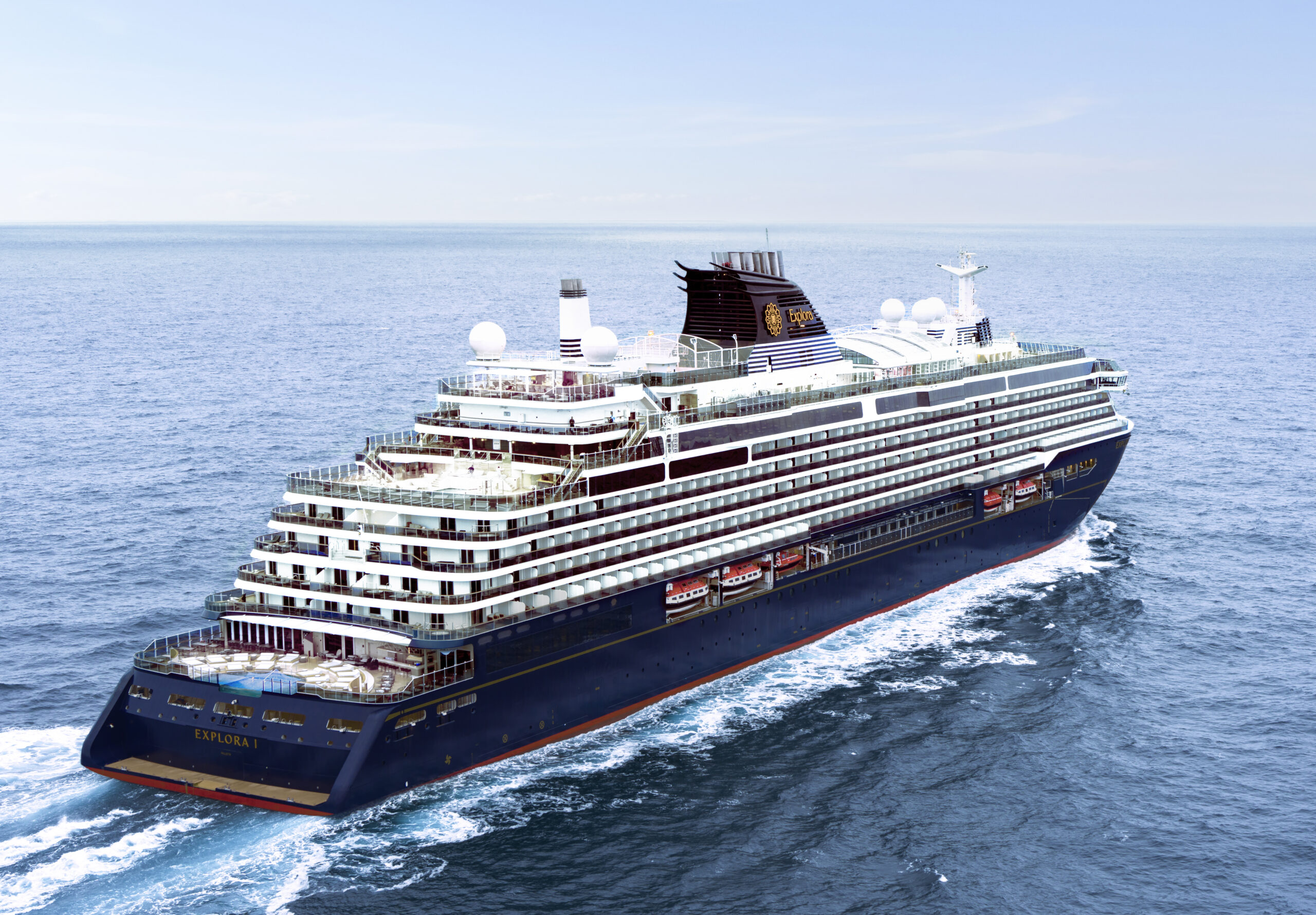
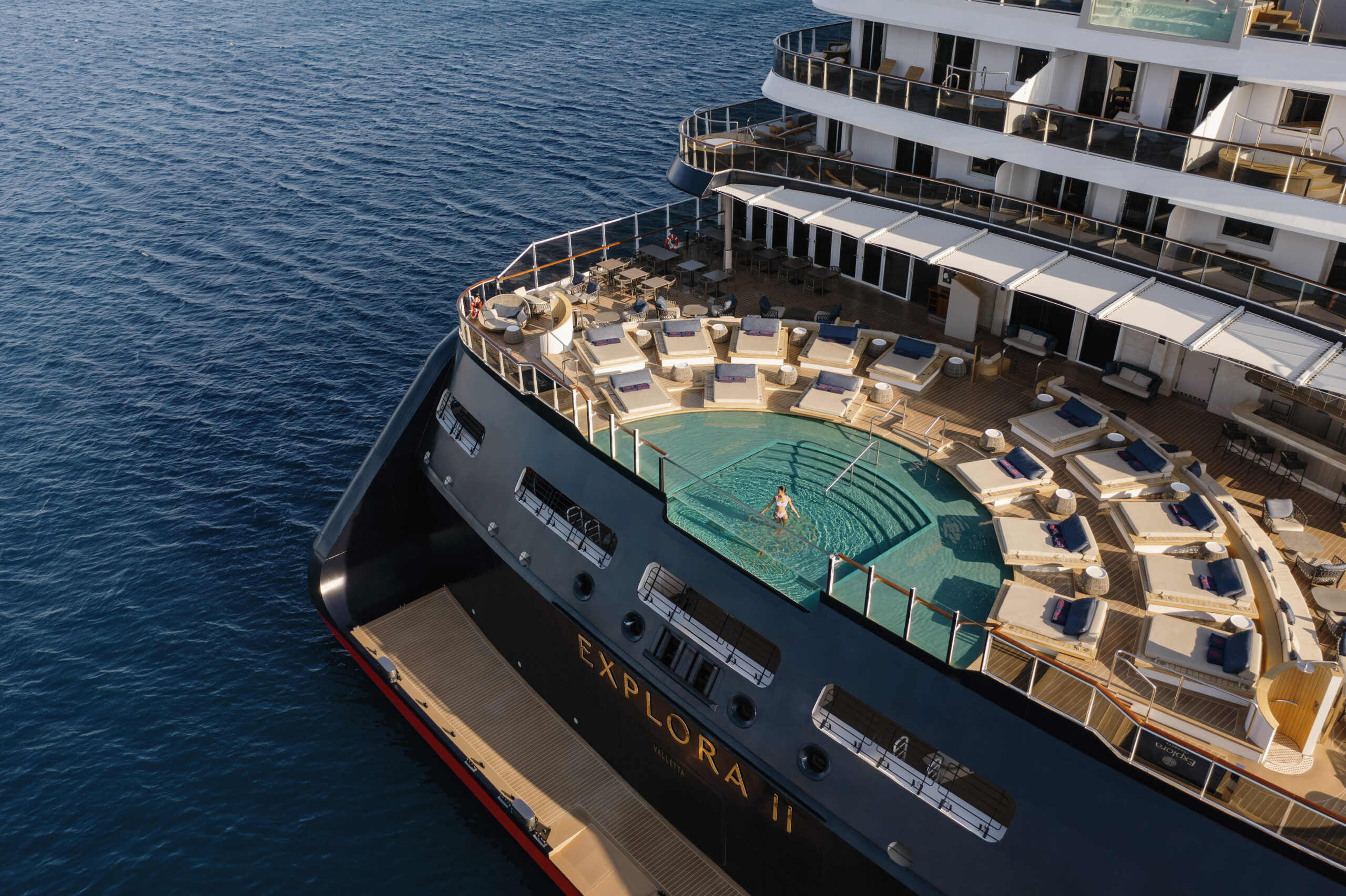
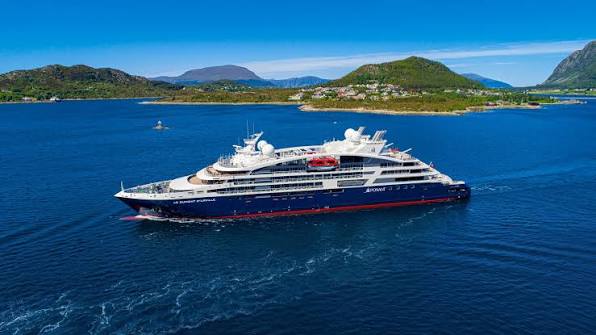
These spacious and elegant sisters are the perfect choice for a combination of contemporary style and expert hospitality.
When Seabourn built these 458-guest ships we were delighted. Not
only because each one is beautiful, but also because their
similarity means that they are interchangeable, enabling you to
travel all over the world in a familiar environment.
As Queensland's largest city, Brisbane is often used as a gateway to the excellent (although very popular) beaches of Australia's Gold Coast, which lie south of the city, or the more upmarket Sunshine Coast to the north. The modern city, on the banks of the Brisbane River, has plenty of shopping malls and, with great weather, a fantastic café culture. Amongst the steel and glass skyscrapers are some interesting historic buildings, and with plenty surrounding the city there's enough on offer to make for an interesting short stay.
Remote, pine-clad Norfolk Island, situated a thousand miles to the northeast of Sydney, is a tiny outlying territory of Australia. Formerly a penal colony, the island’s main attractions are its breathtaking scenery and fascinating history, with many residents descended from the crew who staged the famous 1789 mutiny on board the HMS Bounty.
Nouméa is the capital of New Caledonia, a French overseas territory in the South Pacific. The city is cosmopolitan and sophisticated, home to lovely little bistros and chic boutiques, providing quite a contrast to the rugged landscapes of the surrounding countryside.
Mystery Island, or Inyeug as it is known locally, is a small uninhabited island at the southern edge of the Vanuatu archipelago. There are no roads, no electricity and no hotels here, just idyllic white sands and tranquil tropical waters that are perfect for swimming and snorkelling.
Lautoka is Fiji’s second largest city, known as the ‘Sugar City’ due to its important role in the local sugarcane industry. The waterfront area is pleasant enough, but we’d recommend using Lautoka as a jumping off point to visit some of the smaller surrounding islands, or the forests and waterfalls of the interior.
Suva is Fiji’s bustling capital, situated on the southeast coast of Viti Levu on a fine natural harbour. This is one of the more attractive port cities in the South Pacific, with a handsome core of colonial buildings that hark back to the days when Fiji was an outpost of the British Empire. The colourful wooden buildings of Cumming Street are particularly pretty.
Savusavu is the main town on Vanua Levu, a much sleepier and less developed island than nearby Viti Levu. Explore a volcanic landscape of hot springs, mangrove forests and spectacular waterfalls, snorkel amongst colourful coral reefs, visit bustling local markets and look out for spinner and bottlenose dolphins.
Apia is the capital of Samoa, situated on the north coast of the island of Upolu. Highlights include the colourful markets and Robert Louis Stevenson's former house, now a museum, though you may just want to use the city as a jumping off point for the beautiful beaches located further along the coast.
If the word Honolulu makes you think of deserted beaches and dusky maidens, think again! Despite its remote location in the North Pacific, Honolulu is busy busy, in particular the boisterous, touristy Waikiki beach.
The Kailua-Kona region, on the west coast of Hawaii’s Big Island, is known for its idyllic beaches and fantastic climate, notably sunnier and drier than the eastern side of the island. This is where you’ll find some of the island’s top resorts, and the surrounding waters are home to turtles, manta rays, dolphins and humpback whales.
The resort town of Puerto Vallarta, on Mexico’s Pacific coast, has bags of charm in spite of its popularity. Spend some time exploring the pretty old town, with its cobbled streets and quirky boutiques, or relax on the beach. Humpback whales breed out in the bay during the winter months, and dolphins can be spotted year round.
Huatulco, on the Pacific coast of Oaxaca, was developed for tourism with a low-rise, eco-friendly approach, a far cry from the likes of Cancún or Acapulco. Four of Huatulco’s nine beautiful bays have been designated as ecological reserves, and there are several villages showcasing traditional Mexican crafts.
Chiapas is Mexico’s southernmost state, and this busy commercial port is situated close to the border with Guatemala. The nearest town, Tapachula, doesn’t have a lot going for it, but nearby attractions include beaches, coffee plantations and the impressive pre-Hispanic ruins of Izapa.
Puerto Quetzal is the jumping off point for exploring the fascinating interior of Guatemala, and the highlight of this intriguing country has to be UNESCO-listed Antigua. This colourful colonial town, 90 minutes from the port, enjoys a spectacular setting against a backdrop of volcanoes, and is well worth the trip.
Situated on a peculiarly shaped peninsula on the Gulf of Nicoya, Puntarenas is a popular weekend beach destination for residents of Costa Rica’s capital, San José. The port itself is not pretty, but the beachfront Paseo de los Turistas is a nice place to relax with a drink or enjoy a seafood lunch.
Cartagena was founded by Spanish conquistadors in 1533, and the beautifully preserved centre is a real highlight of Colombia’s Caribbean coast. The walled old town, the Ciudad Amurallada, is a camera-friendly collection of cobbled streets and colourful, colonial-era buildings.
Downtown Miami is a destination in its own right, with a host of world class galleries, but it's still Miami Beach that draws the biggest crowds. The Art Deco district around South Beach is very much back in vogue, with new restaurants, bars and luxury developments sprouting up all over the place.