From Reykjavik to Reykjavik · Northern Europe · 47 nights
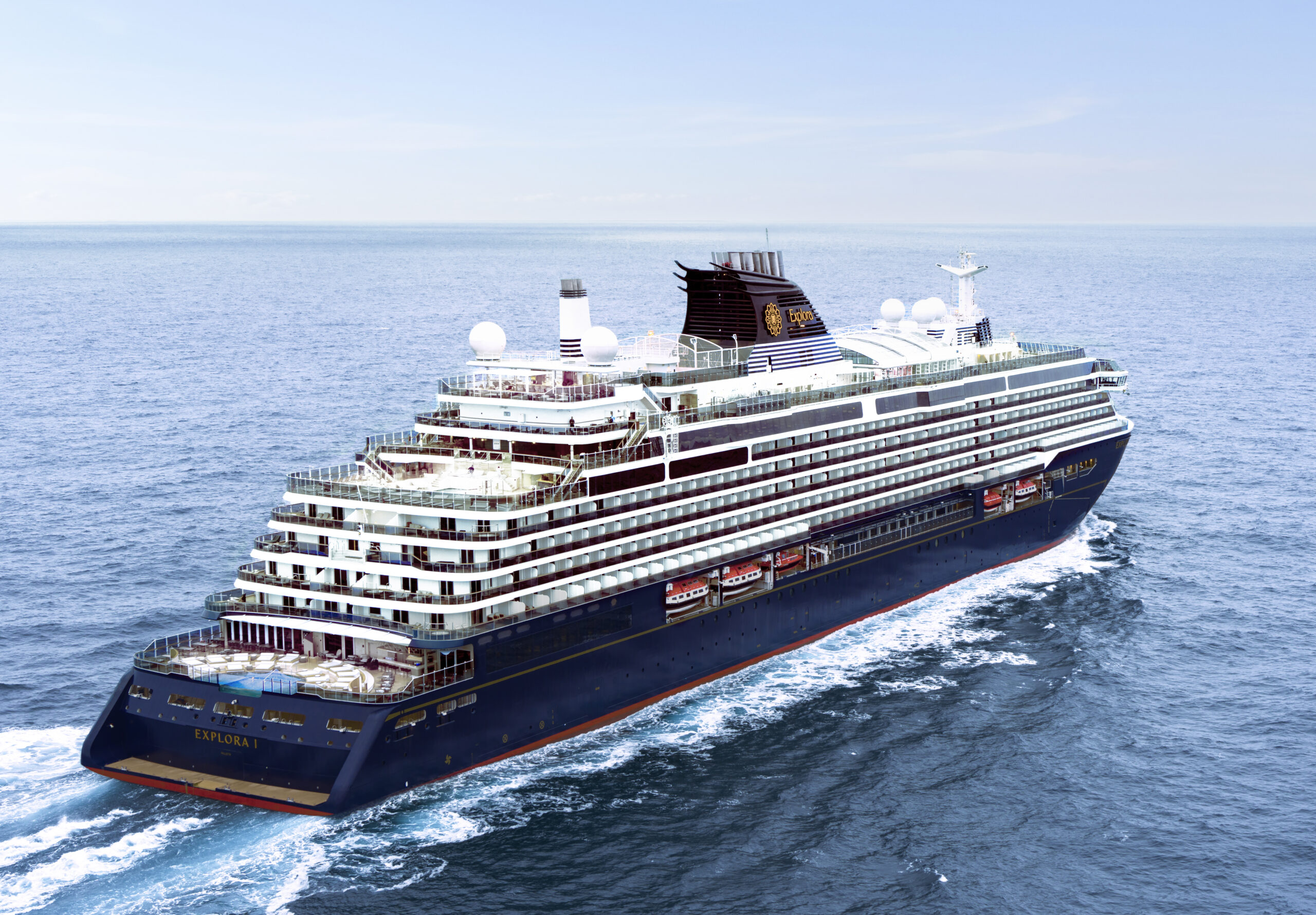
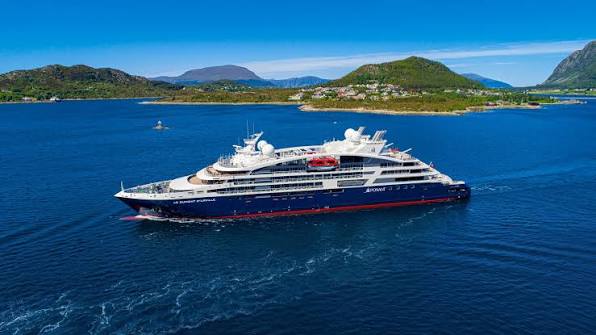
Seabourn has become the latest ultra-luxury cruise line to enter the expedition market with the launch of Seabourn Venture in 2022, followed by sister ship Seabourn Pursuit in 2023.
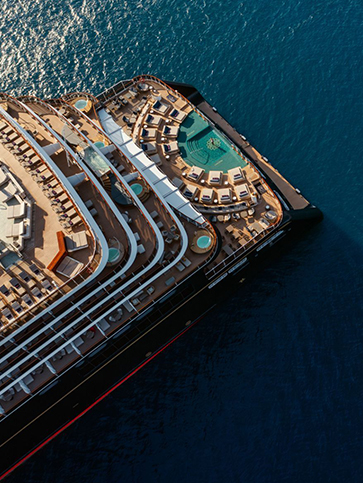
Seabourn Venture and Pursuit bring the trademark Seabourn style
and sophistication to the world of expedition cruising, with
interiors by designer Adam D Tihany, sumptuous veranda suite
accommodation and immersive adventure activities.
Capital of Iceland and gateway to this extraordinary volcanic island, modern Reykjavik is home to an impressive collection of interesting attractions and places of historic significance. Visit the impressive Hallgrímskirkja church, relax in a thermal pool, potter around the old harbour, and with 24 hour daylight in the summer months, you can play golf at midnight, or choose the perfect place to view the midnight sun such as the lighthouse at Grotta or on the waterfront by Sólfar - the Sun Voyager sculpture. If you're like us, you will find travelling out of Reykjavik by land or sea to be unforgettable.
Heimaey is the largest of the Westman Islands, just off the south west coast of the Icelandic mainland. The jagged landscape is a reminder of the island’s volcanic origins; the most recent eruption, back in 1973, created the volcano now known as Eldfell, which looms over the island.
Qaqortoq is southern Greenland’s largest town, though with just 3,000 inhabitants it’s hardly crowded. A trip to the nearby hot springs at Uunartoq is recommended; relaxing in the 38°C water and watching icebergs drift across the bay is quite something.
Norse settlers were exploring the coasts of North America long before Columbus made his journey across the Atlantic, and Hvalsey is home to some of the most important Norse ruins in Greenland. The 14th-century church here is remarkably well preserved, on the site of a major medieval farmstead.
Founded by the Norse explorer Erik the Red in the 10th century, the sheep farming settlement of Qassiarsuk is full of history. Legend says that Erik’s wife Thorhildur forced him to build the first church in North America here, and the modern reconstruction of the church enjoys fine views across the iceberg-speckled fjord.
Nanortalik is the southernmost city in Greenland, and sits on a small island at the mouth of the Tasermiut fjord. The name means ‘the place of polar bears’, since bears come to hunt on the sea ice in summer, and the town is also known for its unique choir singing culture.
The steep sides of Tasermiut Fjord and its mountainous surroundings attract climbers and trekkers from around the world, while down on the water you can explore the fjord by kayak. Tasermiut is also close to Nanortalik, the southernmost major settlement in Greenland.
The tiny village of Aappilattoq enjoys a spectacular setting on Prince Christian Sound in southern Greenland, its colourful houses arranged at the foot of a steep mountain. This isolated community is home to around 120 people, who make their living by hunting or fishing.
The spectacular Prince Christian Sound provides a protected passage for ships rounding the southern tip of Greenland, at times narrowing to just 1,500 feet across. Waterfalls cascade down the rugged mountain sides, and you can often spot whales and seals amongst the icebergs.
The uninhabited island of Skjoldungen is situated on Greenland’s rugged east coast, between the Northern and Southern Skjoldungenfjord. Here you’ll find a starkly beautiful landscape of snow-capped mountains, steep valley sides and icebergs in crystalline shades of white and blue.
Tasiilaq is the largest town on Greenland’s sparsely populated east coast, and is home to around 2,000 hardy souls. Walking around town you’ll see dog sleds and kayaks made from animal hides, while the surrounding landscape is home to glaciers, caves and wildlife including seals and dolphins.
Patreksfjörður is the largest village in the southern part of the Westfjords, and was named after St Patrick of Ireland. From here it’s easy to visit attractions including the famous Látrabjarg cliffs, home to thousands of nesting seabirds, and the dramatic Dynjandi waterfall.
The island of Flatey lives up to its name, flat and almost devoid of hills, its colourful cottages only inhabited during the summer months. The nutrient-rich waters along the coast support a healthy population of birds including Atlantic puffins, Arctic terns, eider ducks, red-necked phalaropes and snow buntings.
The little fishing town of Grundarfjörður enjoys a picturesque setting on the Snæfellsnes Peninsula, surrounded by dramatic volcanic peaks and gushing waterfalls. The nearby Snæfellsjökull volcano, capped by a glacier, was made famous by Jules Verne in ‘Journey to the Centre of the Earth’.
Capital of Iceland and gateway to this extraordinary volcanic island, modern Reykjavík is home to an impressive collection of interesting attractions and places of historic significance. Visit the impressive Hallgrímskirkja church, relax in a thermal pool, potter around the old harbour, and enjoy 24 hour daylight in the summer months.
The little fishing town of Grundarfjörður enjoys a picturesque setting on the Snæfellsnes Peninsula, surrounded by dramatic volcanic peaks and gushing waterfalls. The nearby Snæfellsjökull volcano, capped by a glacier, was made famous by Jules Verne in ‘Journey to the Centre of the Earth’.
The east coast settlement of Ittoqqortoormiit is one of the most remote in Greenland, a collection of brightly coloured wooden buildings that is home to around 450 people. The town is situated between the Northeast Greenland National Park and the dramatic Scoresbysund, the world’s longest fjord system.
The spectacular Prince Christian Sound provides a protected passage for ships rounding the southern tip of Greenland, at times narrowing to just 1,500 feet across. Waterfalls cascade down the rugged mountain sides, and you can often spot whales and seals amongst the icebergs.
Qaqortoq is southern Greenland’s largest town, though with just 3,000 inhabitants it’s hardly crowded. A trip to the nearby hot springs at Uunartoq is recommended; relaxing in the 38°C water and watching icebergs drift across the bay is quite something.
Norse settlers were exploring the coasts of North America long before Columbus made his journey across the Atlantic, and Hvalsey is home to some of the most important Norse ruins in Greenland. The 14th-century church here is remarkably well preserved, on the site of a major medieval farmstead.
Founded by the Norse explorer Erik the Red in the 10th century, the sheep farming settlement of Qassiarsuk is full of history. Legend says that Erik’s wife Thorhildur forced him to build the first church in North America here, and the modern reconstruction of the church enjoys fine views across the iceberg-speckled fjord.
Greenland’s capital and largest town, Nuuk is positively cosmopolitan compared to the rest of this remote and isolated country. The setting amongst mountains and fjords is striking, and attractions include the Greenland National Museum and the picturesque Old Harbour.
The name Sisimiut means ‘the people living in a place where there are fox dens’, though these days the town is better known for being Greenland’s northernmost year-round ice-free port. Around 25 miles north of the Arctic Circle, it’s a common stop for ships making the journey north to Disko Bay.
Founded in 1941 as a US Air Force base, Kangerlussuaq is home to Greenland’s main airport and a place that most visitors to the country will pass through at some point. The town also offers easy access to the magnificent Greenland Ice Cap, and the surrounding countryside is a great place to see the Northern Lights.
The spectacular Ilulissat ice fjord is a UNESCO World Heritage Site, and it's the source of the many icebergs that float out across Disko Bay. The town of Ilulissat itself is Greenland’s third largest settlement, and activities on offer here include dog sledding and whale watching.
Immerse yourself in the world’s largest national park, established in 1974 and covering some 375,000 square miles of uninhabited Arctic wilderness. The park is home to wildlife including polar bears, Arctic hares and musk oxen, and species including walrus, beluga whale and narwhal can be spotted around the coast.
The small Inuit settlement of Pond Inlet sits at the entrance to the fabled Northwest Passage, on the north coast of Baffin Island. A dramatic landscape of fjords, glaciers and icebergs provides a habitat for wildlife including whales, seabirds, seals and narwhals, the otherworldly ‘unicorns of the sea’.
The remote community of Cambridge Bay is located on the southeast coast of Victoria Island, part of the Canadian territory of Nunavut. It’s the largest stop for ships transiting the Northwest Passage, despite a population of less than 2,000, and it's a great place to learn about the wildlife of the Arctic and the culture of the Inuit people who live here.
Greenland’s capital and largest town, Nuuk is positively cosmopolitan compared to the rest of this remote and isolated country. The setting amongst mountains and fjords is striking, and attractions include the Greenland National Museum and the picturesque Old Harbour.
Founded in 1941 as a US Air Force base, Kangerlussuaq is home to Greenland’s main airport and a place that most visitors to the country will pass through at some point. The town also offers easy access to the magnificent Greenland Ice Cap, and the surrounding countryside is a great place to see the Northern Lights.
Capital of Iceland and gateway to this extraordinary volcanic island, modern Reykjavík is home to an impressive collection of interesting attractions and places of historic significance. Visit the impressive Hallgrímskirkja church, relax in a thermal pool, potter around the old harbour, and enjoy 24 hour daylight in the summer months.