From Reykjavik to Reykjavik · Northern Europe · 42 nights
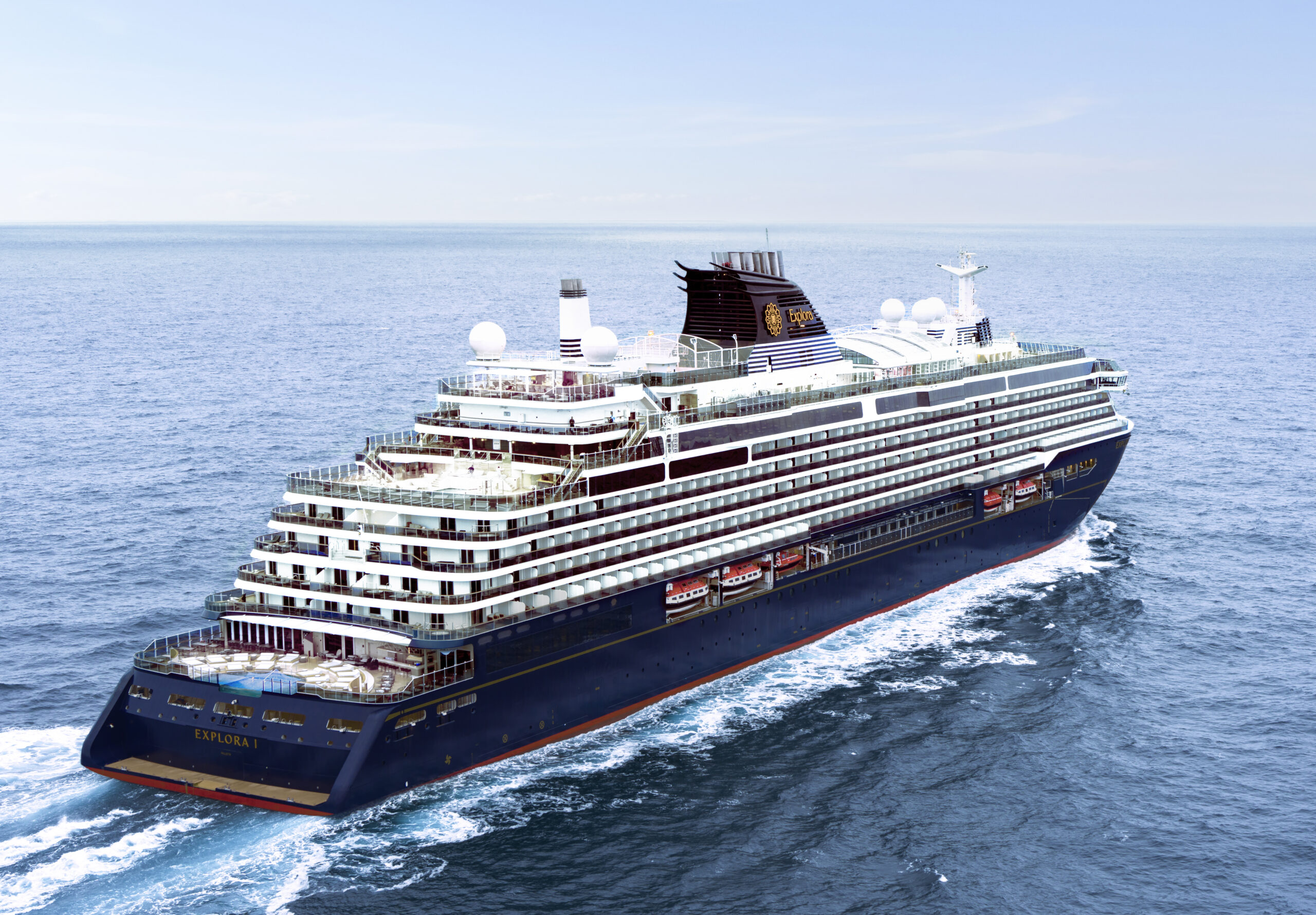
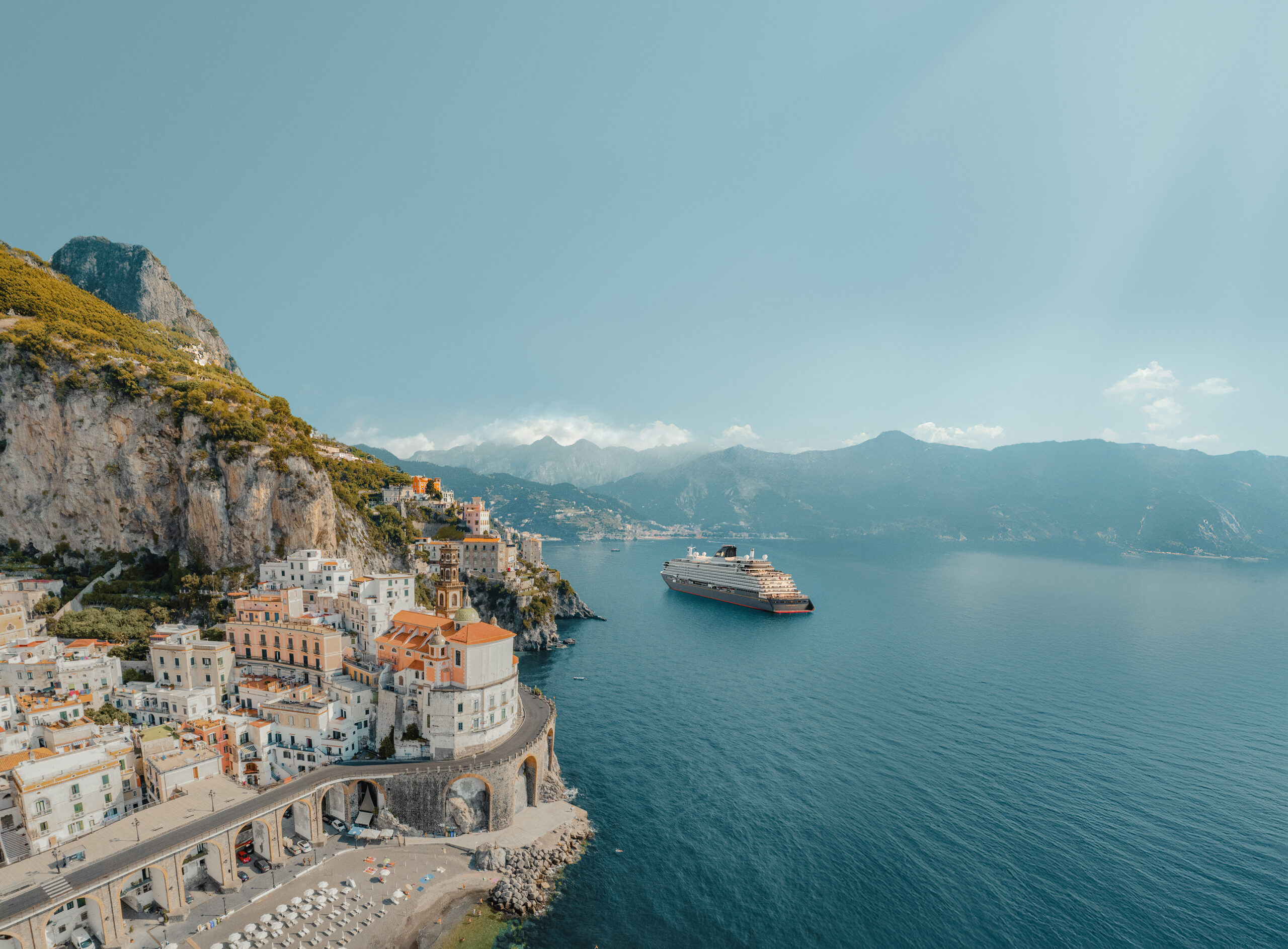
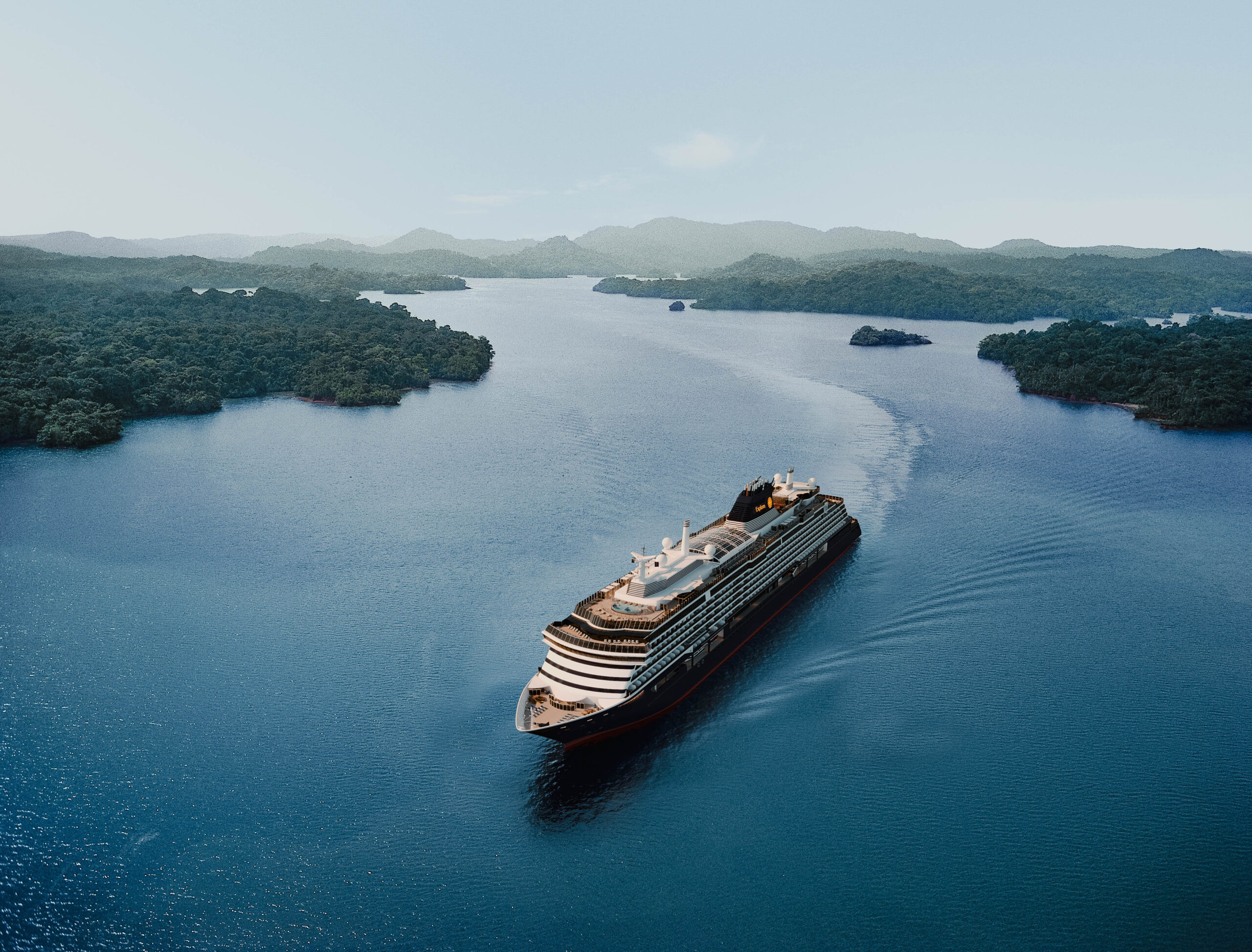
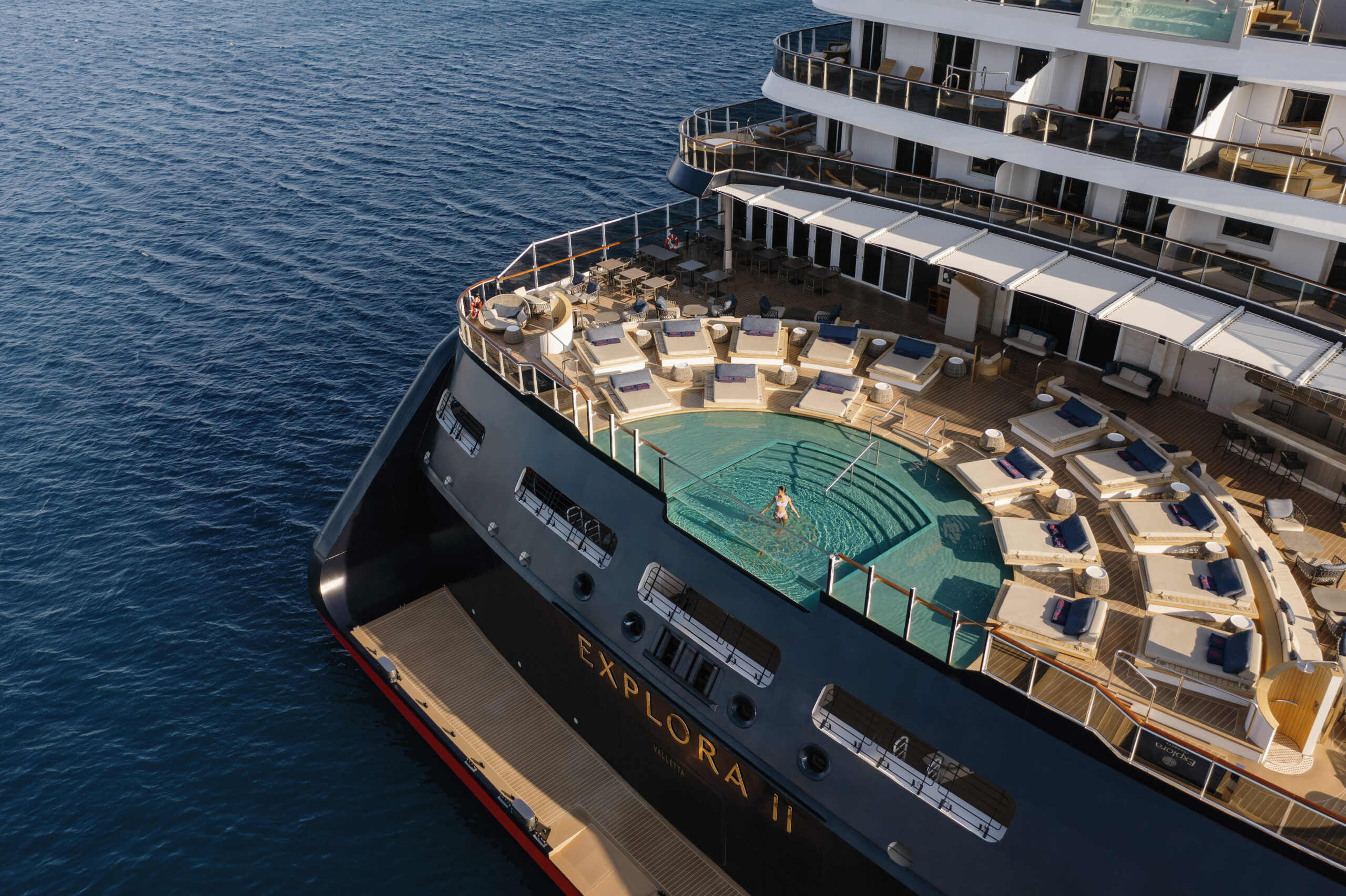
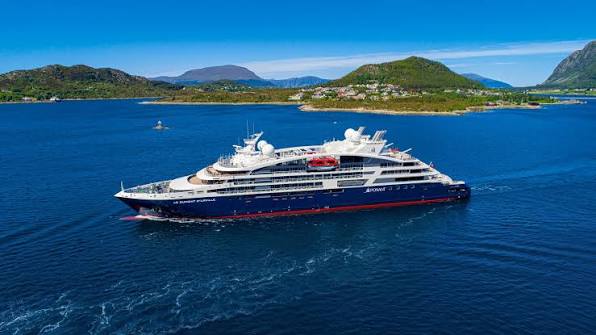
Seabourn has become the latest ultra-luxury cruise line to enter the expedition market with the launch of Seabourn Venture in 2022, followed by sister ship Seabourn Pursuit in 2023.
Seabourn Venture and Pursuit bring the trademark Seabourn style
and sophistication to the world of expedition cruising, with
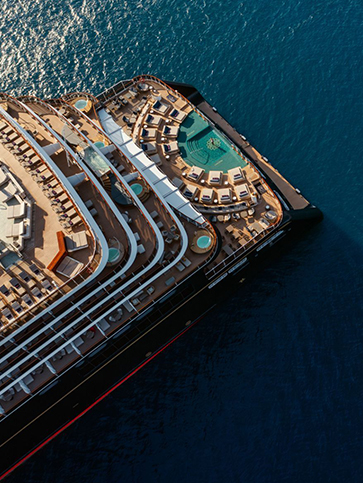
interiors by designer Adam D Tihany, sumptuous veranda suite
accommodation and immersive adventure activities.
Capital of Iceland and gateway to this extraordinary volcanic island, modern Reykjavik is home to an impressive collection of interesting attractions and places of historic significance. Visit the impressive Hallgrímskirkja church, relax in a thermal pool, potter around the old harbour, and with 24 hour daylight in the summer months, you can play golf at midnight, or choose the perfect place to view the midnight sun such as the lighthouse at Grotta or on the waterfront by Sólfar - the Sun Voyager sculpture. If you're like us, you will find travelling out of Reykjavik by land or sea to be unforgettable.
The island of Flatey lives up to its name, flat and almost devoid of hills, its colourful cottages only inhabited during the summer months. The nutrient-rich waters along the coast support a healthy population of birds including Atlantic puffins, Arctic terns, eider ducks, red-necked phalaropes and snow buntings.
Siglufjörður is the most northerly town on the Icelandic mainland, a remote little fishing port backed by imposing mountains. You can learn about the town’s history at the herring museum, explore the local culture at the Folk Music Centre or head out on one of the scenic hiking trails around the fjord.
The little town of Húsavík, on Iceland’s north coast, enjoys a picturesque setting just across the bay from the imposing Húsavíkurfjall mountain, and is known as Iceland’s whale watching capital. It’s also not far from the fascinating Lake Mývatn if you would prefer to take a land-based excursion.
The remote island of Grímsey lies some 25 miles to the north of the Icelandic mainland, straddling the Arctic Circle. This weather-beaten place has a year-round population of just 60 people, and humans are far outnumbered by the thousands of seabirds that nest on the cliffs, including puffins and Arctic terns.
Seyðisfjörður is one of the highlights of Iceland’s Eastfjords, a cute collection of colourful houses at the head of a dramatic fjord. The backdrop of snowy mountains and cascading waterfalls makes this one of the most picturesque ports in Iceland, and the town is surprisingly cosmopolitan.
Tórshavn, named after the Norse god Thor, is one of the world’s smallest capitals, with a population of just 20,000. The brightly coloured facades and turfed roofs lend the harbour an attractive, storybook quality, and the narrow streets are home to some atmospheric pubs and cafés.
Klaksvík is the second largest town in the Faroe Islands, a bustling fishing harbour of around 5,000 inhabitants and the gateway to the Northern Isles. The sheltered bay is surrounded by vivid green mountains flecked with wildflowers, and the region is rich in seabirds including puffins.
Heimaey is the largest of the Westman Islands, just off the south west coast of the Icelandic mainland. The jagged landscape is a reminder of the island’s volcanic origins; the most recent eruption, back in 1973, created the volcano now known as Eldfell, which looms over the island.
Capital of Iceland and gateway to this extraordinary volcanic island, modern Reykjavík is home to an impressive collection of interesting attractions and places of historic significance. Visit the impressive Hallgrímskirkja church, relax in a thermal pool, potter around the old harbour, and enjoy 24 hour daylight in the summer months.
Ísafjörður is the largest town in Iceland’s wild Westfjords, dramatically located on a spit of sand hemmed in by mountains on three sides. The town itself is fairly low key, and the main attraction is exploring the surrounding landscapes, such as the spectacular Hornstrandir Peninsula.
The island of Jan Mayen sits several hundred miles north of Iceland, a remote and inaccessible place where tourist numbers are strictly limited. Towering Mount Beerenburg is the world’s northernmost active volcano, and there is no human settlement except for a very lonely Norwegian weather station.
Longyearbyen is the largest settlement in Svalbard, remotely located in the high Norwegian Arctic, and originally built as a mining town. The locals continue to make the best of this hostile environment, and brightly painted wooden buildings line the main street. The surrounding area is breathtakingly beautiful.
The Svalbard archipelago is a true wilderness, a land of snowy peaks, frozen tundra and glassy seas. You’ll likely have no fixed itinerary here, due to the unpredictable nature of an Arctic expedition; be prepared to drop everything and rush up to the top deck for the chance of a polar bear sighting!
Siglufjörður is the most northerly town on the Icelandic mainland, a remote little fishing port backed by imposing mountains. You can learn about the town’s history at the herring museum, explore the local culture at the Folk Music Centre or head out on one of the scenic hiking trails around the fjord.
Patreksfjörður is the largest village in the southern part of the Westfjords, and was named after St Patrick of Ireland. From here it’s easy to visit attractions including the famous Látrabjarg cliffs, home to thousands of nesting seabirds, and the dramatic Dynjandi waterfall.
Capital of Iceland and gateway to this extraordinary volcanic island, modern Reykjavík is home to an impressive collection of interesting attractions and places of historic significance. Visit the impressive Hallgrímskirkja church, relax in a thermal pool, potter around the old harbour, and enjoy 24 hour daylight in the summer months.
The little fishing town of Grundarfjörður enjoys a picturesque setting on the Snæfellsnes Peninsula, surrounded by dramatic volcanic peaks and gushing waterfalls. The nearby Snæfellsjökull volcano, capped by a glacier, was made famous by Jules Verne in ‘Journey to the Centre of the Earth’.
Patreksfjörður is the largest village in the southern part of the Westfjords, and was named after St Patrick of Ireland. From here it’s easy to visit attractions including the famous Látrabjarg cliffs, home to thousands of nesting seabirds, and the dramatic Dynjandi waterfall.
The spectacular Dynjandi waterfall is one of the highlights of Iceland’s Westfjords, cascading down for 100 metres into the bay. The waterfall is often likened to a bridal veil because of the way the water spreads out across the rocks, and the thundering noise of the falls is intense.
The east coast settlement of Ittoqqortoormiit is one of the most remote in Greenland, a collection of brightly coloured wooden buildings that is home to around 450 people. The town is situated between the Northeast Greenland National Park and the dramatic Scoresbysund, the world’s longest fjord system.
Immerse yourself in the world’s largest national park, established in 1974 and covering some 375,000 square miles of uninhabited Arctic wilderness. The park is home to wildlife including polar bears, Arctic hares and musk oxen, and species including walrus, beluga whale and narwhal can be spotted around the coast.
Siglufjörður is the most northerly town on the Icelandic mainland, a remote little fishing port backed by imposing mountains. You can learn about the town’s history at the herring museum, explore the local culture at the Folk Music Centre or head out on one of the scenic hiking trails around the fjord.
The island of Flatey lives up to its name, flat and almost devoid of hills, its colourful cottages only inhabited during the summer months. The nutrient-rich waters along the coast support a healthy population of birds including Atlantic puffins, Arctic terns, eider ducks, red-necked phalaropes and snow buntings.
Heimaey is the largest of the Westman Islands, just off the south west coast of the Icelandic mainland. The jagged landscape is a reminder of the island’s volcanic origins; the most recent eruption, back in 1973, created the volcano now known as Eldfell, which looms over the island.
Capital of Iceland and gateway to this extraordinary volcanic island, modern Reykjavík is home to an impressive collection of interesting attractions and places of historic significance. Visit the impressive Hallgrímskirkja church, relax in a thermal pool, potter around the old harbour, and enjoy 24 hour daylight in the summer months.