From Miami to Papeete · South America & Antarctica · 35 nights
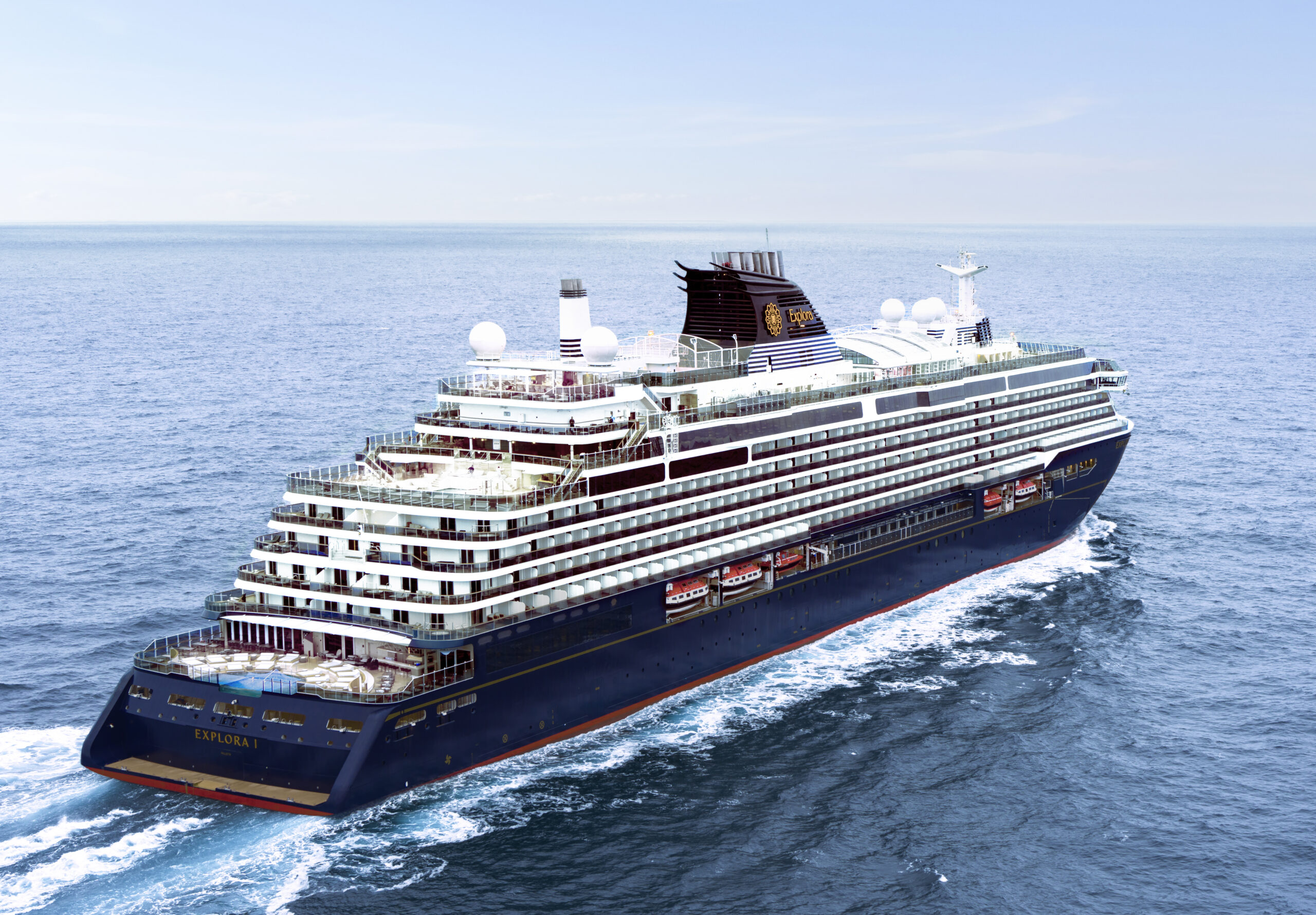
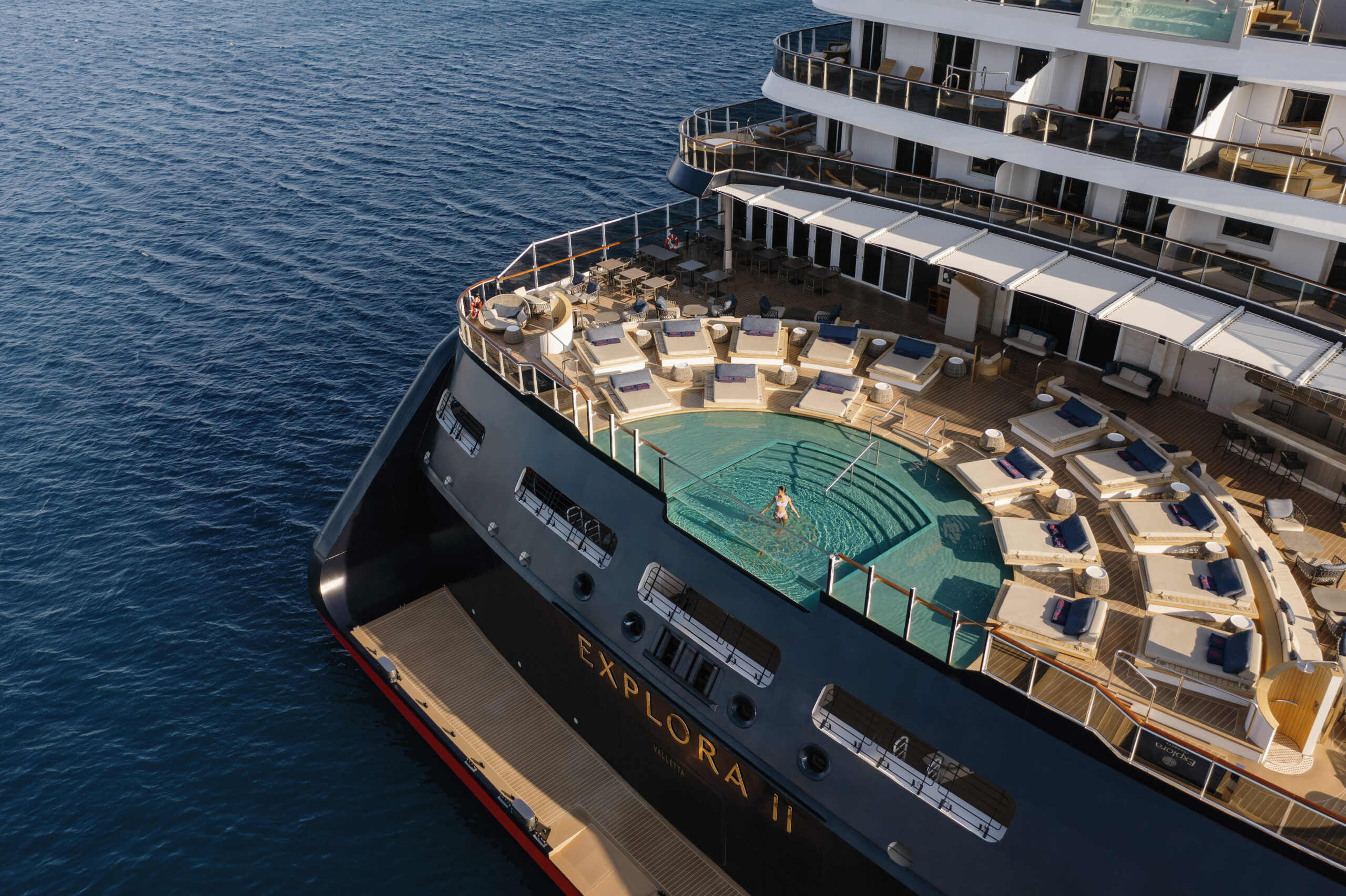
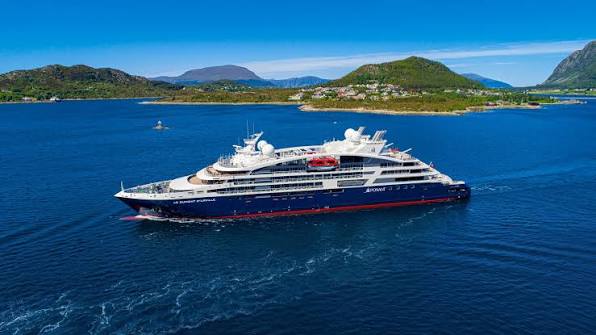
These spacious and elegant sisters are the perfect choice for a combination of contemporary style and expert hospitality.
When Seabourn built these 458-guest ships we were delighted. Not
only because each one is beautiful, but also because their
similarity means that they are interchangeable, enabling you to
travel all over the world in a familiar environment.
Miami is a pulsating modern city, a cultural crossroads where Cuban émigrés rub shoulders with affluent New Yorkers topping up on winter sun, and where you're just as likely to hear Spanish or Caribbean patois being spoken as you are English. Downtown Miami is a destination in its own right, with a host of world class galleries including the fantastic MOCA (Museum of Contemporary Art), but it's still Miami Beach that draws the biggest crowds. The Art Deco district around South Beach is very much back in vogue, with new restaurants, bars and luxury developments sprouting up all over the place.
Guayaquil is Ecuador’s largest city and most important commercial centre, and acts as the gateway to the Pacific coast and the wildlife haven of the Galapagos Islands. It’s a busy, buzzing sort of place, centred around the pleasant riverfront Malecón promenade.
Machala is often described as the ‘banana capital of the world’, and hosts the World Banana Fair every September, when buyers from across the globe come in search of the perfect banana. As well as banana plantations, the area is also home to nature reserves rich in birdlife and the Puyango petrified forest.
Peru’s underrated capital enjoys a fine setting on the Pacific coast, and the handsome colonial-era buildings surrounding the Plaza de Armas give clues to Lima’s distinguished history; for three centuries this was the capital of the Spanish Americas, when the city grew rich on the back of plundered Inca gold.
Pisco is best known for its eponymous grape brandy, the key ingredient in a pisco sour cocktail. From here you can explore the desert landscapes of the Paracas Reserve, discover the rich marine life of the Ballestas Islands or fly over the mysterious Nazca Lines.
Situated in the far north of Chile, the golden sands of Iquique attract both sunseekers and thrillseekers; surfing and paragliding are particularly popular here thanks to the clear skies and the wind coming in off the Pacific. The city is also home to some charming old mansions, remnants of a 19th century nitrate mining boom.
The enigmatic moai statues of Rapa Nui (Easter Island) remain one of the world’s most intriguing archaeological mysteries. Descendants of the Polynesian settlers who carved them still live here, though these days the island belongs to Chile, despite being separated from the mainland by over 2,000 miles of Pacific Ocean.
Nuku Hiva is the largest of the Marquesas, an island of towering basalt peaks, cliffs and canyons, carpeted with verdant jungle. From the pretty little capital, Taiohae, you can strike out into the unspoilt countryside in search of the island’s many archaeological sites.
Hiva Oa is the last resting place of the artist Paul Gauguin, who spent the final years of his life here, and the Gauguin museum in Atuona documents his time in the South Pacific. This beautiful island is also home to some evocative archaeological sites, including ancient petroglyphs and stone tiki statues.
The Fakarava atoll surrounds a deep lagoon in the west of the Tuamotu island group, scarcely populated and home to a host of rare wildlife. The entire atoll has been declared a UNESCO biosphere reserve, and the shallow coastal waters make for excellent snorkelling.
Papeete is the capital of French Polynesia, situated on the northwest coast of Tahiti. The port is not the most magical spot, so we advise venturing forth to luxuriate in the turquoise lagoons, relax on the white sand beaches fringed with palm trees, and explore the rugged mountain peaks.