From Rio de Janeiro to Amsterdam · Mediterranean · 31 nights
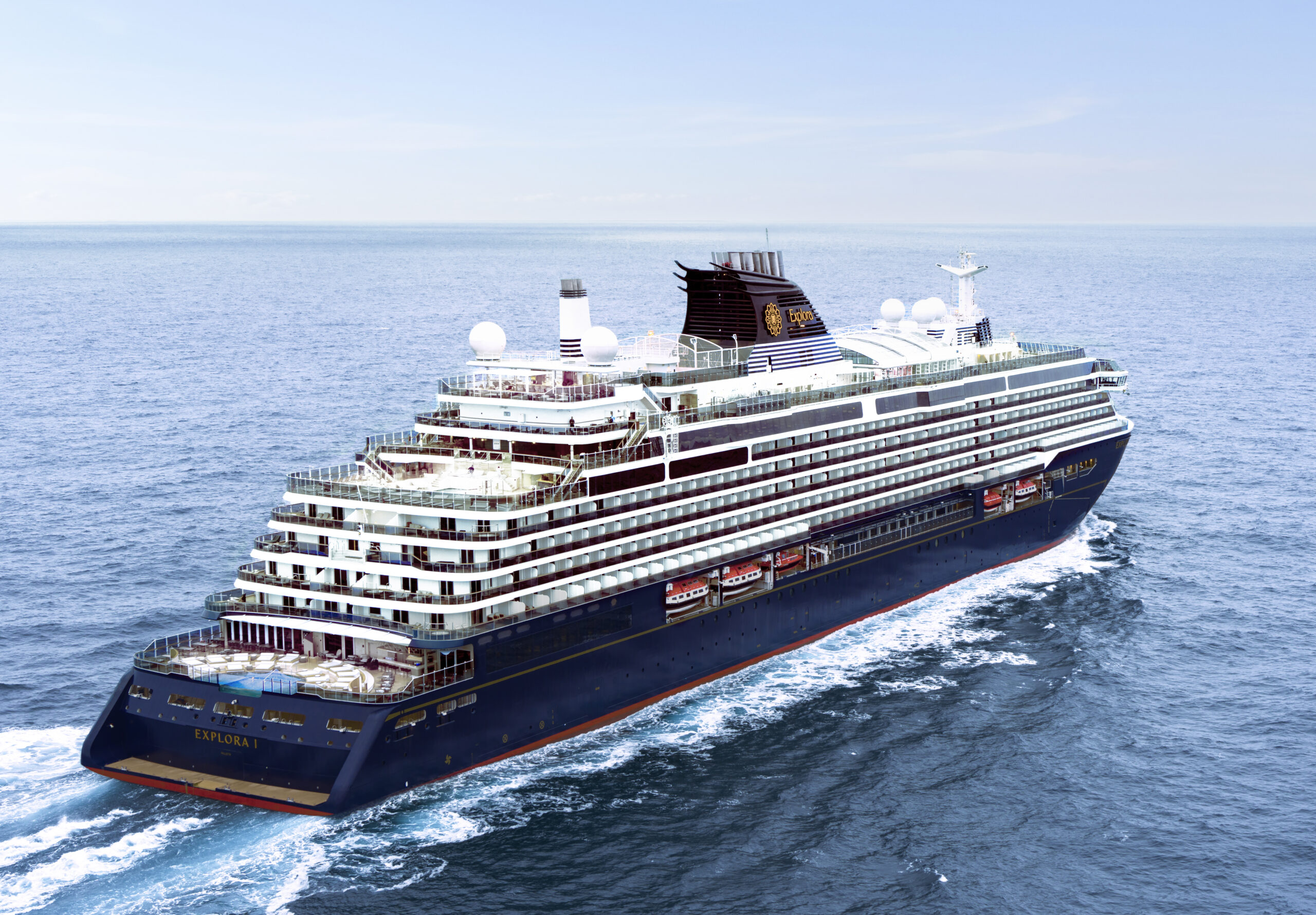
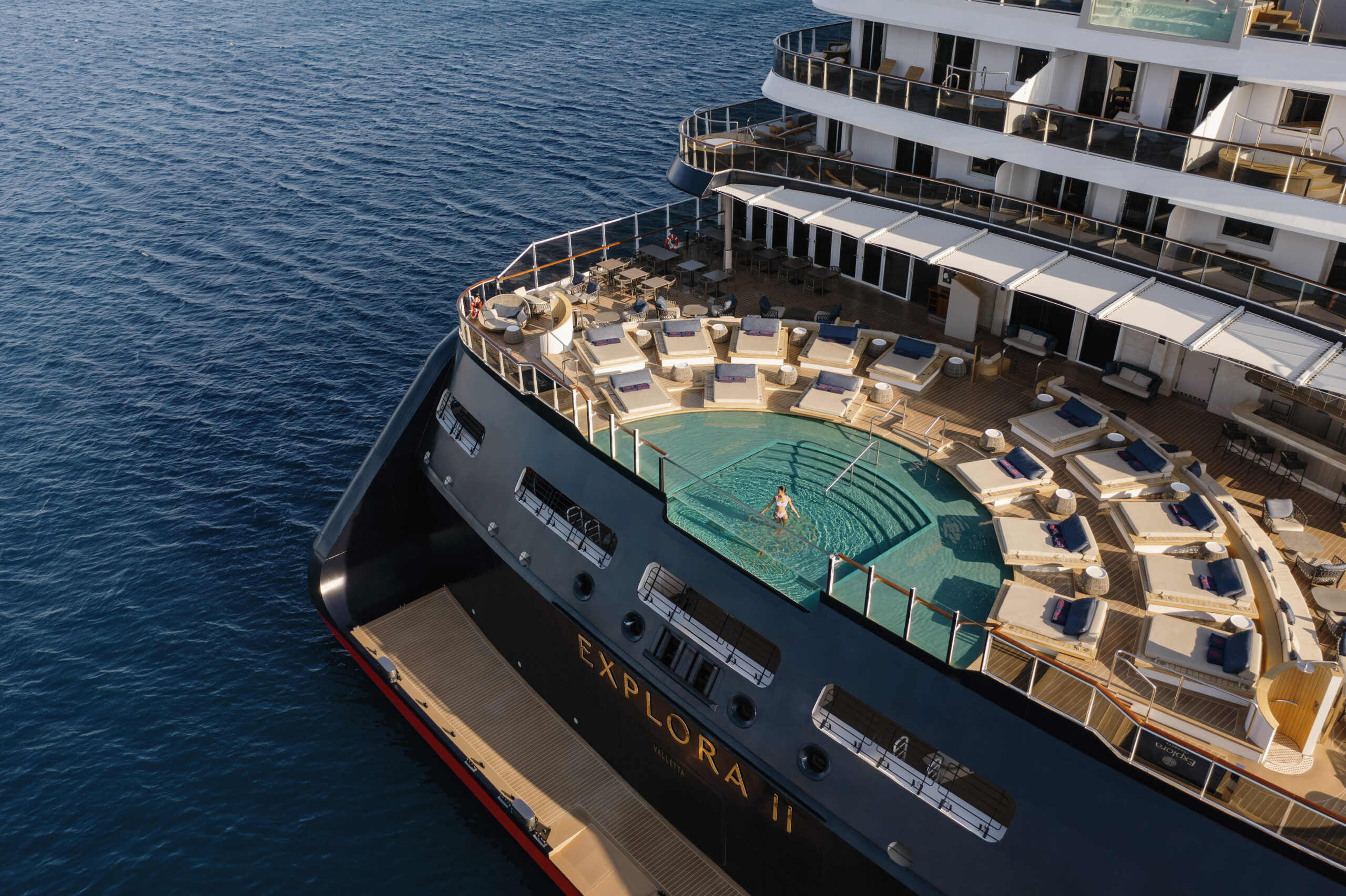
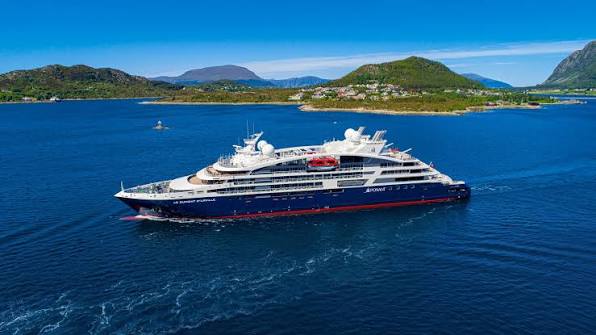
Seabourn has become the latest ultra-luxury cruise line to enter the expedition market with the launch of Seabourn Venture in 2022, followed by sister ship Seabourn Pursuit in 2023.
Seabourn Venture and Pursuit bring the trademark Seabourn style
and sophistication to the world of expedition cruising, with
interiors by designer Adam D Tihany, sumptuous veranda suite
accommodation and immersive adventure activities.
The carnival capital of the world, Rio de Janeiro needs little introduction. We can think of few cities in the world that are able to compete when it comes to location: hugging the beautiful sandy shore and surrounded by jungle-clad islands and mountains, including the iconic Corcovado, the setting for Brazil's most vibrant city is simply breathtaking. Strut your stuff on Copacabana beach, shimmy to the rhythms of samba and bossa nova, or just drink in the view from the feet of Christ the Redeemer - Rio is truly a destination to be savoured.
Colourful Salvador is Brazil’s third biggest city and a vibrant centre for Afro-Brazilian culture, with frequent festivals that fill the streets with music and dancing. The historic core of the old city is the biggest tourist magnet, where elegant, brightly hued colonial buildings line the cobbled streets.
Recife is a big and bustling metropolis on Brazil’s north east coast, with a historic core that has been mostly swallowed up by the urban sprawl. The nearby town of Olinda is a more appealing place to spend your day ashore, with an arty vibe and some lovely colonial architecture.
Natal takes its name from the Portuguese word for Christmas, since the city was founded on Christmas Day in 1599. The local tourist industry is focused mostly on the region’s beautiful beaches, and a buggy ride along the huge sand dunes is a popular activity.
Praia is the capital of Cape Verde, set on the south coast of Santiago island. Highlights include a scattering of attractive Portuguese colonial architecture around the Praca Alexandre Albuquerque, while the lively fruit and vegetable market will give you a taste of local life at street level.
The dry and barren volcanic island of São Vicente is home to Cape Verde’s most appealing port, the charming city of Mindelo. The cobbled streets and colonial architecture are a real pleasure to explore, and the city plays host to a raucous carnival in February.
Situated on Tenerife’s north eastern shore, the island’s capital is a busy port that serves mostly as a gateway to the popular south west coast and the spectacular volcanic landscapes of the island’s interior.
In recent years Lanzarote has begun to shake off its mass market reputation and reinvent itself as a more upmarket destination. The extraordinary volcanic landscapes and the works of local artist César Manrique give the island a unique appearance, and the understated capital, Arrecife, is well worth exploring.
After years of neglect, Tangier is finally being restored to its former glory as a cosmopolitan crossroads between Europe and Africa. The Moroccan government has invested heavily in modern infrastructure, while the spruced up medina shines with a new-found cultural dynamism.
Seville is a wonderful destination, a sophisticated and sun-kissed city on the banks of the Guadalquivir river. It’s a treat for all the senses, from the smell of orange blossom to the heart-tugging sounds of flamenco, and the highlight of the calendar is undoubtedly Semana Santa, when a spectacular Easter parade fills the streets.
Blessed with a dramatic setting on the steep banks of the river Douro, Portugal’s second city is currently enjoying something of a renaissance, and is best known as the home of the country’s most famous export, port wine.
Vigo is the biggest city in Galicia, Spain’s verdant northwest corner. The city itself is a busy fishing port with limited tourist appeal, but it’s a great base for striking out into the countryside, visiting the lovely Cíes Islands just offshore or joining the pilgrims in Santiago de Compostela, 60 miles to the north.
The naval port of Brest is situated on a fine natural harbour, a bustling city that was rebuilt after extensive damage from Allied air attacks during World War II. Enjoy excellent seafood and local Breton dishes, learn about the city’s maritime history at the Musée de la Marine, or visit Océanopolis, one of France’s largest aquariums.
Saint-Malo grew rich off the back of maritime trade and its plundering corsairs, a seafaring heritage that is still proudly on display today. It’s great fun getting lost in the streets of the walled old town, and the famous medieval abbey of Mont Saint-Michel is an easy day-trip.
An important naval base and major commercial port, Cherbourg is the gateway to the many attractions of Normandy, including the Bayeux Tapestry and the beaches where the D-Day landings took place. Cherbourg’s excellent Cité de la Mer maritime museum is also well worth a visit.
Rouen has endured a turbulent history: it was here that Joan of Arc was burnt at the stake in 1431, and much of the city was destroyed during World War II. Many cruise visitors head straight for Paris, an hour away by train, which is a shame since there’s so much to see in Rouen, including a beautiful cathedral and the atmospheric Medieval quarter.
Amsterdam is one of our very favourite cities to visit, and comes alive with vibrant spring colours during tulip season. There is a wealth of famous museums and galleries to choose from, such as the Van Gogh Museum, the Rijksmuseum and the Anne Frank House.