From Lisbon to Athens (Piraeus) · Mediterranean · 30 nights
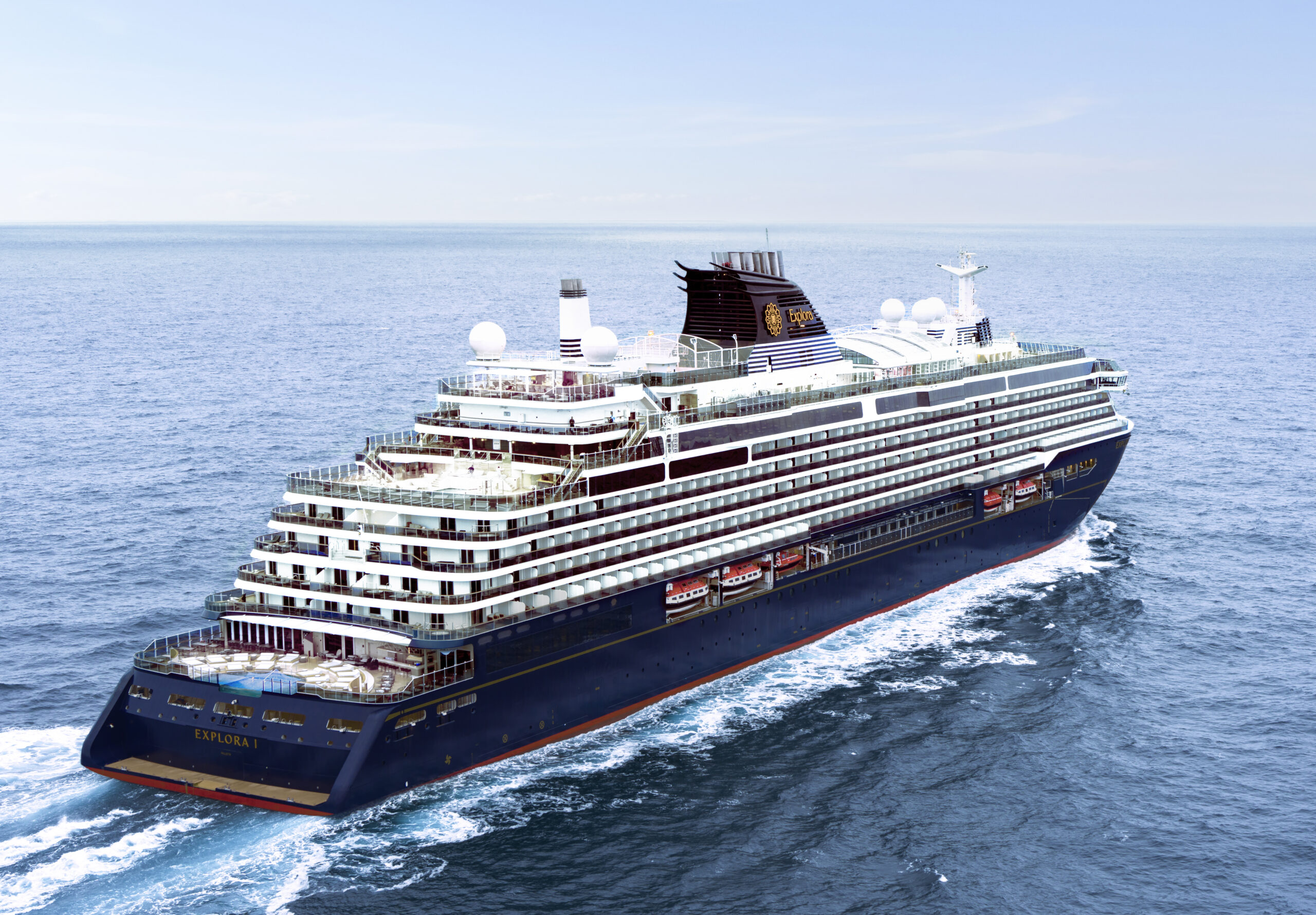
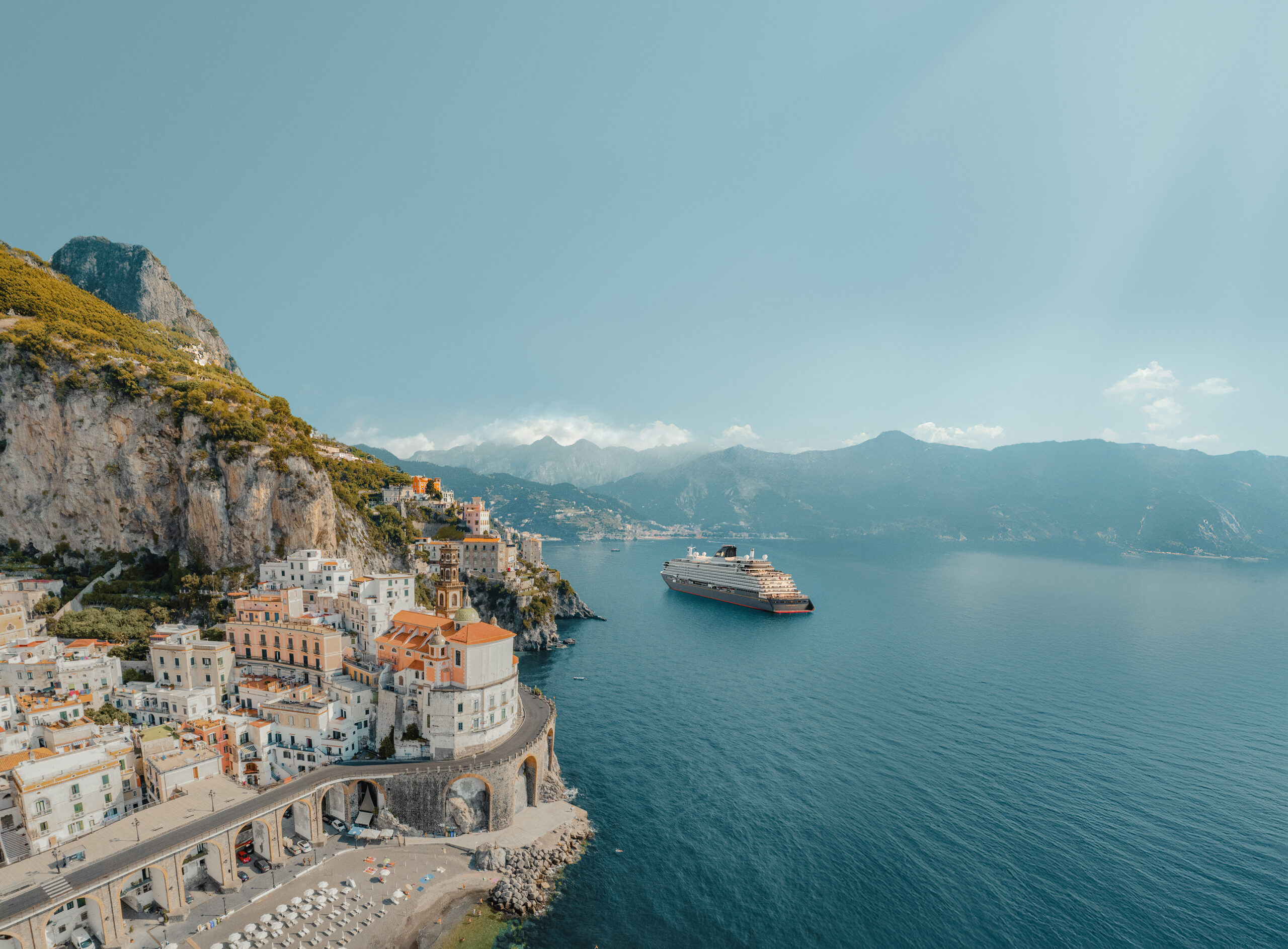
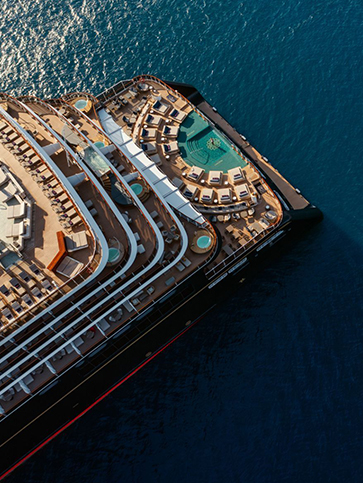
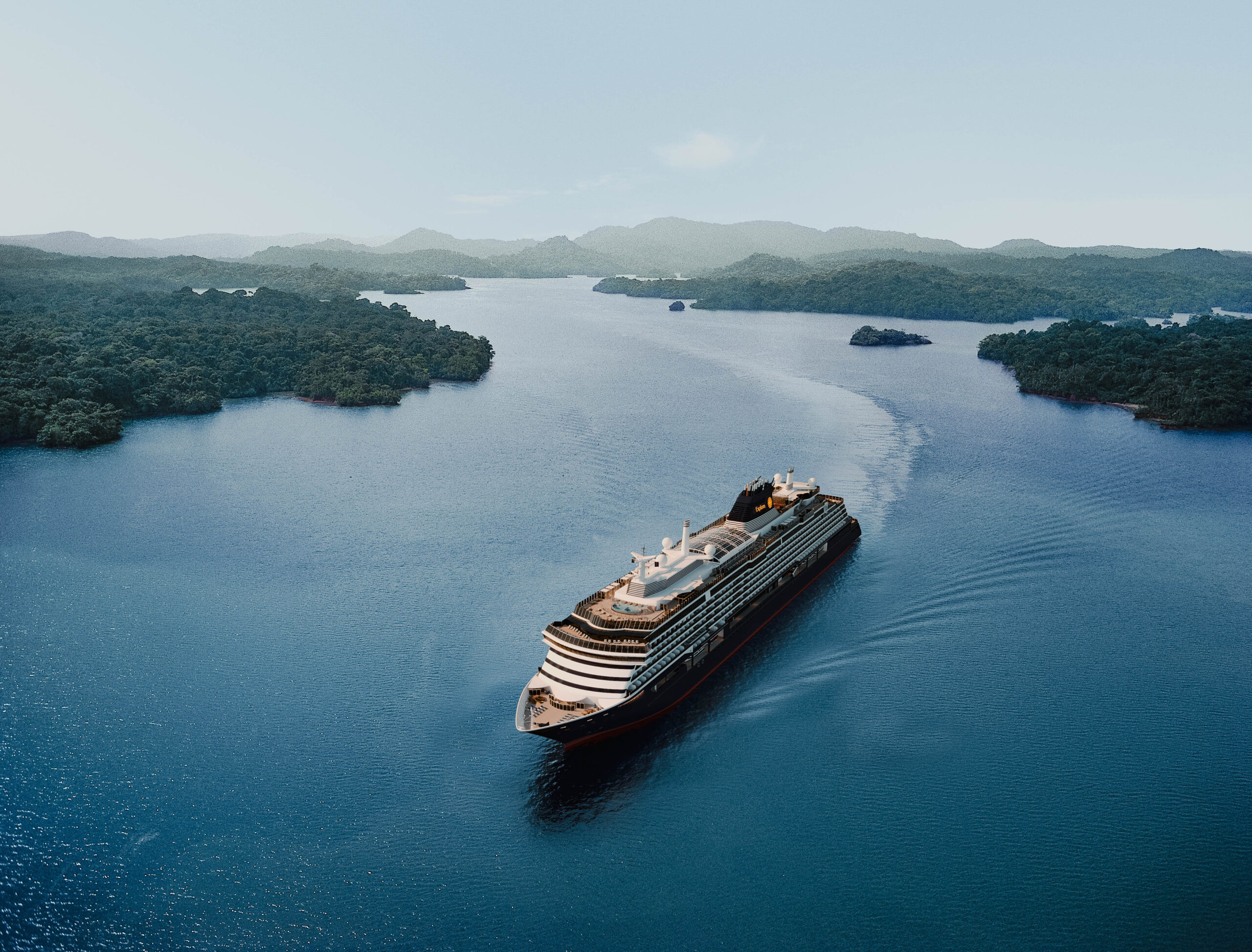
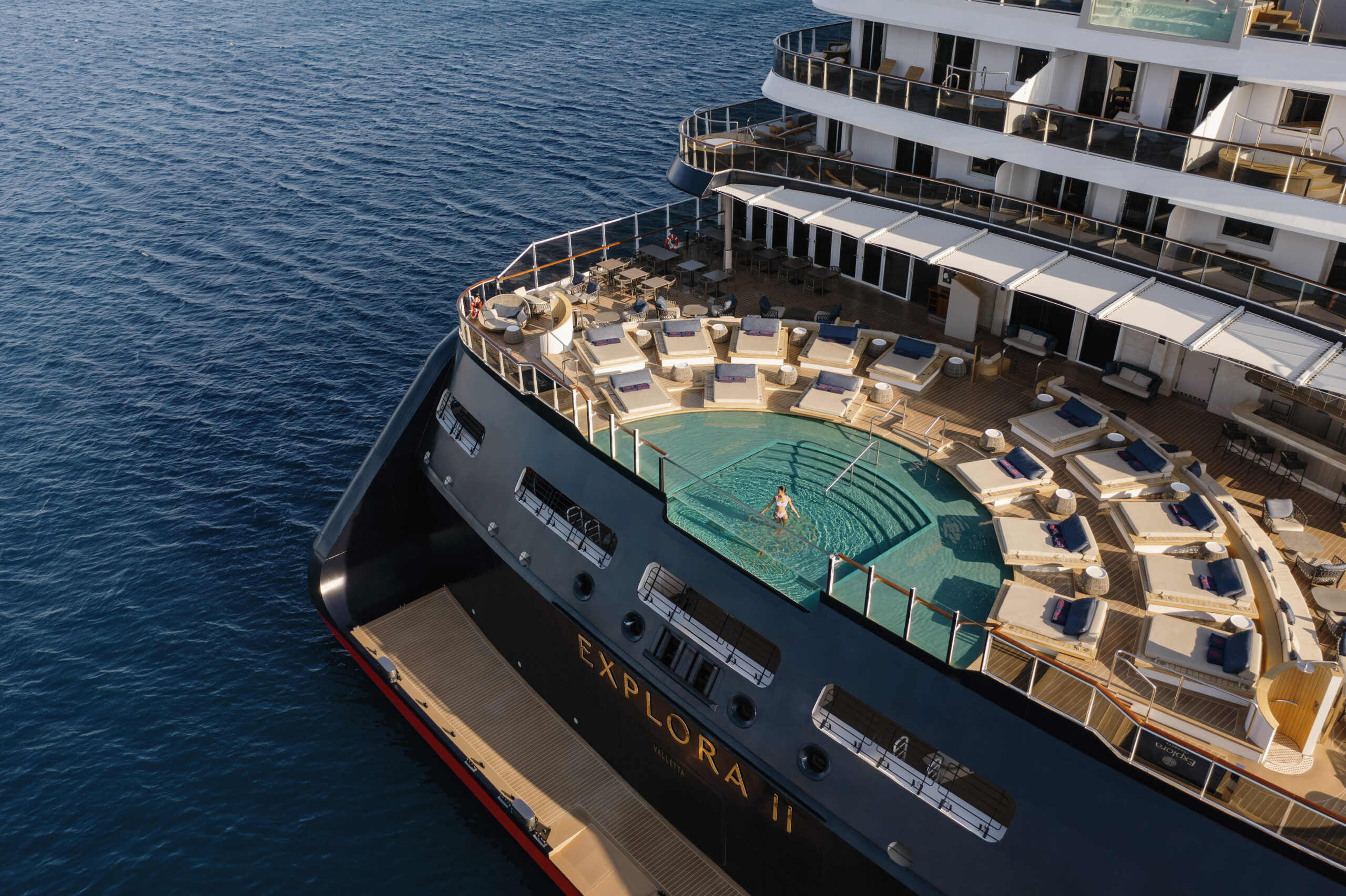
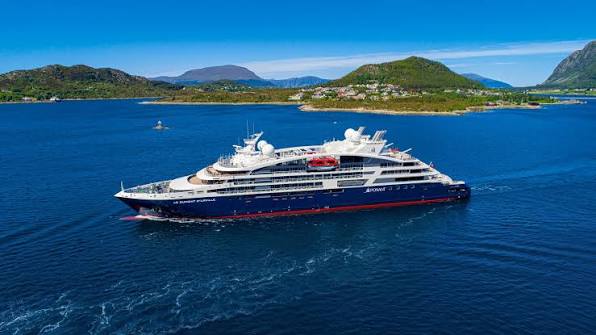
Innovative sister ships Seabourn Encore and Ovation represent an evolution in the Seabourn fleet, slightly larger in size with all-verandah accommodation.
When Seabourn introduced these sisters, they changed the face of
luxury cruising. Seabourn Encore and her sister Seabourn Ovation,
with 600 guests on board, take things a step further, with lots of
new thinking and special additions, continuing Seabourn’s magical
ability to surprise and delight.
The roots of historic Lisbon's fame lie in its strategic position on the edge of the Atlantic and the fact it offers one of the world's greatest natural harbours. No surprise therefore that it became the home of the world's most famous explorers such as Vasco da Gama, Magellan and Prince Henry the Navigator. Built on seven hills, we always find Lisbon to be soulful, captivating and picturesque, with architecture which reflects its status as a great port.
The crumbling, sun-baked seafront city of Cádiz is said to be the oldest continuously inhabited settlement in the western world, founded by the Phoenicians around 1100 BC. Although the city lacks any obvious landmarks, it’s rich in atmosphere, and plays host to one of Spain’s most colourful carnivals.
After years of neglect, Tangier is finally being restored to its former glory as a cosmopolitan crossroads between Europe and Africa. The Moroccan government has invested heavily in modern infrastructure, while the spruced up medina shines with a new-found cultural dynamism.
The Spanish enclave of Ceuta occupies a small peninsula on the north coast of Morocco, a slightly surreal island of European culture. The painstakingly restored medieval city walls date back over 1,000 years, and the pretty Plaza de África is home to some of Ceuta’s most elegant buildings.
The marina at Puerto Banús is a prime destination for the glitterati on the Costa del Sol, a place where oligarchs’ private yachts float alongside upmarket restaurants and designer boutiques. If this doesn’t sound like your scene then try heading inland to lovely Ronda, or check out the beaches around Marbella.
The bustling port of Motril is less than an hour’s drive from Granada, last stronghold of the Moors in Spain and home to the famous Alhambra palace. The narrow streets of the Albayzín quarter are particularly evocative of the days of Al Andalus, and you can explore Granada’s Jewish heritage in the atmospheric Realejo district.
Cartagena was founded by the Carthaginians around 227 BC, who named it after their home city in North Africa. These days the city is best known for its well-preserved Roman theatre, which was remarkably only discovered in 1987, in spite of its location in the centre of town.
The busy port of Tarragona, situated on the Catalan coast to the south of Barcelona, is a city full of history. This was the base from which the Romans launched their conquest of the Iberian peninsula, and there are plenty of reminders of this period, including an impressive seafront amphitheatre.
From the warren-like medieval streets of the Barri Gòtic to the fantastical modernist architecture of Antoni Gaudí, from the dizzy heights of Mount Tibidabo to the golden sands of Barceloneta, there’s never a dull moment in Barcelona.
Roses is home to some of the loveliest beaches on the Costa Brava, and the town is said to have been founded by Greeks in the 8th century BC. If you don’t fancy a day on the beach then take a trip to Figueres to see the Dalí museum, or head a little further south to the engaging city of Girona.
The pretty Provençal fishing village of Sanary-sur-Mer is an agreeable place to spend a day, with a clutch of historic buildings and a lively open-air market. Sanary also has a fine literary heritage, home to a number of exiled German writers during the 1930s, and it was here that Aldous Huxley wrote ‘Brave New World’.
The Corsican port of Calvi is a popular summer destination for both sun-seeking tourists and the yachts of the super-rich, with a swanky harbour and five miles of beautiful beach. The town is said by some to be the birthplace of Christopher Columbus, and the skyline is dominated by the imposing 15th century Genoese citadel.
Situated on the northeastern coast of Sardinia, Olbia is a busy port city that serves mostly as a gateway to the beautiful Costa Smeralda. The compact historic centre has some pleasant places to eat, drink and shop if you feel like exploring, or you may prefer to head straight for the beach.
Porto Santo Stefano sits on the slopes of Monte Argentario, a promontory connected to the Tuscan coast by three slender spits of land. The port was subjected to frequent pirate raids until the Spanish fortified it in the 16th century, and the fortress still looms over the harbour.
One of the world’s great cities, Rome continues to dazzle and delight visitors with a potent mix of architectural marvels, continent-defining history and buzzing nightlife. The Colosseum, the Vatican and the Forum are among the big ticket items, with the crowds to match, though in truth you will find history around almost every corner.
Salerno is the capital of the Campania region, an attractive city at the eastern end of the Amalfi Coast. The historic centre and beautiful seafront promenade are well worth exploring, and the ruins at nearby Paestum make for an interesting day trip.
The charming village of Giardini Naxos is one of the jewels of Sicily, a popular resort located on a majestic bay facing the Ionian Sea. Restaurants and bars line a long stretch of beach, and the attractive town of Taormina is within easy reach, along with the slopes of brooding Mount Etna.
Gozo is Malta’s laid back little sister, a sleepy island characterised by ruggedly beautiful coastline, medieval citadels and prehistoric temples. It’s also a popular destination for divers, with some of the most spectacular underwater scenery anywhere in the Mediterranean.
Malta’s tiny capital, established by the Knights of St John, packs in an awful lot of history considering its diminutive size. The atmospheric old streets, bathed in Mediterranean sunshine, are full of attractive honey-golden buildings, along with an impressive selection of bars and restaurants.
Kotor sits at the head of a beautiful, fjord-like bay, hemmed in by glowering mountains. The compact, walled old town is Montenegro’s star attraction, a warren of little alleyways and shady squares that is often described as a ‘mini Dubrovnik’.
We never fail to be moved when we see the terracotta roofs and honey-golden walls of Dubrovnik, and a stroll around the perfectly preserved old town is a highlight of any visit to the Dalmatian coast. Make sure you take the time to walk around the walls and soak up the marvellous sea views.
Kotor sits at the head of a beautiful, fjord-like bay, hemmed in by glowering mountains. The compact, walled old town is Montenegro’s star attraction, a warren of little alleyways and shady squares that is often described as a ‘mini Dubrovnik’.
The port of Brindisi sits at the end of the old Via Appia, and was once an important transit point for pilgrims and crusading knights heading east to the Holy Land. Brindisi's compact old town is pleasant enough, but you may prefer to head inland to visit the stunning baroque city of Lecce.
Corfu, known as Kerkyra in Greek, is a beautiful island of verdant hills and rocky coves, and away from the more crowded resorts it remains a sleepy and idyllic place. Don’t miss the picturesque Venetian architecture of Corfu Town, a UNESCO World Heritage Site.
The port of Itea, situated on the Greek mainland to the west of Athens, is the gateway to the magnificent ruins of Delphi. The spectacular cliffside setting at the foot of Mount Parnassos adds to the drama of this holiest of Ancient Greek sites, home to a famous oracle in antiquity.
The little fishing town of Gythion was once the seaport for ancient Sparta, though these days it’s a pretty sleepy place. Take a stroll around the picturesque streets and soak up the atmosphere, with pastel-hued houses, balconies draped in bougainvillea and some great little seafood restaurants.
Athens is a city awash with historical and cultural significance, but it's much more than an open air museum; this is a dynamic, bustling metropolis, and a place where history is still very much unfolding.