From Buenos Aires to Cape Town · Africa & Indian Ocean · 25 nights
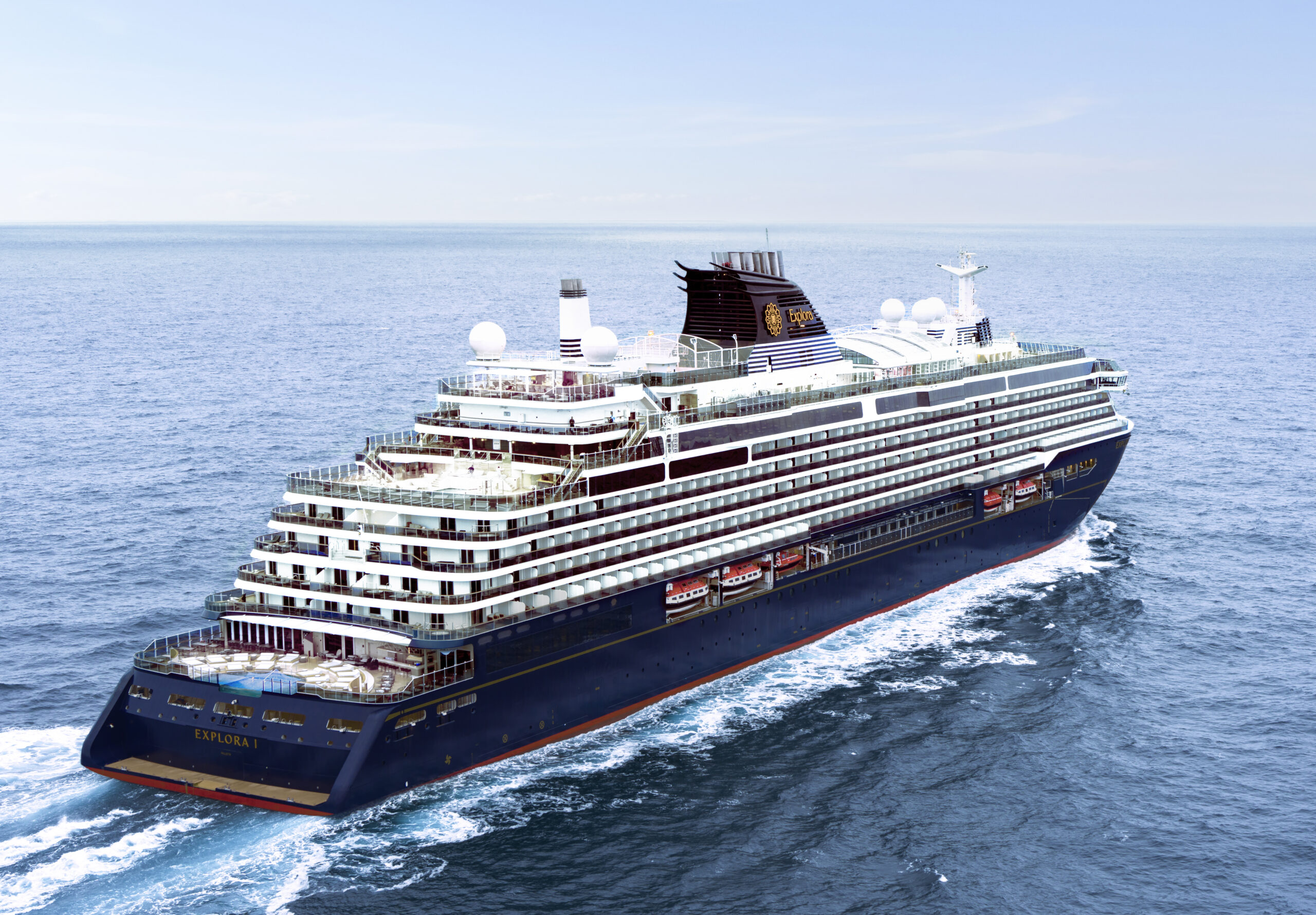
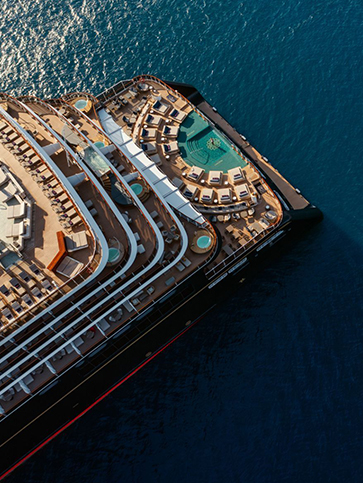
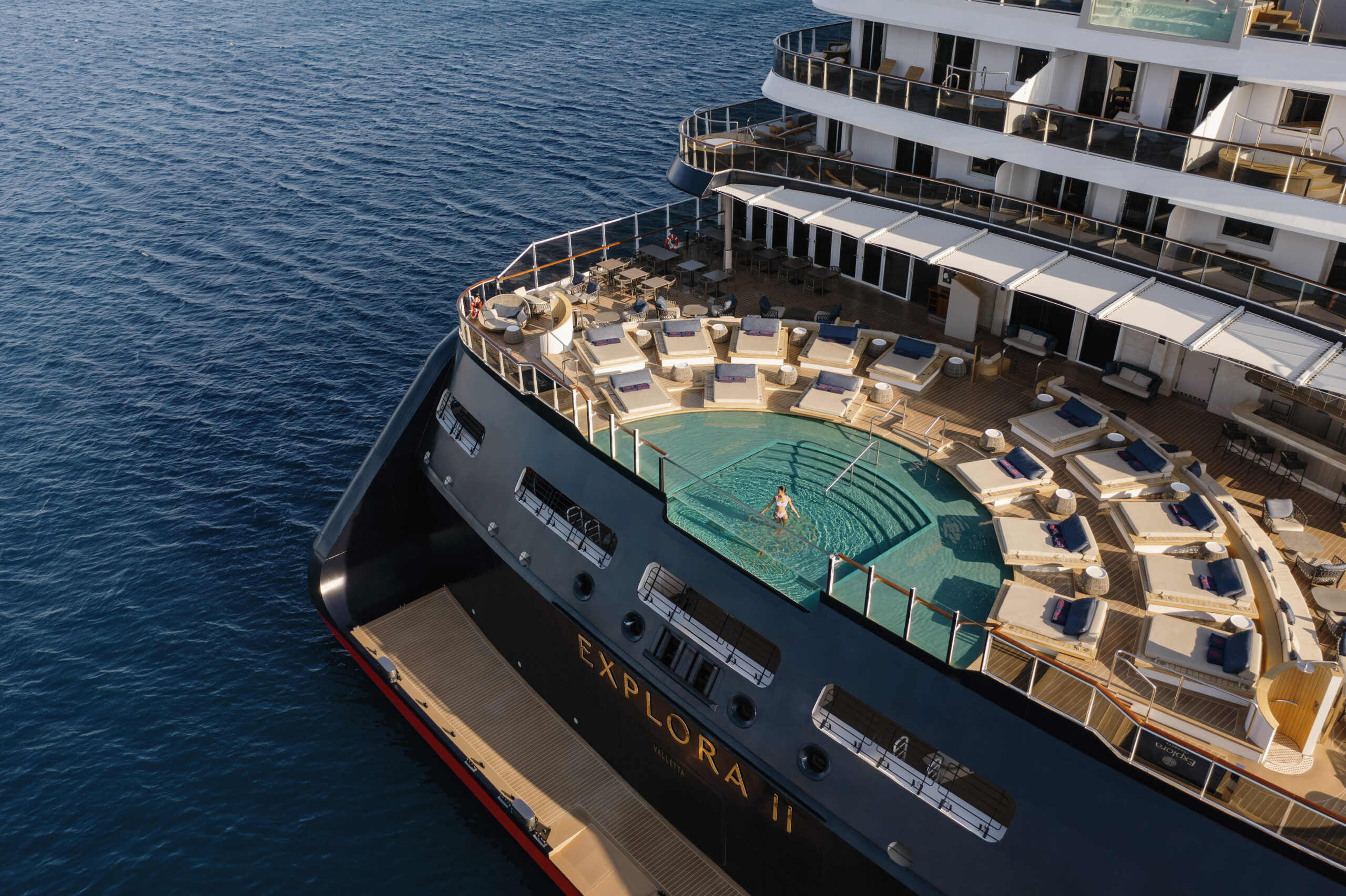
These spacious and elegant sisters are the perfect choice for a combination of contemporary style and expert hospitality.
When Seabourn built these 458-guest ships we were delighted. Not
only because each one is beautiful, but also because their
similarity means that they are interchangeable, enabling you to
travel all over the world in a familiar environment.
The streets of Buenos Aires are redolent of a grand old European capital, lined with elegant architecture that wouldn't look out of place in Madrid or Paris. There is also plenty of Latin passion on display: Argentina is the home of tango, that most electrifying of dances, and the central Plaza de Mayo has played host to countless revolutions and rallies over the years. Food is an important part of life here, and carnivores shouldn't pass up the opportunity to try the world's finest beef at one of the many steakhouses, known as parrillas. Other attractions include the beautiful Recoleta cemetery, the grand Teatro Colón and the colourful, arty district of La Boca.
There is remote, and then there is Tristan da Cunha. This little volcanic rock in the South Atlantic supports a population of less than 300 people, and is an astonishing 1,200 miles from St Helena, the nearest inhabited island. There is no airport, so arriving by ship really is the only way to get here.
Remote, volcanic and uninhabited by humans, Nightingale Island is part of the Tristan da Cunha archipelago. The island is known for its spectacular birdlife, home to over a million seabirds, including rockhopper penguins, Atlantic yellow-nosed albatross and the rare Nightingale bunting.
Richards Bay itself is an industrial city with little in the way of tourist sights, but the port serves as a gateway for the many attractions of KwaZulu-Natal province. Head inland and you’ll find traditional Zulu villages, undulating hills and wildlife including crocodiles, hippos and the rare black rhino.
Mozambique’s laid back capital is an eclectic mix of elegant Portuguese colonial architecture and concrete blocks that hark back to the days of Soviet influence. Maputo also has an excellent selection of restaurants and a lively nightlife scene, as well as some interesting museums and markets.
Durban is a real melting pot; not only does the city feel more authentically African than Cape Town, it’s also home to a large Indian community that lends the city a distinctly Asian flavour. The lovely waterfront promenade was revamped for the 2010 World Cup, and the beach is a popular destination for domestic tourists.
Port Elizabeth is home to some nice beaches and a handful of interesting buildings, but it is perhaps not the most exciting city on the Sunshine Coast. There are plenty of things to see and do in the surrounding area, however, and we highly recommend a day trip to the fantastic Addo Elephant Park.
The sunny city of Mossel Bay is on South Africa’s famous Garden Route, situated roughly halfway between Cape Town and Port Elizabeth. The city has a pleasant seafront promenade and there are some lovely beaches nearby, along with whale and dolphin watching hotspots and game reserves.
Cape Town is a magical, multicultural city where Africa meets a European-style cosmopolitan atmosphere, creating a vibrant melting pot of cultures and religions. With flat-topped Table Mountain soaring above the city, beautiful natural landscapes, and gardens within the city, you never feel far from nature here.