From Athens (Piraeus) to Athens (Piraeus) · Mediterranean · 21 nights
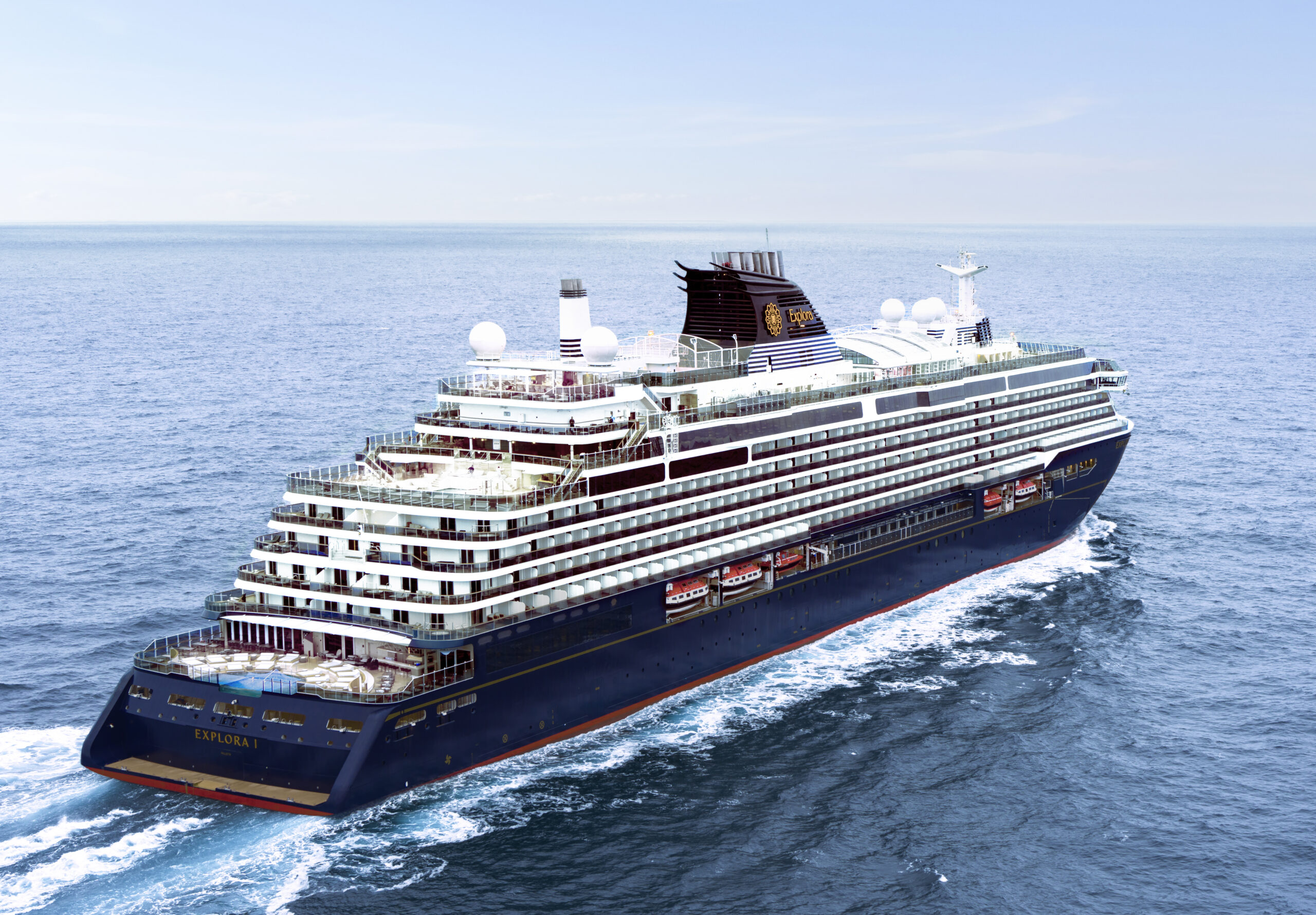
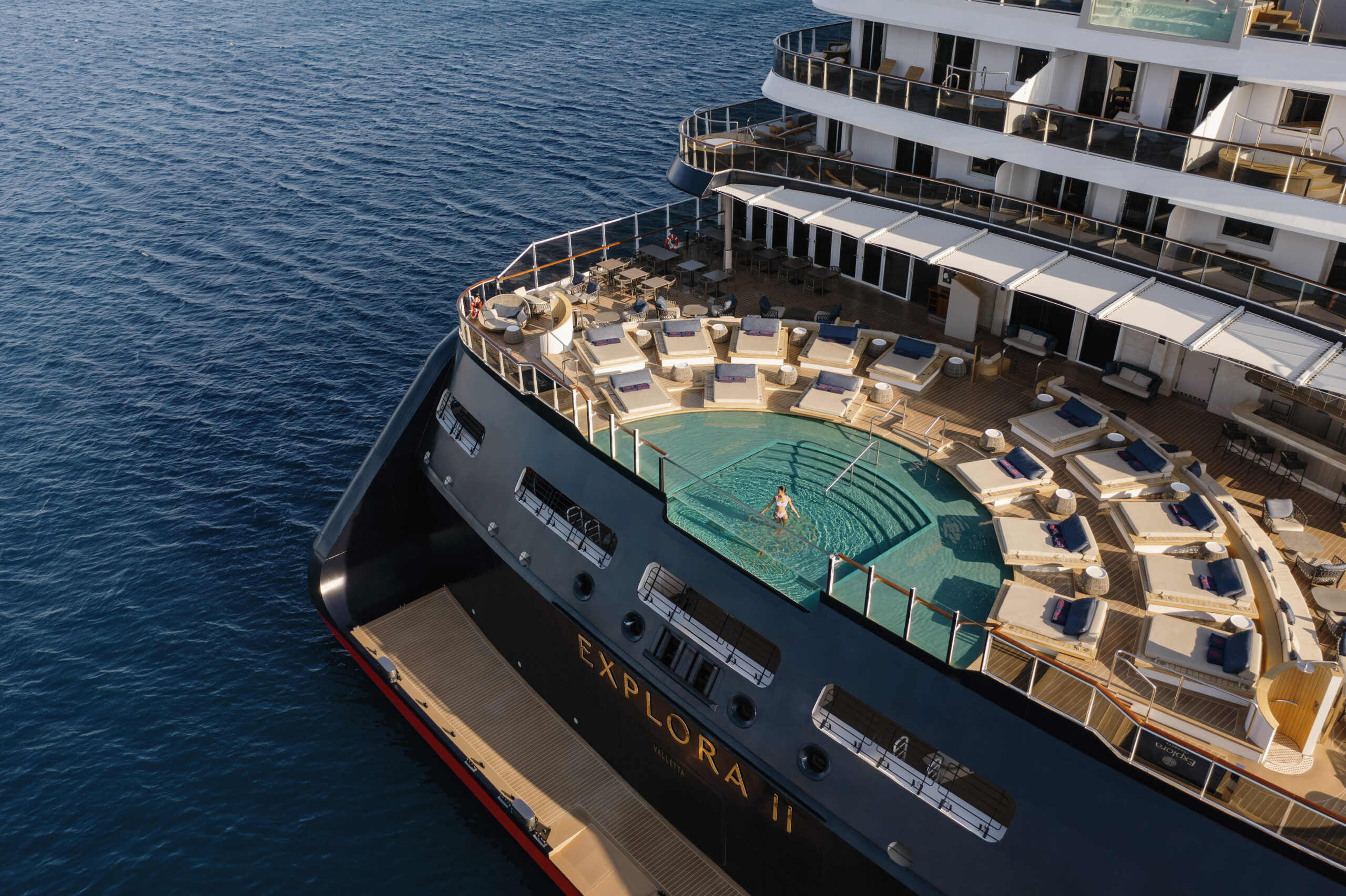
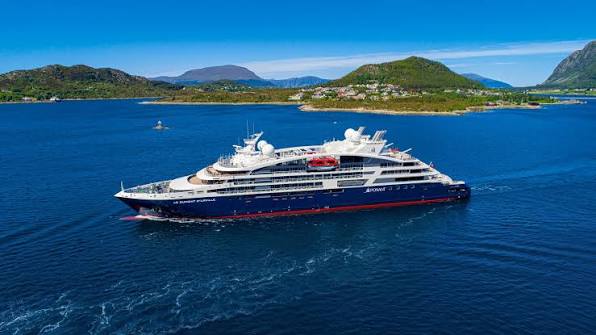
These spacious and elegant sisters are the perfect choice for a combination of contemporary style and expert hospitality.
When Seabourn built these 458-guest ships we were delighted. Not
only because each one is beautiful, but also because their
similarity means that they are interchangeable, enabling you to
travel all over the world in a familiar environment.
Athens is a city awash with historical and cultural significance. Towering over the city are the gleaming columns of the Parthenon, surely one of the most iconic sights in the whole of Europe. And yet Athens is much more than an open air museum; this is a dynamic, bustling metropolis, and a place where history is still very much unfolding. For all its faults, the Greek capital possesses an energy and an optimism that are manifest in everything from the burgeoning art scene to the restaurants and bars that continue to pop up on a regular basis.
The little fishing town of Gythion was once the seaport for ancient Sparta, though these days it’s a pretty sleepy place. Take a stroll around the picturesque streets and soak up the atmosphere, with pastel-hued houses, balconies draped in bougainvillea and some great little seafood restaurants.
Sarandë is southern Albania’s premier seaside resort, and in summer the population swells with day-trippers from nearby Corfu. If the beach doesn’t appeal then visit the fascinating archaeological remains at Butrint, or take a dip in the refreshing waters of the beautiful Blue Eye Spring.
We never fail to be moved when we see the terracotta roofs and honey-golden walls of Dubrovnik, and a stroll around the perfectly preserved old town is a highlight of any visit to the Dalmatian coast. Make sure you take the time to walk around the walls and soak up the marvellous sea views.
Hvar is the most popular of Croatia’s islands, a ruggedly beautiful place carpeted with lavender fields and dotted with little villages. The island’s capital, Hvar Town, is a charming collection of marble streets arranged around a harbour, and it gets very busy in the summer months.
Pretty little Piran grew rich thanks to the salt trade, and thrived under both the Venetian Republic and the Austro-Hungarian empire. The well-preserved old town is the highlight of Slovenia’s short stretch of coastline, set on a small peninsula jutting out into the Adriatic.
Venice is a city like no other, a marble maze of turquoise canals criss-crossed by beautiful bridges, overflowing with palaces, churches and charming little piazzas. No matter how many times you’ve seen it in photographs, that first glimpse of the Grand Canal will simply take your breath away.
Vodice is a popular tourist resort on the Dalmatian coast, situated close to the charming city of Šibenik, with its compact medieval centre, UNESCO-listed Gothic-Renaissance cathedral and crumbling fortresses. The nearby islands of Zlarin and Prvi? also make for an enjoyable day trip.
Kotor sits at the head of a beautiful, fjord-like bay, hemmed in by glowering mountains. The compact, walled old town is Montenegro’s star attraction, a warren of little alleyways and shady squares that is often described as a ‘mini Dubrovnik’.
Corfu, known as Kerkyra in Greek, is a beautiful island of verdant hills and rocky coves, and away from the more crowded resorts it remains a sleepy and idyllic place. Don’t miss the picturesque Venetian architecture of Corfu Town, a UNESCO World Heritage Site.
Rugged Kefalonia is the largest of the Ionian islands, and remains unspoilt by tourism despite earning fame as the setting for ‘Captain Corelli’s Mandolin’. The island rewards exploration, with some splendid beaches and lovely little villages, and the vineyards here produce some excellent wines.
Nafplion is one of the most beautiful cities on the Greek mainland, situated on the Argolic Gulf overlooked by the imposing Palamidi Fortress. The narrow streets of the old town are home to a beguiling mix of Venetian, Turkish and Greek architecture, while just offshore is the little island castle of Bourtzi.
Athens is a city awash with historical and cultural significance, but it's much more than an open air museum; this is a dynamic, bustling metropolis, and a place where history is still very much unfolding.
Glamorous Mykonos is the most popular of the Cyclades islands, well known as a haunt of the rich and the famous. It’s also the gateway to the nearby island of Delos, home to one of the most important archaeological sites in Greece.
The charming port of Agios Nikolaos, on the north east coast of Crete, offers a beguiling blend of characterful tavernas, lively bars and designer boutiques. The town is centred around little Lake Voulismeni, and nearby attractions include some lovely beaches and the Minoan ruins at Gournia.
Symi was occupied by Italy during the 20th century, a legacy still visible in the neoclassical architecture of the pretty harbour at Gialos. This is a sleepy island that only smaller cruise ships can reach, and the coastline is punctuated by beautiful blue coves and sandy beaches.
Kos is the second largest of the Dodecanese Islands after Rhodes, and is best known for its excellent beaches. There are plenty of cultural treasures here too: Kos Town’s harbour is guarded by an impressive castle built by the Knights of St John, and the island is scattered with Greek and Roman ruins.
The Turkish port of Kusadasi is the gateway to Ephesus, one of the most spectacular archaeological sites in the Eastern Mediterranean. This was the Roman capital of Asia Minor, and the remains constitute the most complete classical city in Europe.
Athens is a city awash with historical and cultural significance, but it's much more than an open air museum; this is a dynamic, bustling metropolis, and a place where history is still very much unfolding.