From San Francisco to Copenhagen · North America · 188 nights
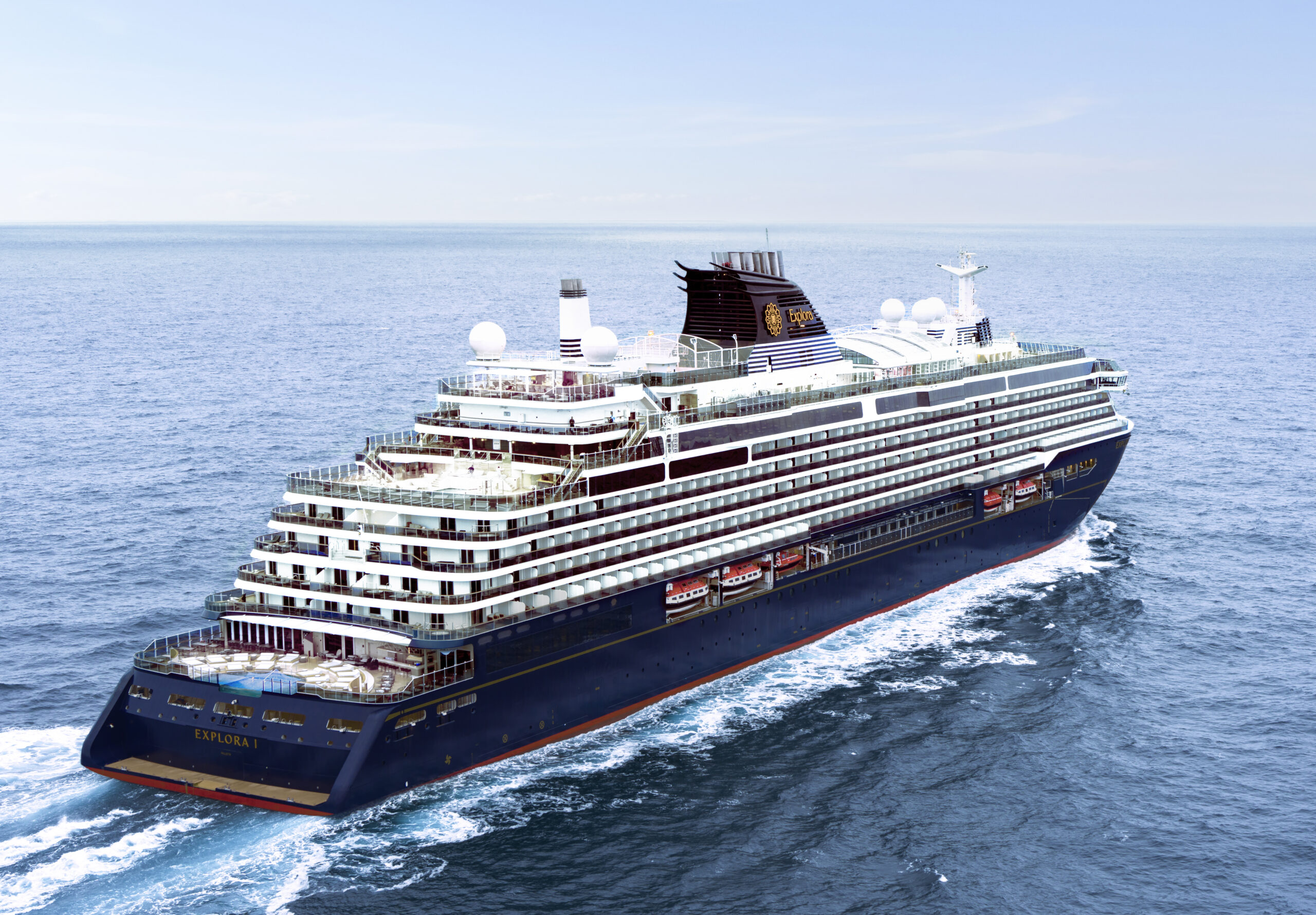
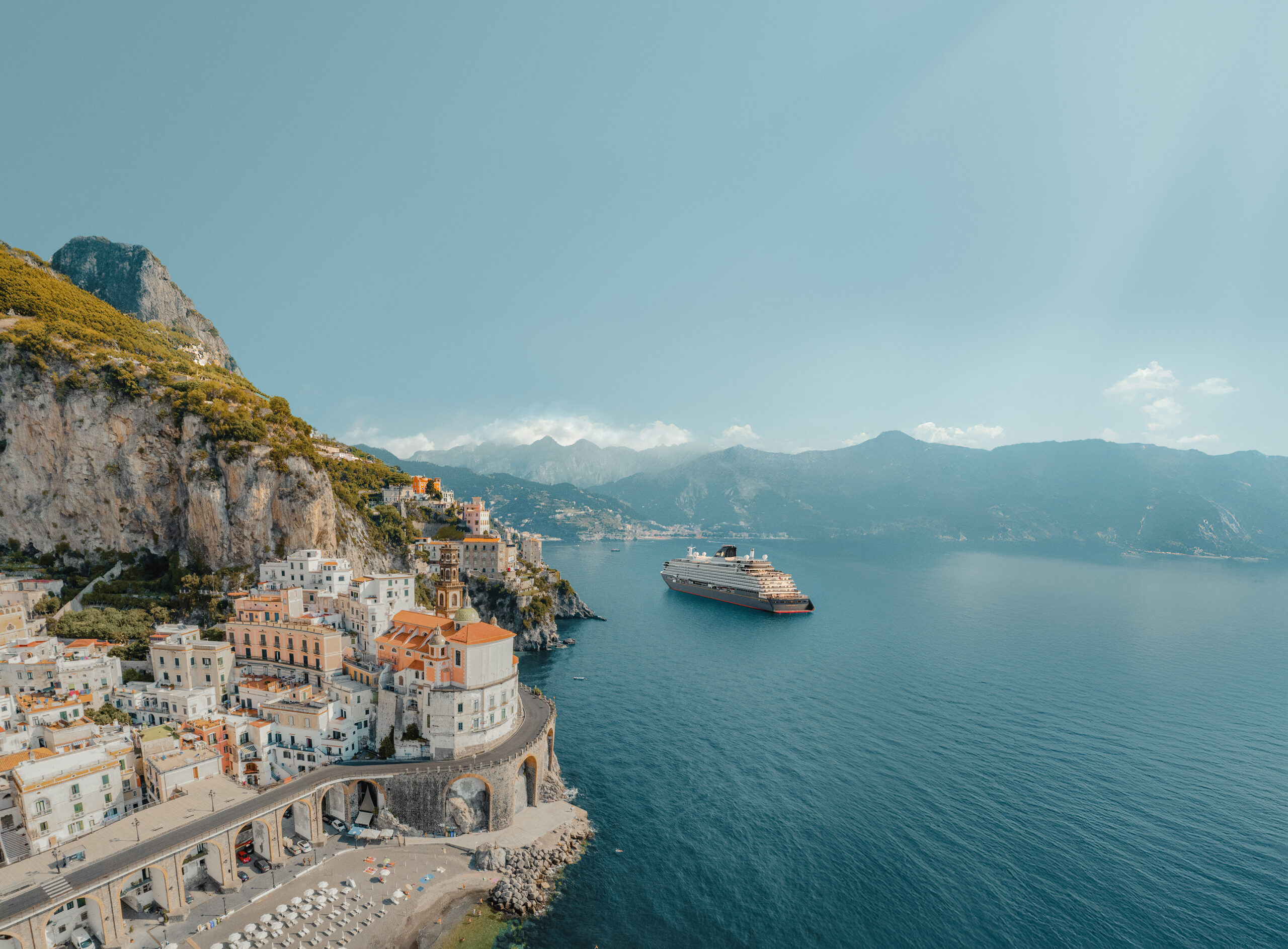
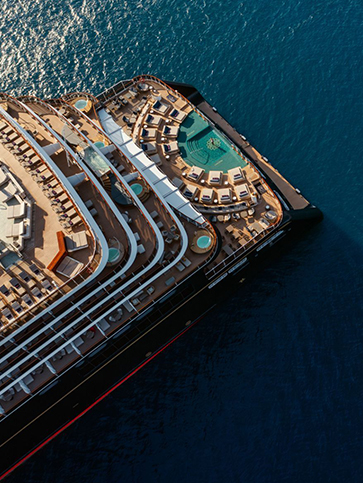
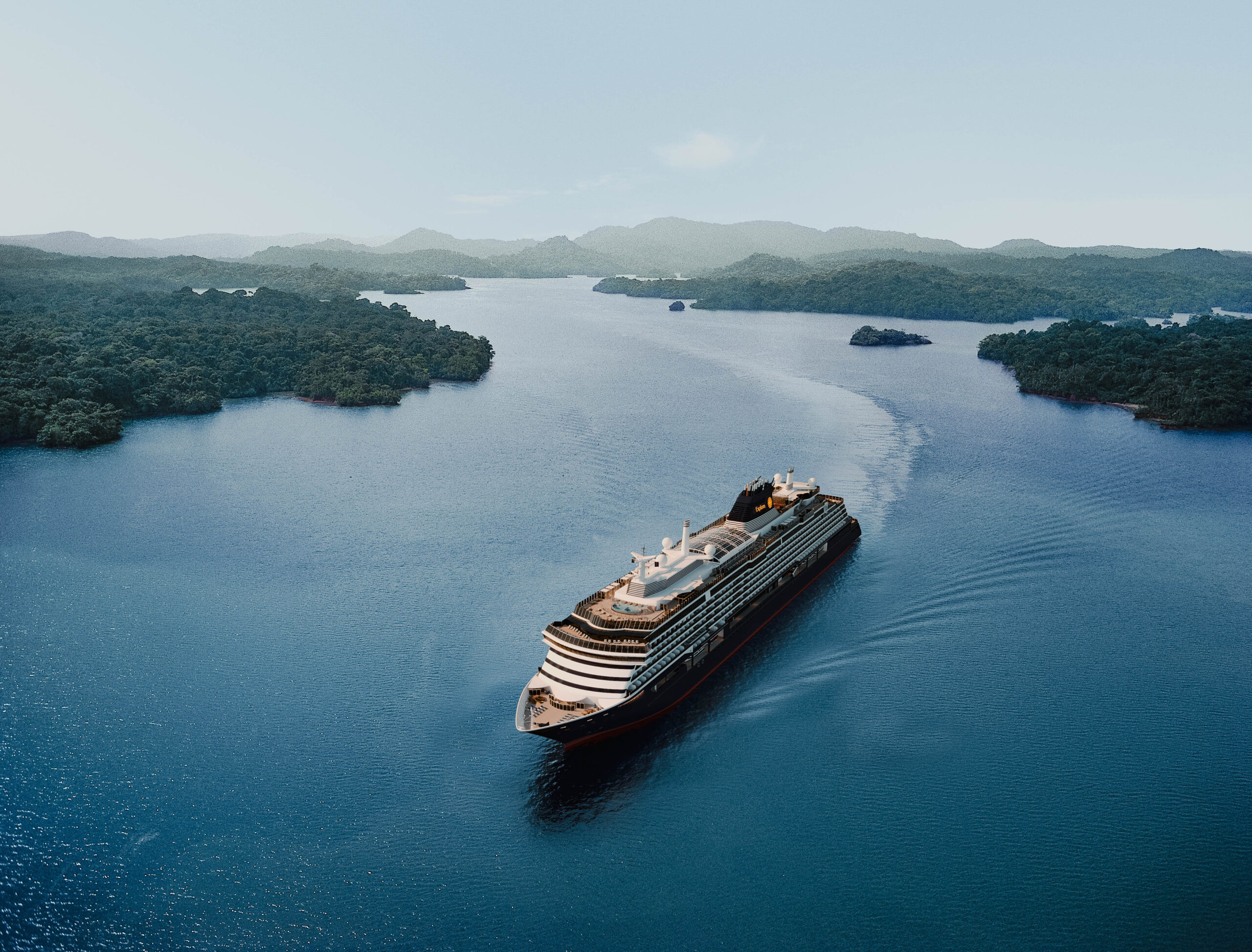
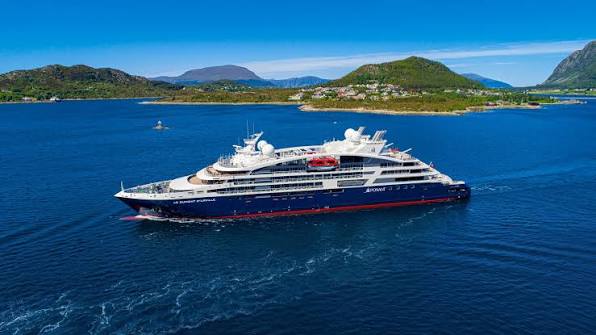
Azamara Journey, Quest, Pursuit and Onward are excellent small ships that offer a welcoming and relaxed club-like atmosphere.
Azamara’s fleet of small ships are focused on providing
destination immersion by spending as much time in port as possible
with itineraries designed to include overnight stays and late
evening departures. Enjoy more time to discover the local culture
and when back on board relax and enjoy a vibrant array of
inclusions.
Renowned for its food, its misty mornings and its vertiginous streets, cosmopolitan San Francisco is quite unlike any other American city. The birthplace of the hippie movement and the centre of the dot-com bubble, it's an open-minded and forward-looking place with an undeniably European feel. Highlights include the iconic Golden Gate Bridge, the delightful waterfront and the bohemian quarter of Haight Ashbury, while a boat trip across to the notorious prison island of Alcatraz makes for a fascinating half-day excursion.
If the word Honolulu makes you think of deserted beaches and dusky maidens, think again! Despite its remote location in the North Pacific, Honolulu is busy busy, in particular the boisterous, touristy Waikiki beach.
Nawiliwili is the main port on Kaua’i, the oldest of the Hawaiian islands. This lush landscape of spectacular waterfalls and jungle-clad mountains is criss-crossed by the only navigable rivers in Hawaii, and has been used as a backdrop in films including ‘Raiders of the Lost Ark’ and ‘Jurassic Park’.
The Kailua-Kona region, on the west coast of Hawaii’s Big Island, is known for its idyllic beaches and fantastic climate, notably sunnier and drier than the eastern side of the island. This is where you’ll find some of the island’s top resorts, and the surrounding waters are home to turtles, manta rays, dolphins and humpback whales.
Mo’orea is one of the real highlights of the South Pacific, a picture perfect landscape of jagged green mountains and dazzling cobalt bays. The warm waters of the lagoon are perfect for a host of watersports, while the lush island interior can be easily explored by scooter or bicycle.
Bora Bora is the very definition of idyllic, a diminutive Polynesian island dominated by rainforest-clad volcanic peaks, overlooking an electric blue lagoon ringed by coral reefs. The beaches and over-water bungalows are particularly popular with honeymooners, and the clear waters of the lagoon are perfect for snorkelling.
Papeete is the capital of French Polynesia, situated on the northwest coast of Tahiti. The port is not the most magical spot, so we advise venturing forth to luxuriate in the turquoise lagoons, relax on the white sand beaches fringed with palm trees, and explore the rugged mountain peaks.
Bora Bora is the very definition of idyllic, a diminutive Polynesian island dominated by rainforest-clad volcanic peaks, overlooking an electric blue lagoon ringed by coral reefs. The beaches and over-water bungalows are particularly popular with honeymooners, and the clear waters of the lagoon are perfect for snorkelling.
The little fishing town of Pago Pago is the capital of American Samoa, a rarely visited but utterly enchanting archipelago in the South Pacific. Pago Pago sits on a beautiful natural bay on the island of Tutuila, a lush and mountainous place where Polynesian traditions remain strong.
Apia is the capital of Samoa, situated on the north coast of the island of Upolu. Highlights include the colourful markets and Robert Louis Stevenson's former house, now a museum, though you may just want to use the city as a jumping off point for the beautiful beaches located further along the coast.
Savusavu is the main town on Vanua Levu, a much sleepier and less developed island than nearby Viti Levu. Explore a volcanic landscape of hot springs, mangrove forests and spectacular waterfalls, snorkel amongst colourful coral reefs, visit bustling local markets and look out for spinner and bottlenose dolphins.
Lautoka is Fiji’s second largest city, known as the ‘Sugar City’ due to its important role in the local sugarcane industry. The waterfront area is pleasant enough, but we’d recommend using Lautoka as a jumping off point to visit some of the smaller surrounding islands, or the forests and waterfalls of the interior.
Remote, pine-clad Norfolk Island, situated a thousand miles to the northeast of Sydney, is a tiny outlying territory of Australia. Formerly a penal colony, the island’s main attractions are its breathtaking scenery and fascinating history, with many residents descended from the crew who staged the famous 1789 mutiny on board the HMS Bounty.
Auckland offers a buzzing waterfront and a vibrant arts scene, and provides a fascinating introduction to New Zealand’s proud cultural heritage. The centre is home to excellent shopping and a number of fantastic restaurants, and to the west is the city's oldest wine region.
Tauranga is the largest city on the Bay of Plenty, and is said to be one of the sunniest spots in the whole of New Zealand. There’s a real boom town feel here, with new restaurants, bars and hotels opening all the time, and neighbouring Mount Maunganui is a popular beach destination.
When Napier was destroyed by an earthquake in 1931 the city was rebuilt entirely in the Art Deco style, making this a fascinating architectural time capsule. It’s a lovely, sunny seaside city, and a visit to the surrounding Hawke’s Bay wine region makes for an enjoyable day trip.
The pleasant little town of Picton, situated on a sheltered bay at the north eastern tip of the South Island, is the arrival point for ferries arriving from Wellington, and serves as the gateway to the stunning flooded river valleys of the Marlborough Sounds.
A garden city where punts glide down the Avon River, you’d be forgiven for thinking you were still in the UK when arriving into Christchurch, New Zealand’s most English of cities.
Visitors to Dunedin are amazed by the extraordinary Victorian and Edwardian buildings dating back to the gold rush, which bring to mind the city's Scottish roots - not least when the sound of the pipes echoes through the streets.
Stewart Island is New Zealand’s rarely visited third island. A landscape of lush rainforest and beautiful beaches is home to abundant birdlife, and it’s one of the best places in the country to see kiwis in the wild. You can also have a drink at New Zealand’s southernmost pub in Oban, the only town on the island.
Milford Sound is New Zealand’s most iconic sight, a breathtaking fjord crowned by the soaring Mitre Peak. Despite a remote location, on the western coast of the South Island, the fjord attracts thousands of visitors every year, such is the beauty of this raw and unspoilt landscape.
Tasmania’s capital has been revitalised in recent years with a slew of new museums, restaurant openings and festivals. Hobart’s highlights include the provocative Museum of Old and New Art (MONA), the lively waterfront and a thriving foodie and craft beer scene.
Culturally sophisticated and fashionably hip, Melbourne combines edgy street art with gold rush era architecture while offering excellent restaurants and top museums. If you have time, check out some of Victoria's other attractions, including the beautiful 12 Apostles and the excellent wines of the Yarra Valley.
The sleepy town of Eden, on the beautiful and unspoilt Sapphire Coast, was once an important whaling town. Nowadays the waters of Twofold Bay are a whale watching hotspot, and this is one of the best places in the world to see humpback whales during their spring migration.
One or our favourite cities in the world, we love pretty much everything about Sydney. Offering outdoor living at its best, the city is known for the excellent beaches but offers so much more, including a thriving and varied food scene inspired by Asian and European flavours.
Kangaroo Island is Australia’s third biggest island, situated to the south west of Adelaide. It’s a rural and underdeveloped place, with an abundance of wildlife and some spectacular scenery, such as the weird, weather-sculpted boulders of Flinders Chase National Park.
Residents of Adelaide still take pride in the fact that their city was freely settled rather than founded as a penal colony, and the city traditionally had a reputation as a stuffy and pious sort of place. Adelaide has moved on, however, and these days it’s a thriving cultural hub with a superb culinary scene.
Port Lincoln is the self-styled ‘seafood capital of Australia’, home to the country’s largest fishing fleet. The town is set on the Eyre Peninsula, where you’ll find excellent wineries, fascinating aboriginal history and wildlife including emus, kangaroos and great white sharks.
The historic port of Albany was the first European settlement in Western Australia, and the town still has plenty of photogenically faded colonial architecture. Albany sits on Princess Royal Harbour, one of the world’s best natural deep water harbours, and the surrounding coastline is spectacular.
Situated to the south of Perth on the west coast of Australia, the seaside town of Busselton is the gateway to the Margaret River wine region. Situated on the sandy shores of Geographe Bay, the town is best known for its remarkable wooden jetty, which stretches over a mile out to sea.
The capital of Western Australia, Perth sits in glorious isolation on the shores of the Indian Ocean, where the Swan River meets the sea. Laid back and relaxed, this must be one of the most easy-going capital cities in the world, with everything within easy reach.
The beaches, spectacular volcanic scenery and lush green rice terraces lend Bali a natural beauty that seems to dovetail perfectly with the island’s distinct Hindu culture, which adorns the landscape with stunning temples.
Celukan Bawang is the main port in northern Bali, with quite a different feel to the more touristy parts of the island. Here you can see the magnificent Bugis schooners of Sulawesi, and nearby sights include the former Balinese capital of Singaraja, the wildlife sanctuary of West Bali National Park and the black sand Lovina Beach.
Singapore’s heritage as an important trading post means that there is a real cultural mix, with four official languages: English, Chinese, Malay and Tamil. Step away from the gleaming towers and you’ll find yourself transported into another world amongst the intoxicating streets of Chinatown and Little India.
Attracting everyone from budget backpackers to ostentatious oligarchs, Koh Samui is one of Thailand’s most popular islands. It’s no surprise, given the truly stunning beaches, but the more developed areas such as Chaweng have lost a lot of their charm, so head for the quieter south and west if you can.
Thailand’s sprawling capital is an assault on the senses, an invigorating blend of tradition and modernity. Soaring skyscrapers, air-conditioned shopping malls and an efficient public transport system combine with shimmering golden temples, ancient palaces, floating markets and at times gridlocked rush hour traffic.
The once sleepy backwater of Kompong Som, renamed after the former king Norodom Sihanouk, is the rising star of the Cambodian coast’s burgeoning tourist industry. Here you’ll find beautiful sandy beaches and a string of laid back islands that are still largely undeveloped.
Saigon, as it was known then, was the capital of the South during the Vietnam War, and American-style capitalism has been embraced more enthusiastically here than in the North, with a clutch of shining skyscrapers standing as testament to Vietnam’s surging economic growth.
Da Nang is the largest city in central Vietnam, and was the site of a major US airbase during the Vietnam War. The main point of interest in the city itself is the excellent Cham Museum, while nearby attractions include Hoi An, the Marble Mountains and the imperial citadel of Hue.
Almost 2,000 limestone islands and karst formations are scattered across the remarkable World Heritage Site of Ha Long Bay, said to have been created when a dragon fell to earth. A cruise on a small junk boat is the best way to see the many islands and caves, and it's also a great place to explore by sea kayak.
Hong Kong is a striking mix of ancient and modern, Chinese and British, and there is a lot more to the city than just skyscrapers and high finance. It's also a fantastic destination for foodies, a melting pot of culinary influences from around Asia and beyond.
Keelung is a fairly unremarkable port city close to Taipei, Taiwan’s capital. Taipei draws on an interesting mix of Chinese, Japanese and Western influences, and is home to attractive temples, a burgeoning street food scene and Taipei 101, which was the world's tallest building until it was eclipsed by Dubai's Burj Khalifa in 2010.
Ishigaki is the most developed of the Yaeyama islands, an idyllic tropical archipelago located closer to Taiwan than mainland Japan. The offshore coral reefs make this a popular spot for diving and snorkelling, while the jungle interior offers some great hiking opportunities.
Naha is the capital of Okinawa prefecture, a subtropical region of southern Japan with its own distinct culture. The city is a bustling commercial centre despite being flattened during the Second World War, and the architectural highlight is the elegant Shuri Castle, a UNESCO World Heritage Site.
Booming Shanghai has long been China’s most outward-looking, cosmopolitan city, as evidenced by the fascinating mixture of European and Asian architecture. The Bund, a riverfront promenade flanked by grand colonial era buildings, is the city's most famous thoroughfare, while the Pudong financial district lights up the city skyline at night with its futuristic towers.
Dalian is an eminently liveable city on the Yellow Sea coast, blessed with a pleasant climate, excellent beaches and a noticeable lack of pollution compared to many Chinese cities. At the centre of Dalian is the vast Xinghai Square, the biggest in the world at a mind boggling 1,760,000 square metres.
Home to 11 million people and an astonishing six UNESCO World Heritage Sites, Beijing is an exhilarating introduction to China’s distinctive history, society and culture. Feast your eyes on the majestic Forbidden City and the Summer Palace, along with spectacular modern architecture such as the iconic Bird's Nest Stadium.
Incheon serves as a transport hub for Seoul, South Korea's captivating capital. Seoul is a dynamic metropolis where you can still find tea shops and temples amongst the skyscrapers and neon signs, and the culinary scene is superb, from street food to world class haute cuisine.
Busan is South Korea’s second biggest city and one of the world’s busiest container ports, but it’s an easygoing place with a discernibly different character to Seoul. Haeundae beach is a popular summer holiday destination for Koreans, while the pungent Jagalchi market sells every type of fish and sea creature imaginable.
Fukuoka is the largest city on the southern island of Kyushu, and has long been an important centre for trade due to its proximity to the Asian mainland, closer to Seoul than it is to Tokyo. It’s a friendly, sunny place, and the city was created by a merger of two towns: Fukuoka, the old castle town, and Hakata, the former merchant district.
On 6 August 1945 the world witnessed the terrifying power of nuclear weapons for the first time, unleashed on the unsuspecting Japanese city of Hiroshima. The modern city's sobering Peace Memorial Park commemorates that fateful day, which left more than 140,000 dead.
Steam rises over the spa town of Beppu, home to numerous onsen (hot springs) and the surreal red waters of the macabre-sounding ‘blood pond hell’. Beppu is also close to Mount Aso, the largest active volcano in Japan, and the ancient temples of the Kunisaki Peninsula.
The small, laid back city of Kochi is situated on the south coast of Shikoku island, an important place of pilgrimage for Japanese Buddhists. Three of the 88 temples on the pilgrimage route are in Kochi, and the city is also known for its elegant 17th century hilltop castle.
Small in size and cosmopolitan in its outlook, Kobe is a thoroughly pleasant city with a long and distinguished history as one of Japan’s main trading ports. Kobe’s past as a commercial hub is reflected in its architecture, with a number of unusually European-looking houses, as well as a charming, if slightly touristy, Chinatown.
Shimizu is one of the most spectacular ports in Japan, a sweeping bay in the shadow of the iconic Mount Fuji. You can spend some time admiring the views and wandering through peaceful pine groves, or visit the unique Shimizu Sushi Museum at the S-Pulse Dream Plaza shopping mall.
In a state of constant renewal and forever looking to the future, densely populated Tokyo is a dazzling introduction to Japan and its utterly unique culture. With more neon than Las Vegas and more Michelin stars than Paris, it’s a real assault on the senses.
Cave exploring, kayaking, and coastal hiking is what visitors to Miyako, on Honshu's eastern shore can expect, with its dramatic, rocky shoreline of bays, cliffs and coves along the 300-km Sanriku Coast. Don't miss the stunning white pebbled shores of Jodogahama Beach, punctuated by jagged, rocky islands.
Kodiak is known as Alaska’s ‘Emerald Isle’ thanks to the lush green countryside, a landscape crisscrossed by gushing salmon-filled streams that provides a home to around 3,000 Kodiak bears, the world’s largest. Ships dock in Kodiak city, an important fishing port with a fascinating Russian heritage.
Alaska's state capital is isolated and remote, accessible only by plane or by boat thanks to its dramatic hillside location. The wild hinterland is thick with forest, sculpted by the glaciers of the Juneau Ice Field, while down at the water's edge the harbour bustles with fishing boats and seaplanes.
The port at Icy Strait Point was created to ensure that indigenous communities benefit from cruise tourism in Alaska, and the facility is owned by the local Tlingit people. Here you can learn about Alaska’s native culture and enjoy guided nature walks, whale watching trips or shopping for local crafts.
Ketchikan is a great introduction to Alaska’s natural attractions, situated at the foot of towering Deer Mountain and within easy reach of the Misty Fjords. The colourful wooden buildings of Creek Street, the old red light district, are a reminder of Ketchikan’s former status as a rough and ready frontier town; these days, things are rather more civilised!
Cosmopolitan Vancouver is a city that rewards exploration, an eminently liveable place and an easy gateway to the natural beauty of British Columbia. The culinary scene here is a particular draw, with seafood galore and some fantastic Asian restaurants.
Situated in the northwest corner of the USA, eclectic Seattle is a jumble of different neighbourhoods, each with its own distinctive character, and the city enjoys a stunning natural setting, surrounded by forests, mountains and the broad sweep of Puget Sound.
Victoria is the capital of British Columbia and Canada’s westernmost city, with a distinctly English feel that occasionally borders on the twee. It’s a very walkable city, with handsome 19th century architecture, verdant parks and a lively harbour, and, this being Canada, the great outdoors is never far away.
Astoria is the oldest city west of the Rockies, situated on the picturesque Oregon coast where the Columbia river meets the Pacific Ocean. This bustling port town is sometimes known as ‘Little San Francisco’, with handsome Victorian architecture, a proud fishing heritage and a buzzing, creative vibe.
Renowned for its food, its misty mornings and its vertiginous streets, cosmopolitan San Francisco is quite unlike any other American city. Highlights include the iconic Golden Gate Bridge, the delightful waterfront and the bohemian quarter of Haight Ashbury.
Laid-back, friendly and blessed with near-perfect weather all year round, San Diego is one of America’s most likeable cities. Enjoy a stroll through Balboa Park, dotted with beautiful Spanish Renaissance-style architecture, take a whale watching trip along the coast, or sample the nightlife of the trendy Gaslamp Quarter.
The sister towns of Cabo San Lucas and San José del Cabo sit at the tip of Mexico’s Baja California peninsula. The towns themselves are mostly given over to luxury hotels and boisterous nightlife, but the surrounding landscape is characterised by arid arroyos, bristly cacti and rocky coastal outcrops.
It’s true that Acapulco has suffered from overdevelopment, and has lost some of its lustre since its heyday as a magnet for Hollywood stars. But it’s still a buzzing party town, and even the forest of high rise hotels can’t spoil the setting, a beautiful bay where the Sierra Madre mountains meet the Pacific Ocean.
Puerto Quetzal is the jumping off point for exploring the fascinating interior of Guatemala, and the highlight of this intriguing country has to be UNESCO-listed Antigua. This colourful colonial town, 90 minutes from the port, enjoys a spectacular setting against a backdrop of volcanoes, and is well worth the trip.
A cruise call at Acajutla is a rare opportunity to explore the tiny Central American nation of El Salvador. Popular excursions include the Mayan ruins at Tazumal, scuba diving off beautiful Los Cabanos beach, or a trip to the Izalco volcano, where you can peer down into the dormant caldera.
Situated on a peculiarly shaped peninsula on the Gulf of Nicoya, Puntarenas is a popular weekend beach destination for residents of Costa Rica’s capital, San José. The port itself is not pretty, but the beachfront Paseo de los Turistas is a nice place to relax with a drink or enjoy a seafood lunch.
Cartagena was founded by Spanish conquistadors in 1533, and the beautifully preserved centre is a real highlight of Colombia’s Caribbean coast. The walled old town, the Ciudad Amurallada, is a camera-friendly collection of cobbled streets and colourful, colonial-era buildings.
Downtown Miami is a destination in its own right, with a host of world class galleries, but it's still Miami Beach that draws the biggest crowds. The Art Deco district around South Beach is very much back in vogue, with new restaurants, bars and luxury developments sprouting up all over the place.
The Big Apple is one of the world’s most iconic, cosmopolitan cities, a place that everyone should visit at least once in their lifetime. From the lofty heights of the Manhattan skyscrapers to the hipster hangouts of resurgent Brooklyn, New York City buzzes with energy and excitement, and there’s never been a better time to visit.
Newport is one of New England’s most appealing towns, with a well preserved colonial centre and an illustrious history. This was the holiday destination of choice for wealthy families in the 19th century, and their magnificent clifftop mansions along Bellvue Avenue are a real sight to behold.
Boston is one of the oldest cities in the USA, and in amongst the skyscrapers are plenty of red-brick buildings, a Georgian architecture that lends the city a distinctly European feel. Boston is also home to a wealth of cultural riches, including the superb Museum of Fine Arts, as well as the world famous Harvard University.
The natural harbour at Halifax is the second largest in the world after Sydney, and this charming city has a proud maritime heritage. Take a stroll along the historic waterfront, delve into the vibrant arts scene or explore the beautiful coastal scenery of Nova Scotia.
Newfoundland’s capital is a laid back city with an arty vibe, situated on a dramatic harbour. The hilly streets lined with colourful row houses make for a great photo opportunity, and the downtown area is full of history, as well as some excellent pubs and a thriving folk music scene.
Ireland’s second city is an engaging mix of cosy pubs, grand Georgian architecture and forward-thinking restaurants, with one of the best foodie scenes in the country. Cork’s historic centre sits on an island in the River Lee, and the narrow streets are full of cafés, bars and markets.
Plymouth has a fine seafaring heritage, and it was here that the Pilgrim Fathers set sail for the New World on board the Mayflower. The city was badly damaged during the Second World War, but an ongoing regeneration project is breathing new life into the waterfront, and nearby attractions include Buckfast Abbey and Dartmoor National Park.
Le Havre was more or less flattened during World War II, which makes the city’s UNESCO World Heritage status all the more remarkable. Rebuilt by the Belgian architect Auguste Perret, Le Havre is now characterised by a striking modernist style; don’t miss the towering, concrete Église St-Joseph.
Tilbury is not the world's most glamorous port, but the location on the Essex bank of the Thames, a short distance from the M25, means that it’s a convenient jumping off point for central London and the South East. The only real point of interest in Tilbury itself is the 16th century fort, situated just along the river from the cruise terminal.
Amsterdam is one of our very favourite cities to visit, as well as also being a perfect base to explore the nearby landscape of windmills and dikes. There is a wealth of famous museums and galleries to choose from, such as the Van Gogh Museum, the Rijksmuseum and the Anne Frank House.
Your day trip to Berlin will be exhausting but rewarding, as you try to understand this vibrant city in the space of a few hours. Amazing museums and galleries, beautiful parks, leafy boulevards and busy shopping streets all clamour for your attention. Moving memorials sit alongside classic architecture and remarkable modern buildings.
The ruggedly handsome island of Bornholm lies way out in the Baltic, closer to Sweden and Poland than the Danish mainland. It’s the sunniest place in Denmark, known for its intriguing rundekirke (round churches), sleepy fishing villages, traditional smokehouses and fantastic foodie scene.
The Baltic port of Gdansk occupies an important place in 20th century history; the first shots of World War II were fired at the Westerplatte naval base, and it was amongst the shipyards of Gdansk that the Solidarity movement was born in the 1980s.
Klaipeda is Lithuania’s only major seaport, and served for a time as the capital of Prussia, when it was known as Memel. There is still a noticeable Germanic flavour to the architecture of the old town, and it’s only a short distance from both the spectacular dunes of the Curonian Spit and the lovely seaside town of Palanga.
Riga, Latvia’s charming capital, is a highlight of any Baltic itinerary. The compact Old Town delights with its winding lanes and elegant spires, and the city is also home to one of Europe’s most impressive ensembles of Art Nouveau architecture.
The historic harbour city of Tallinn in Estonia is really quite captivating. Just the perfect size to explore on foot, its medieval (and UNESCO listed) town centre, with its cobblestone streets and a busy Town Hall Square, is the perfect introduction to Estonia’s rich history.
Finland’s lovely capital Helsinki is a maritime city, with the sea on three sides and almost 100 kilometres of shoreline, as well as around 300 islands. Its contemporary architecture and focus on modern design sit surprisingly well alongside its four hundred year history.
The buzzing city of Stockholm is the capital of Sweden. Many sights will delight; the busy waterfront, the cobbled streets in the Old Town, and the museums, palaces, gardens and galleries. And of course, just 20 minutes away, its archipelago of 30,000 islands offers a totally different experience.
Wonderful Copenhagen is the perfect city to explore on foot, by bicycle or by water. Visit the bustling wharf at Nyhavn, enjoy the palaces, galleries and museums, wander through the amazing Tivoli Gardens, and if you have time, make the most of Copenhagen’s gastronomic revolution.