From Dubrovnik to Istanbul · Mediterranean · 14 nights
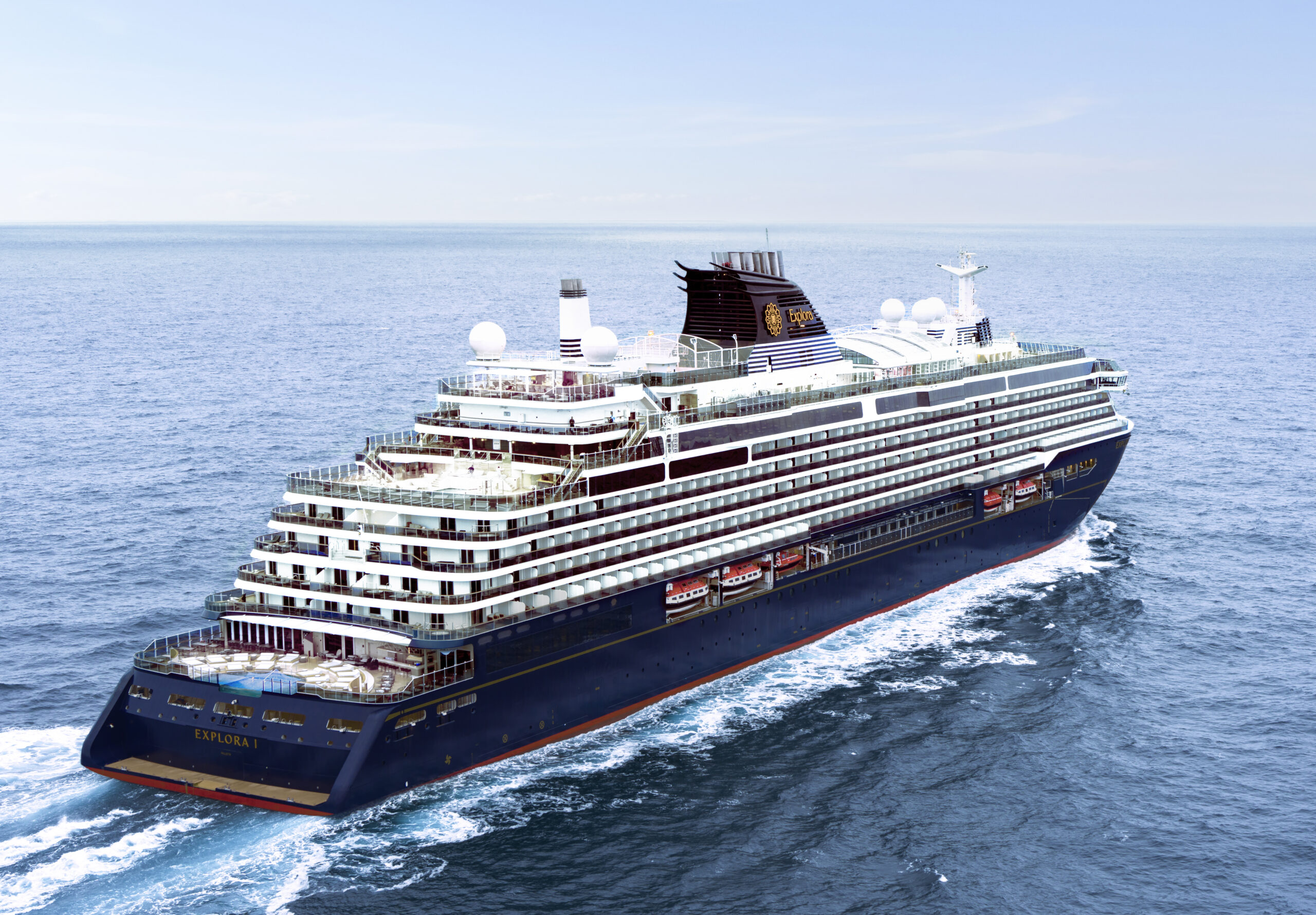
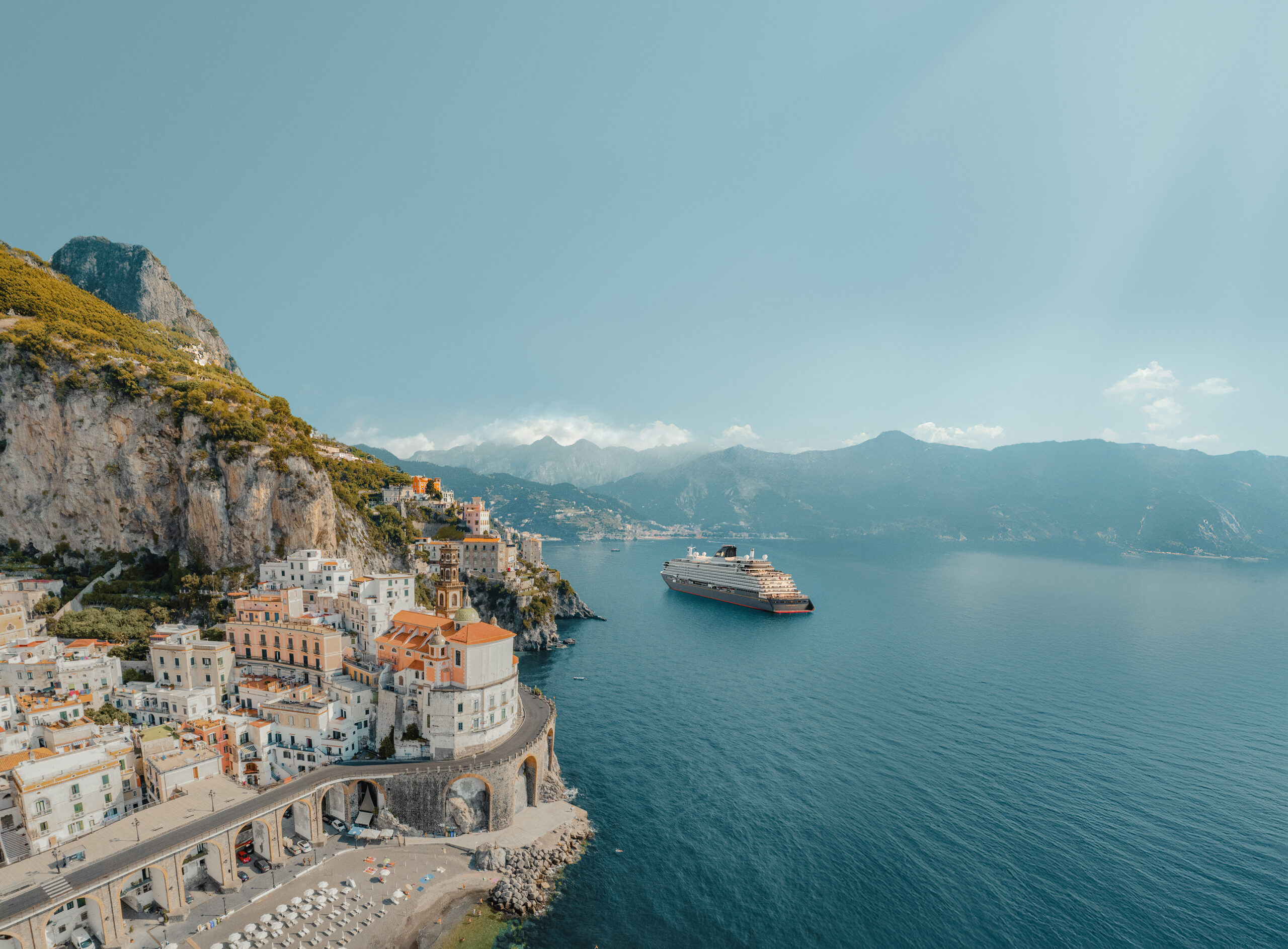
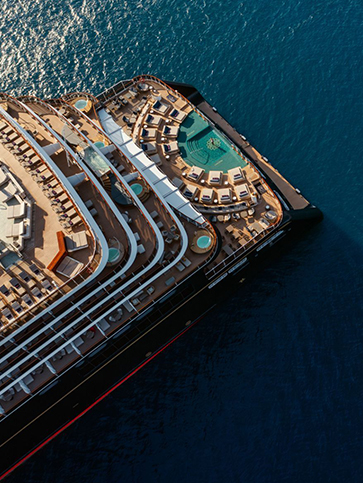
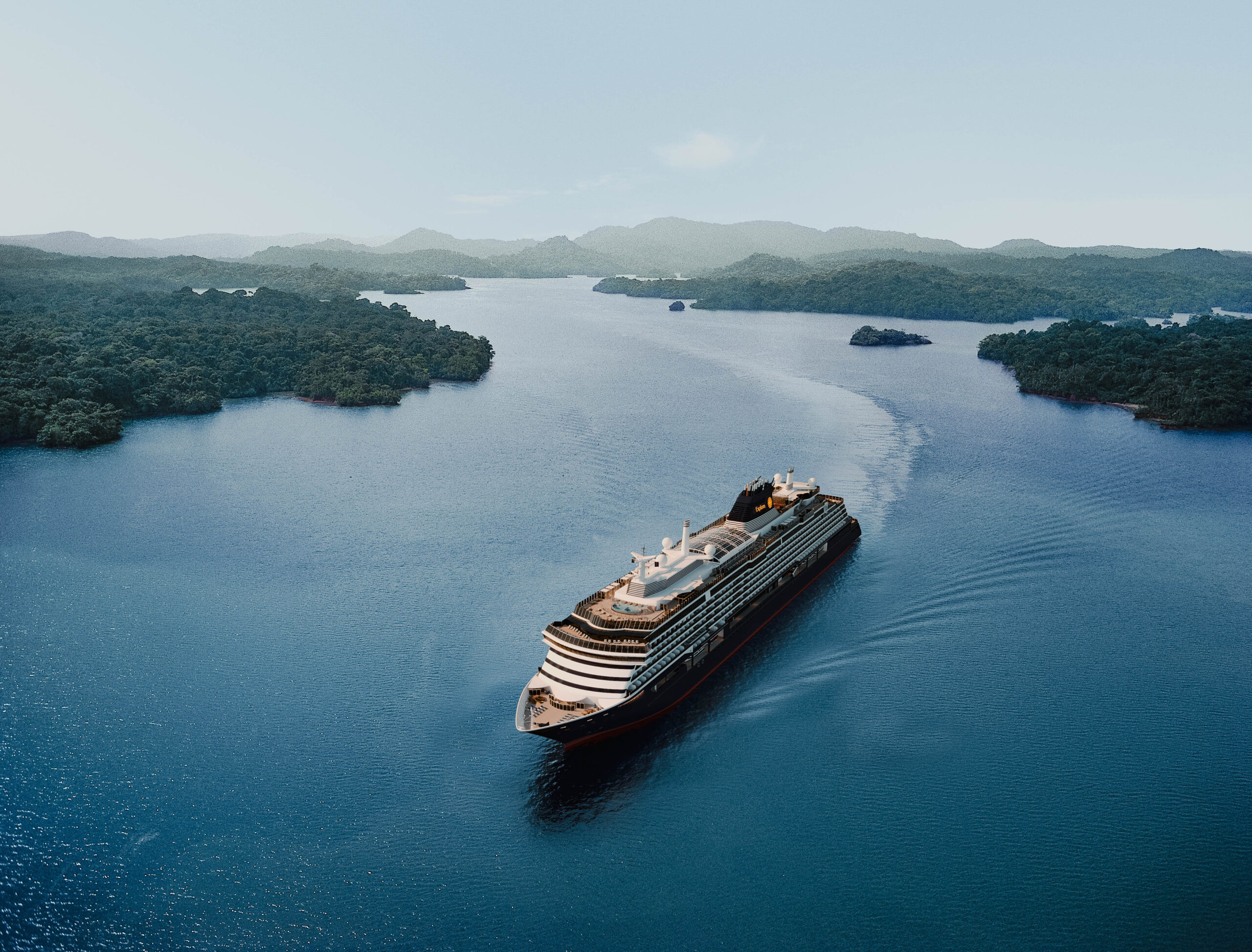
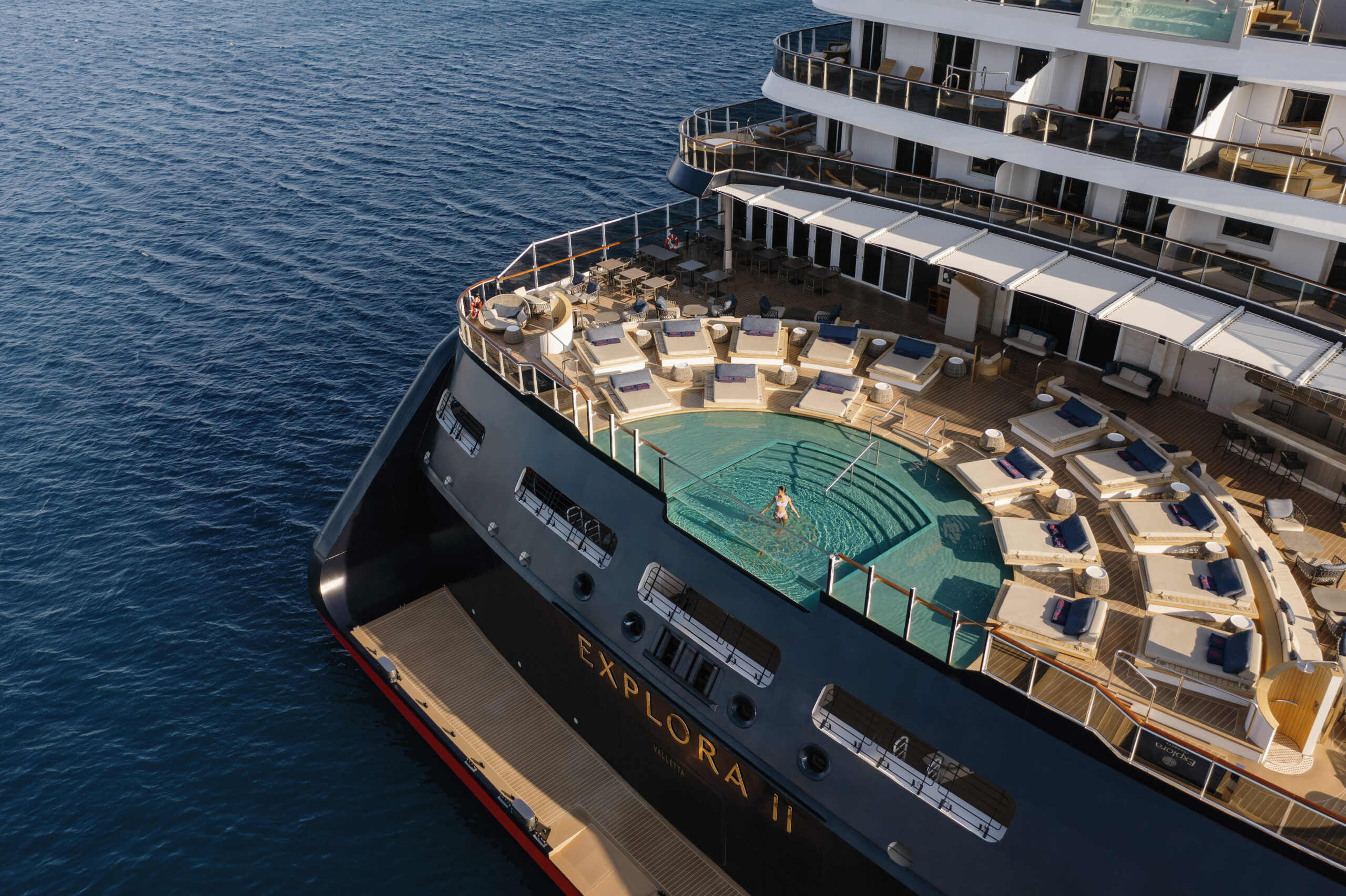
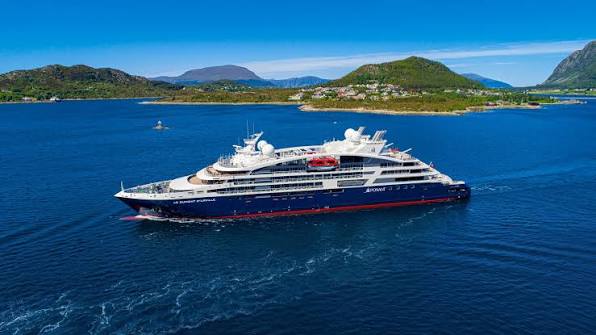
Innovative sister ships Seabourn Encore and Ovation represent an evolution in the Seabourn fleet, slightly larger in size with all-verandah accommodation.
When Seabourn introduced these sisters, they changed the face of
luxury cruising. Seabourn Encore and her sister Seabourn Ovation,
with 600 guests on board, take things a step further, with lots of
new thinking and special additions, continuing Seabourn’s magical
ability to surprise and delight.
We never fail to be moved when we see the terracotta roofs and honey-golden walls of Dubrovnik, and a stroll around the perfectly preserved old town is a highlight of any visit to the Dalmatian coast. Formerly known as Ragusa, Dubrovnik is a city with a rich, and occasionally troubled, history; the shelling of the city was one of the most shocking images of the Balkan wars of the 1990s, which makes the painstaking restoration of the old town in the years since all the more remarkable. Make sure you take the time to walk around the walls and soak up the views across the rooftops towards Lokrum island, and the deep sapphire of the Adriatic Sea beyond.
Kotor sits at the head of a beautiful, fjord-like bay, hemmed in by glowering mountains. The compact, walled old town is Montenegro’s star attraction, a warren of little alleyways and shady squares that is often described as a ‘mini Dubrovnik’.
The port of Brindisi sits at the end of the old Via Appia, and was once an important transit point for pilgrims and crusading knights heading east to the Holy Land. Brindisi's compact old town is pleasant enough, but you may prefer to head inland to visit the stunning baroque city of Lecce.
Corfu, known as Kerkyra in Greek, is a beautiful island of verdant hills and rocky coves, and away from the more crowded resorts it remains a sleepy and idyllic place. Don’t miss the picturesque Venetian architecture of Corfu Town, a UNESCO World Heritage Site.
The port of Itea, situated on the Greek mainland to the west of Athens, is the gateway to the magnificent ruins of Delphi. The spectacular cliffside setting at the foot of Mount Parnassos adds to the drama of this holiest of Ancient Greek sites, home to a famous oracle in antiquity.
The little fishing town of Gythion was once the seaport for ancient Sparta, though these days it’s a pretty sleepy place. Take a stroll around the picturesque streets and soak up the atmosphere, with pastel-hued houses, balconies draped in bougainvillea and some great little seafood restaurants.
Athens is a city awash with historical and cultural significance, but it's much more than an open air museum; this is a dynamic, bustling metropolis, and a place where history is still very much unfolding.
The beautiful Byzantine town of Monemvasia is dramatically located on a steep chunk of rock, originally a coastal headland until an earthquake in AD 375 turned it into an island. Nowadays access is via a narrow causeway, and the pretty streets of the medieval citadel are home to more churches than people.
The charming port of Agios Nikolaos, on the north east coast of Crete, offers a beguiling blend of characterful tavernas, lively bars and designer boutiques. The town is centred around little Lake Voulismeni, and nearby attractions include some lovely beaches and the Minoan ruins at Gournia.
Glamorous Mykonos is the most popular of the Cyclades islands, well known as a haunt of the rich and the famous. It’s also the gateway to the nearby island of Delos, home to one of the most important archaeological sites in Greece.
Bodrum is one of the trendiest destinations on Turkey’s Aegean coast, with plenty of private yachts bobbing alongside the traditional gulet boats in the harbour. Whitewashed buildings draped in bougainvillea give the town a Greek feel, overlooked by the imposing 15th century crusader castle.
The Turkish port of Kusadasi is the gateway to Ephesus, one of the most spectacular archaeological sites in the Eastern Mediterranean. This was the Roman capital of Asia Minor, and the remains constitute the most complete classical city in Europe.
Istanbul is the place where East meets West, where Asia Minor reaches out across the Bosphorus and almost touches Europe, and the city remains a bristling, bustling cultural melting pot, the skyline dotted with magnificent minarets and domes.