From Dubrovnik to Rome (Civitavecchia) · Mediterranean · 14 nights
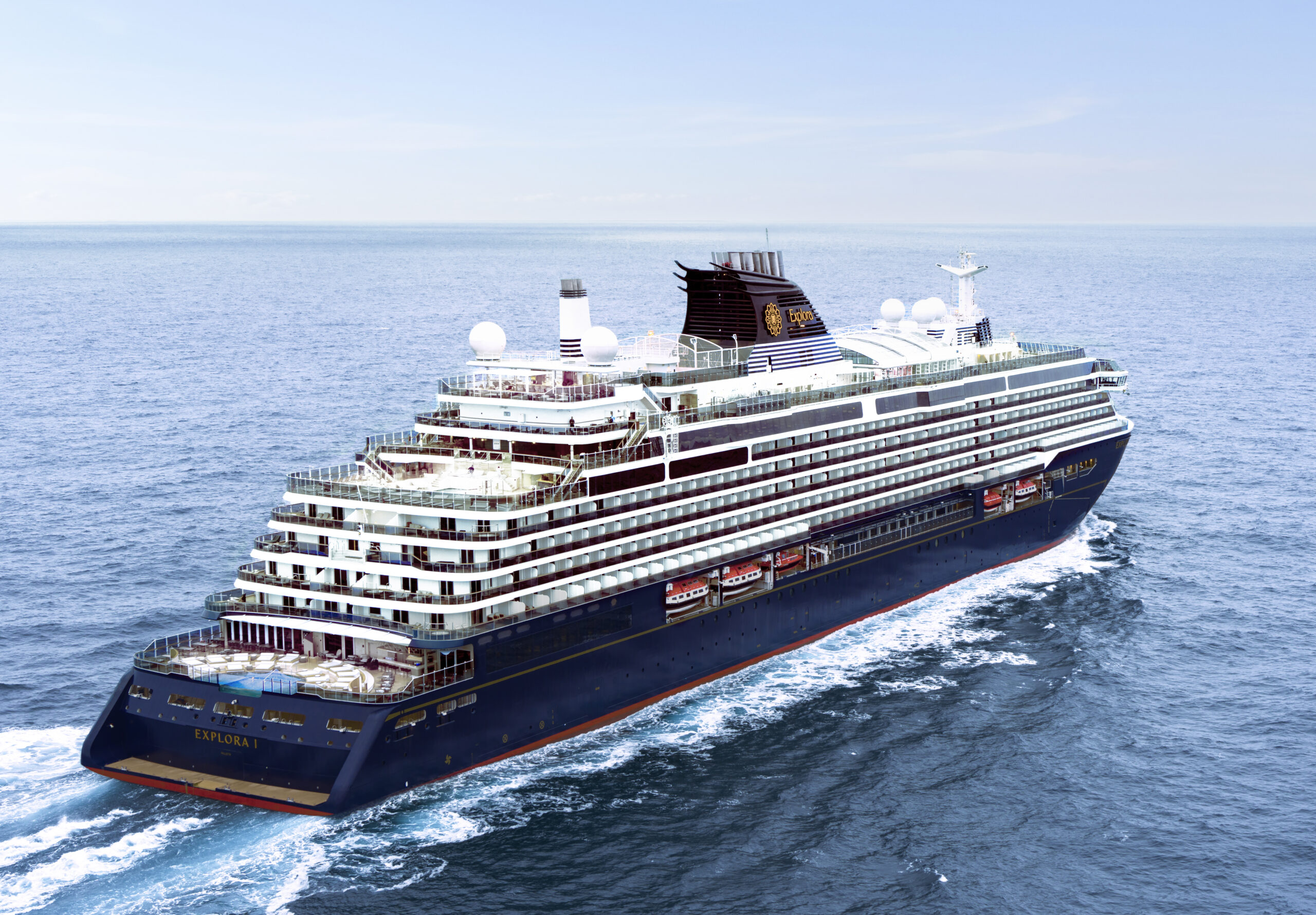
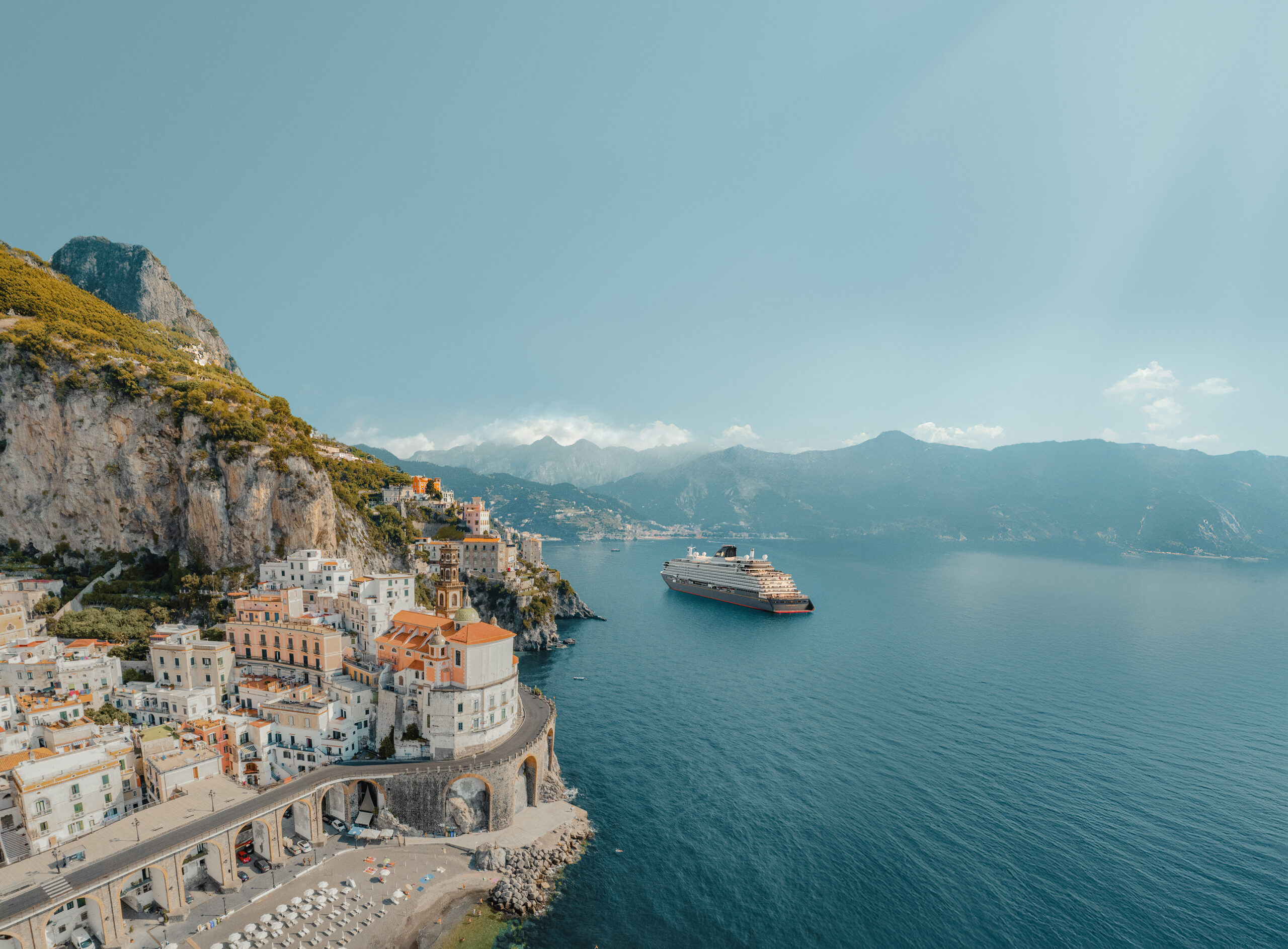
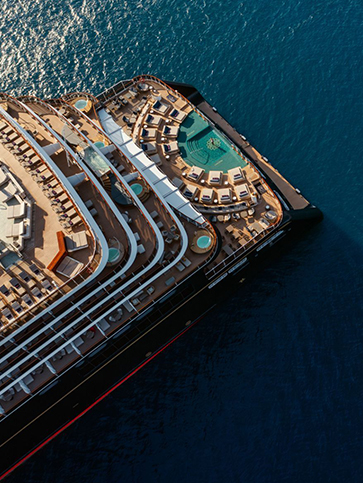
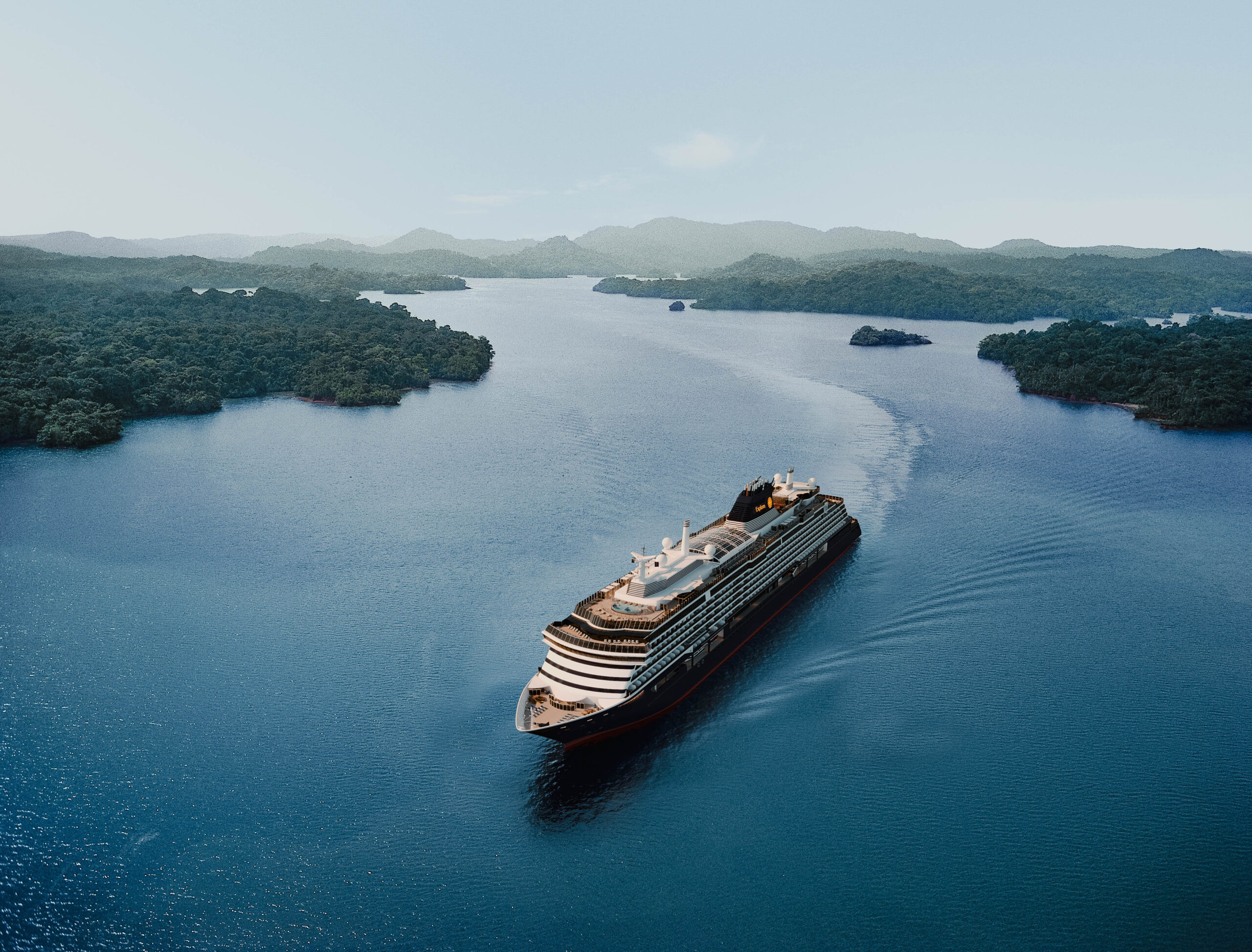
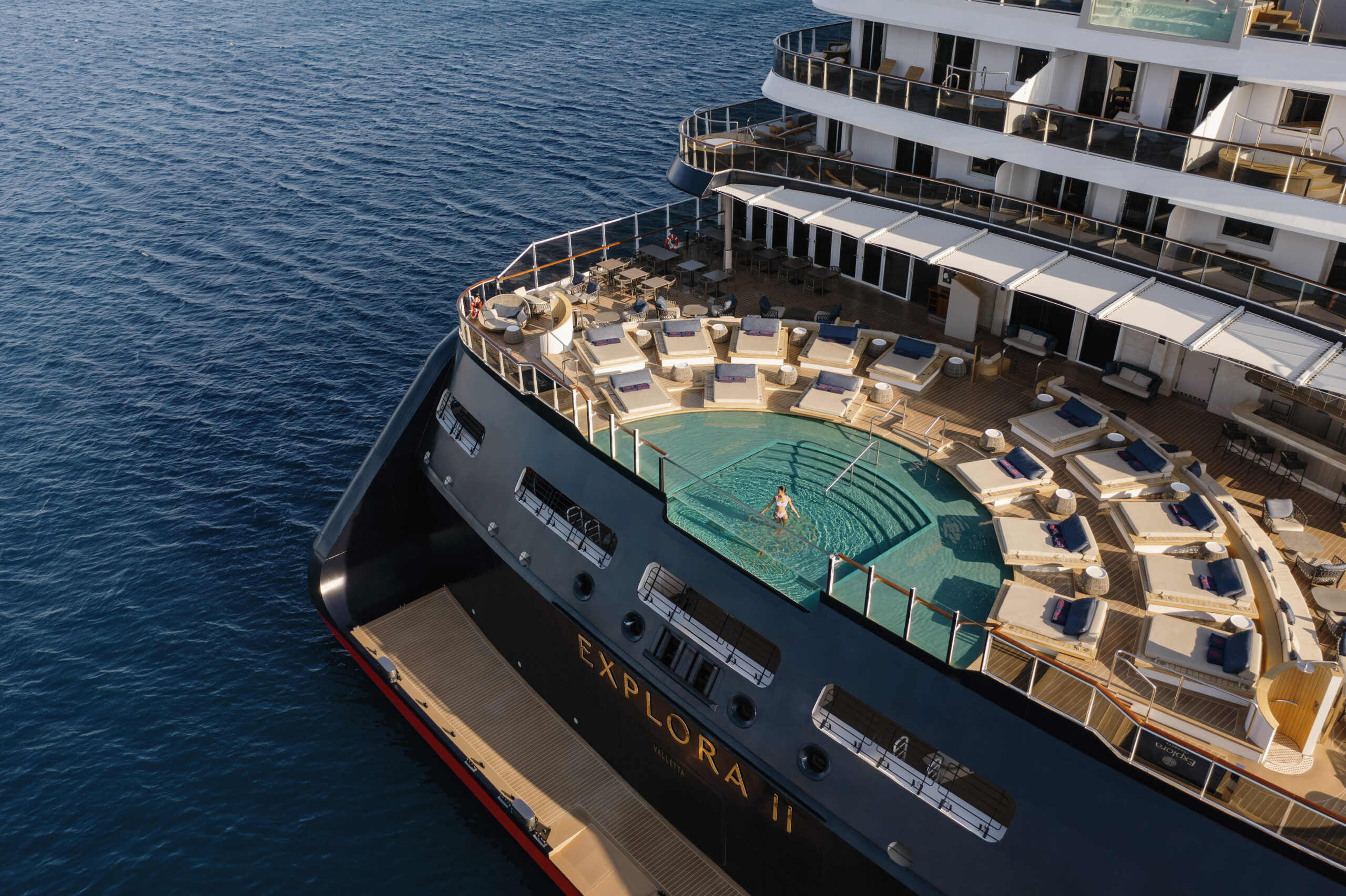
Innovative sister ships Seabourn Encore and Ovation represent an evolution in the Seabourn fleet, slightly larger in size with all-verandah accommodation.
When Seabourn introduced these sisters, they changed the face of
luxury cruising. Seabourn Encore and her sister Seabourn Ovation,
with 600 guests on board, take things a step further, with lots of
new thinking and special additions, continuing Seabourn’s magical
ability to surprise and delight.
We never fail to be moved when we see the terracotta roofs and honey-golden walls of Dubrovnik, and a stroll around the perfectly preserved old town is a highlight of any visit to the Dalmatian coast. Formerly known as Ragusa, Dubrovnik is a city with a rich, and occasionally troubled, history; the shelling of the city was one of the most shocking images of the Balkan wars of the 1990s, which makes the painstaking restoration of the old town in the years since all the more remarkable. Make sure you take the time to walk around the walls and soak up the views across the rooftops towards Lokrum island, and the deep sapphire of the Adriatic Sea beyond.
Hvar is the most popular of Croatia’s islands, a ruggedly beautiful place carpeted with lavender fields and dotted with little villages. The island’s capital, Hvar Town, is a charming collection of marble streets arranged around a harbour, and it gets very busy in the summer months.
Located on the quieter northern stretch of Croatia’s Dalmatian coast, the walled port city of Zadar is an intriguing blend of old and new, where Roman ruins and psychedelic modern art installations sit alongside one another.
The largest town on Slovenia’s sliver of Adriatic coastline, Koper has an attractive medieval centre and some impressive Venetian architecture. There is also a sizeable Italian community here, reflected in the bilingual road signs, and it's a short drive across the border to the former Habsburg city of Trieste.
The gritty port city of Rijeka isn’t a huge tourist draw, with most visitors passing through en route to the islands or the neighbouring seaside resort of Opatija, although the city centre is home to some handsome Austro-Hungarian architecture.
Croatia’s second city enjoys a dramatic setting, hugging a sweeping bay against a backdrop of sheer grey mountains. Split's labyrinthine old town is contained within the remarkable Roman ruins of Diocletian’s Palace, a UNESCO World Heritage Site, and spills out onto the buzzing seafront Riva promenade.
Kotor sits at the head of a beautiful, fjord-like bay, hemmed in by glowering mountains. The compact, walled old town is Montenegro’s star attraction, a warren of little alleyways and shady squares that is often described as a ‘mini Dubrovnik’.
We never fail to be moved when we see the terracotta roofs and honey-golden walls of Dubrovnik, and a stroll around the perfectly preserved old town is a highlight of any visit to the Dalmatian coast. Make sure you take the time to walk around the walls and soak up the marvellous sea views.
Kotor sits at the head of a beautiful, fjord-like bay, hemmed in by glowering mountains. The compact, walled old town is Montenegro’s star attraction, a warren of little alleyways and shady squares that is often described as a ‘mini Dubrovnik’.
Malta’s tiny capital, established by the Knights of St John, packs in an awful lot of history considering its diminutive size. The atmospheric old streets, bathed in Mediterranean sunshine, are full of attractive honey-golden buildings, along with an impressive selection of bars and restaurants.
The charming village of Giardini Naxos is one of the jewels of Sicily, a popular resort located on a majestic bay facing the Ionian Sea. Restaurants and bars line a long stretch of beach, and the attractive town of Taormina is within easy reach, along with the slopes of brooding Mount Etna.
Palermo is an acquired taste; noisy, chaotic and rather grimey in places. But there’s something quite intoxicating about the crumbling facades and the bustling markets, and the Arabesque style of many of the buildings hints at Sicily’s historical role as a stepping stone between Europe and North Africa.
Salerno is the capital of the Campania region, an attractive city at the eastern end of the Amalfi Coast. The historic centre and beautiful seafront promenade are well worth exploring, and the ruins at nearby Paestum make for an interesting day trip.
One of the world’s great cities, Rome continues to dazzle and delight visitors with a potent mix of architectural marvels, continent-defining history and buzzing nightlife. The Colosseum, the Vatican and the Forum are among the big ticket items, with the crowds to match, though in truth you will find history around almost every corner.