From Miami to Long Beach · Australia & New Zealand · 126 nights
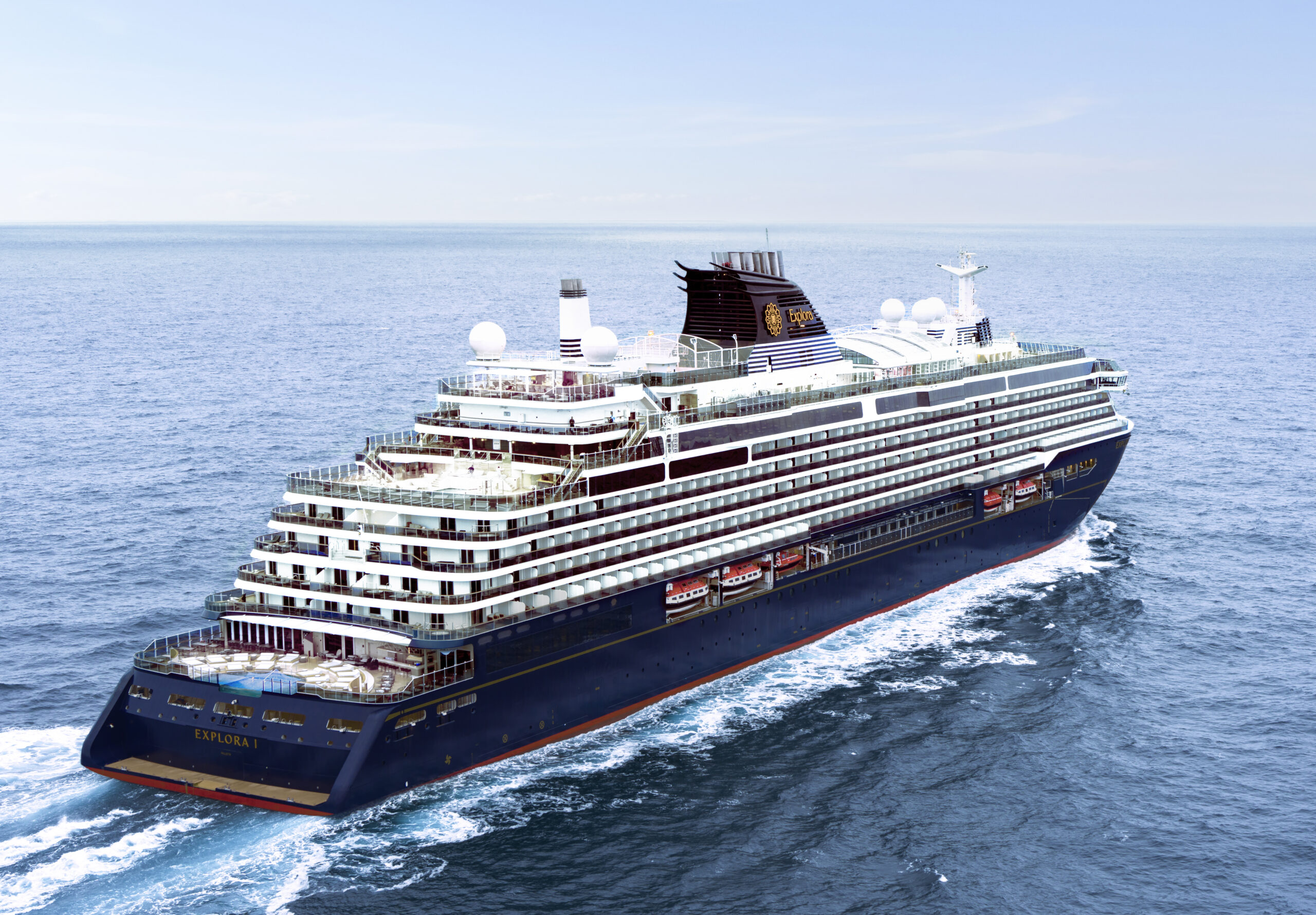
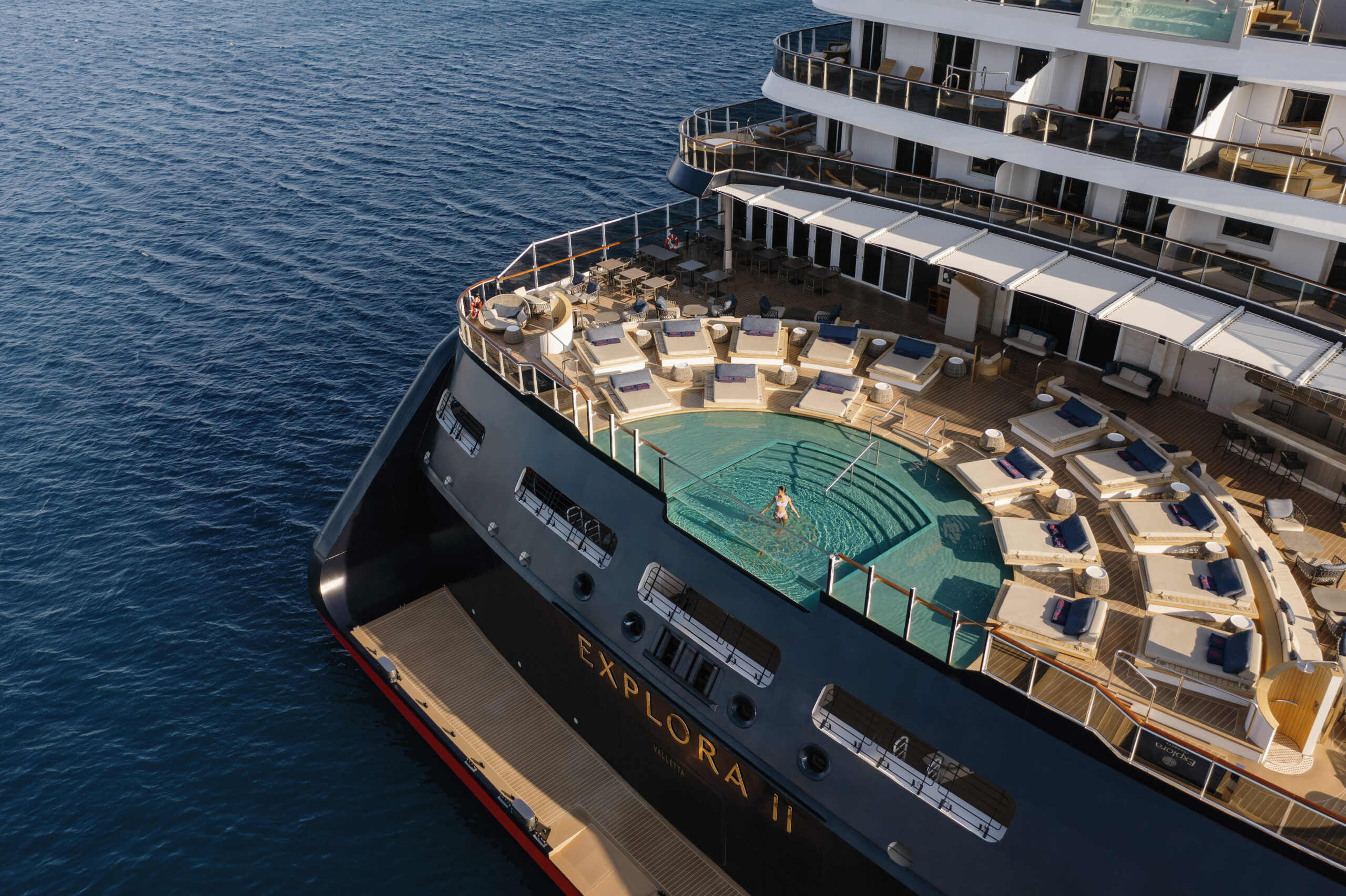
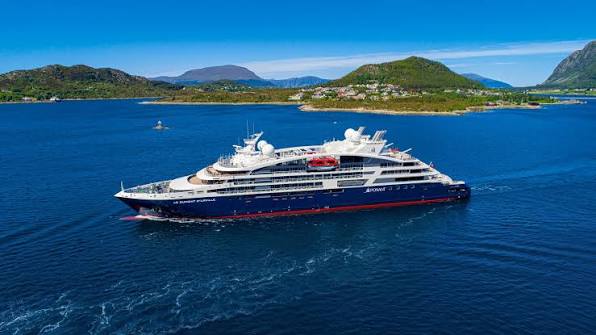
These spacious and elegant sisters are the perfect choice for a combination of contemporary style and expert hospitality.
When Seabourn built these 458-guest ships we were delighted. Not
only because each one is beautiful, but also because their
similarity means that they are interchangeable, enabling you to
travel all over the world in a familiar environment.
Miami is a pulsating modern city, a cultural crossroads where Cuban émigrés rub shoulders with affluent New Yorkers topping up on winter sun, and where you're just as likely to hear Spanish or Caribbean patois being spoken as you are English. Downtown Miami is a destination in its own right, with a host of world class galleries including the fantastic MOCA (Museum of Contemporary Art), but it's still Miami Beach that draws the biggest crowds. The Art Deco district around South Beach is very much back in vogue, with new restaurants, bars and luxury developments sprouting up all over the place.
Guayaquil is Ecuador’s largest city and most important commercial centre, and acts as the gateway to the Pacific coast and the wildlife haven of the Galapagos Islands. It’s a busy, buzzing sort of place, centred around the pleasant riverfront Malecón promenade.
Machala is often described as the ‘banana capital of the world’, and hosts the World Banana Fair every September, when buyers from across the globe come in search of the perfect banana. As well as banana plantations, the area is also home to nature reserves rich in birdlife and the Puyango petrified forest.
Peru’s underrated capital enjoys a fine setting on the Pacific coast, and the handsome colonial-era buildings surrounding the Plaza de Armas give clues to Lima’s distinguished history; for three centuries this was the capital of the Spanish Americas, when the city grew rich on the back of plundered Inca gold.
Pisco is best known for its eponymous grape brandy, the key ingredient in a pisco sour cocktail. From here you can explore the desert landscapes of the Paracas Reserve, discover the rich marine life of the Ballestas Islands or fly over the mysterious Nazca Lines.
Situated in the far north of Chile, the golden sands of Iquique attract both sunseekers and thrillseekers; surfing and paragliding are particularly popular here thanks to the clear skies and the wind coming in off the Pacific. The city is also home to some charming old mansions, remnants of a 19th century nitrate mining boom.
The enigmatic moai statues of Rapa Nui (Easter Island) remain one of the world’s most intriguing archaeological mysteries. Descendants of the Polynesian settlers who carved them still live here, though these days the island belongs to Chile, despite being separated from the mainland by over 2,000 miles of Pacific Ocean.
Nuku Hiva is the largest of the Marquesas, an island of towering basalt peaks, cliffs and canyons, carpeted with verdant jungle. From the pretty little capital, Taiohae, you can strike out into the unspoilt countryside in search of the island’s many archaeological sites.
Hiva Oa is the last resting place of the artist Paul Gauguin, who spent the final years of his life here, and the Gauguin museum in Atuona documents his time in the South Pacific. This beautiful island is also home to some evocative archaeological sites, including ancient petroglyphs and stone tiki statues.
The Fakarava atoll surrounds a deep lagoon in the west of the Tuamotu island group, scarcely populated and home to a host of rare wildlife. The entire atoll has been declared a UNESCO biosphere reserve, and the shallow coastal waters make for excellent snorkelling.
Papeete is the capital of French Polynesia, situated on the northwest coast of Tahiti. The port is not the most magical spot, so we advise venturing forth to luxuriate in the turquoise lagoons, relax on the white sand beaches fringed with palm trees, and explore the rugged mountain peaks.
Mo’orea is one of the real highlights of the South Pacific, a picture perfect landscape of jagged green mountains and dazzling cobalt bays. The warm waters of the lagoon are perfect for a host of watersports, while the lush island interior can be easily explored by scooter or bicycle.
Bora Bora is the very definition of idyllic, a diminutive Polynesian island dominated by rainforest-clad volcanic peaks, overlooking an electric blue lagoon ringed by coral reefs. The beaches and over-water bungalows are particularly popular with honeymooners, and the clear waters of the lagoon are perfect for snorkelling.
The sleepy island of Aitutaki is big on natural beauty, thanks to its stunning reef-enclosed lagoon. It’s also a deeply spiritual place: in the village of Arutanga you’ll find the oldest church in the Cook Islands, dating back to 1829, and services here are a spellbinding spectacle, with hymns featuring unaccompanied four-part harmonies.
Nuku’Alofa, the ‘Abode of Love’, is the capital of Tonga, the last surviving Polynesian monarchy. The city's main attraction is the Royal Palace, an attractive wooden building dating back to 1867, while the island of Tongatapu offers wild beaches, cute villages and intriguing archaeological sites.
Auckland offers a buzzing waterfront and a vibrant arts scene, and provides a fascinating introduction to New Zealand’s proud cultural heritage. The centre is home to excellent shopping and a number of fantastic restaurants, and to the west is the city's oldest wine region.
Tauranga is the largest city on the Bay of Plenty, and is said to be one of the sunniest spots in the whole of New Zealand. There’s a real boom town feel here, with new restaurants, bars and hotels opening all the time, and neighbouring Mount Maunganui is a popular beach destination.
When Napier was destroyed by an earthquake in 1931 the city was rebuilt entirely in the Art Deco style, making this a fascinating architectural time capsule. It’s a lovely, sunny seaside city, and a visit to the surrounding Hawke’s Bay wine region makes for an enjoyable day trip.
New Zealand’s cosmopolitan capital is arguably the country’s most likeable city. Hemmed in by forest-clad hills, Wellington is compact and easily walkable, with a lovely waterfront area where you’ll find the must-see Te Papa national museum. The city is also renowned for its strong winds, so make sure you hold on to your hat!
The pleasant little town of Picton, situated on a sheltered bay at the north eastern tip of the South Island, is the arrival point for ferries arriving from Wellington, and serves as the gateway to the stunning flooded river valleys of the Marlborough Sounds.
Kaikoura sits amongst spectacular South Island scenery, and is renowned as a marine wildlife hotspot. The meeting of subtropical and cold southern ocean currents sustains an abundance of species including sperm whales, orcas, pilot whales, humpbacks, dolphins and seals, as well as birds including albatross, shearwaters and penguins.
A garden city where punts glide down the Avon River, you’d be forgiven for thinking you were still in the UK when arriving into Christchurch, New Zealand’s most English of cities.
Situated halfway between Christchurch and Dunedin on the east coast of the South Island, the pleasant town of Timaru has a well-preserved Edwardian centre, some interesting museums and galleries, a good range of shops and a nice coastal park along Caroline Bay.
Visitors to Dunedin are amazed by the extraordinary Victorian and Edwardian buildings dating back to the gold rush, which bring to mind the city's Scottish roots - not least when the sound of the pipes echoes through the streets.
Stewart Island is New Zealand’s rarely visited third island. A landscape of lush rainforest and beautiful beaches is home to abundant birdlife, and it’s one of the best places in the country to see kiwis in the wild. You can also have a drink at New Zealand’s southernmost pub in Oban, the only town on the island.
One or our favourite cities in the world, we love pretty much everything about Sydney. Offering outdoor living at its best, the city is known for the excellent beaches but offers so much more, including a thriving and varied food scene inspired by Asian and European flavours.
Tasmania’s capital has been revitalised in recent years with a slew of new museums, restaurant openings and festivals. Hobart’s highlights include the provocative Museum of Old and New Art (MONA), the lively waterfront and a thriving foodie and craft beer scene.
Situated on Tasmania’s northwest coast, Burnie is an important industrial centre, though in recent years the city has been reinventing itself as a creative hub. Watch local artisans at work at the Makers Workshop, learn about the city’s industrial history at the Burnie Regional Museum, or take a trip out into the scenic surrounding countryside.
Culturally sophisticated and fashionably hip, Melbourne combines edgy street art with gold rush era architecture while offering excellent restaurants and top museums. If you have time, check out some of Victoria's other attractions, including the beautiful 12 Apostles and the excellent wines of the Yarra Valley.
Residents of Adelaide still take pride in the fact that their city was freely settled rather than founded as a penal colony, and the city traditionally had a reputation as a stuffy and pious sort of place. Adelaide has moved on, however, and these days it’s a thriving cultural hub with a superb culinary scene.
Kangaroo Island is Australia’s third biggest island, situated to the south west of Adelaide. It’s a rural and underdeveloped place, with an abundance of wildlife and some spectacular scenery, such as the weird, weather-sculpted boulders of Flinders Chase National Park.
Port Lincoln is the self-styled ‘seafood capital of Australia’, home to the country’s largest fishing fleet. The town is set on the Eyre Peninsula, where you’ll find excellent wineries, fascinating aboriginal history and wildlife including emus, kangaroos and great white sharks.
The historic port of Albany was the first European settlement in Western Australia, and the town still has plenty of photogenically faded colonial architecture. Albany sits on Princess Royal Harbour, one of the world’s best natural deep water harbours, and the surrounding coastline is spectacular.
Situated to the south of Perth on the west coast of Australia, the seaside town of Busselton is the gateway to the Margaret River wine region. Situated on the sandy shores of Geographe Bay, the town is best known for its remarkable wooden jetty, which stretches over a mile out to sea.
The capital of Western Australia, Perth sits in glorious isolation on the shores of the Indian Ocean, where the Swan River meets the sea. Laid back and relaxed, this must be one of the most easy-going capital cities in the world, with everything within easy reach.
The coastal town of Geraldton is the capital of Australia’s midwest, and offers ideal conditions for watersports including snorkelling, surfing, windsurfing and kitesurfing. It’s also the gateway to the Houtman Abrolhos archipelago, a beautiful chain of 122 islands and coral reefs bathed in the warm waters of the Indian Ocean.
Situated at the tip of the North West Cape in Western Australia, the tourist town of Exmouth is the gateway to the Ningaloo Reef marine reserve. This is a spectacular place to snorkel, and the reef’s most famous visitors are the whale sharks that pass through here between April and July.
For travellers by ship, Broome is the gateway to the extraordinary Kimberley region, but that’s not all. It is also the pearling capital of Australia and boasts fantastic white sand beaches and memorable sunsets.
More of a large town than a city, Darwin is less about what’s contained within the city limits and more about the huge expanse of wild landscape that’s outside it. Closer to Jakarta than Sydney, the city really does feel remote in its tropical perch.
Alotau is the capital of Milne Bay province, on the remote eastern tip of mainland Papua New Guinea. Milne Bay was the scene of heavy fighting during the Second World War, and today you can dive amongst the wreckage left behind. Alotau also serves as a base for visiting the nearby islands, including the fascinating Trobriand archipelago.
Cairns is a buzzing tourist hub, gateway to the Great Barrier Reef and the Daintree Rainforest. A snorkelling trip out to the reef is the most obvious excursion to take here, but other options include riding the Skyrail cableway over the rainforest canopy or swimming in the croc-free saltwater lagoon.
Sunny Townsville is a great introduction that everything that Queensland has to offer, sandwiched between palm-fringed beach and rugged outback. It’s a friendly and walkable city, with a fascinating museum and an aquarium that gives you a taste of the Great Barrier Reef.
The lively town of Airlie Beach is backpacker central, and serves as a transport hub for the many offshore attractions of the east coast. From here you can take a trip out to snorkel on the Great Barrier Reef, or visit the stunning tropical beaches of the nearby Whitsunday Islands.
Brisbane has plenty of shopping malls and, with great weather, a fantastic café culture. Amongst the steel and glass skyscrapers are some interesting historic buildings, and with plenty surrounding the city there’s enough on offer to make for an interesting short stay.
Remote, pine-clad Norfolk Island, situated a thousand miles to the northeast of Sydney, is a tiny outlying territory of Australia. Formerly a penal colony, the island’s main attractions are its breathtaking scenery and fascinating history, with many residents descended from the crew who staged the famous 1789 mutiny on board the HMS Bounty.
Nouméa is the capital of New Caledonia, a French overseas territory in the South Pacific. The city is cosmopolitan and sophisticated, home to lovely little bistros and chic boutiques, providing quite a contrast to the rugged landscapes of the surrounding countryside.
Mystery Island, or Inyeug as it is known locally, is a small uninhabited island at the southern edge of the Vanuatu archipelago. There are no roads, no electricity and no hotels here, just idyllic white sands and tranquil tropical waters that are perfect for swimming and snorkelling.
Lautoka is Fiji’s second largest city, known as the ‘Sugar City’ due to its important role in the local sugarcane industry. The waterfront area is pleasant enough, but we’d recommend using Lautoka as a jumping off point to visit some of the smaller surrounding islands, or the forests and waterfalls of the interior.
Suva is Fiji’s bustling capital, situated on the southeast coast of Viti Levu on a fine natural harbour. This is one of the more attractive port cities in the South Pacific, with a handsome core of colonial buildings that hark back to the days when Fiji was an outpost of the British Empire. The colourful wooden buildings of Cumming Street are particularly pretty.
Savusavu is the main town on Vanua Levu, a much sleepier and less developed island than nearby Viti Levu. Explore a volcanic landscape of hot springs, mangrove forests and spectacular waterfalls, snorkel amongst colourful coral reefs, visit bustling local markets and look out for spinner and bottlenose dolphins.
Apia is the capital of Samoa, situated on the north coast of the island of Upolu. Highlights include the colourful markets and Robert Louis Stevenson's former house, now a museum, though you may just want to use the city as a jumping off point for the beautiful beaches located further along the coast.
If the word Honolulu makes you think of deserted beaches and dusky maidens, think again! Despite its remote location in the North Pacific, Honolulu is busy busy, in particular the boisterous, touristy Waikiki beach.
The Kailua-Kona region, on the west coast of Hawaii’s Big Island, is known for its idyllic beaches and fantastic climate, notably sunnier and drier than the eastern side of the island. This is where you’ll find some of the island’s top resorts, and the surrounding waters are home to turtles, manta rays, dolphins and humpback whales.