From Belfast to Reykjavik · Northern Europe · 12 nights
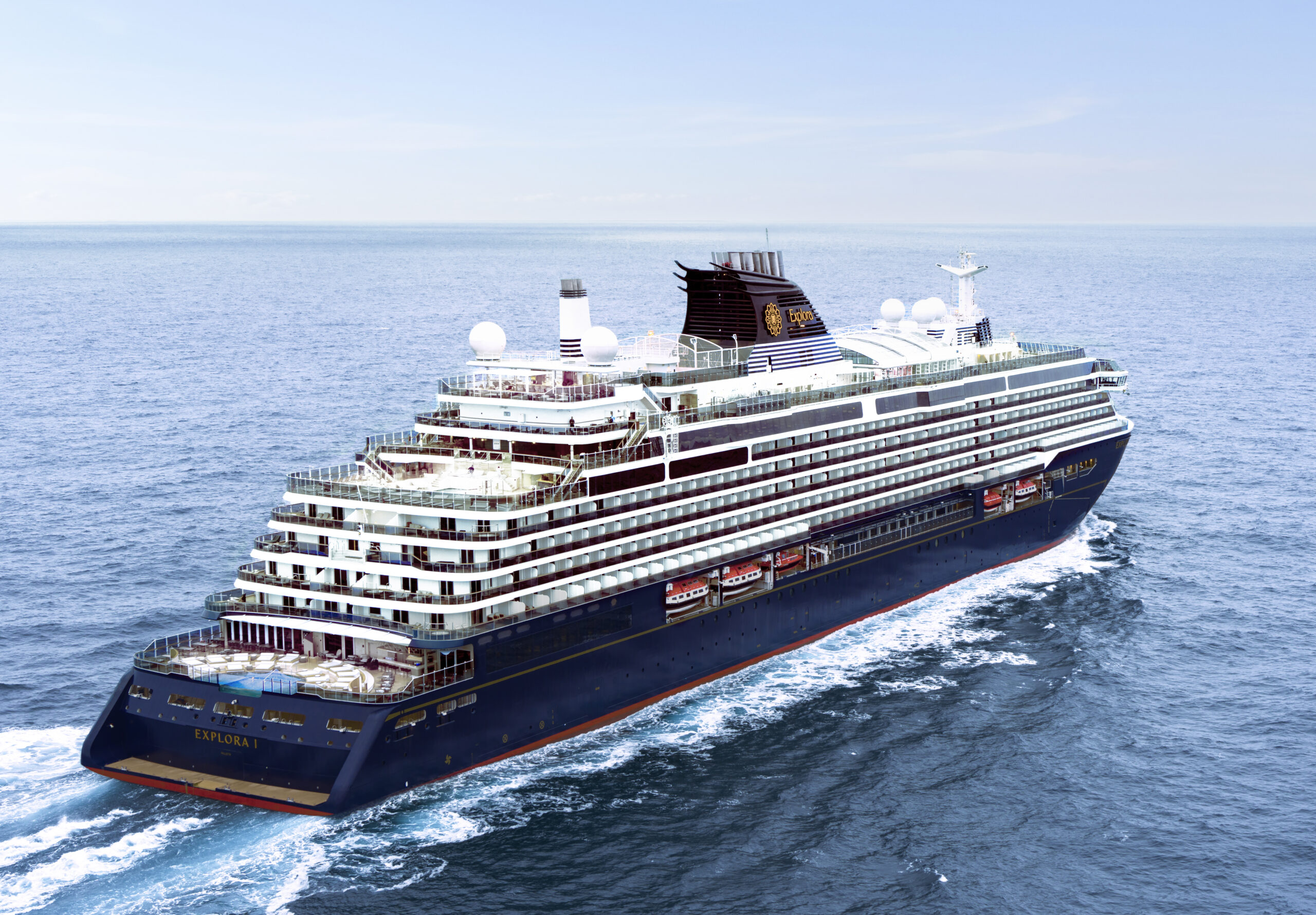
Seabourn has become the latest ultra-luxury cruise line to enter the expedition market with the launch of Seabourn Venture in 2022, followed by sister ship Seabourn Pursuit in 2023.
Seabourn Venture and Pursuit bring the trademark Seabourn style
and sophistication to the world of expedition cruising, with
interiors by designer Adam D Tihany, sumptuous veranda suite
accommodation and immersive adventure activities.
The remarkable rejuvenation of Belfast continues apace; the 1998 Good Friday Agreement was a watershed moment for Northern Ireland, and the rejuvenated capital is now enjoying a surge in popularity. The new Titanic Belfast museum is the star attraction, while the city centre boasts some handsome Victorian architecture and a lively pub scene.
Rugged and unspoilt, peaceful and perhaps a little parochial, the Isle of Man is proud to be different. The island has its own government, the Tynwald, which is said to be the oldest continuous parliament in the world, as well as its own language and even its own currency, the Manx pound.
The peaceful isle of Bute boasts surprisingly varied landscapes for an island of its diminutive size, from rugged moors and fertile hills to sandy beaches. Highlights include the beautiful gardens of Mount Stuart House and the imposing castle at Rothesay.
Tobermory, an old fishing station brightened by a crescent of colourful houses, is the main settlement on the Isle of Mull. This rugged and varied island is one of the most popular destinations in the Hebrides, and is rich in wildlife, home to species including white-tailed eagles, otters and whales.
The Isle of Eigg is part of the Inner Hebridean archipelago known as the Small Isles, and is easily recognisable thanks to An Sgurr, the dramatic pitchstone lava ridge that dominates the island. Climb the rock if you’re feeling fit, and enjoy fantastic views of Skye and Ardnamurchan from the summit.
The St Kilda archipelago is a remote and rugged collection of sea stacks and rocky islands, some 40 miles to the west of Benbecula in the Outer Hebrides. The islands constitute the largest nesting site for seabirds in the North Atlantic and are home to over a million birds, including puffins, gannets, fulmars and petrels.
Lerwick is the only town of any size in the Shetland islands, and originally grew up around the herring trade. Highlights include the charming 18th century architecture along the waterfront and the informative Shetland Museum, which provides an excellent introduction to the history and culture of the islands.
Fair Isle is the UK’s most remote inhabited island, lying roughly halfway between Shetland and Orkney. The island is tiny, just 3 miles by 1½ miles, and is renowned for its traditional knitwear. It’s also a birdwatching hotspot, serving as both an important breeding ground for seabirds and as a stopping-off point for migrant species.
Lerwick is the only town of any size in the Shetland islands, and originally grew up around the herring trade. Highlights include the charming 18th century architecture along the waterfront and the informative Shetland Museum, which provides an excellent introduction to the history and culture of the islands.
The little Isle of Noss, part of the Shetlands, is a nature reserve that hosts over 150,000 seabirds during the breeding season, a truly spectacular sight. Species you can expect to see include gannets, puffins, guillemots and razorbills, and the island is also home to otters, seals, whales and dolphins.
Tórshavn, named after the Norse god Thor, is one of the world’s smallest capitals, with a population of just 20,000. The brightly coloured facades and turfed roofs lend the harbour an attractive, storybook quality, and the narrow streets are home to some atmospheric pubs and cafés.
Klaksvík is the second largest town in the Faroe Islands, a bustling fishing harbour of around 5,000 inhabitants and the gateway to the Northern Isles. The sheltered bay is surrounded by vivid green mountains flecked with wildflowers, and the region is rich in seabirds including puffins.
Heimaey is the largest of the Westman Islands, just off the south west coast of the Icelandic mainland. The jagged landscape is a reminder of the island’s volcanic origins; the most recent eruption, back in 1973, created the volcano now known as Eldfell, which looms over the island.
Capital of Iceland and gateway to this extraordinary volcanic island, modern Reykjavík is home to an impressive collection of interesting attractions and places of historic significance. Visit the impressive Hallgrímskirkja church, relax in a thermal pool, potter around the old harbour, and enjoy 24 hour daylight in the summer months.