From Lisbon to Rome (Civitavecchia) · Mediterranean · 19 nights
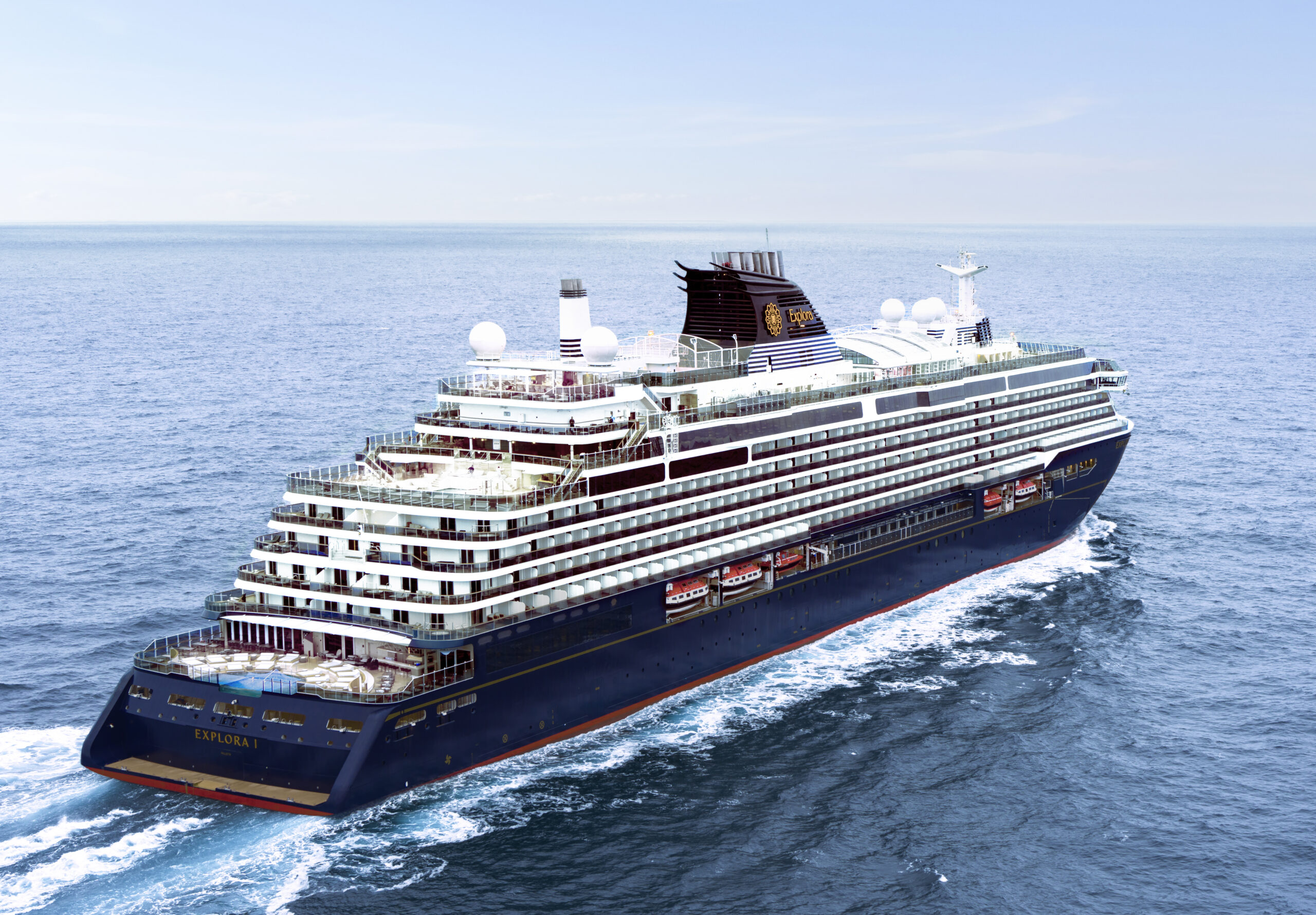
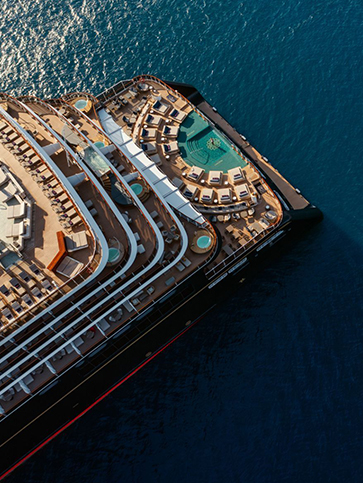
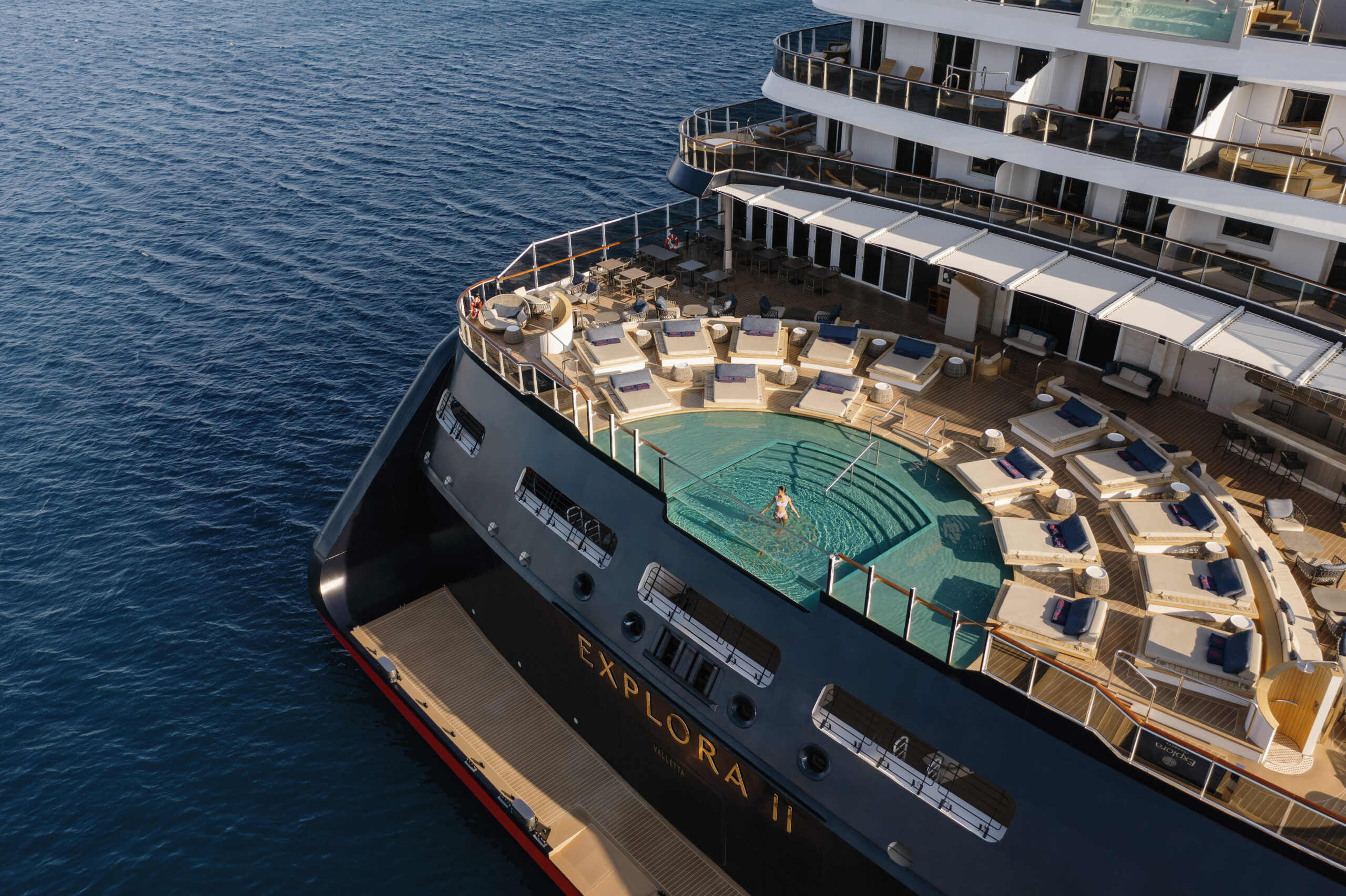
When luxury goes exploring, you are on a Regent ship. A close sister to Seven Seas Mariner, the first ever all suite all veranda ship, Seven Seas Voyager is the perfect balance of wonderfully luxurious yet delightfully laid-back.
Just 698 guests enjoy the perfect balance
of space and intimacy. With plenty of comfort and great value for
money, the Voyager offers everything you could wish for: spacious
accommodation, a relaxed and unpretentious style and loads of good
dining choices. The most all-inclusive of all luxury lines.
The roots of historic Lisbon's fame lie in its strategic position on the edge of the Atlantic and the fact it offers one of the world's greatest natural harbours. No surprise therefore that it became the home of the world's most famous explorers such as Vasco da Gama, Magellan and Prince Henry the Navigator. Built on seven hills, we always find Lisbon to be soulful, captivating and picturesque, with architecture which reflects its status as a great port.
After years of neglect, Tangier is finally being restored to its former glory as a cosmopolitan crossroads between Europe and Africa. The Moroccan government has invested heavily in modern infrastructure, while the spruced up medina shines with a new-found cultural dynamism.
Málaga boasts plenty of chic restaurants and bars where you can ease into the rhythms of life in southern Spain, before exploring sights including the intriguing, unfinished Gothic cathedral, and a museum devoted to the city's most famous son, Pablo Picasso.
Melilla is a post-colonial oddity, a Spanish enclave on the north coast of Morocco. The city is a fascinating blend of Spanish, Moorish and Berber influences, with an impressive collection of modernist buildings, plenty of bustling tapas bars and an atmospheric walled old town, the Medina Sidonia.
Cartagena was founded by the Carthaginians around 227 BC, who named it after their home city in North Africa. These days the city is best known for its well-preserved Roman theatre, which was remarkably only discovered in 1987, in spite of its location in the centre of town.
Spain’s third city is a dazzling destination that combines historic architecture, cutting edge design and an inviting stretch of beach. Don’t miss the futuristic City of Arts and Sciences, designed by local architect Santiago Calatrava, or the old riverbed, now a delightful park.
From the warren-like medieval streets of the Barri Gòtic to the fantastical modernist architecture of Antoni Gaudí, from the dizzy heights of Mount Tibidabo to the golden sands of Barceloneta, there’s never a dull moment in Barcelona.
Mallorca is renowned for its beaches, ranging from big, bustling resorts to small, secluded coves. The island interior offers ruggedly beautiful scenery and quaint little towns, while the charming capital, Palma, boasts an attractive old quarter dominated by the imposing Gothic cathedral.
Toulon is not the sort of place you would expect to find on the Côte d’Azur, a gritty port city that’s home to France’s most important naval base. It’s not completely without charm, however, and for some travellers it may come as a breath of fresh air after the glitz of the Riviera. For the best view, take the cable car to the top of Le Faron mountain.
La Spezia is a busy port and Italy’s most important naval base, on the Ligurian coast to the south east of Genoa. The town itself has a certain authentic charm and an atmospheric old town, though you’ll most likely just be passing through en route to the beautiful villages of the nearby Cinque Terre.
Malta’s tiny capital, established by the Knights of St John, packs in an awful lot of history considering its diminutive size. The atmospheric old streets, bathed in Mediterranean sunshine, are full of attractive honey-golden buildings, along with an impressive selection of bars and restaurants.
Situated on the north eastern tip of Sicily, so close to the Italian mainland you can almost touch it, Messina is the busy main entry point to the island. The city was flattened by an earthquake in 1908, and again by Allied bombing in 1943, so few historical sights remain, although the cathedral is one of Sicily’s most impressive.
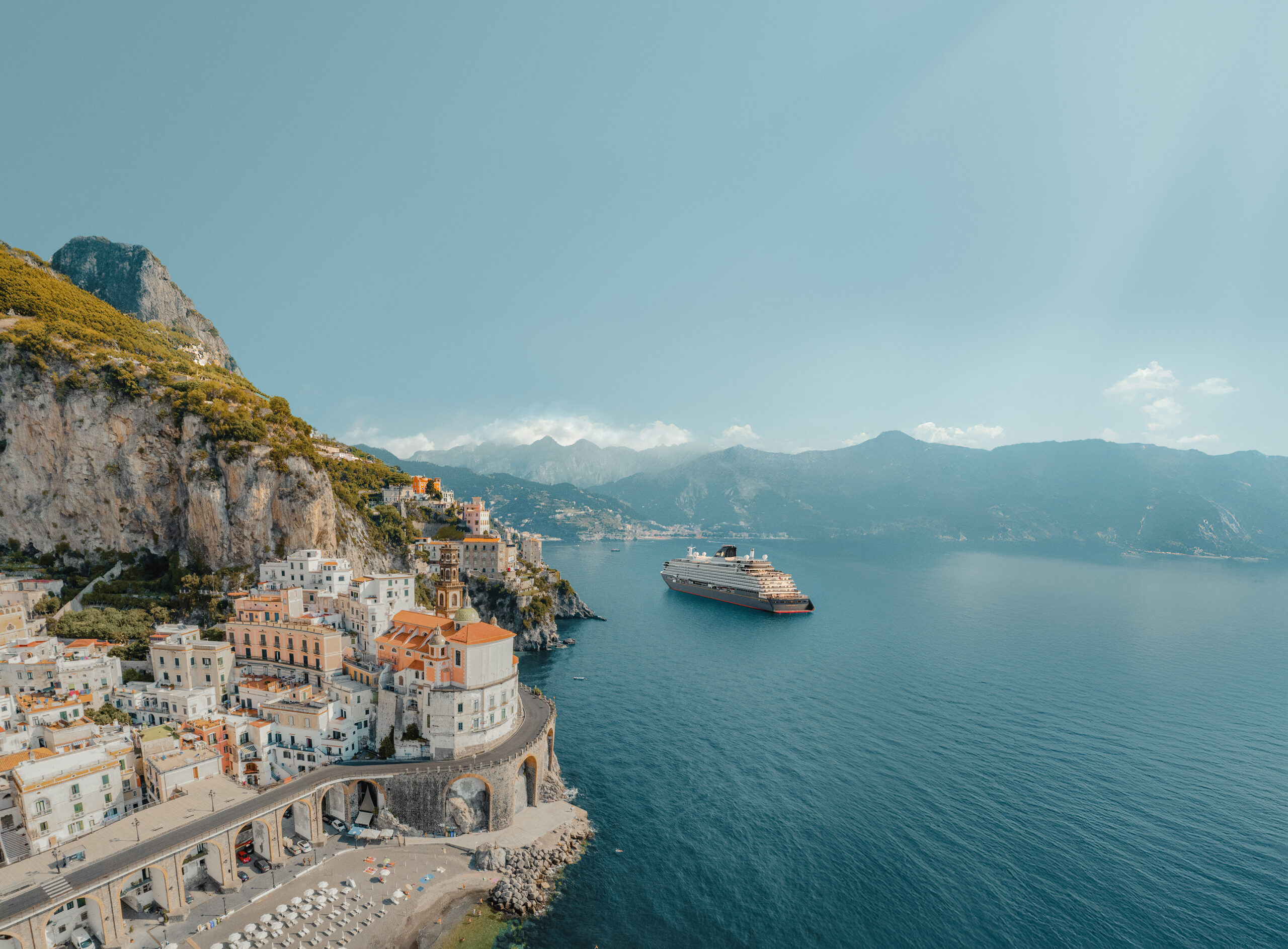
The UNESCO World Heritage-listed centre of Naples rewards exploration, and in addition to the many cultural treasures waiting to be unearthed Neapolitans are rightly proud of their food; this is where you’ll find the best pizza in Italy. The city also acts as a gateway to the fascinating remains of Pompeii and Herculaneum, and the beautiful Amalfi coast.
One of the world’s great cities, Rome continues to dazzle and delight visitors with a potent mix of architectural marvels, continent-defining history and buzzing nightlife. The Colosseum, the Vatican and the Forum are among the big ticket items, with the crowds to match, though in truth you will find history around almost every corner.