From Miami to Rome (Civitavecchia) · South America & Antarctica · 150 nights
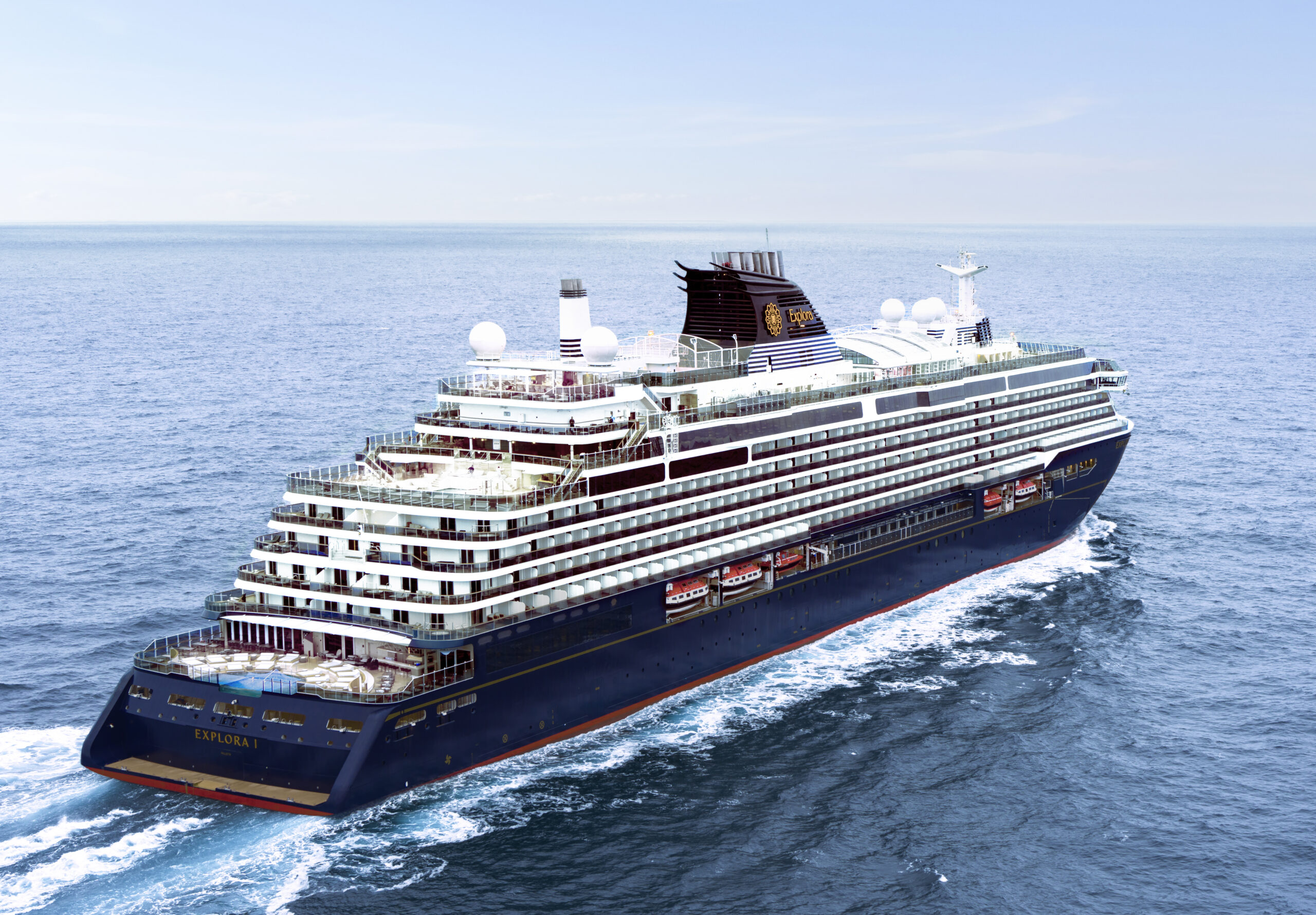
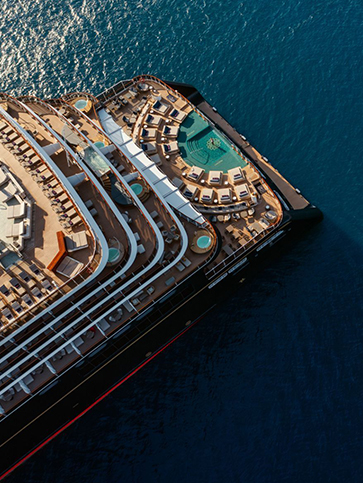
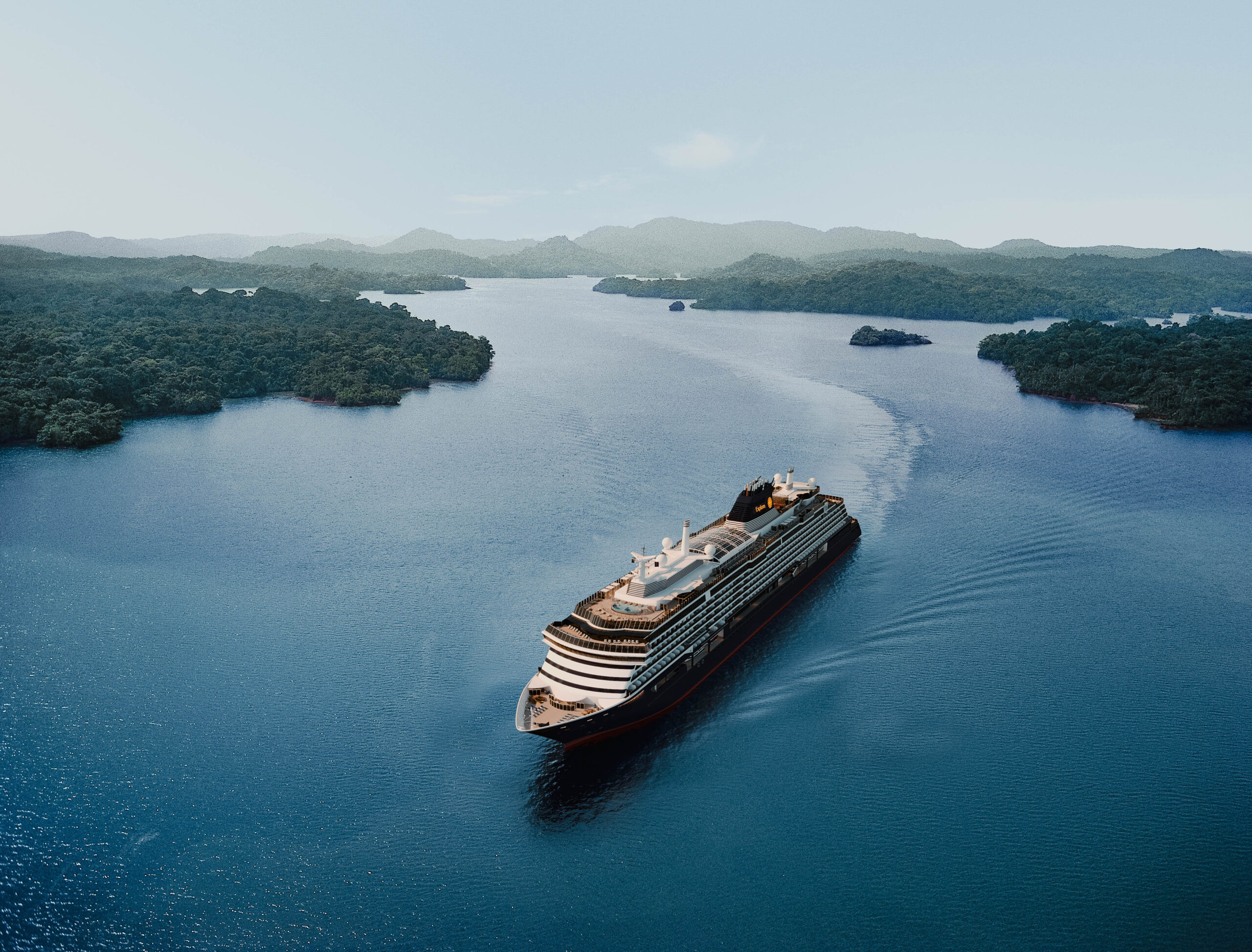
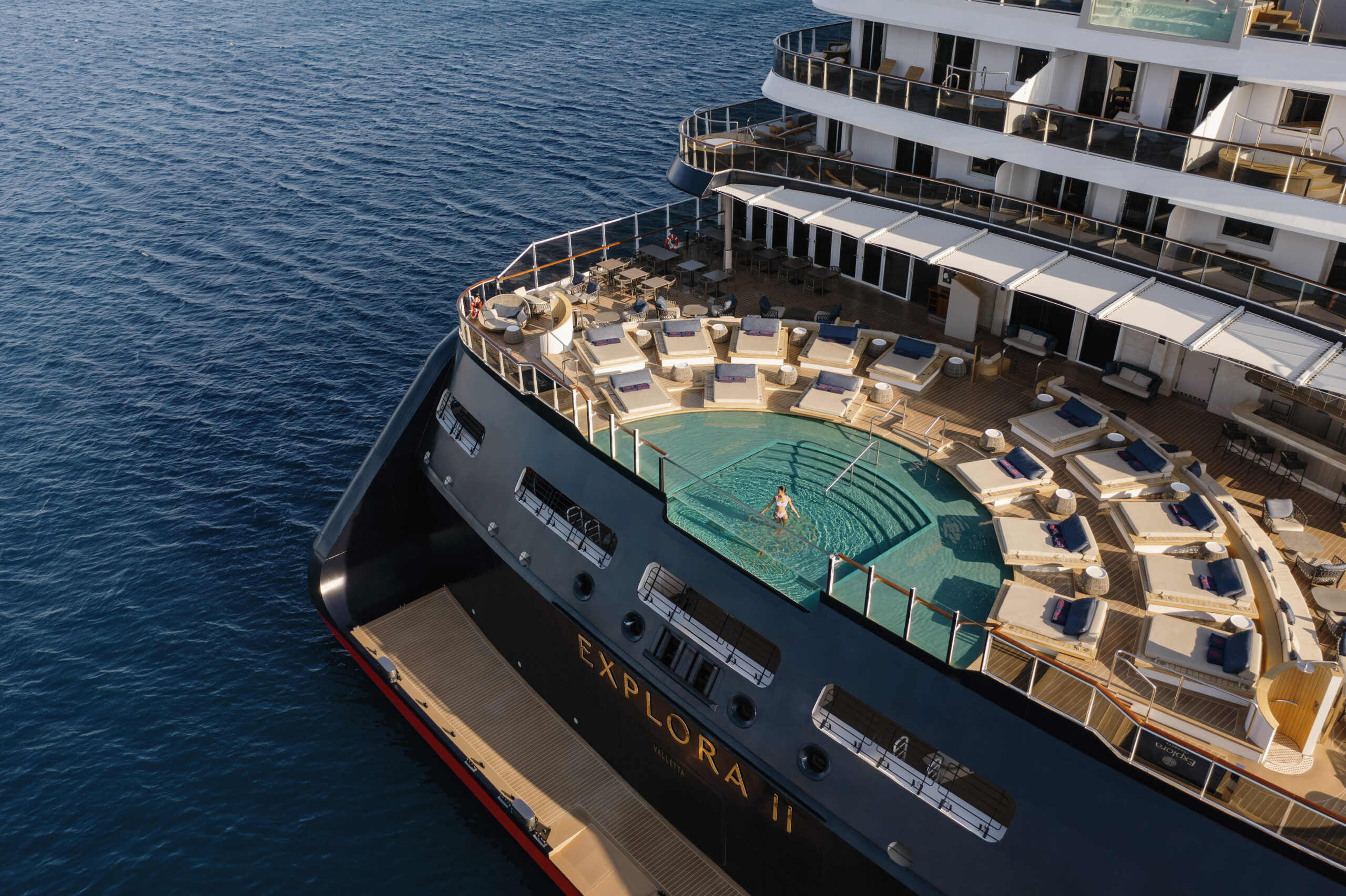
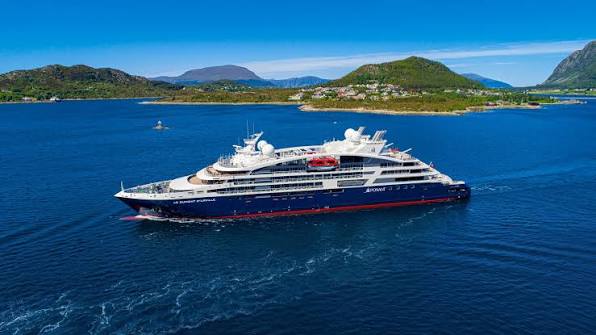
When luxury goes exploring, you are on a Regent ship. The first-ever all suite, all veranda ship, Seven Seas Mariner is the perfect balance of wonderfully luxurious yet delightfully laid-back.
Just 700 guests enjoy the perfect balance of space and intimacy.
With plenty of comfort and great value for money, the Mariner
offers everything you could wish for: spacious accommodation, a
relaxed and unpretentious style and loads of good dining choices.
The most all-inclusive of all luxury lines.
Miami is a pulsating modern city, a cultural crossroads where Cuban émigrés rub shoulders with affluent New Yorkers topping up on winter sun, and where you're just as likely to hear Spanish or Caribbean patois being spoken as you are English. Downtown Miami is a destination in its own right, with a host of world class galleries including the fantastic MOCA (Museum of Contemporary Art), but it's still Miami Beach that draws the biggest crowds. The Art Deco district around South Beach is very much back in vogue, with new restaurants, bars and luxury developments sprouting up all over the place.
There’s more to Barbados than just beaches; the delightful architecture of the old garrison in Bridgetown, the capital, is fully deserving of its UNESCO World Heritage status, and the island interior is littered with old sugar plantations and natural wonders such as Harrison’s Cave.
Santarém is situated at the ‘Wedding of the Waters’, where the Amazon and Tapajós rivers meet. A former rubber boom town, the city is now a focus for the controversial soybean industry. Activities on offer nearby include canoeing, wildlife walks and day trips to the laid back town of Alter do Chão.
The tiny village of Boca da Valéria, with its picturesque little church and wooden stilt houses, is home to a remote indigenous community, at the point where the Valéria and Amazon rivers meet. The villagers are used to welcoming cruise ship visitors, but stepping ashore here is still a memorable experience.
Manaus is a remarkable place, a sweltering, steamy city in the heart of the Brazilian rainforest. Situated near the confluence of the Rio Negro and Amazon rivers, surrounded by thick jungle, the city is a major port in spite of its location some 1,000 miles from the sea.
The little island town of Parintins is famous for its annual Boi Bumbá festival, the biggest folk celebration in Brazil after Rio Carnival. Cruise ship visitors are usually met by Bumbá dancers at the port, and it’s a great place to get a feel for everyday life in the Amazon region.
The laid back riverside village of Alter do Chão is sometimes known as the ‘Caribbean of the Amazon’ thanks to its white sand beaches, clear waters and chilled out vibe. Beyond the beach the main activities are exploring the surrounding rainforest and shopping for local handicrafts.
The carnival capital of the world, Rio de Janeiro needs little introduction. We can think of few cities in the world that are able to compete when it comes to location: hugging the beautiful sandy shore and surrounded by jungle-clad islands and mountains, including the iconic Corcovado, the setting for Brazil’s most vibrant city is simply breathtaking.
The busy port of Santos is the gateway to cosmopolitan São Paulo, a vast metropolis that is home to some 20 million people, making it the third largest city on earth. The urban sprawl may not be to everyone’s taste, but for fans of big city life there is plenty to see and do, with a lively cultural scene and a host of world class restaurants.
Located just across the Río de la Plata from Buenos Aires, Uruguay’s underrated capital is a cosmopolitan and eclectic mix of colourful colonial architecture and high rise modernity. The 14-mile waterfront promenade, La Rambla, is a popular and pleasant place to be on a summer’s evening.
The streets of Buenos Aires are redolent of a grand old European capital, lined with elegant architecture that wouldn’t look out of place in Madrid or Paris. There is also plenty of Latin passion on display: Argentina is the home of tango, that most electrifying of dances, and has played host to countless revolutions over the years.
The upmarket Uruguayan beach resort of Punta del Este is where the A-listers come to party, with a reputation as the Saint Tropez of South America. The town also has an arty side, typified by intriguing sculptures such as the giant concrete fingers emerging from the beach at Playa Brava.
The rugged and windswept Falkland Islands make for a fascinating stop on the way to or from Antarctica. Over 80% of the population lives in the capital, Stanley, though humans are far outnumbered by other creatures, including penguins, sea lions and albatrosses.
Perched on the ragged southern edge of Argentina, where the snow-capped Andes fall away into the churning sea, Ushuaia has a frontier town feel to it, and serves as the base for expeditions into the icy waters of Antarctica.
The weather-beaten city of Punta Arenas is a laid back and welcoming place, in spite of its inhospitable location on the shores of the Strait of Magellan. Nearby attractions include penguin colonies and the dramatic scenery of Torres del Paine National Park, while beyond the horizon lie the frozen wastes of Antarctica.
Puerto Chacabuco is situated close to the Aysén Fjord and serves as a gateway to the Laguna San Rafael National Park, a UNESCO Biosphere Reserve. Amongst the lush forests, waterfalls and lagoons you have the chance to spot wildlife including marine otters, giant condors and Chilean dolphins.
Puerto Montt is the capital of the Chilean Lake District, spread out around a wide bay against a backdrop of snow-capped volcanoes. This wild region offers a host of outdoor activities, including mountain hikes, kayaking, white water rafting, fishing, zip lining and cycling.
Characterful, colourful and a little chaotic, the port city of Valparaíso is scattered across 45 vertiginous hills. Thanks to this difficult topography the city streets are punctuated by steep staircases and funicular elevators, and energetic explorers will be rewarded with wonderful views of the pastel hued buildings that hug the slopes.
The busy port of Coquimbo is the gateway to the charming colonial city of La Serena, one of the oldest in Chile, where you’ll find attractive architecture and a fine stretch of beach. Other nearby sights include the fertile Elqui and Limarí Valleys, home to excellent wineries and ancient petroglyphs.
Situated in the far north of Chile, the golden sands of Iquique attract both sunseekers and thrillseekers; surfing and paragliding are particularly popular here thanks to the clear skies and the wind coming in off the Pacific. The city is also home to some charming old mansions, remnants of a 19th century nitrate mining boom.
Arica sits at the northern tip of Chile, known as ‘the land of the eternal spring’ thanks to its temperate year-round climate. Sightseeing options include the War of the Pacific battlefield at El Morro and the breathtaking altiplano scenery of Lauca National Park, a stunning high-altitude landscape of snow-dusted volcanoes and shimmering lakes.
Pisco is best known for its eponymous grape brandy, the key ingredient in a pisco sour cocktail. From here you can explore the desert landscapes of the Paracas Reserve, discover the rich marine life of the Ballestas Islands or fly over the mysterious Nazca Lines.
Peru’s underrated capital enjoys a fine setting on the Pacific coast, and the handsome colonial-era buildings surrounding the Plaza de Armas give clues to Lima’s distinguished history; for three centuries this was the capital of the Spanish Americas, when the city grew rich on the back of plundered Inca gold.
The enigmatic moai statues of Rapa Nui (Easter Island) remain one of the world’s most intriguing archaeological mysteries. Descendants of the Polynesian settlers who carved them still live here, though these days the island belongs to Chile, despite being separated from the mainland by over 2,000 miles of Pacific Ocean.
The Fakarava atoll surrounds a deep lagoon in the west of the Tuamotu island group, scarcely populated and home to a host of rare wildlife. The entire atoll has been declared a UNESCO biosphere reserve, and the shallow coastal waters make for excellent snorkelling.
The Rangiroa atoll is one of the biggest in the world, a ring of over 400 motu (islets) surrounding a vast lagoon. This stunning area is a popular destination for divers and snorkellers, and the waters are home to marine life including sea turtles, bottlenose dolphins, hammerhead sharks and manta rays.
Bora Bora is the very definition of idyllic, a diminutive Polynesian island dominated by rainforest-clad volcanic peaks, overlooking an electric blue lagoon ringed by coral reefs. The beaches and over-water bungalows are particularly popular with honeymooners, and the clear waters of the lagoon are perfect for snorkelling.
Huahine is perhaps the most beautiful of the Society Islands, and one of the least developed too. The laid back ambience means it’s impossible not to relax here, whether you’re on one of the gorgeous beaches or taking a stroll around the friendly village of Fare.
Mo’orea is one of the real highlights of the South Pacific, a picture perfect landscape of jagged green mountains and dazzling cobalt bays. The warm waters of the lagoon are perfect for a host of watersports, while the lush island interior can be easily explored by scooter or bicycle.
Papeete is the capital of French Polynesia, situated on the northwest coast of Tahiti. The port is not the most magical spot, so we advise venturing forth to luxuriate in the turquoise lagoons, relax on the white sand beaches fringed with palm trees, and explore the rugged mountain peaks.
Surrounded by kaleidoscopic reefs, white sand beaches and beautifully blue waters, Rarotonga is exactly what most of us picture when we think of the South Pacific. The lagoon is ideally suited to snorkelling and scuba diving, while the island itself is home to ancient sacred sites and pretty coral churches.
The sleepy island of Aitutaki is big on natural beauty, thanks to its stunning reef-enclosed lagoon. It’s also a deeply spiritual place: in the village of Arutanga you’ll find the oldest church in the Cook Islands, dating back to 1829, and services here are a spellbinding spectacle, with hymns featuring unaccompanied four-part harmonies.
The little fishing town of Pago Pago is the capital of American Samoa, a rarely visited but utterly enchanting archipelago in the South Pacific. Pago Pago sits on a beautiful natural bay on the island of Tutuila, a lush and mountainous place where Polynesian traditions remain strong.
Apia is the capital of Samoa, situated on the north coast of the island of Upolu. Highlights include the colourful markets and Robert Louis Stevenson's former house, now a museum, though you may just want to use the city as a jumping off point for the beautiful beaches located further along the coast.
The Vava’u group of islands is part of the Kingdom of Tonga, the last surviving Polynesian monarchy and the only South Pacific nation never to have been colonised by Europeans. Vava’u is idyllic but also authentic, and is one of the best places in the region to see humpback whales during their annual migration between May and October.
Savusavu is the main town on Vanua Levu, a much sleepier and less developed island than nearby Viti Levu. Explore a volcanic landscape of hot springs, mangrove forests and spectacular waterfalls, snorkel amongst colourful coral reefs, visit bustling local markets and look out for spinner and bottlenose dolphins.
Dravuni is a tiny, unspoilt island, just a mile long and home to around 200 people. It’s a great place to chill out on the beach and enjoy a spot of snorkelling, or you can take a slightly more strenuous hike up to the hilltop viewpoint.
Lautoka is Fiji’s second largest city, known as the ‘Sugar City’ due to its important role in the local sugarcane industry. The waterfront area is pleasant enough, but we’d recommend using Lautoka as a jumping off point to visit some of the smaller surrounding islands, or the forests and waterfalls of the interior.
Luganville is Vanuatu's second largest city, situated on the island of Espiritu Santo. Highlights include Champagne Beach, a stunning stretch of perfect white sand on the east coast. The beach is named after a bizarre natural phenomenon, in which gas escaping from volcanic rocks on the sea floor causes the water to bubble and fizz at low tide.
Situated on a magnificent natural harbour, Port Vila is the sleepy and seductive capital of Vanuatu. This friendly town is the perfect introduction to this intriguing Pacific island nation, with colourful markets, a unique Melanesian culture and some jaw-dropping nearby beaches.
Nouméa is the capital of New Caledonia, a French overseas territory in the South Pacific. The city is cosmopolitan and sophisticated, home to lovely little bistros and chic boutiques, providing quite a contrast to the rugged landscapes of the surrounding countryside.
One or our favourite cities in the world, we love pretty much everything about Sydney. Offering outdoor living at its best, the city is known for the excellent beaches but offers so much more, including a thriving and varied food scene inspired by Asian and European flavours.
Brisbane has plenty of shopping malls and, with great weather, a fantastic café culture. Amongst the steel and glass skyscrapers are some interesting historic buildings, and with plenty surrounding the city there’s enough on offer to make for an interesting short stay.
The lively town of Airlie Beach is backpacker central, and serves as a transport hub for the many offshore attractions of the east coast. From here you can take a trip out to snorkel on the Great Barrier Reef, or visit the stunning tropical beaches of the nearby Whitsunday Islands.
Sunny Townsville is a great introduction that everything that Queensland has to offer, sandwiched between palm-fringed beach and rugged outback. It’s a friendly and walkable city, with a fascinating museum and an aquarium that gives you a taste of the Great Barrier Reef.
Cairns is a buzzing tourist hub, gateway to the Great Barrier Reef and the Daintree Rainforest. A snorkelling trip out to the reef is the most obvious excursion to take here, but other options include riding the Skyrail cableway over the rainforest canopy or swimming in the croc-free saltwater lagoon.
More of a large town than a city, Darwin is less about what’s contained within the city limits and more about the huge expanse of wild landscape that’s outside it. Closer to Jakarta than Sydney, the city really does feel remote in its tropical perch.
Komodo Island is situated within an area of spectacular natural beauty, home to the famous Komodo dragon. The stunning beaches are tinged with pink thanks to the high concentration of red coral just offshore, and the waters draw intrepid divers from all over the world.
Quieter and less developed than neighbouring Bali, the island of Lombok is an appealing alternative. To the north, the landscape is dominated by the huge crater of Gunung Rinjani, while the south and west coasts are home to some stunning beaches.
The beaches, spectacular volcanic scenery and lush green rice terraces lend Bali a natural beauty that seems to dovetail perfectly with the island’s distinct Hindu culture, which adorns the landscape with stunning temples.
Singapore’s heritage as an important trading post means that there is a real cultural mix, with four official languages: English, Chinese, Malay and Tamil. Step away from the gleaming towers and you’ll find yourself transported into another world amongst the intoxicating streets of Chinatown and Little India.
Malaysia’s capital is a hot and humid cultural melting pot, defined by its distinctive Malay, Chinese and Indian communities. The dazzling Petronas Towers are KL’s most recognisable landmark, while at street level you’ll find temples and mosques, elegant colonial buildings and bustling markets.
The Malaysian island of Penang is a fascinating blend of East and West, far more than just a beach destination. Lovely Georgetown, a UNESCO World Heritage Site, is home to British colonial architecture, crumbling Chinese shophouses and incense-perfumed temples.
Laid-back Langkawi boasts some of Malaysia’s finest beaches, and it’s a place where the traditional kampung (village) way of life survives in spite of the island’s development as a tourist destination. It’s also a popular spot for snorkelling and scuba diving thanks to the clarity of the surrounding waters.
As well as a plethora of luxury resorts, Phuket has a charming old town replete with pretty Sino-Portuguese architecture, and acts as a jump-off point for exploring nearby islands and coastline. Koh Phing Pan, better known as James Bond Island, and Ko Phi Phi are breathtakingly beautiful, as are the limestone formations that surround Krabi.
Investment has poured into Hambantota since the city was devastated by the 2004 tsunami, and this is now one of South Asia’s biggest ports. Hambantota is a jumping off point for Yala National Park, famous for its leopards, and the less well known Bundala National Park, rich in birdlife including flamingos and storks.
The low-lying reef-protected atolls of the Maldives, set in the crystal clear turquoise waters of the Indian Ocean, are the perfect place to relax and unwind. A great choice for a honeymoon or romantic getaway, the Maldives also appeal to active travellers who love watersports, snorkelling and diving.
Formerly known as Bombay, this amazing city is larger than life and packed to bursting with things to see and do. Here people of all religions and nationalities live cheek by jowl, thriving communities from all over the world with the foods, smells, languages and rituals maintained at top volume.
Amazing high rise buildings, extensive air-conditioned shopping malls and extraordinary man-made tourist attractions (such as indoor ski-slopes) abound in the glamorous city of Dubai, home to some of the most glitzy and expensive hotels in the world.
Salalah is Oman’s second city, and the capital of the southern Dhofar region. Many visitors are surprised by the pleasant sub-tropical climate, which turns the city into an oasis of lush greenery during the ‘khareef’ (monsoon) season between June and September, and in many ways it’s more reminiscent of Zanzibar than Muscat.
The port city of Jeddah has long been a cultural crossroads, serving as the gateway to Mecca for pilgrims making the Hajj, and there's a cosmopolitan feel here that other Saudi cities lack. The old Al-Balad neighbourhood is home to the city’s most characterful buildings, while the buzzing Corniche promenade is a great spot for people watching.
Safaga is the nearest sea port to Luxor, and ships often stop here overnight to give you time to see everything. Prepare to be amazed – the thin belt of greenery along the banks of the Nile gives Luxor a lush setting for an extraordinary collection of tombs and temple complexes that hint at the magnificence of this former Ancient Egyptian capital.
Aqaba is Jordan’s principal beach resort, situated on the Red Sea coast close to the Israeli border. The main attraction in Aqaba itself is the incredible diving, though many visitors will choose to instead use the port as a jumping off point for the 'Rose City' of Petra and the desert landscapes of Wadi Rum.
Haifa is Israel’s third city, a bustling and multicultural place where six different faiths live side by side. The city is the spiritual centre of the Baha’i Faith, and the beautiful Baha’i Gardens are a must-see. Many cruise visitors opt to skip Haifa and take an excursion to Jerusalem and Bethlehem, two to three hours’ drive away.
Athens is a city awash with historical and cultural significance, but it's much more than an open air museum; this is a dynamic, bustling metropolis, and a place where history is still very much unfolding.
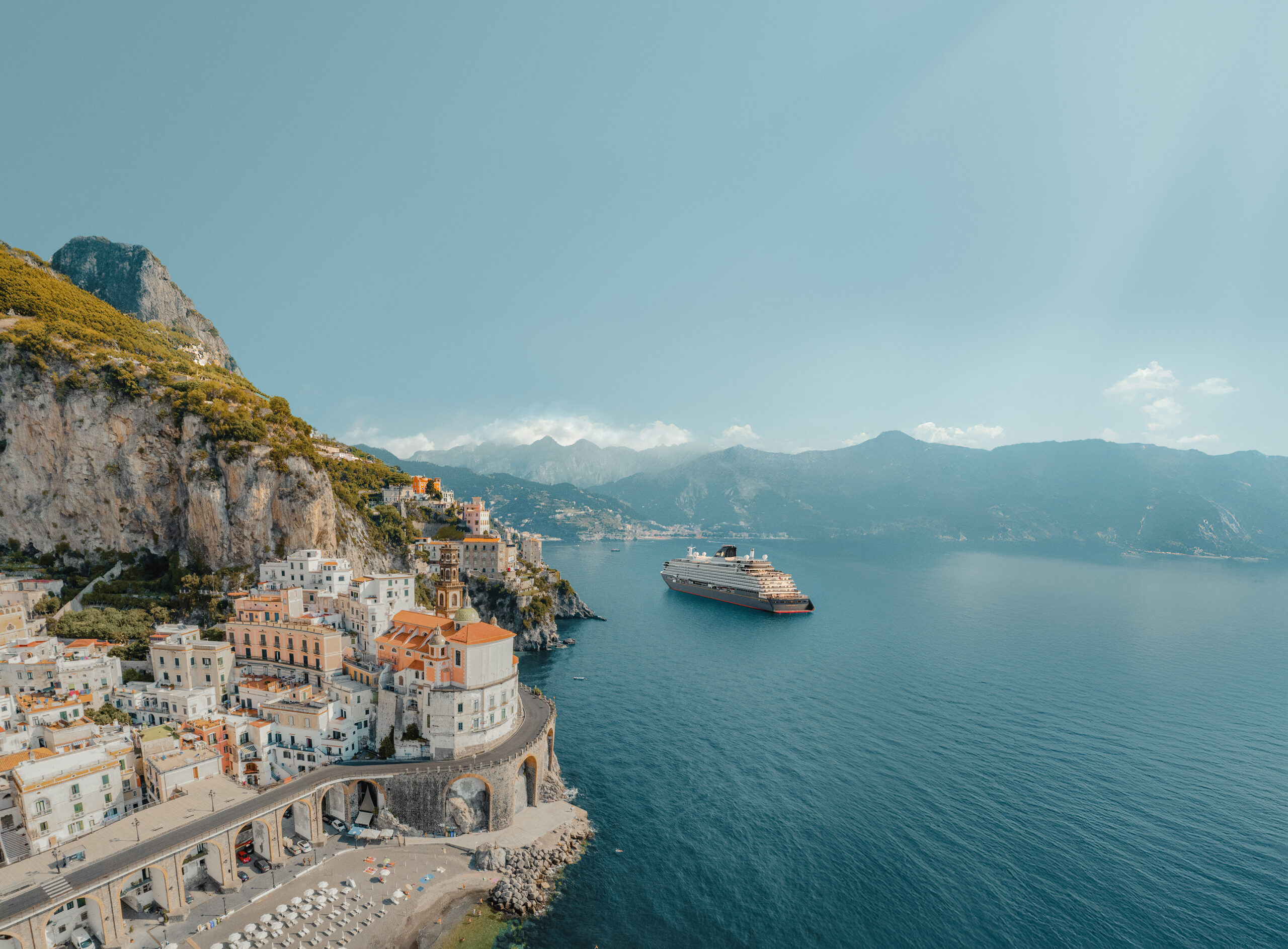
The lovely town of Sorrento, draped across rugged cliffs overlooking the Bay of Naples, has been charming visitors since the days of the Grand Tour. The Renaissance palaces and many craft shops make Sorrento an attractive destination in its own right, and it’s also a jumping off point for Capri, Pompeii and the Amalfi Coast.
One of the world’s great cities, Rome continues to dazzle and delight visitors with a potent mix of architectural marvels, continent-defining history and buzzing nightlife. The Colosseum, the Vatican and the Forum are among the big ticket items, with the crowds to match, though in truth you will find history around almost every corner.