From Dubai to New York · Australia & New Zealand · 112 nights
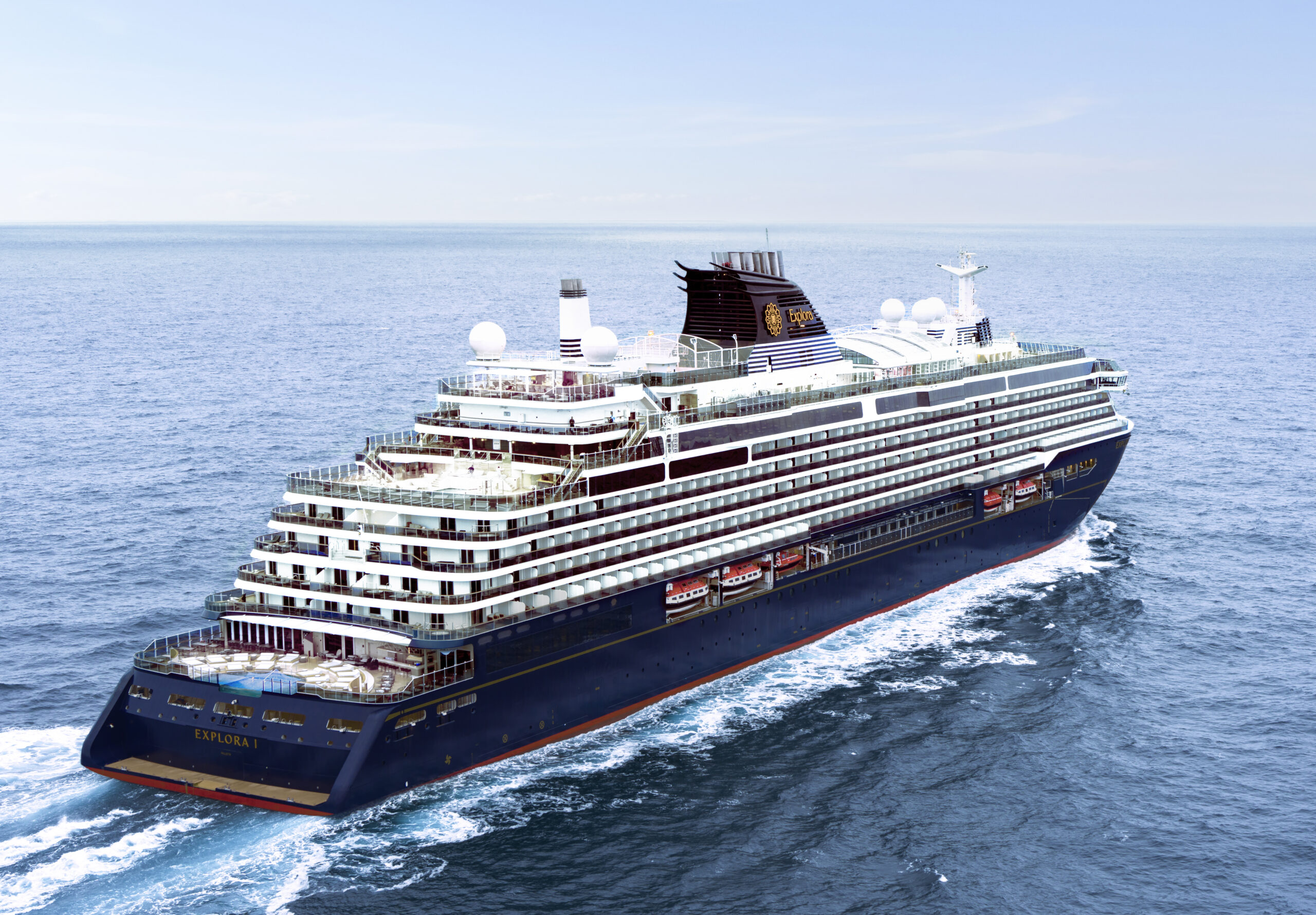
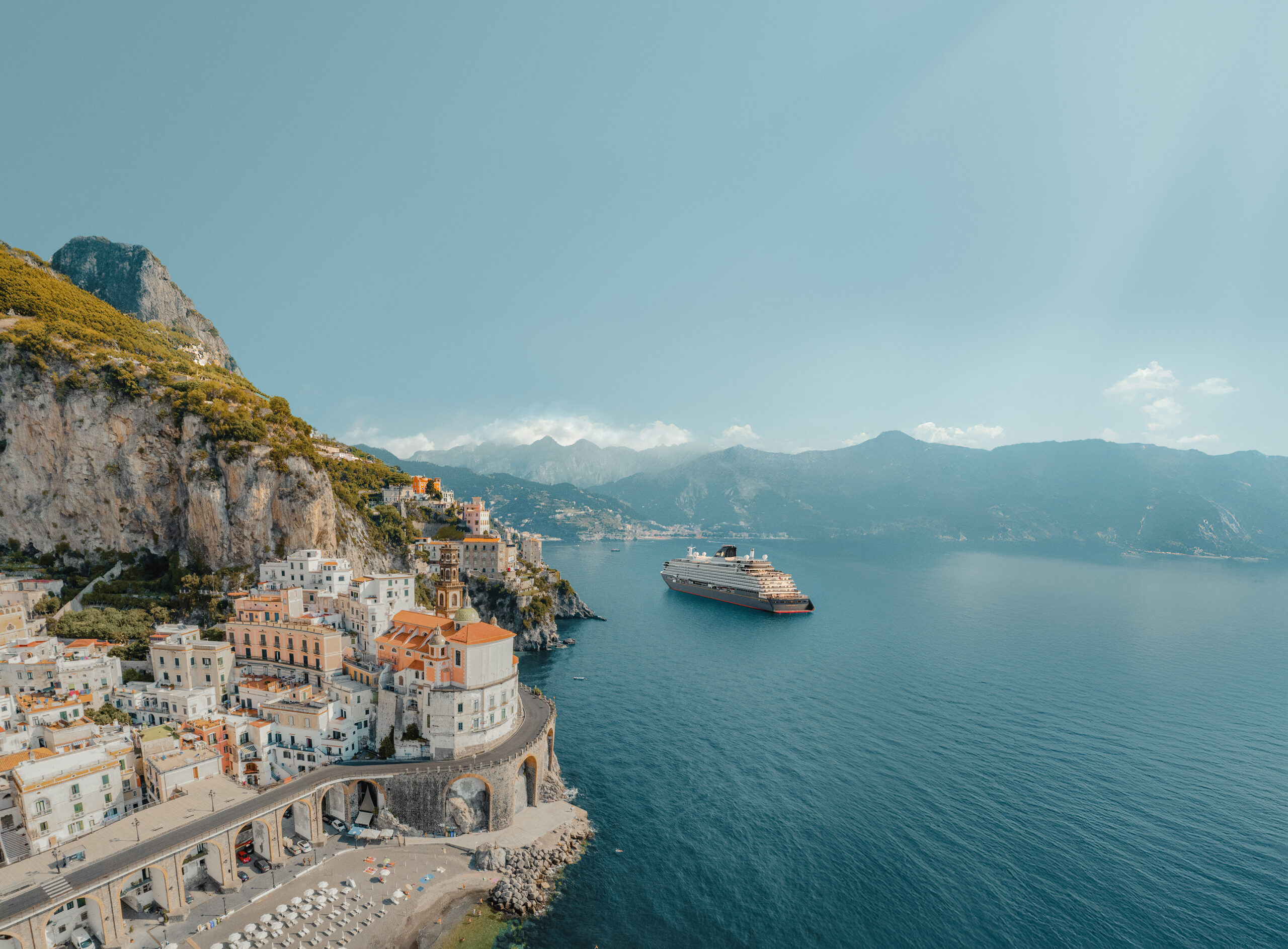
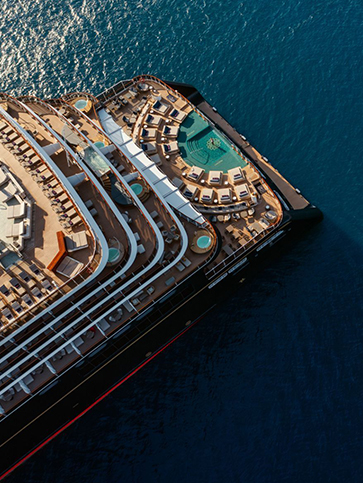
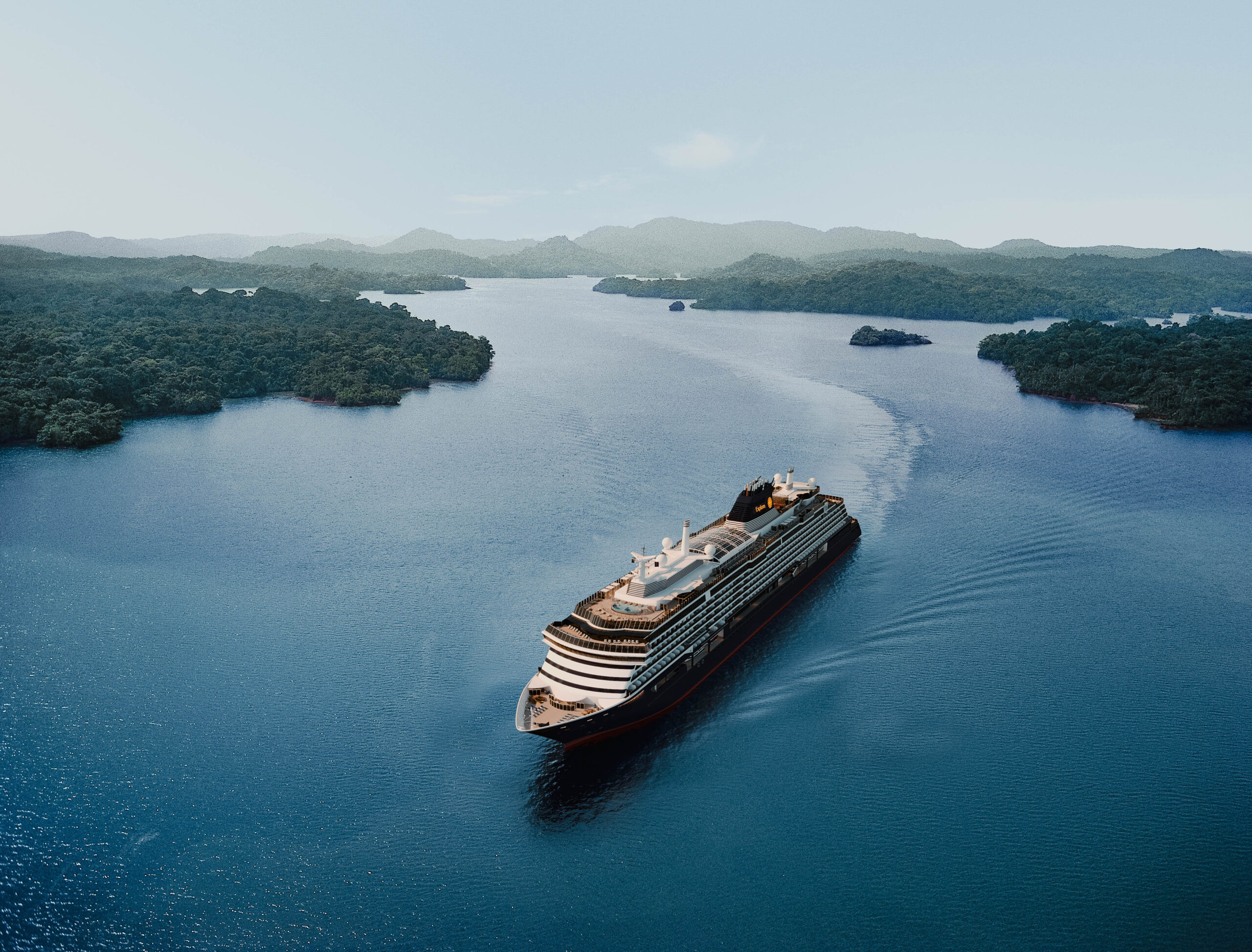
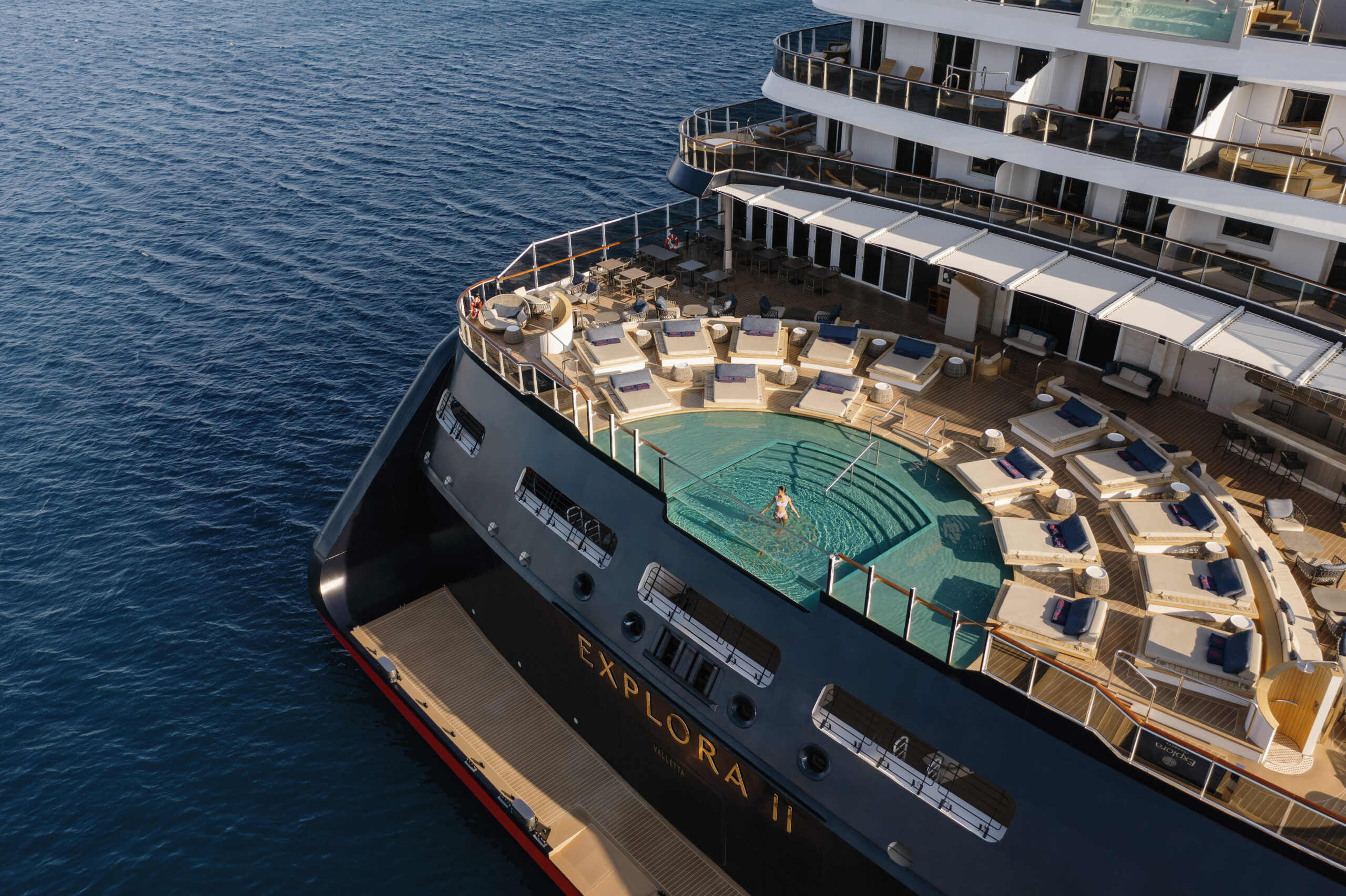
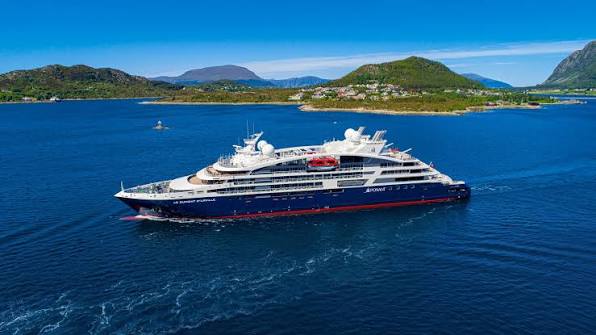
Explora I launched in 2023 with Explora II following in 2024, and these luxury all-inclusive resort-style vessels marked the entrance of new cruise line Explora Journeys into the luxury cruise market.
These identical ships feature spacious accommodation, generous
outdoor areas, a huge choice of restaurants, an attractive guest to
crew ratio of 1.25 to 1, three outdoor pools and a fourth with a
retractable glass roof, these ships really have it all.
For some Dubai, the most famous of the United Arab Emirates, is the ultimate glamorous holiday destination. Amazing high rise buildings, extensive air-conditioned shopping malls, and extraordinary man-made tourist attractions (such as indoor ski-slopes) abound. Some of the most glitzy and expensive hotels in the world can be found here, so for shopping, sunshine and fun for all the family, this is a great choice. For others, this is a cultural desert as barren as the sands which surround it. But if you search hard you will find the old souk-like centre around Dubai Creek - take a traditional dhow and you will begin to understand the magic of Arabia.
Khasab is the main town on the Musandam Peninsula, a rugged region of fjords and mountains that is sometimes known as the ‘Norway of the Middle East’. Dolphins can often be spotted off the coast, along with the pretty local dhow boats, while on land you can take a jeep safari and visit the 17th century Portuguese fort.
Formerly known as Bombay, this amazing city is larger than life and packed to bursting with things to see and do. Here people of all religions and nationalities live cheek by jowl, thriving communities from all over the world with the foods, smells, languages and rituals maintained at top volume.
The low-lying reef-protected atolls of the Maldives, set in the crystal clear turquoise waters of the Indian Ocean, are the perfect place to relax and unwind. A great choice for a honeymoon or romantic getaway, the Maldives also appeal to active travellers who love watersports, snorkelling and diving.
Colombo may be a little chaotic, but there is plenty to recommend Sri Lanka's colourful capital. Faded colonial architecture and beautiful Buddhist temples hint at the city's considerable history, while the excellent restaurants, lively bars and characterful streets provide the perfect introduction to contemporary Sri Lankan culture.
Investment has poured into Hambantota since the city was devastated by the 2004 tsunami, and this is now one of South Asia’s biggest ports. Hambantota is a jumping off point for Yala National Park, famous for its leopards, and the less well known Bundala National Park, rich in birdlife including flamingos and storks.
As well as a plethora of luxury resorts, Phuket has a charming old town replete with pretty Sino-Portuguese architecture, and acts as a jump-off point for exploring nearby islands and coastline. Koh Phing Pan, better known as James Bond Island, and Ko Phi Phi are breathtakingly beautiful, as are the limestone formations that surround Krabi.
Laid-back Langkawi boasts some of Malaysia’s finest beaches, and it’s a place where the traditional kampung (village) way of life survives in spite of the island’s development as a tourist destination. It’s also a popular spot for snorkelling and scuba diving thanks to the clarity of the surrounding waters.
Singapore’s heritage as an important trading post means that there is a real cultural mix, with four official languages: English, Chinese, Malay and Tamil. Step away from the gleaming towers and you’ll find yourself transported into another world amongst the intoxicating streets of Chinatown and Little India.
Surabaya, situated on the northeast coast of Java, is Indonesia’s second largest city and the place where the country’s struggle for independence began. The warren-like Arab Quarter is worth exploring, though many visitors use the city as a base for visiting nearby Mount Bromo.
The beaches, spectacular volcanic scenery and lush green rice terraces lend Bali a natural beauty that seems to dovetail perfectly with the island’s distinct Hindu culture, which adorns the landscape with stunning temples.
Komodo Island is situated within an area of spectacular natural beauty, home to the famous Komodo dragon. The stunning beaches are tinged with pink thanks to the high concentration of red coral just offshore, and the waters draw intrepid divers from all over the world.
More of a large town than a city, Darwin is less about what’s contained within the city limits and more about the huge expanse of wild landscape that’s outside it. Closer to Jakarta than Sydney, the city really does feel remote in its tropical perch.
Named after the British naval officer Sir Fairfax Moresby, Papua New Guinea’s capital is the biggest city in the South Pacific. It’s a gritty place that has its fair share of problems, but it’s also home to some interesting sights, including the striking Parliament Haus building and the National Botanical Gardens.
Alotau is the capital of Milne Bay province, on the remote eastern tip of mainland Papua New Guinea. Milne Bay was the scene of heavy fighting during the Second World War, and today you can dive amongst the wreckage left behind. Alotau also serves as a base for visiting the nearby islands, including the fascinating Trobriand archipelago.
Cairns is a buzzing tourist hub, gateway to the Great Barrier Reef and the Daintree Rainforest. A snorkelling trip out to the reef is the most obvious excursion to take here, but other options include riding the Skyrail cableway over the rainforest canopy or swimming in the croc-free saltwater lagoon.
The lively town of Airlie Beach is backpacker central, and serves as a transport hub for the many offshore attractions of the east coast. From here you can take a trip out to snorkel on the Great Barrier Reef, or visit the stunning tropical beaches of the nearby Whitsunday Islands.
Brisbane has plenty of shopping malls and, with great weather, a fantastic café culture. Amongst the steel and glass skyscrapers are some interesting historic buildings, and with plenty surrounding the city there’s enough on offer to make for an interesting short stay.
One or our favourite cities in the world, we love pretty much everything about Sydney. Offering outdoor living at its best, the city is known for the excellent beaches but offers so much more, including a thriving and varied food scene inspired by Asian and European flavours.
Culturally sophisticated and fashionably hip, Melbourne combines edgy street art with gold rush era architecture while offering excellent restaurants and top museums. If you have time, check out some of Victoria's other attractions, including the beautiful 12 Apostles and the excellent wines of the Yarra Valley.
Tasmania’s capital has been revitalised in recent years with a slew of new museums, restaurant openings and festivals. Hobart’s highlights include the provocative Museum of Old and New Art (MONA), the lively waterfront and a thriving foodie and craft beer scene.
Milford Sound is New Zealand’s most iconic sight, a breathtaking fjord crowned by the soaring Mitre Peak. Despite a remote location, on the western coast of the South Island, the fjord attracts thousands of visitors every year, such is the beauty of this raw and unspoilt landscape.
Visitors to Dunedin are amazed by the extraordinary Victorian and Edwardian buildings dating back to the gold rush, which bring to mind the city's Scottish roots - not least when the sound of the pipes echoes through the streets.
A garden city where punts glide down the Avon River, you’d be forgiven for thinking you were still in the UK when arriving into Christchurch, New Zealand’s most English of cities.
New Zealand’s cosmopolitan capital is arguably the country’s most likeable city. Hemmed in by forest-clad hills, Wellington is compact and easily walkable, with a lovely waterfront area where you’ll find the must-see Te Papa national museum. The city is also renowned for its strong winds, so make sure you hold on to your hat!
When Napier was destroyed by an earthquake in 1931 the city was rebuilt entirely in the Art Deco style, making this a fascinating architectural time capsule. It’s a lovely, sunny seaside city, and a visit to the surrounding Hawke’s Bay wine region makes for an enjoyable day trip.
Tauranga is the largest city on the Bay of Plenty, and is said to be one of the sunniest spots in the whole of New Zealand. There’s a real boom town feel here, with new restaurants, bars and hotels opening all the time, and neighbouring Mount Maunganui is a popular beach destination.
Auckland offers a buzzing waterfront and a vibrant arts scene, and provides a fascinating introduction to New Zealand’s proud cultural heritage. The centre is home to excellent shopping and a number of fantastic restaurants, and to the west is the city's oldest wine region.
Lautoka is Fiji’s second largest city, known as the ‘Sugar City’ due to its important role in the local sugarcane industry. The waterfront area is pleasant enough, but we’d recommend using Lautoka as a jumping off point to visit some of the smaller surrounding islands, or the forests and waterfalls of the interior.
Dravuni is a tiny, unspoilt island, just a mile long and home to around 200 people. It’s a great place to chill out on the beach and enjoy a spot of snorkelling, or you can take a slightly more strenuous hike up to the hilltop viewpoint.
Suva is Fiji’s bustling capital, situated on the southeast coast of Viti Levu on a fine natural harbour. This is one of the more attractive port cities in the South Pacific, with a handsome core of colonial buildings that hark back to the days when Fiji was an outpost of the British Empire. The colourful wooden buildings of Cumming Street are particularly pretty.
Nuku’Alofa, the ‘Abode of Love’, is the capital of Tonga, the last surviving Polynesian monarchy. The city's main attraction is the Royal Palace, an attractive wooden building dating back to 1867, while the island of Tongatapu offers wild beaches, cute villages and intriguing archaeological sites.
Mo’orea is one of the real highlights of the South Pacific, a picture perfect landscape of jagged green mountains and dazzling cobalt bays. The warm waters of the lagoon are perfect for a host of watersports, while the lush island interior can be easily explored by scooter or bicycle.
Bora Bora is the very definition of idyllic, a diminutive Polynesian island dominated by rainforest-clad volcanic peaks, overlooking an electric blue lagoon ringed by coral reefs. The beaches and over-water bungalows are particularly popular with honeymooners, and the clear waters of the lagoon are perfect for snorkelling.
Huahine is perhaps the most beautiful of the Society Islands, and one of the least developed too. The laid back ambience means it’s impossible not to relax here, whether you’re on one of the gorgeous beaches or taking a stroll around the friendly village of Fare.
Raiatea, the second largest of the Society Islands, played a vital role in the development of Polynesian culture; it was from this island that settlers departed for Hawaii and New Zealand over a millennium ago. The island feels wilder than Tahiti, with steep, jungle-covered mountains, cascading waterfalls and ancient Polynesian temples.
Papeete is the capital of French Polynesia, situated on the northwest coast of Tahiti. The port is not the most magical spot, so we advise venturing forth to luxuriate in the turquoise lagoons, relax on the white sand beaches fringed with palm trees, and explore the rugged mountain peaks.
The Fakarava atoll surrounds a deep lagoon in the west of the Tuamotu island group, scarcely populated and home to a host of rare wildlife. The entire atoll has been declared a UNESCO biosphere reserve, and the shallow coastal waters make for excellent snorkelling.
The remote South Pacific island of Pitcairn was settled by a party of British sailors and Tahitians following the famous mutiny on the HMS Bounty in 1789, and their descendants still live on the island. The tiny capital, Adamstown, has a population of around 50 people.
The enigmatic moai statues of Rapa Nui (Easter Island) remain one of the world’s most intriguing archaeological mysteries. Descendants of the Polynesian settlers who carved them still live here, though these days the island belongs to Chile, despite being separated from the mainland by over 2,000 miles of Pacific Ocean.
Characterful, colourful and a little chaotic, the port city of Valparaíso is scattered across 45 vertiginous hills. Thanks to this difficult topography the city streets are punctuated by steep staircases and funicular elevators, and energetic explorers will be rewarded with wonderful views of the pastel hued buildings that hug the slopes.
The busy port of Coquimbo is the gateway to the charming colonial city of La Serena, one of the oldest in Chile, where you’ll find attractive architecture and a fine stretch of beach. Other nearby sights include the fertile Elqui and Limarí Valleys, home to excellent wineries and ancient petroglyphs.
Pisco is best known for its eponymous grape brandy, the key ingredient in a pisco sour cocktail. From here you can explore the desert landscapes of the Paracas Reserve, discover the rich marine life of the Ballestas Islands or fly over the mysterious Nazca Lines.
Peru’s underrated capital enjoys a fine setting on the Pacific coast, and the handsome colonial-era buildings surrounding the Plaza de Armas give clues to Lima’s distinguished history; for three centuries this was the capital of the Spanish Americas, when the city grew rich on the back of plundered Inca gold.
Salaverry is the nearest port to Trujillo, northern Peru’s most important city. Located amongst the verdant Andean foothills, Trujillo is home to a host of beautiful colonial buildings, and is also known for the spectacular nearby ruins of Chan Chan, the largest pre-Columbian city in South America.
The Ecuadorian port of Manta is known as the “tuna capital of the world”, and you’ll see plenty of fishing boats as you arrive. The beach is a popular destination for local tourists, but you may find that the nearby town of Montecristi, home of the Panama hat, makes for a more interesting excursion.
The port of Fuerte Amador sits at the southern edge of Panama City, near the Pacific entrance to the Panama Canal. The shining skyscrapers of the Panamanian capital are a testament to the city’s status as a key financial centre, while the tiny Casco Viejo is home to pretty colonial streets, hip hotels and happening bars.
Cartagena was founded by Spanish conquistadors in 1533, and the beautifully preserved centre is a real highlight of Colombia’s Caribbean coast. The walled old town, the Ciudad Amurallada, is a camera-friendly collection of cobbled streets and colourful, colonial-era buildings.
The gabled houses of Willemstad lend an undeniably Dutch feel to the capital of little Curaçao, with a splash of Caribbean colour thrown in. The island itself is not your typical lush tropical paradise - the landscape is characterised instead by thorny shrubs and cacti - but there are some fantastic beaches and quaint little villages.
The tiny Dutch Caribbean island of Aruba, located just off the coast of Venezuela, lies outside of the hurricane belt, meaning it enjoys a largely dry climate, and boasts some of the best beaches in the region, if not the world.
Downtown Miami is a destination in its own right, with a host of world class galleries, but it's still Miami Beach that draws the biggest crowds. The Art Deco district around South Beach is very much back in vogue, with new restaurants, bars and luxury developments sprouting up all over the place.
The Big Apple is one of the world’s most iconic, cosmopolitan cities, a place that everyone should visit at least once in their lifetime. From the lofty heights of the Manhattan skyscrapers to the hipster hangouts of resurgent Brooklyn, New York City buzzes with energy and excitement, and there’s never been a better time to visit.