From Reykjavik to Valparaíso · North America · 42 nights
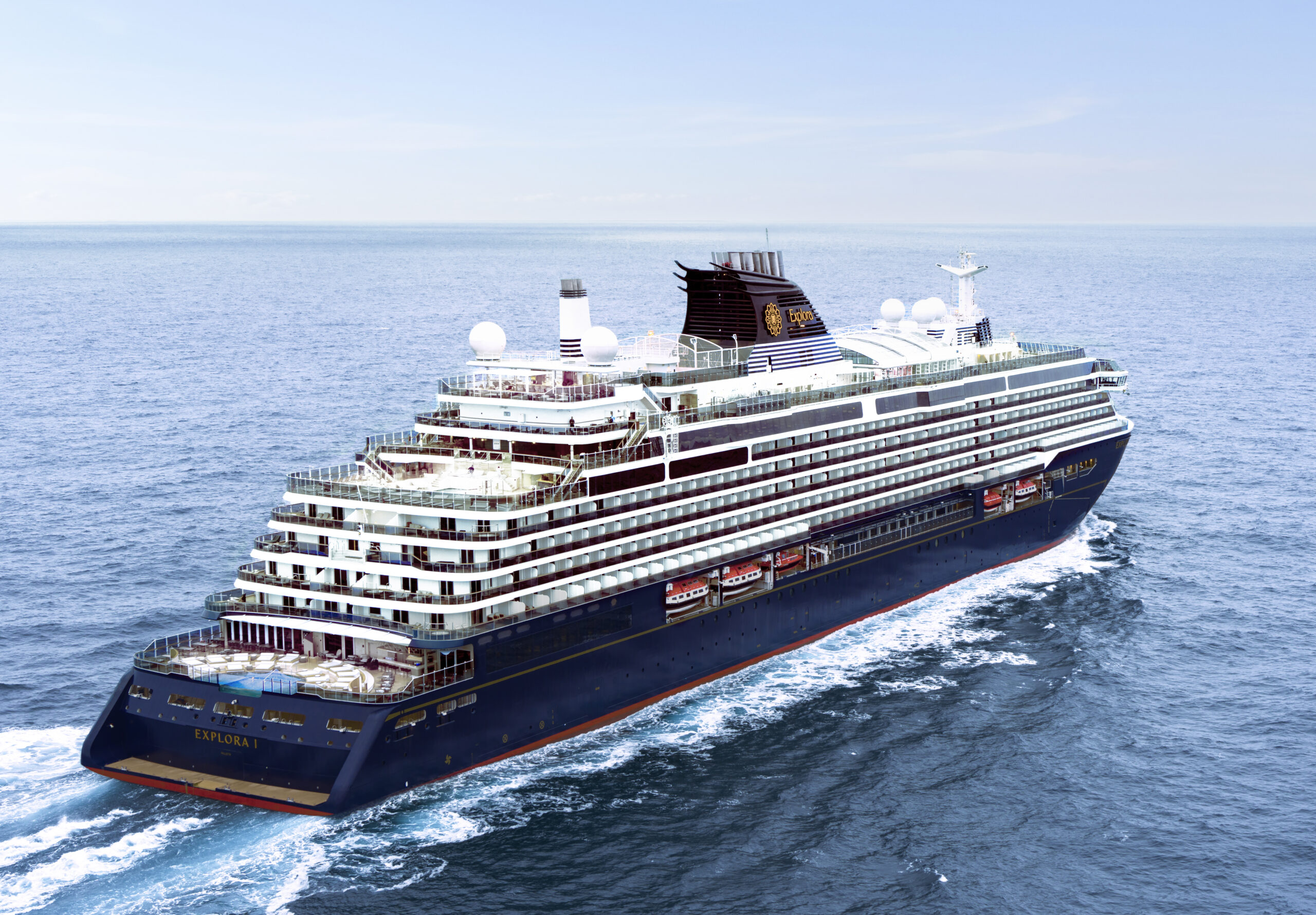
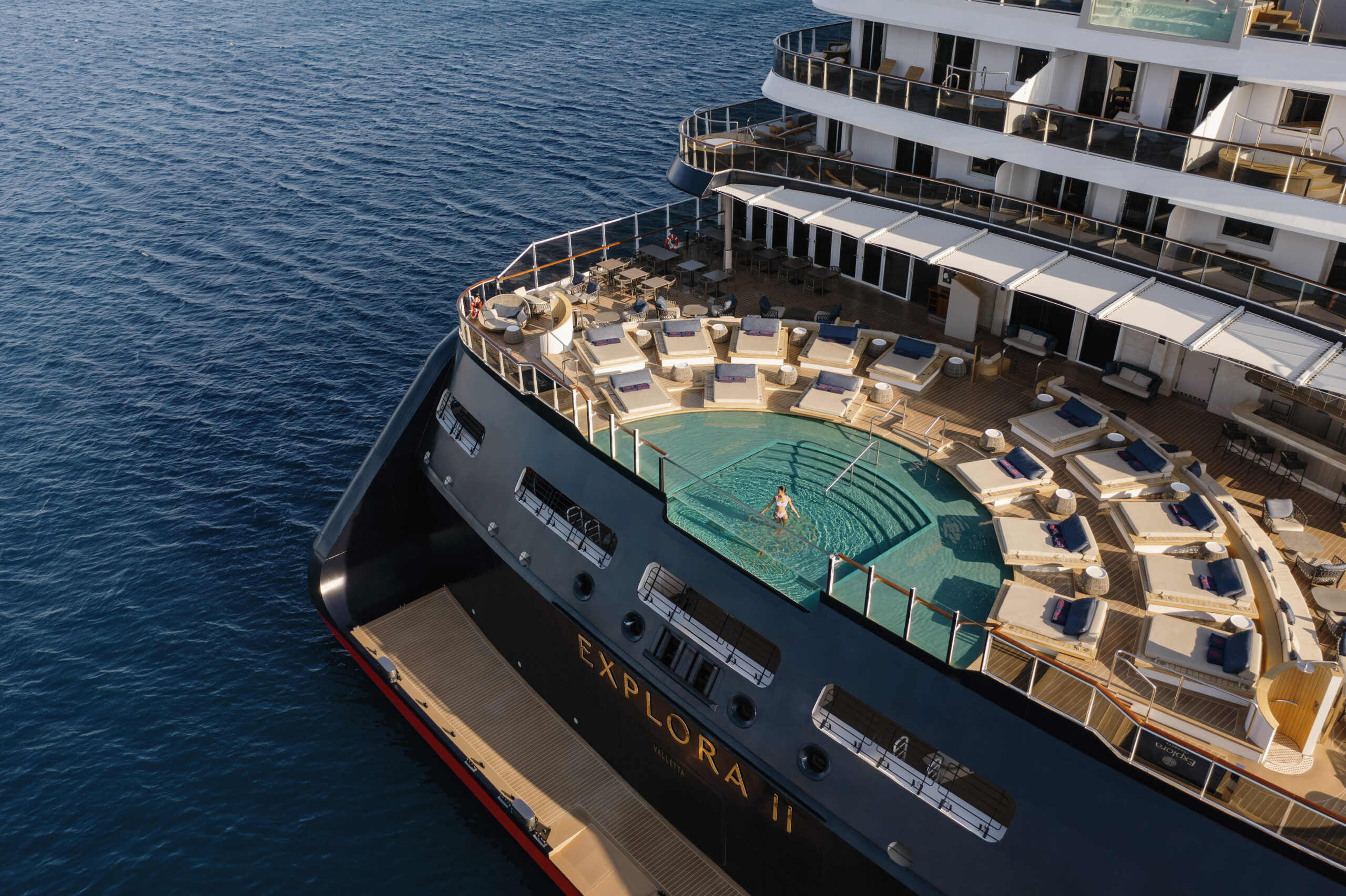
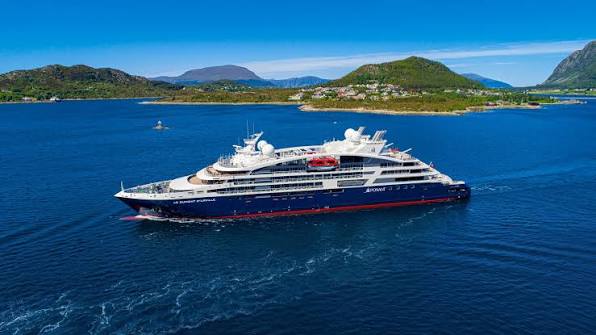
Seabourn has become the latest ultra-luxury cruise line to enter the expedition market with the launch of Seabourn Venture in 2022, followed by sister ship Seabourn Pursuit in 2023.
Seabourn Venture and Pursuit bring the trademark Seabourn style
and sophistication to the world of expedition cruising, with
interiors by designer Adam D Tihany, sumptuous veranda suite
accommodation and immersive adventure activities.
Capital of Iceland and gateway to this extraordinary volcanic island, modern Reykjavik is home to an impressive collection of interesting attractions and places of historic significance. Visit the impressive Hallgrímskirkja church, relax in a thermal pool, potter around the old harbour, and with 24 hour daylight in the summer months, you can play golf at midnight, or choose the perfect place to view the midnight sun such as the lighthouse at Grotta or on the waterfront by Sólfar - the Sun Voyager sculpture. If you're like us, you will find travelling out of Reykjavik by land or sea to be unforgettable.
Heimaey is the largest of the Westman Islands, just off the south west coast of the Icelandic mainland. The jagged landscape is a reminder of the island’s volcanic origins; the most recent eruption, back in 1973, created the volcano now known as Eldfell, which looms over the island.
The spectacular Prince Christian Sound provides a protected passage for ships rounding the southern tip of Greenland, at times narrowing to just 1,500 feet across. Waterfalls cascade down the rugged mountain sides, and you can often spot whales and seals amongst the icebergs.
Qaqortoq is southern Greenland’s largest town, though with just 3,000 inhabitants it’s hardly crowded. A trip to the nearby hot springs at Uunartoq is recommended; relaxing in the 38°C water and watching icebergs drift across the bay is quite something.
Norse settlers were exploring the coasts of North America long before Columbus made his journey across the Atlantic, and Hvalsey is home to some of the most important Norse ruins in Greenland. The 14th-century church here is remarkably well preserved, on the site of a major medieval farmstead.
Founded by the Norse explorer Erik the Red in the 10th century, the sheep farming settlement of Qassiarsuk is full of history. Legend says that Erik’s wife Thorhildur forced him to build the first church in North America here, and the modern reconstruction of the church enjoys fine views across the iceberg-speckled fjord.
The archaeological site of L’Anse aux Meadows, on the northern tip of Newfoundland, is the only confirmed site of Norse settlement in North America. Vikings arrived from Iceland and Greenland some 500 years before Columbus, and you can visit the reconstructed timber and peat-turf homes that they built.
The natural harbour at Halifax is the second largest in the world after Sydney, and this charming city has a proud maritime heritage. Take a stroll along the historic waterfront, delve into the vibrant arts scene or explore the beautiful coastal scenery of Nova Scotia.
Hamilton is Bermuda’s charming capital, filled with pretty pastel-hued buildings and bursting with British colonial history. Learn more about this past at the Royal Naval Dockyard, take a stroll along colourful Front Street, or relax on one of Bermuda’s beautiful pink sand beaches.
Founded by the Spanish in 1521, Puerto Rico’s capital is the second oldest European settlement in the Americas. Modern San Juan is a bustling city, home to over a third of the island’s population, but the cobbled streets of the Old Town remain the biggest tourist draw.
The tiny Dutch Caribbean island of Aruba, located just off the coast of Venezuela, lies outside of the hurricane belt, meaning it enjoys a largely dry climate, and boasts some of the best beaches in the region, if not the world.
The port of Fuerte Amador sits at the southern edge of Panama City, near the Pacific entrance to the Panama Canal. The shining skyscrapers of the Panamanian capital are a testament to the city’s status as a key financial centre, while the tiny Casco Viejo is home to pretty colonial streets, hip hotels and happening bars.
Guayaquil is Ecuador’s largest city and most important commercial centre, and acts as the gateway to the Pacific coast and the wildlife haven of the Galapagos Islands. It’s a busy, buzzing sort of place, centred around the pleasant riverfront Malecón promenade.
Peru’s underrated capital enjoys a fine setting on the Pacific coast, and the handsome colonial-era buildings surrounding the Plaza de Armas give clues to Lima’s distinguished history; for three centuries this was the capital of the Spanish Americas, when the city grew rich on the back of plundered Inca gold.
Pisco is best known for its eponymous grape brandy, the key ingredient in a pisco sour cocktail. From here you can explore the desert landscapes of the Paracas Reserve, discover the rich marine life of the Ballestas Islands or fly over the mysterious Nazca Lines.
Characterful, colourful and a little chaotic, the port city of Valparaíso is scattered across 45 vertiginous hills. Thanks to this difficult topography the city streets are punctuated by steep staircases and funicular elevators, and energetic explorers will be rewarded with wonderful views of the pastel hued buildings that hug the slopes.