From Copenhagen to Dover · Northern Europe · 28 nights
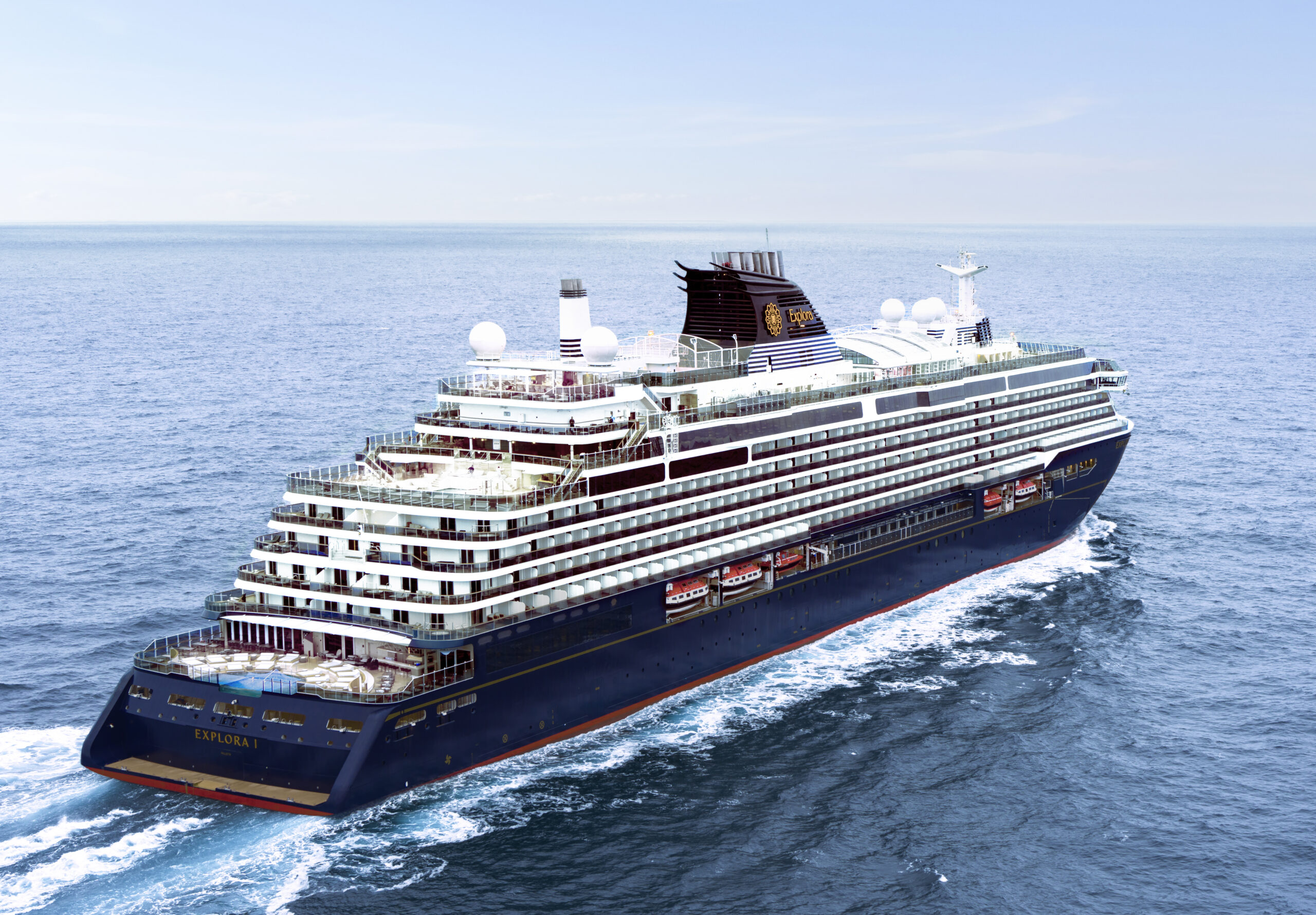
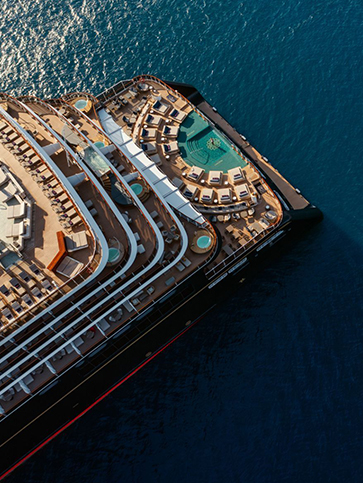
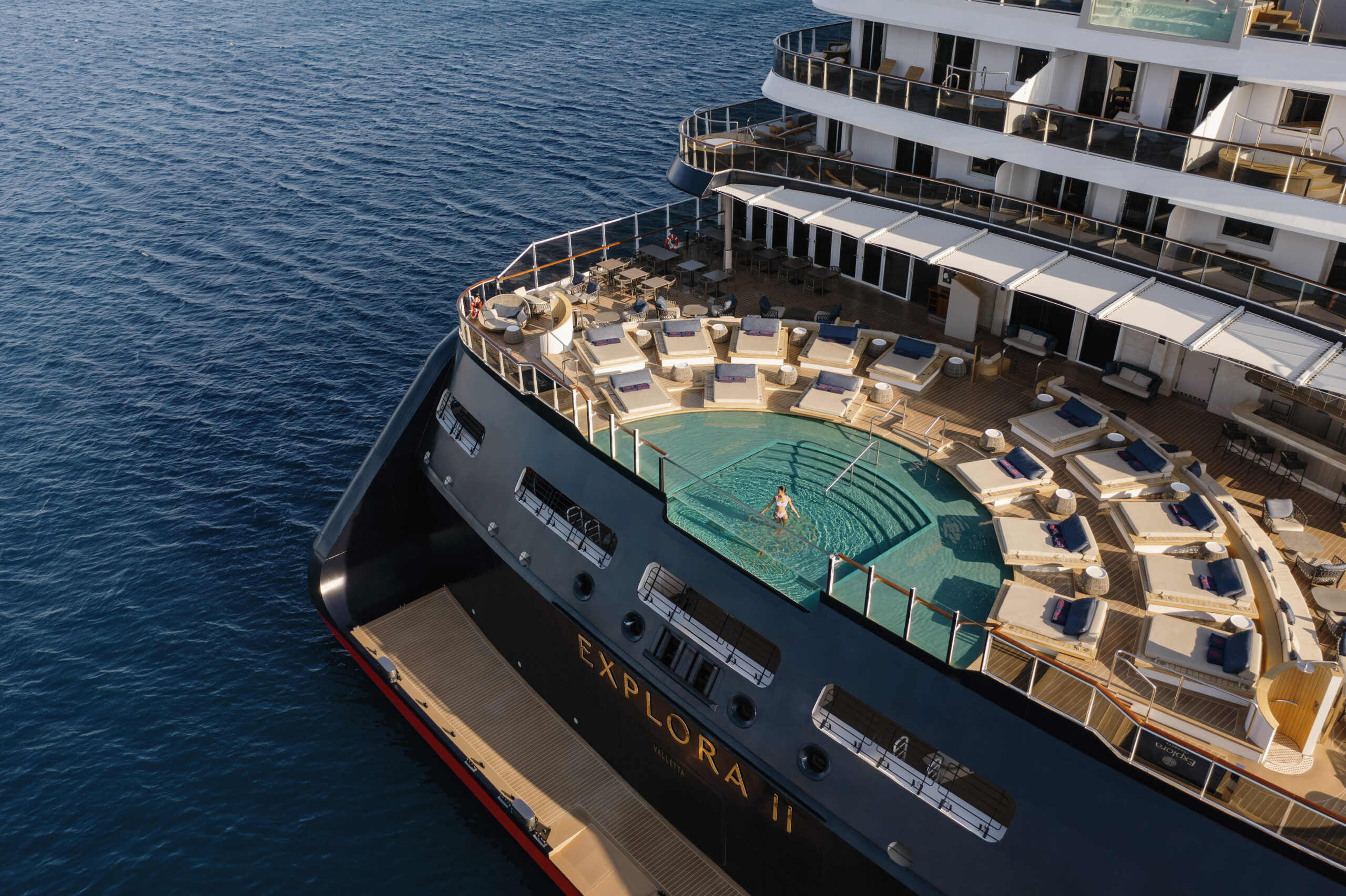
These spacious and elegant sisters are the perfect choice for a combination of contemporary style and expert hospitality.
When Seabourn built these 458-guest ships we were delighted. Not
only because each one is beautiful, but also because their
similarity means that they are interchangeable, enabling you to
travel all over the world in a familiar environment.
With a history that dates back to 1043, this small city is full of historic landmarks, significant buildings and interesting sights and museums. It is of course also a history that sits alongside the height of modern Danish design. It is great to explore on foot, by bicycle or by water. Be sure to visit Amalienborg Palace and to walk down the famed shopping street (Strøget). The pretty harbour of Nyhavn is a great location to stop for coffee or lunch and watch the world go by. And of course highlights include the Tivoli Gardens, and the (surprisingly) tiny statue of The Little Mermaid.
The town of Lysekil is situated at the mouth of the Gullmarsfjord on the west coast of Sweden, on a coastline characterised by red granite cliffs and scattered islands. Highlights include the excellent Havets Hus aquarium and the charming streets of the compact Old Town, the Gamlestan
Farsund is an old pirate hideout on Norway's south coast, and the locals celebrate their heritage every year at the Pirate Town festival. The town sits on the Lista peninsula, and the wetlands surrounding Lista lighthouse are a magnet for birdwatchers, with hundreds of species to look out for.
Surrounded by dramatic fjords and mountains, the port of Narvik played a key role during World War II as an ice-free outlet to the sea for iron exports from the Swedish mining town of Kiruna. The train ride across the border on the Ofoten Line makes for an interesting day trip, with spectacular mountain scenery en route.
The port of Honningsvåg is the gateway to Europe’s most northerly point, the North Cape, and enjoys 24-hour daylight in summer. Aside from tourism, fishing is the major industry in this part of Norway, and the region is also said to be inhabited by trolls.
Tromso’s location well within the Arctic Circle means the summer months are lit by the Midnight Sun, a compensation for long dark winters. Explore the streets with their multi-coloured wooden houses, see the amazing architecture of the Arctic cathedral, or take the cable car up to Mount Storsteinen for a fantastic view.
The little village of Reine enjoys one of the most spectacular settings in the Lofoten Islands, where the colourful wooden fishermen’s cabins are dwarfed by towering mountains. For the picture postcard view you’ll need to scale the 1,500 or so stone steps to the top of Reinebringen.
Situated halfway up the coast of Norway on a narrow peninsula, the little town of Brønnøysund is a pleasant place to stroll the streets and enjoy a drink in a cosy pub. The town’s centrepiece is the neo-Gothic Brønnøy Church, while just offshore are the UNESCO-listed Vega Islands.
Trondheim’s wooden buildings look much as they would have done in the Middle Ages, rebuilt in the same style and layout throughout history. Here also Norway's national sanctuary, Nidaros Cathedral, was built over the grave of St. Olav, Norway's patron saint, with parts dating back to the 12th century.
White Cliffs Country is a fascinating region, one packed with history and natural beauty. We think there is no sight like that of the stunning cliffs rising from the sea, topped by the fortifications of Dover Castle, and surrounded by lush green countryside.
Every August sailors from all over the world descend on Cowes for Cowes Week, the world’s oldest sailing regatta, and the town has an unmistakable nautical vibe. Spend some time perusing the upmarket shops, tuck into some fish and chips or head out and explore the Isle of Wight's beautiful coastline.
This pretty little town sits at the mouth of the Fowey river on the south coast of Cornwall, and was once home to the writer Daphne du Maurier. Explore the historic streets, take the short ferry ride across to the old fishing village of Polruan or visit the fantastic Eden Project, just a 20-minute drive away.
Bantry Bay is one of the most picturesque spots on County Cork’s west coast, sandwiched between the Beara and Sheep’s Head peninsulas. Local highlights include the 18th-century Bantry House, with its elegant gardens and intriguing links to the United Irishmen Rebellion of 1798.
Galway is known as the ‘city of festivals’, home to a cosmopolitan mix of artists, musicians and students. Buskers and folk bands provide the soundtrack as you explore the city’s fantastic pubs and pedestrianised streets, and Galway is also a useful base for visiting sights such as the Cliffs of Moher and Connemara National Park.
Disagreements over the correct name for Northern Ireland’s second city date back to 1613, and are unlikely to be resolved any time soon, so let’s focus instead on what the city has to offer. Highlights include the 17th century city walls, a vibrant live music scene and a city centre rejuvenated by Derry’s stint as UK Capital of Culture in 2013. (Greencastle is actually in the Republic, but it's a short drive south to Derry.)
The waterfront town of Oban, situated on Scotland’s west coast, is the main gateway to the Hebridean islands, and it’s a busy place in summer. We recommend sampling the excellent seafood while enjoying the views across to the islands of Mull and Kerrera.
The pretty fishing town of Ullapool is a popular gateway to both the Highlands and the Western Isles, bustling with visitors during the summer. There is an excellent museum with exhibits on crofting, fishing and emigration, while just offshore the uninhabited Summer Isles are home to seabirds, dolphins and porpoises.
The flat, windswept Orkney Islands, just off the northeast coast of Scotland, have a distinctive Scandinavian heritage that’s discernible in everything from the unusual place names to the ancient Norse architecture of the capital, Kirkwall. Don’t miss the Ring of Brodgar, a fascinating Neolithic stone circle.
Cosmopolitan Edinburgh, Scotland’s lovely capital, is located in spectacular countryside, always visible from the city centre. Striking architecture, lots to see and do, and great food mean that your time here will be very busy. And if your visit coincides with the Festival, you have a treat in store.
White Cliffs Country is a fascinating region, one packed with history and natural beauty. We think there is no sight like that of the stunning cliffs rising from the sea, topped by the fortifications of Dover Castle, and surrounded by lush green countryside.