From Stockholm to London (Greenwich) · Northern Europe · 28 nights
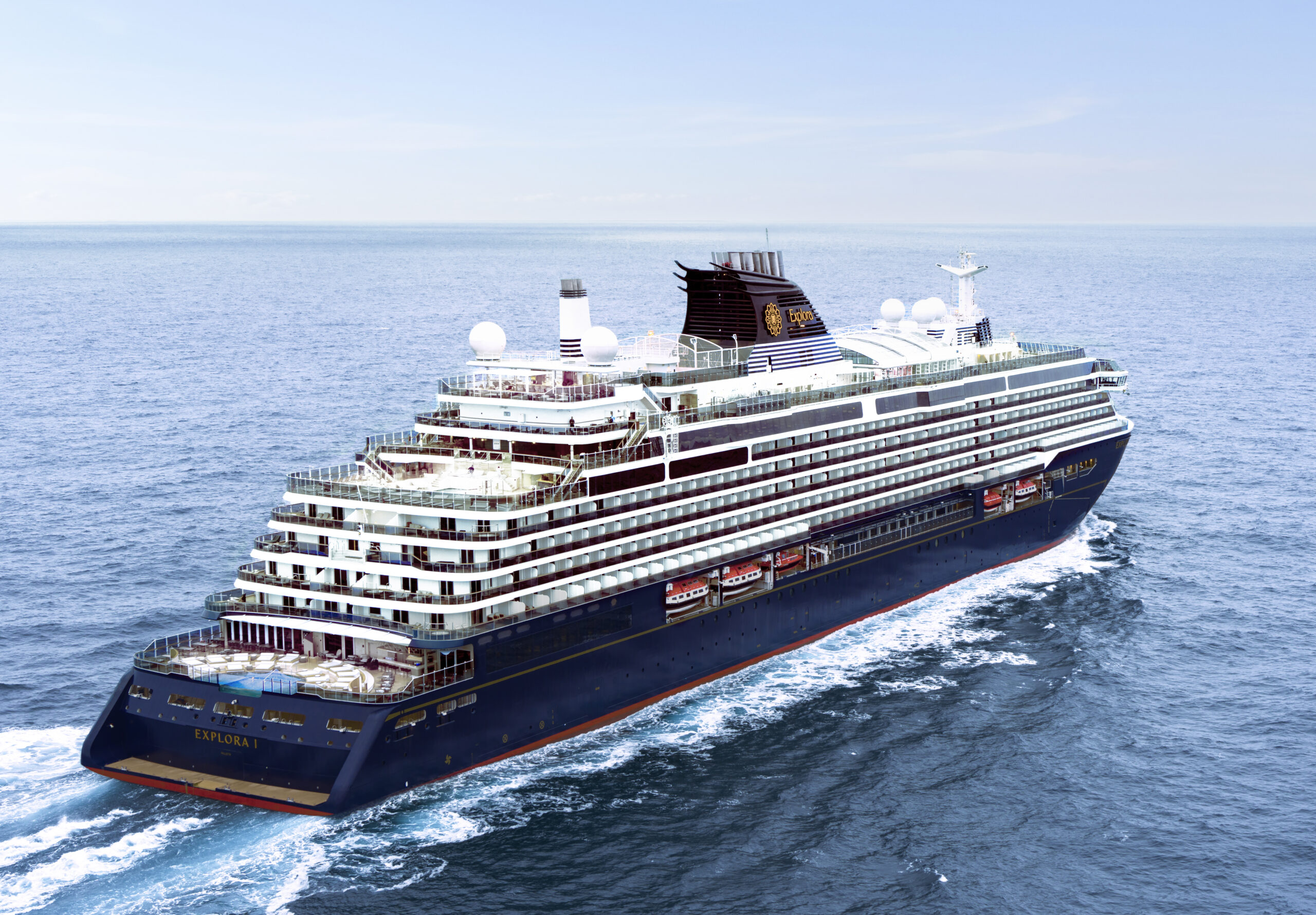
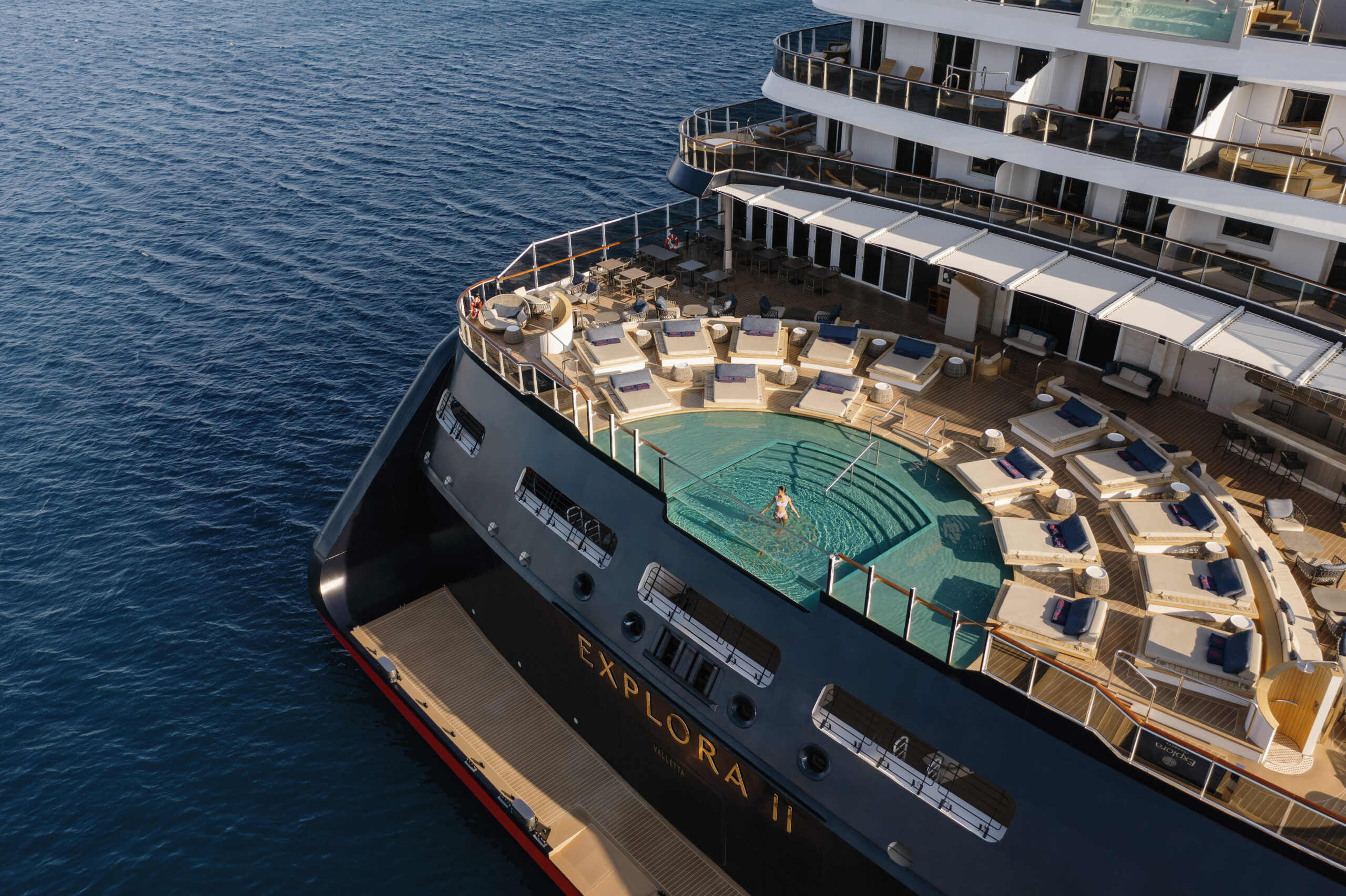
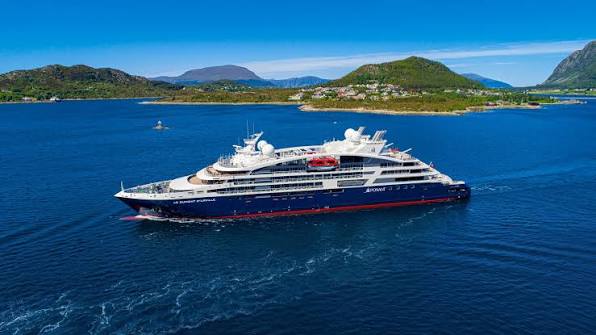
Viking’s hugely successful river cruise operation expanded into ocean cruising with a fleet of ten contemporary 930-guest ocean ships featuring attractive inclusive pricing and interesting itineraries. A slightly larger ship joined the fleet in 2024 with two additional ships scheduled in 2025 and 2026 each carrying 998 guests.
The airy contemporary style of the ships, with fresh Nordic
décor, is most appealing. Add to that the huge choices in dining
and other facilities, and veranda staterooms throughout, not to
mention included shore excursions and an excellent spa, and you
have a winner. In 2024 Viking Vela joined the fleet which is very
slightly larger, carrying 998 guests, yet identical in all other
respects to her predecessors. Two further 998-guest ships, Viking
Vesta and Viking Mira, launch in 2025 and 2026 respectively.
The buzzing city of Stockholm is the capital of Sweden. Visitors are captivated by the busy waterfront, the beautiful cobbled streets in the Gamla Stan, or Old Town, the museums, palaces, gardens and galleries, whilst a mere 20 minutes away, Stockholm's archipelago of 30,000 islands offers its own delights, not least some serene tranquillity. The city itself features trend-setting restaurants, a vibrant nightlife and a rich cultural heritage. Many interesting excursions from the city centre ensure that a prolonged stay will be both stimulating and varied.
The historic harbour city of Tallinn in Estonia is really quite captivating. Just the perfect size to explore on foot, its medieval (and UNESCO listed) town centre, with its cobblestone streets and a busy Town Hall Square, is the perfect introduction to Estonia’s rich history.
The Baltic port of Gdansk occupies an important place in 20th century history; the first shots of World War II were fired at the Westerplatte naval base, and it was amongst the shipyards of Gdansk that the Solidarity movement was born in the 1980s.
The ruggedly handsome island of Bornholm lies way out in the Baltic, closer to Sweden and Poland than the Danish mainland. It’s the sunniest place in Denmark, known for its intriguing rundekirke (round churches), sleepy fishing villages, traditional smokehouses and fantastic foodie scene.
The old Hanseatic port of Rostock was heavily damaged in the Second World War, though attractive enclaves of historic architecture remain. The little village of Warnemünde, a suburb of Rostock, is home to one of the most appealing beaches on the Baltic coast. An excursion inland to Berlin is a popular option, though it's around 150 miles each way.
Wonderful Copenhagen is the perfect city to explore on foot, by bicycle or by water. Visit the bustling wharf at Nyhavn, enjoy the palaces, galleries and museums, wander through the amazing Tivoli Gardens, and if you have time, make the most of Copenhagen’s gastronomic revolution.
Aalborg, Denmark’s fourth largest city, sits towards the northern tip of the Jutland peninsula, bisected by the Limfjord. It’s an important industrial centre and university town, with a recently revitalised waterfront area and a small but picturesque old town.
The intriguing city of Oslo, Norway’s capital, has so much to offer, from the open air Norwegian Folk Museum to the amazing Vigeland sculpture park, and from the Holmenkollen Ski Museum to the Munch Museum’s collection of memorable paintings. History, art and culture are what defines this lovely city.
Stavanger originally grew rich from its fishing industry, though these days it’s Norway’s oil boom that is powering the city’s economic growth. In spite of this modern gold rush the historic centre of Stavanger retains its charm, and the spectacular Lysefjord is within easy reach of the city.
Beautiful Bergen, Norway’s former capital, is a perfect city to explore on foot. Bryggen – the old Hanseatic wharf, and a UNESCO World Heritage site – still has the old harbour timber buildings, whilst other attractions include the funicular up Mount Floyen and the busy fish market.
The Geirangerfjord is arguably the most spectacular fjord in all of Norway, a sinuous ten mile stretch of sheer mountain walls and tumbling waterfalls. The village of Geiranger itself sits at one end of the fjord, and in summer the population swells with an influx of visitors to this beautiful region.
Leknes is the gateway to the Lofoten islands, home to some of the most stunning scenery in all of Norway, and sailing through the archipelago is a wonderful experience. Fishing is still the main source of income for most of the picturesque wooden villages that are dotted along the nearby coast.
Tromso’s location well within the Arctic Circle means the summer months are lit by the Midnight Sun, a compensation for long dark winters. Explore the streets with their multi-coloured wooden houses, see the amazing architecture of the Arctic cathedral, or take the cable car up to Mount Storsteinen for a fantastic view.
The port of Honningsvåg is the gateway to Europe’s most northerly point, the North Cape, and enjoys 24-hour daylight in summer. Aside from tourism, fishing is the major industry in this part of Norway, and the region is also said to be inhabited by trolls.
Lerwick is the only town of any size in the Shetland islands, and originally grew up around the herring trade. Highlights include the charming 18th century architecture along the waterfront and the informative Shetland Museum, which provides an excellent introduction to the history and culture of the islands.
The flat, windswept Orkney Islands, just off the northeast coast of Scotland, have a distinctive Scandinavian heritage that’s discernible in everything from the unusual place names to the ancient Norse architecture of the capital, Kirkwall. Don’t miss the Ring of Brodgar, a fascinating Neolithic stone circle.
Cosmopolitan Edinburgh, Scotland’s lovely capital, is located in spectacular countryside, always visible from the city centre. Striking architecture, lots to see and do, and great food mean that your time here will be very busy. And if your visit coincides with the Festival, you have a treat in store.
Greenwich was once the seat of British naval power, and you can learn more about the area’s seafaring heritage at the fascinating National Maritime Museum. Other attractions include the Cutty Sark, the O2 Arena and the Royal Observatory, where you can straddle two hemispheres by placing one foot either side of the Greenwich Meridian Line.